
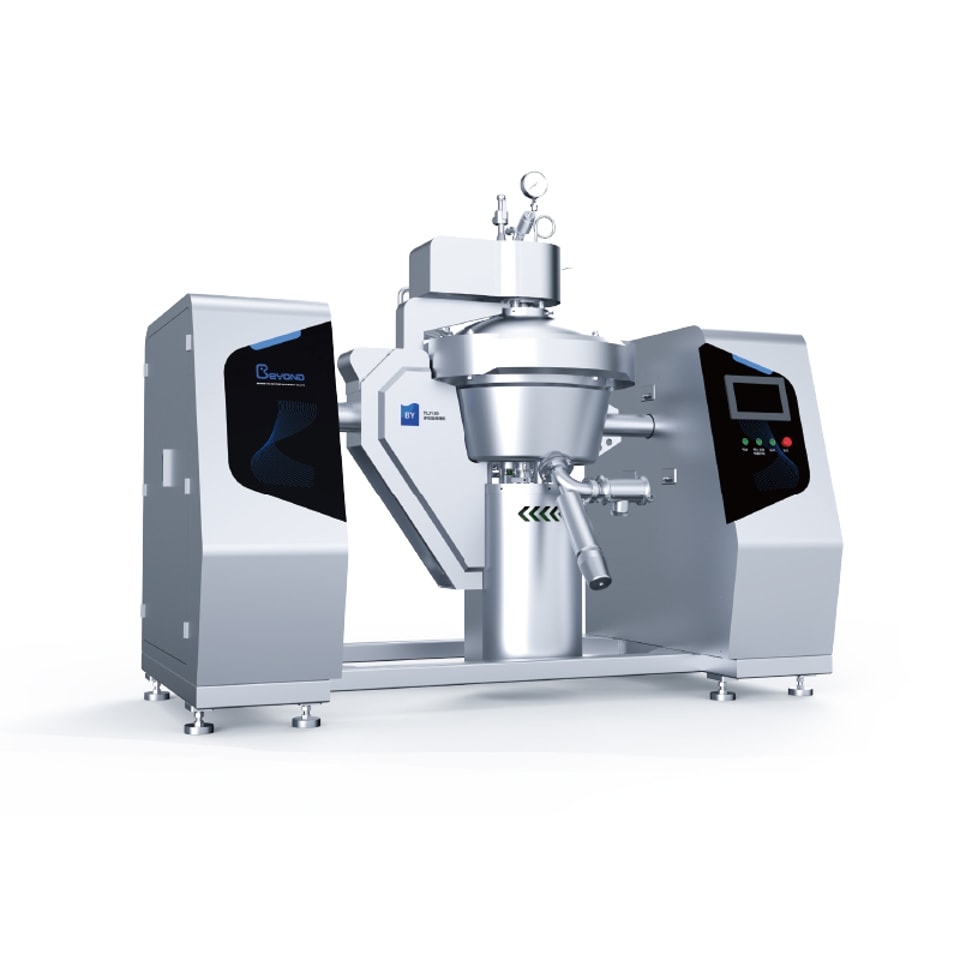
Food vertical melting pot
Cheese Vertical Melting Tank is a specialized equipment used for processing and melting cheese, commonly found in cheese production factories or places in the catering industry where cheese products are made. This type of equipment is mainly used to quickly and uniformly heat large or hard cheese to a suitable melting state.
Its design features include:
1. Vertical structure: Adopting a vertical layout, effectively utilizing space, and facilitating material handling and temperature control.
2. Heating system: Equipped with efficient electric heating elements or steam heating devices inside, it can accurately control the melting temperature, ensure that the cheese melts under optimal conditions, and prevent excessive heating from causing a decrease in quality.
3. Mixing system: Usually equipped with a mixer, it can evenly mix and disperse melted cheese, avoid clumping and local overheating, and ensure consistency in product quality.
4. Safety and hygiene: Made of food grade stainless steel materials that comply with food safety standards; And it is easy to clean and disinfect to maintain good hygiene conditions. The cheese vertical melting pot is widely used in the production of various cheese products, such as cheese ingredients on pizza, cheese sauces, lava cheese, etc., providing an efficient and convenient cheese processing solution for the catering industry.
The cheese vertical melting pot adopts multiple advanced technologies to ensure efficient, precise, and hygienic cheese processing:
1. Accurate temperature control technology: Equipped with advanced temperature sensors and control systems, it can monitor and accurately adjust the temperature inside the melting pot in real time, ensuring that the cheese melts uniformly at the optimal melting point, avoiding excessive heating that affects the taste and nutritional content.
2. Intelligent mixing system: Adopting an intelligent or variable frequency driven mixing device, it can automatically adjust the mixing speed and direction according to the melting state of the cheese, ensuring that the melted cheese has a delicate texture and no lumps.
3. Efficient heat exchange technology: Utilizing efficient electric heating elements, steam heating, or hot water circulation and other multimodal heating methods, it can quickly improve melting efficiency and reduce energy consumption.
4. Food grade materials and surface treatment: Made of advanced food grade stainless steel materials and finely polished to ensure equipment safety and hygiene, easy cleaning and maintenance, and compliance with food safety regulations.
5. Automation control system: Integrate PLC (programmable logic controller) or touch screen operation interface to achieve functions such as one key start, program preset, automatic alarm, etc., improve production efficiency, and reduce human operation errors.
6. Energy saving optimization design: Some advanced equipment adopts excellent insulation layers and heat recovery systems, which minimize energy loss and help maintain a stable melting environment.
7. Modular structure: Easy to disassemble and assemble, convenient for equipment maintenance and upgrading, and can also flexibly configure different capacity specifications according to different production requirements.
Through the application of the above advanced technologies, the vertical cheese melting pot not only improves the quality and efficiency of cheese processing technology, but also further ensures the safety and quality of food.
Vertical Melting Tank for Food is a widely used processing equipment in the food industry, mainly used for high-temperature heating and melting treatment of solid or semi-solid food raw materials. This type of equipment is usually designed with advanced temperature control systems, mixing systems, and safe and hygienic material structures to ensure efficient and uniform melting of materials while maintaining food quality.
Its main functions and uses include:
1. Melting and Mixing: For food ingredients that need to be melted, such as cheese, chocolate, syrup, jam, and oil, a vertical melting pot can quickly and evenly heat them to the melting point, while achieving full mixing through a built-in stirring device to prevent clumping and ensure a delicate melt.
2. Standardized production: In the food processing process, especially in mass production of ice cream blends, candy fillings, baking premixes, and various seasonings, the vertical melting pot can accurately control the melting temperature and time to ensure product consistency.
3. Sterilization and disinfection: Some melting pots also have sterilization functions, which can perform pasteurization or other heat treatment processes on materials while melting, effectively killing bacteria and microorganisms, and improving food safety.
4. Storage and insulation: The melted food can be kept at a certain temperature in the pot for continuous operation in subsequent processing steps, and can also be stored for a short time to avoid cooling and solidification.
5. Strong adaptability: Vertical melting pots can be customized and designed according to the characteristics of different products and production process requirements, such as equipping strong mixers for high viscosity materials, or adopting different heating methods to adapt to different types of food raw materials.
Overall, the vertical melting pot for food is an indispensable and important production equipment in the food manufacturing industry, which greatly improves the efficiency and quality stability of the food processing process.
3/20, 2024
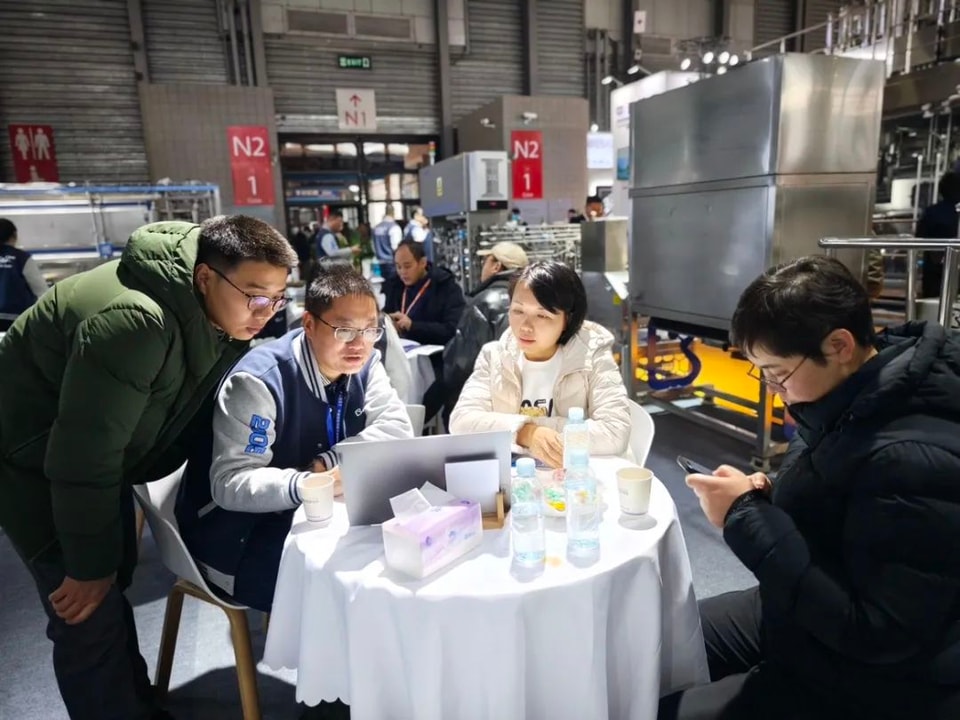
Beyond Machinery makes an exciting debut in CBST2024
In March of Yangchun, everything is renewed, and the Huangpu River continues to advance. With the harvest and joy of 2023, we embark on the journey and challenges of 2024. On March 6-8, 2024, the 12th CBST2024 China International Beverage Industry Technology Exhibition, known as the benchmark of China's beverage industry, was grandly held at the Shanghai New International Expo Center. As an excellent equipment manufacturer in the beverage industry, Benyou Machinery attended the exhibition with various beverage production line solutions.
As an important platform for looking forward to new trends in the industry and strengthening exchanges and dialogues among industry colleagues, CBST opened the the Year of the Loong industry event on the first day of business. Facing the vibrant spring atmosphere, Shanghai Benyou closely follows the latest changes and trends in the beverage industry. With high-quality products, innovative technology, and comprehensive industry solutions, it has gained popularity and attracted numerous professional visitors to negotiate cooperation.
This exhibition is fortunate to reunite with many old customers from well-known domestic beverage processing and production enterprises, beverage brands, and other enterprises. At the same time, it has received many new customers both domestically and internationally. Customer resources continue to expand, and technical exchanges and future application technology explorations among peers are carried out to jointly promote the development of the industry and accelerate the realization of "overtaking on the bend" in the diversified beverage industry market.
As an exhibitor deeply involved in the beverage industry, Benyou is committed to providing full line solutions for food and beverage enterprises. The production line has advanced, efficient, and intelligent characteristics, which can meet the production needs of various dairy products, beverages, fruit juice, and fruit wine.
The entire production line solution covers processing steps such as raw material processing, chemical blending, fermentation enzymatic hydrolysis, sterilization and filling. The entire production process is automated, intelligent, and green, and advanced processes and technologies are used to ensure the taste, quality, and nutritional content of the products; Simultaneously combining with an intelligent MIS system, real-time monitoring, data analysis, and fault warning of the production process can be achieved. It can improve the stability and reliability of the production process, reduce production costs, and create greater value for customers.
Shanghai Beyond Machinery Co., Ltd. is a professional technology developing enterprise which mainly engaged in healthy equipment fields. Combined with R& D, procedure design service, turnkey base project,equipment manufacturing, installation, commissioning and training, our company is specialized in turnkey projects services widely applicable to food industry such as fruit and vegetable juice, dairy product and beverage, meat and bone, egg product etc, and others include pharmaceuticals and fine chemicals as well. Beyond acted as pioneer to introduce and absorb advanced international technology and procedures, continuously innovate and positively promote deep communication and cooperation inside industry, which high effectively push industry develop healthily and orderly.
Beyond’s company culture of Honesty, practicality, innovation,happiness gathered many excellent professional technical talents who is rich of practical experience. The predominant team with tactical management and advanced innovation achieve perfect product quality for BEYOND. Shanghai Beyond Machinery Co.,Ltd. warmly welcome our new and old customers come to visit our company and have business talks.
3/15, 2024
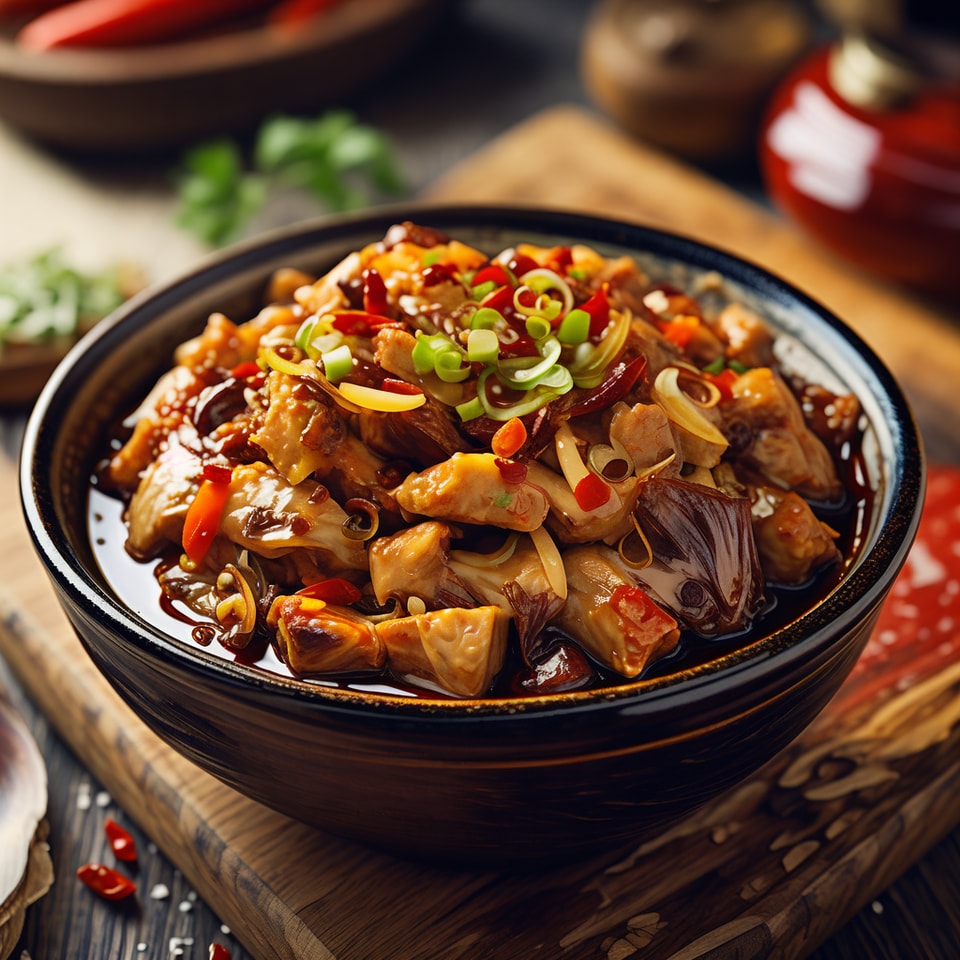
Design planning of Pickled vegetables processing plant
In the food processing industry, Pickled vegetables is one of the traditional foods loved by consumers. The design and planning of its production and processing plant plays a vital role in improving product quality, ensuring food safety and improving production efficiency. This article will discuss the design planning of Pickled vegetables processing plant from the aspects of process flow layout, equipment selection, environmental protection, energy conservation, health and safety, and intelligent management.
1、 Optimization of process layout
1. Raw material receiving area: Ensure that the raw material acceptance and temporary storage area is spacious and tidy, and use advanced weighing and testing equipment for quality control.
2. Pre treatment area: including cleaning, cutting and other processes, efficient bubble cleaning machines and intelligent cutting equipment should be equipped, and an independent drainage system should be set up to avoid cross contamination.
3. Pickling and fermentation area: according to the type of Pickled vegetables and the requirements of the pickling cycle, set up fermentation tanks or tanks with different capacities, reasonably arrange the space layout, and meet the fermentation temperature, humidity and ventilation conditions.
4. Seasoning and sterilization cooling area: equipped with automated seasoning equipment and efficient sterilization facilities (such as pasteurization and microwave sterilization), followed closely by rapid cooling equipment to maintain product taste and color.
5. Filling, sealing and packaging area: Automated filling lines and vacuum sealing machines are used to ensure sealing effectiveness; Simultaneously plan a reasonable packaging assembly line to reduce the pollution risk caused by manual operations.
6. Finished product storage and outbound area: Set a suitable temperature and humidity environment, use an intelligent warehouse management system to achieve orderly storage and rapid outbound of products.
2、 Complete processing solutions for Pickled vegetables
With the acceleration of the modernization process of the food processing industry, Pickled vegetables, as a traditional flavor food deeply loved by consumers, it is particularly important to adopt an advanced full set of solutions in its processing. This article will deeply discuss the core technological process, key technologies and the application in equipment selection of Pickled vegetables full processing solutions.
a. Overview of the whole processing process of Pickled vegetables
1. Raw material pretreatment: including raw material acceptance, cleaning, and cutting. We use an efficient bubble cleaning machine to remove impurities and disinfect them, and then use intelligent cutting equipment to accurately cut according to different product requirements.
2. Pickling and fermentation: After pre-treatment, the raw materials enter the pickling stage. Vegetables are short-term or long-term pickled using a scientifically proportioned saline solution, and fermented at an appropriate temperature to produce a unique sour taste and texture.
3. Desalination and seasoning: use the centrifugal desalination technology to reduce the salt content to the standard range, and then add sauce and other seasonings according to the specific formula in combination with the blending equipment to ensure that Pickled vegetables taste rich and meet health standards.
4. Sterilization and cooling: sterilize the pickled Pickled vegetables through advanced technologies such as pasteurization, high-pressure sterilization or microwave sterilization, and then rapidly cool them to maintain color and nutrition.
5. Filling and sealing: automatic Pickled vegetables filling production line is selected to achieve accurate and quantitative filling, and vacuum sealing machine is used for sealing to ensure product quality, safety and stability.
6. Packaging inspection: Finally, the outer packaging operation is completed using automated packaging equipment, and the quality of the finished product is strictly controlled through a quality inspection system, such as weight, appearance, microbiological indicators, etc.
b. Pasteurization line of Pickled vegetables
In the modern food processing industry, it is very important to ensure the food safety and quality stability of Pickled vegetables products. Among them, pasteurization, as an effective low-temperature sterilization technology, has been widely used in the field of Pickled vegetables processing.
This article will elaborate the design principle of Pickled vegetables pasteurization line and its remarkable advantages in improving product quality and ensuring food safety.
1、 Design principle of pasteurization line The Pickled vegetables pasteurization line is mainly composed of preheating section, high-temperature sterilization section, cooling section and control system:
1. Preheating treatment section: first, Pickled vegetables products enter the preheating stage through the conveyor belt, and gradually increase the temperature to reduce the internal temperature difference of the product, so as to avoid the structural damage of the product caused by the excessive internal and external temperature difference during the subsequent rapid heating.
2. High temperature sterilization section: at this stage, Pickled vegetables products are heated to 60-85 ℃ and kept for a certain period of time (usually different according to product type and specification) to kill most microorganisms, especially Botox and other pathogens that threaten human health.
3. Cooling stage: After sterilization is completed, the product immediately enters the cooling stage, using cold water or cold air for rapid cooling to quickly drop to room temperature, preventing the decrease in product taste, color, and nutritional value caused by prolonged high temperature, and effectively preventing secondary microbial contamination.
4. Control system: The entire assembly line is equipped with an advanced PLC automatic control system, which can monitor key parameters such as temperature and time in real-time at each stage, ensuring that the sterilization process strictly follows the set program and achieves the predetermined sterilization effect.
C、 Application advantages of pasteurization line for Pickled vegetables
1. Food safety assurance: Pasteurization technology can effectively kill bacteria and spores in Pickled vegetables, reduce the risk of food poisoning, and meet strict food safety standards, such as HACCP system requirements.
2. Nutrient retention: Compared with high-temperature high-pressure sterilization and other methods, pasteurization is a low-temperature sterilization process, which can maximize the retention of vitamins, minerals and other nutrients in Pickled vegetables and improve product quality.
3. High production efficiency: The pasteurization assembly line achieves automated continuous operation, greatly improving production efficiency, reducing labor intensity, and ensuring stable and reliable equipment operation with low failure rates.
4. Energy saving and consumption reduction: Compared to high-temperature instantaneous sterilization, pasteurization has relatively lower energy consumption, which is beneficial for enterprises to save costs and meet the needs of sustainable development.
To sum up, with its scientific and reasonable design principles and many application advantages, the Pickled vegetables pasteurization line has become an indispensable part of the modern Pickled vegetables processing industry, taking into account the product quality and economic benefits while ensuring food safety.
3. Key Technologies and Equipment Selection Points
1. Intelligent control: The entire production line should be equipped with a PLC automatic control system, which can monitor the operation status of each link in real time, effectively reduce manual operation errors, and improve production efficiency and stability.
2. Energy conservation and environmental protection: When selecting equipment, consider energy utilization efficiency, such as using energy-saving cleaning equipment, heat recovery systems, etc., while paying attention to the configuration of wastewater treatment facilities to ensure green and environmentally friendly production processes.
3. Customized service: For different types of Pickled vegetables (such as cucumber, radish, beans, etc.) and special tastes, the supplier should provide targeted process optimization plans and corresponding professional production equipment.
4. Food safety guarantee: Adhere to the HACCP system throughout the process, use food safety grade materials to make equipment, ensure no pollution risk, and meet the hygiene standards requirements of relevant national regulations for food processing enterprises.
In conclusion, the complete processing solution of Pickled vegetables covers the whole process management from raw materials to finished products. It is necessary to comprehensively use modern food processing technology and equipment, constantly optimize the production process, improve product quality, and ensure that the enterprise can provide high-quality Pickled vegetables products to the market continuously, efficiently and safely.
4、 Environmental Protection, Energy Conservation and Sustainable Development
When designing and constructing, full consideration should be given to the treatment facilities for wastewater, exhaust gas, and waste residue, and environmental protection regulations should be strictly followed.
Reduce energy consumption and achieve green production through measures such as thermal energy recovery and water-saving technology.
5、 Health and safety management
Fully implement the HACCP system, establish strict food safety management systems, and implement full process monitoring from raw materials to finished products.
Implement zoning management within the factory, clarify personnel flow paths, and avoid cross contamination.
Regularly disinfect, clean, and maintain facilities and equipment to ensure that the production environment meets hygiene standards.
6、 Intelligent management and information construction
Apply modern information technology to build an intelligent production management system, monitor various data indicators in the production process in real time, and provide scientific basis for decision-making.
Realize high integration of logistics, information flow, and capital flow to improve the overall operational efficiency of the factory.
To sum up, the design and planning of Pickled vegetables processing plant is a systematic project, which requires comprehensive consideration of process flow, equipment configuration, environmental protection, food safety, intelligent management and other aspects, and strives to create a modern, green and intelligent efficient Pickled vegetables processing base.
Shanghai Beyond Machinery Co., Ltd
Beyond Machinery specializes in the design and manufacturing of Pickled vegetables processing plant. Please contact us now, and our professional technical engineers will customize the equipment plan for Pickled vegetables processing plant and provide a quotation. Please contact us now to obtain the latest equipment plan and quotation.
3/6, 2024
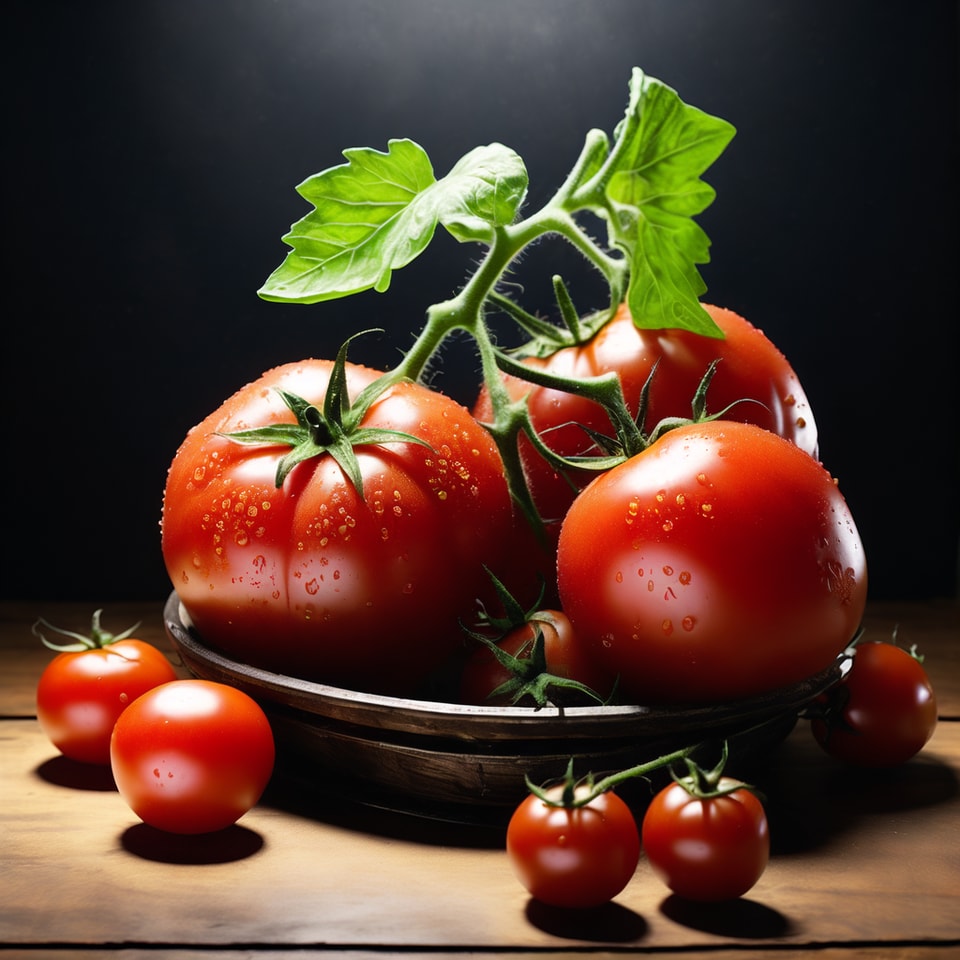
Key elements and technological innovation in the design and construction of tomato sauce factories
With the increasing global demand for tomato products, especially tomato sauce as a widely used basic seasoning, the design and construction of its production factories are receiving increasing attention. This article will delve into the key elements and technological innovations in the design and construction process of tomato sauce factories.
1、 Preliminary planning and site selection
1. Market demand analysis: Firstly, a detailed market demand survey should be conducted before design to understand the consumption habits, taste preferences, and future development trends of the target market, providing decision-making basis for the factory's production capacity scale and product positioning.
2. Geographical location selection: The ideal tomato sauce factory should be located close to the tomato production area to ensure the freshness of raw materials and supply stability, while considering factors such as transportation convenience, environmental conditions, and related supporting facilities (such as water and electricity supply).
2、 Process flow design
1. Raw material pretreatment area: including tomato cleaning, selection, crushing, and other processes. The use of automated equipment can improve efficiency and ensure product quality. Some advanced factories will also use optical sorting systems to accurately remove defective products.
2. Processing core area: mainly includes steps such as pulping, concentration, blending, sterilization, etc. Among them, high-efficiency concentration equipment (such as vacuum concentrators) can reduce energy consumption and maintain the original color and flavor of tomato sauce; Sterilization technology needs to balance sterilization effectiveness and nutrient preservation.
3. Filling and packaging area: Adopting sterile filling technology and automated packaging assembly lines can improve production efficiency and ensure food safety. Flexible switching capability is required for various packaging forms such as bottled and bagged packaging.
3、Design and application advantages of automated tomato sauce production line
With the continuous advancement of modernization in the food industry, automated tomato sauce production lines have become an important tool for improving production efficiency, ensuring product quality, and food safety. This article will provide a detailed introduction to the design characteristics and significant advantages of automated tomato sauce production lines in practical applications.
a. Key points in the design of an automated tomato sauce production line
1. Raw material pretreatment stage: Intelligent optical sorting machines are used to screen, clean, and peel tomatoes, ensuring consistency and purity of raw material quality. Some advanced devices can also automatically remove pests, diseases, or damaged parts.
2. Crushing and beating process: The high-speed crusher is used to precisely control the degree of tomato crushing, and then efficient centrifugal separation technology is used to remove seeds and fibers from the pulp, ensuring the delicate taste of tomato sauce.
3. Concentration process: Vacuum concentration technology maintains the original color and flavor of tomatoes while saving energy and reducing consumption, effectively reducing nutrient loss. The intelligent control system can monitor and accurately adjust parameters such as temperature and pressure in real time, ensuring stable concentration effect.
4. Seasoning and sterilization: The automated ingredient system accurately adds sugar, salt, spices and other auxiliary materials according to the formula, and ensures the product is sterile and safe to taste through advanced high-temperature short-term (UHT) sterilization technology.
5. Filling and packaging: The fully enclosed sterile filling line can achieve fast and accurate quantitative filling, and is equipped with automated capping, labeling, and packaging equipment, greatly improving production efficiency and product appearance quality.
6. Data collection and analysis: Integrate industrial Internet of Things technology, collect data information from various links of the production line, form a full process traceability system, facilitate real-time monitoring of production status by enterprises, optimize production plans, and improve overall operational efficiency.
b. Advantages of automated tomato sauce production line application
1. Production efficiency improvement: Automated production lines greatly shorten processing cycles, reduce manual errors, and significantly increase production per unit time.
2. Quality consistency guarantee: Through precise automation control methods, ensure that the various indicators of each batch of products, such as color, taste, nutritional content, etc., are highly consistent.
3. Resource conservation and environmental protection: Automated production lines focus on energy recovery and wastewater treatment, reducing waste and adhering to the concept of sustainable development.
4. Food safety management: Strict aseptic environment, high standard sterilization technology, and full process quality monitoring effectively ensure the food safety of tomato sauce products.
5. Flexible response to market demand: Automated production lines have good flexibility and scalability, and can quickly adjust production specifications and flavors according to market changes to meet diverse consumer needs.
In summary, automated tomato sauce production lines are an important achievement in the development of modern food industry. They not only promote technological innovation and industrial upgrading in the industry, but also bring significant economic benefits and social value to enterprises in practical applications.
4、 Energy conservation, environmental protection, and sustainable development
1. Energy utilization optimization: Energy recycling is achieved through a heat recovery system, such as using the waste heat generated during the concentration process to preheat new tomatoes or for other production processes.
2. Wastewater treatment and discharge: Establish comprehensive wastewater treatment facilities, comply with environmental regulations, and scientifically treat production wastewater before discharge or recycling.
3. Green building concept: Integrating green building concepts into factory building design, such as using energy-saving building materials, reasonable layout to reduce energy consumption, and adding green areas to improve the microclimate environment in the factory area.
5、 Intelligence and Digital Transformation
1. Intelligent control system: introduce advanced automatic control system and industrial Internet technology, monitor production data in real time, realize refined management of production process, and rapidly adjust production line parameters according to market feedback.
2. Big data and AI applications: Using big data analysis to predict raw material supply, optimizing production plans and resource allocation with artificial intelligence algorithms, and improving overall operational efficiency.
In summary, the design and construction of tomato sauce factories not only need to meet the requirements of production processes, but also need to pay attention to technological innovation in environmental protection, energy conservation, and intelligence, in order to build an efficient, safe, and sustainable modern tomato sauce production base.
Shanghai Beyond Machinery Co., Ltd
Beyond Machinery specializes in the design and manufacturing of tomato sauce production line. Please contact us now, and our professional technical engineers will customize the equipment plan for tomato sauce production line and provide a quotation. Please contact us now to obtain the latest equipment plan and quotation.
3/6, 2024
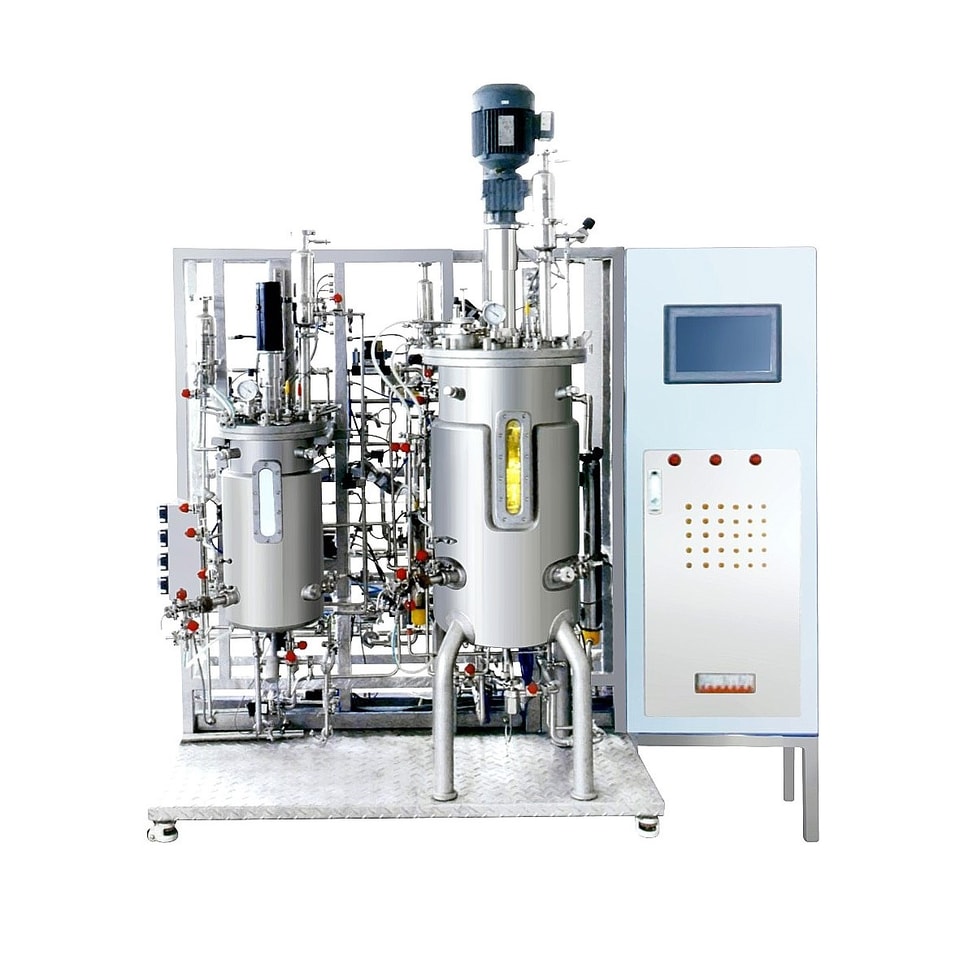
50-1000L Fermentation Small Laboratory Stainless Steel Bioreactor
A small laboratory stainless steel bioreactor is a compact and versatile device used for culturing microorganisms, mammalian cells, or plant cells in a controlled environment for research and development purposes. Its main components and functions include:
1. Reaction Vessel: Made of high-quality stainless steel, the vessel is typically jacketed for temperature control. It houses the culture medium and provides a sterile environment for cell growth.
2. Agitation System: Consisting of a stirrer and impeller(s), this component helps to mix the contents of the vessel evenly, ensuring that nutrients are distributed throughout and oxygen is supplied to the cells. The agitation speed can be adjusted to minimize shear stress on sensitive cells.
3. Temperature Control: Often featuring a double-walled design with a circulating water or oil jacket, the vessel can be connected to a thermostat-controlled heating/cooling system to maintain the optimal growth temperature for the organisms.
4. Aeration System: A sparger or gas diffuser introduces air or pure oxygen into the culture to provide the necessary dissolved oxygen for aerobic cultures. The gas flow rate can be regulated to control DO levels.
5. PH Control System: Equipped with pH probes and acid/base dosing pumps, the bioreactor allows for real-time monitoring and automatic adjustment of the culture's pH to maintain the ideal condition for cellular metabolism.
6. Level Sensor: To manage the liquid level inside the bioreactor, it might have a sight glass or an electronic level sensor.
7. Sampling Ports: Sterile sampling ports enable researchers to take samples for analysis without compromising the sterility of the system.
8. Automation and Control: The bioreactor comes with a control panel that integrates data acquisition software, allowing users to program and monitor various process parameters such as temperature, pH, agitation speed, and DO levels.
9. Sterilization Capabilities: The bioreactor is designed for easy cleaning and sterilization either manually or via a built-in CIP (Cleaning-in-Place) or SIP (Sterilization-in-Place) system.
10. Accessories: Additional accessories may include probes for measuring biomass, dissolved gases, or metabolites; clamps and seals for securing ports and tubes; and connectors for attaching tubing for nutrient feed, waste removal, and sampling.
This type of small-scale stainless steel bioreactor offers flexibility in experimental design, scalability for pilot studies, and valuable data for scaling up to larger production bioreactors.
Bioreactor parts and their functions
A bioreactor is a device used to accommodate and cultivate microorganisms, cells, tissues, or organs for biochemical reactions under controlled conditions. Its main components and functions are as follows:
1. Reactor body/vessel: • Main function: as the site for biological reactions, storing and mixing biological media (such as culture medium), and providing sufficient space for the growth and reproduction of organisms.
2. Agitation System: • Includes agitator blades, motors, and speed controllers, etc Main function: By stirring, the uniform mixing of biological media inside the reactor is ensured, ensuring consistent distribution of nutrients, oxygen, growth factors, etc., to meet the needs of biological growth.
3. Gas Distribution System: It usually includes an air inlet, bubble diffuser, or microporous aeration head, etc Main function: To deliver necessary gases (such as air or pure oxygen) to the reactor, provide dissolved oxygen required for biological growth, and help eliminate carbon dioxide produced by metabolism.
4. Temperature Control System: • It can include jackets, hot water circulation systems, cooling coils, or built-in heating elements, etc Main function: Precisely control the temperature inside the reactor to adapt to the optimal growth conditions of different organisms.
5. PH Control System: It consists of a pH sensor and an acid-base injection pump Main function: Real time monitoring and automatic adjustment of pH value inside the reactor to maintain a suitable biological reaction environment.
6. Feed System: • Includes feed pumps and pipelines. • Main function: timely addition of nutrients or other essential ingredients during the reaction process to maintain the continuous progress of the biological reaction.
7. Sampling System: Generally equipped with sampling ports and sterile sampling bottles Main function: Regularly obtain internal samples of the reactor for analyzing information such as the number of organisms, product concentration, and nutrient consumption.
8. Online Monitoring System: • Includes sensors for dissolved oxygen measurement, turbidity measurement, biomass monitoring, etc Main function: Real time monitoring of important parameters inside the reactor, providing a basis for process optimization.
9. Cleaning and Sterilization System: • Such as CIP (Cleaning in Place) and SIP (Sterilization in Place) devices. • Main function: Conveniently and quickly clean and sterilize the interior of the reactor, reducing the risk of cross contamination.
The above parts work together to form the core function of the bioreactor, enabling effective control of biological processes in laboratories or industrial production to achieve the production of target products.
The final product of a bioreactor
Bioreactors can produce a wide range of biological products, mainly derived from the growth, metabolism, or expression activities of microorganisms, cells, or biomolecules. The following are some final products that bioreactors may produce:
1. Medical products: • Drug proteins: therapeutic protein drugs such as insulin, interferon, growth hormone, monoclonal antibodies, etc Vaccines: such as viral particle vaccines, recombinant subunit vaccines, etc Disease diagnostic reagents, such as enzyme labeled antibodies in enzyme-linked immunosorbent assay (ELISA).
2. Bioenergy: • Biofuels: Liquid fuels obtained through microbial fermentation, such as ethanol and butanol Biohydrogen: Some microorganisms can produce hydrogen gas under specific conditions.
3. Food additives and nutrients: • Enzyme preparations: Enzymes widely used in food processing and beverage production, such as amylase and lipase Functional food ingredients: such as probiotics, dietary fiber, functional polysaccharides, etc.
4. Chemical raw materials: • Biobased chemicals: such as precursors of bioplastics, biobased lubricants, biosurfactants, etc Fermented products: organic acids and alcohol compounds such as lactic acid, citric acid, acetone butanol, etc.
5. Environmental governance: • Bioremediation agents: Microbial agents used for wastewater treatment or soil remediation Biological desulfurizer: Utilizing microorganisms to remove sulfides from harmful gases.
6. Scientific research applications: Various molecular biology tools such as recombinant proteins and RNA used in basic scientific research.
In summary, bioreactors play a crucial role in the modern biotechnology industry, optimizing biological processes to achieve large-scale production and commercial application of various biological products.
The installation and debugging of a bioreactor is a meticulous and professional task, covering multiple steps and technical points. Below is an overview of the main steps of bioreactor installation and debugging:
Installation phase
1. On site preparation: • Ensure that the installation area is clean, level, dust-free, and complies with biosafety and electrical safety regulations Arrange appropriate support foundations or frames according to the weight and size of the equipment.
2. Equipment positioning: Use appropriate lifting tools and personnel, and correctly handle and place the main body and ancillary equipment of the bioreactor according to the instructions, such as controllers, power equipment, pipelines, and instruments.
3. Pipeline connection: Install inlet and outlet pipelines, circulation pipelines, ventilation pipes, cleaning liquid pipes, sewage pipes, etc., and ensure that all connections are sealed reliably to avoid leakage.
4. Electrical installation: Professional electricians shall complete the installation of power cables, signal cables, control panels and other electrical parts according to the electrical drawings, ensuring good grounding and stable installation of electrical components.
5. Instrument configuration: Install various sensors such as temperature probes, pH electrodes, dissolved oxygen meters, pressure gauges, etc., and calibrate them to normal working conditions.
6. Control system integration: • Integrate the reactor with its supporting automatic control system (such as PLC or DCS), set and debug various control parameters.
Debugging phase
1. Preliminary startup: • Turn on the power, conduct a comprehensive inspection of the control system, confirm that each unit is functioning properly, and execute the preset self-test program.
2. No load operation: Start the stirring system, temperature control system, ventilation system, etc. of the reactor without biological load, conduct no-load debugging, and test the equipment performance and system stability.
3. Simulated operation: • Use simulated solutions instead of actual biological media for trial operation, test the operation status of the equipment under conditions close to actual operating conditions, and adjust and optimize control strategies.
4. Introduction of Bioburden: Based on experimental or production plans, introduce microbial or cellular bioburden and gradually adjust it to process conditions suitable for biological growth and metabolism.
5. Process parameter optimization: Based on the biological reaction process, dynamically adjust parameters such as temperature, pH value, dissolved oxygen, and nutrient supply to achieve ideal product yield and quality.
6. Safety inspection and verification: • Ensure that all safety measures are in place, including over limit alarms and effective emergency stop functions, and conduct verification of CIP (Cleaning in Place) and SIP (Sterilization in Place) systems.
7. Performance evaluation and acceptance: • Test and evaluate various performance indicators of the bioreactor, record debugging results, and conduct formal acceptance after meeting design expectations and user requirements.
During the entire installation and debugging process, strict adherence to operating procedures and safety regulations should be followed. If necessary, manufacturer technical personnel should be invited to provide on-site guidance or cooperate with third-party testing agencies for acceptance. At the same time, a detailed equipment operation and maintenance manual should be established for long-term stable operation and troubleshooting in the future.
Shanghai Beyond Machinery Co., Ltd
Beyond Machinery specializes in the design and manufacturing of stainless steel bioreactor. Please contact us now, and our professional technical engineers will customize the equipment plan for stainless steel bioreactor and provide a quotation. Please contact us now to obtain the latest equipment plan and quotation.
2/27, 2024
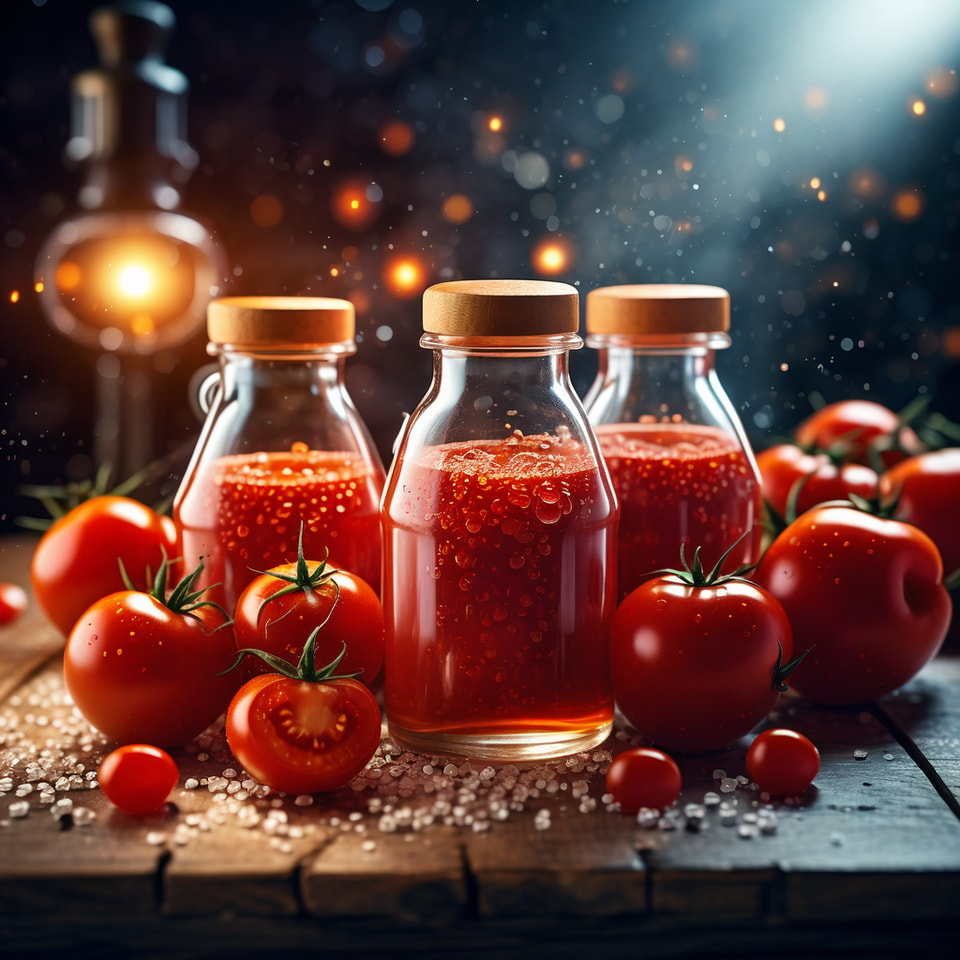
Complete Tomato concentrate Production Processing Line
A tomato concentrate line is a series of specialized machines and processes designed to transform raw tomatoes into a concentrated form, such as tomato paste or puree. Here's an overview of the main components in a typical tomato concentrate production line:
1. Receiving and Sorting Area:•Raw tomatoes are delivered to the plant and unloaded onto conveyors.•A sorting process takes place to remove foreign materials, overripe, underripe, or damaged tomatoes.
2. Cleaning and Washing:•Tomatoes pass through a cleaning stage where they are washed with water to remove dirt, leaves, and other debris.•Some plants may use brushes or air jets for more thorough cleaning.
3. Pre-Processing (Optional):•Depending on the processing method, tomatoes might be blanched to facilitate peeling or passed through a pulper to break down the fruit.
4. Peeling:•After washing, the tomatoes are typically steam-peeled to remove the skin without losing too much pulp.
5. Pulping:•The peeled tomatoes are then processed through a pulper which crushes and separates the juice from the seeds and skins.
6. Sieving:•The resulting mixture is sieved to separate any remaining seeds and larger particles from the tomato pulp.
7. Evaporation:•The tomato juice/pulp enters an evaporator where it is heated under vacuum conditions to reduce its water content. This concentrates the solids (soluble solids content) to achieve the desired Brix level for the final product (e.g., 28-30°Brix for tomato paste).
8. Sterilization/Pasteurization:•The concentrated tomato product is heat-treated to kill any bacteria and extend shelf life. This can be done via indirect heating methods like tubular sterilizers or by direct steam injection.
9. Storage Tanks:•Once sterilized, the concentrate is stored in temperature-controlled tanks before further processing or packaging.
10. Filling and Packaging:•The concentrate is transferred to filling machines that can handle different types of packaging, such as cans, pouches, or drums.•Automatic lines include sealing, labeling, coding, and cartoning systems.
11. Quality Control:•Throughout the process, there are various quality control checkpoints to ensure the product meets standards for color, consistency, pH, Brix, and microbiological safety.
12. Waste Management:•Waste generated during the process, such as tomato skins and seeds, can be managed through drying and composting or utilized for animal feed or biogas production, depending on local regulations and facility capabilities.
Each step must comply with food safety regulations and good manufacturing practices to ensure a high-quality and safe end-product. The efficiency and effectiveness of each component in the tomato concentrate line play a significant role in determining the overall productivity and profitability of the operation.
Here's a comprehensive list of equipment typically found in a tomato concentrate production line:
1. Receiving and Unloading Equipment:•Truck dumpers or forklifts•Conveyors for transporting tomatoes from the unloading area
2. Sorting and Cleaning Equipment:•Grading tables for manual sorting•Optical sorters (optional) for automated sorting•Tomato washing machines with water sprayers, brushes, or air blowers•Water tanks and filtration systems for cleaning water recirculation
3. Peeling Equipment:•Steam peeling machines to remove tomato skins using hot water vapor
4. Pre-Processing Equipment (Optional):•Hot break system: steam kettles for pre-cooking tomatoes before pulping•Cold break system: pulpers that crush tomatoes without prior heating
5. Pulping Machines:•Rotary or hammer mills for crushing tomatoes into pulp and juice•De-stemmers to separate stems from fruits•Seed separators to extract seeds from the pulp
6. Sieving and Filtration Equipment:•Vibrating sieves or rotary screens to filter out seeds and skin remnants•Centrifugal filters to further refine the product
7. Evaporation Systems:•Falling film evaporators or rising film evaporators to reduce water content and increase solids concentration•Vacuum pumps and vacuum receivers for efficient evaporation under low pressure•Condensers to recover and reuse evaporated water
8. Sterilization/Pasteurization Equipment:•Tubular sterilizers or plate heat exchangers for indirect heating•Direct injection pasteurizers for high-temperature short-time (HTST) treatment•Cooling tunnels or chillers to quickly cool down the product after heat treatment
9. Storage Tanks:•Stainless steel holding tanks with agitators for storing concentrated tomato paste/puree at controlled temperatures
10. Filling and Packaging Equipment:•Filling machines for cans, pouches, bottles, or drums•Sealing machines (for cans or pouches)•Labeling machines•Cartoning machines or case packers•Capping machines (for bottles)
11. Quality Control Equipment:•pH meters and refractometers for measuring acidity and Brix levels•Metal detectors and X-ray machines for foreign object detection•Sample preparation equipment for lab analysis
12. Utilities and Support Systems:•Boiler for producing steam•Compressed air systems for operating pneumatic components•CIP (Clean-in-Place) systems for automatic cleaning and sanitation of processing equipment•Waste handling equipment for skins, seeds, and other byproductsEach facility may customize their line based on capacity requirements, available technologies, and desired end-products.
Regular maintenance and calibration of these machines are crucial for ensuring optimal performance and food safety.
The installation and debugging of a tomato concentrate line involve several complex steps to ensure efficient operation, product quality, and compliance with food safety standards. Here's an outline of the process:Installation Process
1. Site Preparation:•Clear the area and create a stable foundation for equipment.•Ensure electrical, water, steam, and compressed air utilities are available and properly installed at each machine's location.•Set up drainage systems for wastewater.
2. Equipment Unloading and Assembly:•Carefully unload all components and machinery according to manufacturer instructions.•Assemble conveyors, sorting machines, peeling units, pulping systems, evaporators, sterilizers, storage tanks, and packaging equipment.
3. Mechanical Integration:•Connect conveyor belts between processing stages.•Install piping and fittings for water, juice flow, and cleaning solutions.•Align and secure all rotating parts, including motors, gears, and pumps.
4. Electrical Connections:•Wire all electrical components such as motors, control panels, PLCs, and sensors.•Ensure power distribution meets safety regulations and is suitable for the equipment load.
5. Automation Setup:•Program PLCs (Programmable Logic Controllers) and SCADA systems to control the production line.•Configure HMI interfaces for operator control and monitoring.
6. Pneumatic and Hydraulic Systems:•Install and connect pneumatic actuators, valves, and cylinders.•Test hydraulic systems where applicable, e.g., in peelers or pressurized cleaning systems.
7. Quality Control Equipment Calibration:•Calibrate pH meters, Brix refractometers, and other testing devices.•Verify that metal detectors, X-ray machines, and other inspection tools are functioning correctly.
8. CIP (Clean-in-Place) System Installation:•Mount spray balls, nozzles, and other cleaning elements within tanks and pipes.•Integrate chemical dosing systems and controls for automated cleaning cycles.
9. Safety Features:•Install emergency stop buttons, safety barriers, and interlocks.•Check fire suppression and ventilation systems.
Debugging and Commissioning
1. Dry Run Testing:•Conduct individual tests on each piece of equipment without any products to verify mechanical and electrical operations.•Check all moving parts, seals, and connections for leaks, wear, and tear.
2. System Integration Testing:•Perform integrated tests to confirm the smooth transition from one process stage to another.•Evaluate automation sequences and interlocking mechanisms.
3. Process Validation:•Conduct test runs using tomatoes to fine-tune parameters such as temperature, pressure, and speed.•Monitor quality indicators like Brix levels, viscosity, color, and taste.
4. Cleaning and Sanitation Verification:•Validate CIP systems by running full cleaning cycles and swabbing surfaces to check cleanliness.•Adjust cleaning protocols if necessary.
5. Performance Optimization:•Optimize throughput rates, energy consumption, and waste reduction.•Address any bottlenecks or inefficiencies identified during testing.
6. Documentation and Training:•Document the entire installation process and all changes made during debugging.•Train operators and maintenance staff on the proper use, cleaning, and troubleshooting of the equipment.
7. Regulatory Compliance:•Ensure all aspects of the installation meet local and international food safety and hygiene standards.•Obtain necessary certifications and approvals before commencing full-scale production.
After thorough installation and rigorous debugging, the tomato concentrate line should be ready for ongoing production. Continuous monitoring, regular maintenance, and periodic performance evaluations will help maintain high-quality output and optimal efficiency.
The tomato concentrate line can benefit from various information technology (IT) applications to improve efficiency, quality control, and overall plant management. Here are some IT solutions commonly implemented in a modern tomato concentrate production facility:
1. Process Automation and Control Systems:•PLCs (Programmable Logic Controllers) for controlling individual machines and processes.•SCADA (Supervisory Control and Data Acquisition) systems for monitoring and controlling the entire production line from a central location.•HMI (Human Machine Interfaces) that allow operators to interact with the equipment and view real-time process data.
2. ERP (Enterprise Resource Planning) Software:•ERP systems manage all business processes, including supply chain management, inventory control, procurement, production planning, and financial reporting.•Integration with the production line allows for accurate forecasting of raw material requirements and efficient scheduling based on demand.
3. MES (Manufacturing Execution System):•MES software provides real-time data about production activities, helping managers make informed decisions to optimize performance and quality.•It captures key metrics such as yield, throughput, and downtime, facilitating continuous improvement initiatives.
4. Quality Management Systems:•LIMS (Laboratory Information Management Systems) to track sample testing, analyze results, and ensure compliance with food safety standards (e.g., pH, Brix, color, and taste).•Real-time quality control using inline sensors and smart devices to monitor parameters like temperature, pressure, and viscosity.
5. Internet of Things (IoT) and Industrial IoT (IIoT):•Sensors and connected devices provide continuous data streams on machine health, product quality, and environmental conditions.•Predictive maintenance algorithms can detect potential equipment failures before they occur, reducing downtime.
6. Artificial Intelligence (AI) and Machine Learning (ML):•AI and ML can be used to analyze large amounts of production data, identifying patterns and trends that help optimize processes and minimize waste.•They can also enhance quality control by improving sorting accuracy or predicting shelf life based on processing conditions.
7. Barcode/RFID Technology:•For tracking materials and finished products throughout the supply chain, ensuring traceability and compliance with regulatory requirements.
8. Cloud Computing and Data Analytics:•Storing and analyzing data in the cloud allows for remote access to critical information and facilitates collaboration among different departments.•Advanced analytics can uncover hidden insights into production efficiency and cost optimization.
9. Mobile Applications and Digital Work Instructions:•Operators can use tablets or smartphones to access work instructions, report issues, or adjust process parameters on the go.
By leveraging these IT solutions, tomato concentrate plants can achieve higher levels of automation, precision, and responsiveness, ultimately contributing to better product quality, increased productivity, and reduced operational costs.
Shanghai Beyond Machinery Co., Ltd
Beyond Machinery specializes in the design and manufacturing of tomato concentrate line. Please contact us now, and our professional technical engineers will customize the equipment plan for tomato concentrate line and provide a quotation. Please contact us now to obtain the latest equipment plan and quotation.
2/22, 2024

Bone peptide processing line
A bone peptide processing line is a series of interconnected industrial processes and equipment designed to extract and refine bioactive peptides from animal bones, typically for use in pharmaceuticals, nutraceuticals, or functional foods. Here's an overview of the main steps involved:
1. Raw Material Reception and Preparation:•Bones are sourced from slaughterhouses and undergo thorough cleaning to remove fat, meat, and other impurities.•They may be ground into smaller pieces using specialized bone crushing machines.
2. Acid or Alkali Treatment:•The bone particles are treated with hydrochloric acid or sodium hydroxide to demineralize the bone matrix, which releases collagen and peptides.
3. Enzymatic Hydrolysis:•The demineralized bone material is then subjected to enzymatic hydrolysis, often using proteolytic enzymes like pepsin or trypsin, to break down the proteins into peptides of varying lengths.
4. Neutralization and Filtration:•After hydrolysis, the mixture is neutralized to adjust pH and then filtered through various stages (e.g., centrifugation, microfiltration, ultrafiltration) to separate peptides from larger molecules and impurities.
5. Peptide Extraction and Concentration:•Further purification may involve solvent extraction or evaporation under vacuum to concentrate the peptide solution.
6. Ion Exchange Chromatography or Membrane Separation:•To obtain specific peptides with desired properties, advanced separation techniques such as ion exchange chromatography or membrane filtration are used.
7. Drying and Granulation:•The purified peptides are dried, often using spray drying technology, to form a powder that can be easily handled and formulated into different products. This powder might also go through granulation if required.
8. Quality Control and Testing:•Throughout the process, samples are collected and analyzed to ensure purity, composition, and activity of the extracted peptides.
9. Packaging and Storage:•Once the bone peptides meet quality standards, they are packaged in suitable containers, sealed, and stored under controlled conditions until ready for use or distribution.
10. Sterilization and Sanitation:•All equipment is designed to operate under hygienic conditions and many incorporate CIP (Clean-in-Place) systems for efficient cleaning and sterilization between batches.The entire bone peptide processing line requires precise control over temperature, pH, and pressure to optimize yield and ensure product safety and efficacy.
Additionally, compliance with food and pharmaceutical manufacturing regulations is crucial at every stage.
A bone peptide processing line is a sophisticated manufacturing system that extracts and refines bioactive peptides from animal bones, converting them into value-added products for use in various industries such as pharmaceuticals, nutraceuticals, cosmeceuticals, and functional foods. The technology behind this process involves several interconnected steps:
1. Raw Material Preparation:•Bones are cleaned, sanitized, and then ground or pulverized to expose the inner collagen matrix.
2. Decalcification/Defatting:•Acid or alkali treatment (such as hydrochloric acid or sodium hydroxide) is used to remove calcium and other minerals from the bone, followed by defatting using solvents or heat processes to separate fats and lipids.
3. Enzymatic Hydrolysis:•Demineralized bone material undergoes enzymatic digestion using proteolytic enzymes like pepsin, trypsin, or alkaline protease. These enzymes cleave the protein chains into smaller peptides with specific molecular weights.
4. Ultrafiltration and Membrane Separation:•After hydrolysis, the mixture is filtered through membranes of different pore sizes to isolate peptides based on their molecular weight. This can involve ultrafiltration, microfiltration, and nanofiltration techniques.
5. Ion Exchange Chromatography:•Further purification may include ion exchange chromatography, which separates peptides based on their charge properties.
6. Reverse Osmosis or Nanofiltration:•To remove any remaining impurities, reverse osmosis or nanofiltration systems might be employed.
7. Peptide Concentration and Drying:•The purified peptides are concentrated and dried, often via rotary vacuum evaporation or spray drying, to obtain a powdered form.
8. Quality Control and Analysis:•Throughout the entire process, quality control measures are implemented, including testing for peptide purity, amino acid composition, molecular weight distribution, and biological activity.
9. Sterilization and Sanitation:•Equipment is designed with CIP (Clean-in-Place) and SIP (Sterilize-in-Place) capabilities to maintain high levels of hygiene and prevent contamination.
10. Packaging and Storage:•Once processed, the bone peptides are packaged under sterile conditions, typically in hermetically sealed containers, and stored under controlled temperature and humidity to preserve their integrity.The technology in bone peptide processing lines emphasizes precision, efficiency, and safety, integrating advanced automation, data monitoring, and real-time analysis tools to optimize yields and ensure product consistency.
Additionally, compliance with GMP (Good Manufacturing Practice) standards is paramount throughout the entire production chain.
A bone peptide processing line requires a series of specialized equipment and machinery to efficiently extract, purify, and refine bioactive peptides from animal bones. Here's an overview of some essential equipment used in the process:
1. Bone Crushing Machine: To begin with, raw bones are crushed into smaller pieces using a bone crusher or grinder.
2. Cleaning and De-Fatting System: The crushed bones go through a cleaning and de-fatting stage where they are washed and treated to remove fats, impurities, and adhering meat.
3. Demineralization Equipment: This could include acid tanks for hydrolysis with acids like HCl to dissolve minerals, followed by neutralization with alkaline solutions.
4. Enzymatic Hydrolysis Reactor: A controlled enzymatic digestion process takes place here, using proteolytic enzymes such as pepsin, trypsin, or alcalase to break down proteins into peptides.
5. Filtration Systems:•Centrifuges separate larger particles from the liquid phase.•Microfiltration Units remove insoluble particulates and large molecules.•Ultrafiltration/Nanofiltration Membrane Systems fractionate peptides based on molecular weight.
6. Ion Exchange Columns: For further purification, the filtrate may pass through ion exchange columns to isolate specific peptides based on their charge properties.
7. Evaporation Systems: Concentration of the peptide solution can be achieved using rotary evaporators or falling film evaporators.
8. Dryers: Drying of the concentrated peptides is typically done using spray dryers or freeze-drying (lyophilization) equipment to produce a powdered form.
9. Sterilization/Cleaning-in-Place (CIP) Systems: All equipment must be designed for easy cleaning and sterilization to prevent contamination and ensure hygiene. CIP systems automate this process.
10. Quality Control Devices: Analytical instruments such as spectrophotometers, chromatography equipment (e.g., HPLC), and amino acid analyzers are used to test the purity, composition, and activity of the extracted peptides.
11. Packaging Machines: Once the peptides meet quality standards, they are packaged in appropriate containers using automatic filling and sealing machines.
The entire production line should be managed by a sophisticated control system that integrates all these processes and maintains strict control over parameters such as temperature, pH, pressure, and flow rates to ensure consistent product quality and yield.
The installation and debugging of equipment for bone peptide processing lines is a systematic and rigorous process, usually including the following key steps:
1. Equipment in place and infrastructure construction: After confirming the accuracy of the equipment list, all equipment will be transported to the designated location according to the predetermined plan The basic base of the equipment needs to be pre designed and constructed to ensure that it can be stable and level during installation.
2. Equipment assembly: • Assemble the equipment according to the drawings and technical guidance provided by the equipment manufacturer, including but not limited to crushers, cleaning equipment, enzymatic reactors, separation and filtration equipment, concentration and drying equipment, etc During the assembly process, pay attention to the sealing of the connections between various components and the accuracy of the transmission system.
3. Pipeline layout and connection: According to the process flow design, layout and connect material conveying pipelines, cooling water pipelines, steam pipelines, etc. to ensure smooth fluid transmission and no risk of leakage.
4. Electrical and automation system installation: • Install electrical automation components such as control panels, sensors, drive devices, and PLCs (programmable logic controllers), and lay and connect wires and cables Configure SCADA or DCS systems to achieve centralized monitoring and automatic control of the production line.
5. Single machine trial operation of equipment: • Complete independent testing and operation of each equipment, check whether all performance indicators meet the design requirements, such as crushing effect, mixing speed, temperature control accuracy, etc.
6. Linkage debugging and optimization: • Conduct linkage debugging of the entire production line, check the coordination between various equipment and the coherence of the overall process flow Adjust equipment parameters and optimize process flow through actual operational data to achieve optimal production efficiency and product quality.
7. Cleaning, disinfection and verification: Thoroughly clean and disinfect the entire production line, and verify the CIP (online cleaning) and SIP (online sterilization) systems to ensure compliance with food safety and hygiene standards.
8. Performance acceptance and personnel training: After completing all debugging, invite relevant professional institutions to conduct performance acceptance to confirm that the equipment meets the design and usage requirements Organize operators to receive training on equipment operation, maintenance, and emergency response to ensure their ability to correctly use and manage bone peptide processing lines.
In summary, the installation and debugging of equipment on the bone peptide processing line is a work involving multiple professional techniques, which requires strict adherence to safety regulations and quality management systems to ensure efficient and stable operation of the production line and the production of high-quality products.
The final product of the bone peptide processing line is bone peptide powder or bone peptide extract, which is a protein hydrolysis product with biological activity and nutritional value. Bone peptide is a functional food additive or pharmaceutical raw material extracted from animal bones through modern biotechnology.
Specifically, after a series of processes such as fragmentation, defatting, acid hydrolysis (or enzymatic hydrolysis), separation and purification, concentration and drying, the collagen and non collagen parts extracted from bones are decomposed into bone peptides in the form of polypeptide chains. These bone peptides contain various amino acid components, especially amino acids that are beneficial to the human body such as glycine, proline, and hydroxyproline. They can be widely used in the following fields:
1. Nutritional supplements: As a dietary supplement, bone peptides can provide the amino acids needed by the human body, promote bone health, and enhance immunity.
2. Pharmaceutical preparations: In the field of medicine, bone peptides can be used to manufacture drugs and have a certain auxiliary effect on the treatment of diseases such as fracture healing, osteoporosis, and arthritis. 3. Functional foods: added to dairy products, beverages, baked goods, candies, and other foods to enhance the nutritional value and health benefits of the products.
In summary, the final product produced by the bone peptide processing line is a functional ingredient that has a positive impact on human health, and its application prospects are broad.
Shanghai Beyond Machinery Co., Ltd
Beyond Machinery specializes in the design and manufacturing of Bone peptide processing line. Please contact us now, and our professional technical engineers will customize the equipment plan for Bone peptide processing line and provide a quotation. Please contact us now to obtain the latest equipment plan and quotation.
2/19, 2024

Oat milk processing line
The final product of the oat milk processing line is a plant-based beverage - Oat Milk - that has been processed through a series of technological processes. Oat milk is a non-dairy beverage made primarily from oats through soaking, grinding, enzymatic hydrolysis, filtration, homogenization, sterilization, and packaging. Its taste is similar to milk, but it does not contain lactose and milk protein, making it suitable for lactose intolerant and vegetarians to drink. Oat milk is rich in dietary fiber, protein, trace elements, and beneficial for heart health β- Glucan, commonly used as a substitute for milk in coffee preparation, cooking, baking, or direct consumption. Under different brands and formulas, oat milk may also contain other ingredients such as vitamins, minerals, stabilizers, sweeteners, etc. to adjust flavor and nutritional value.
Oat milk processing line is a production line used to convert oats into oat milk, which usually includes the following main steps and equipment:
1. Raw material reception and storage: Raw oats need to undergo quality inspection before entering the processing line and be stored in a dry and well ventilated warehouse.
2. Pre treatment: • Cleaning machine: Remove impurities and dust from the surface of oats. • Grinding machine: Grind oats into small particles for subsequent soaking and extraction of soluble components from oats.
3. Soaking and stirring: • Soaking tank: Soak the ground oat particles in water for a period of time, activate and release the starch and protein inside Mixing equipment: Continuously stir during the soaking process to accelerate the dissolution process.
4. Enzymatic hydrolysis or heat treatment: To improve the extraction rate of nutrients, appropriate enzymes can be added for enzymatic hydrolysis to help break down the cell wall structure of oats Alternatively, heat treatment methods such as steaming can be used to soften oats, making the nutrients inside more easily soluble in water.
5. Filtering and Separation: • Filtering System: Through multi-stage filters, the liquid portion is separated as oat milk, while the solid residue is recycled as a by-product It may also include equipment such as centrifuges for further separation and clarification of oat milk.
6. Homogenization and Standardization: • Homogenizer: High pressure homogenization treatment is applied to oat milk to fully disperse particles such as fat and lactose, ensuring a smooth and stable taste Standardization: Adjust the concentration and fat content of oat milk as needed to ensure consistency in product quality.
7. Sterilization and cooling: • Sterilization equipment (such as UHT sterilizer): High temperature instantaneous sterilization of oat milk to meet commercial sterile standards and extend shelf life Cooling system: Quickly cool to the appropriate filling temperature to avoid excessive heating affecting quality.
8. Filling and packaging: • Automatic filling machine: Accurately and accurately pour oat milk into various containers (bottles, boxes, bags, etc.) Packaging assembly line: a series of automated operations such as sealing, labeling, coding, and packaging.
9. Quality control: • Laboratory testing equipment: Regular sampling is conducted to comprehensively test the nutritional components, microbial indicators, sensory characteristics, etc. of oat milk, ensuring food safety and quality standards.
Each step may involve corresponding information management systems and technologies to monitor the production process in real-time, optimize process parameters, ensure product quality, and reduce energy consumption and costs.
The advanced technologies adopted in the oat milk processing line include but are not limited to the following aspects:
1. Precision grinding technology: Use high-precision grinding equipment to grind oats into small particles suitable for enzymatic hydrolysis and soaking, in order to improve raw material utilization and nutrient extraction efficiency.
2. Intelligent enzymatic hydrolysis process: By adding appropriate enzyme preparations, it accelerates the decomposition of large molecules such as starch and protein in oats into soluble components. Modern technology can accurately control the time, temperature, and pH value of the enzymatic hydrolysis process, ensuring the best enzymatic hydrolysis effect.
3. Efficient extraction system: Using high-pressure pulse or ultrasonic assisted extraction technology, the water-soluble components in oats are fully released in a short time and under mild conditions.
4. Automation control system: Using PLC (programmable logic controller) or SCADA (data acquisition and monitoring system) to achieve full automation control of the production line, including real-time monitoring and adjustment of parameters such as material conveying, mixing speed, temperature control, and filtration pressure.
5. Precision filtration and separation technology: Advanced membrane separation technologies such as microfiltration and ultrafiltration are used to finely filter oat milk, removing insoluble fibers and other impurities, ensuring a smooth and delicate taste of oat milk.
6. UHT instantaneous sterilization technology: By using Ultra High Temperature (UHT) to kill microorganisms in the product, while preserving the nutritional value and natural flavor of the product as much as possible, the shelf life of the product is extended.
7. Online quality inspection system: integrating multiple sensors and analytical instruments, real-time online detection of oat milk concentration, fat content, protein content, microbial indicators, etc., ensuring stable product quality.
8. Environmental and energy-saving design: Optimize the energy consumption of the entire production process, such as using a heat recovery system to reduce energy consumption, using low-energy refrigeration technology to reduce the energy cost of the cooling process, and focusing on water resource recycling.
9. Intelligent packaging technology: including a series of automated operations such as aseptic filling, automatic weighing, labeling, coding, sealing, and robot packaging, ensuring the safety, hygiene, and compliance with regulatory requirements of product packaging.
These advanced technologies and equipment not only improve the efficiency and product quality of oat milk production, but also greatly reduce resource waste and environmental pollution, in line with the trend of sustainable development in modern food industry.
The operation and maintenance of equipment in oat milk processing lines are crucial to ensuring efficient operation and product quality of the production line. The following are the operating points and maintenance precautions for the equipment required in each major link:
1. Raw material receiving and storage equipment: • Operation: Preliminary screening of incoming oats, removal of impurities, and timely storage of qualified raw materials in a dry and well ventilated warehouse Maintenance: Regularly inspect the sealing, moisture-proof measures, and temperature and humidity monitoring system of storage facilities to ensure that raw materials are not affected by the external environment.
2. Pre processing equipment (cleaning machine, grinding machine): • Operation: Set the appropriate speed and working time according to the equipment manual to clean and grind oats, ensuring that the particle size meets the subsequent process requirements. • Maintenance: Clean the internal residues of the equipment after each use to prevent rusting or cross contamination; Regularly inspect and replace the grinding components for wear.
3. Soaking and stirring tank: • Operation: Control the water temperature and soaking time, maintain an appropriate stirring speed, and promote the full dissolution of oat ingredients. • Maintenance: Regularly check the working status of the mixer, clean the inside of the tank to prevent scaling and bacterial growth.
4. Extraction filtration system: • Operation: Set the filtration pressure and flow rate correctly, regularly replace the filter bag or clean the filter element to ensure that the oat milk liquid is clear and free of residue Maintenance: Regularly check for leaks at pipeline connections and maintain the lubrication and cooling system of the centrifugal separator.
5. Homogenizer and Standardized Equipment: • Operation: Adjust homogenization pressure and temperature according to product specifications, and precisely control parameters such as oat milk concentration and fat content through standardized equipment Maintenance: Regularly inspect the working performance of homogeneous valve components, clean and maintain relevant instruments and valves of standardized equipment.
6. Sterilization equipment (such as UHT sterilization machine): • Operation: Strictly follow the operating procedures to carry out the sterilization process and avoid overheating causing a decrease in product quality Maintenance: Regularly clean and descale the heating pipeline, test and calibrate the accuracy of the temperature sensor.
7. Filling and sealing packaging line: • Operation: Set a reasonable filling amount and speed to ensure tight sealing and clear and accurate labeling Maintenance: Regularly clean the filling head, check the wear of the sealing machine's cutting tools, replace vulnerable parts, and maintain the good operation of the packaging machinery.
8. Other auxiliary equipment and public works: including refrigeration equipment, delivery pumps, CIP cleaning systems, etc., which need to be operated according to the manufacturer's manual and a detailed maintenance plan should be developed, and preventive maintenance and upkeep should be carried out regularly.
In short, the equipment operators of the oat milk processing line should have professional technical knowledge, strictly abide by safety operating procedures, and at the same time, the enterprise should establish a sound equipment maintenance system, regularly carry out inspections, maintenance, and repairs to extend the service life of the equipment, ensure production efficiency and product quality.
Shanghai Beyond Machinery Co., Ltd
Beyond Machinery specializes in the design and manufacturing of Oat milk processing plant. Please contact us now, and our professional technical engineers will customize the equipment plan for Oat milk processing line and provide a quotation. Please contact us now to obtain the latest equipment plan and quotation.
2/18, 2024
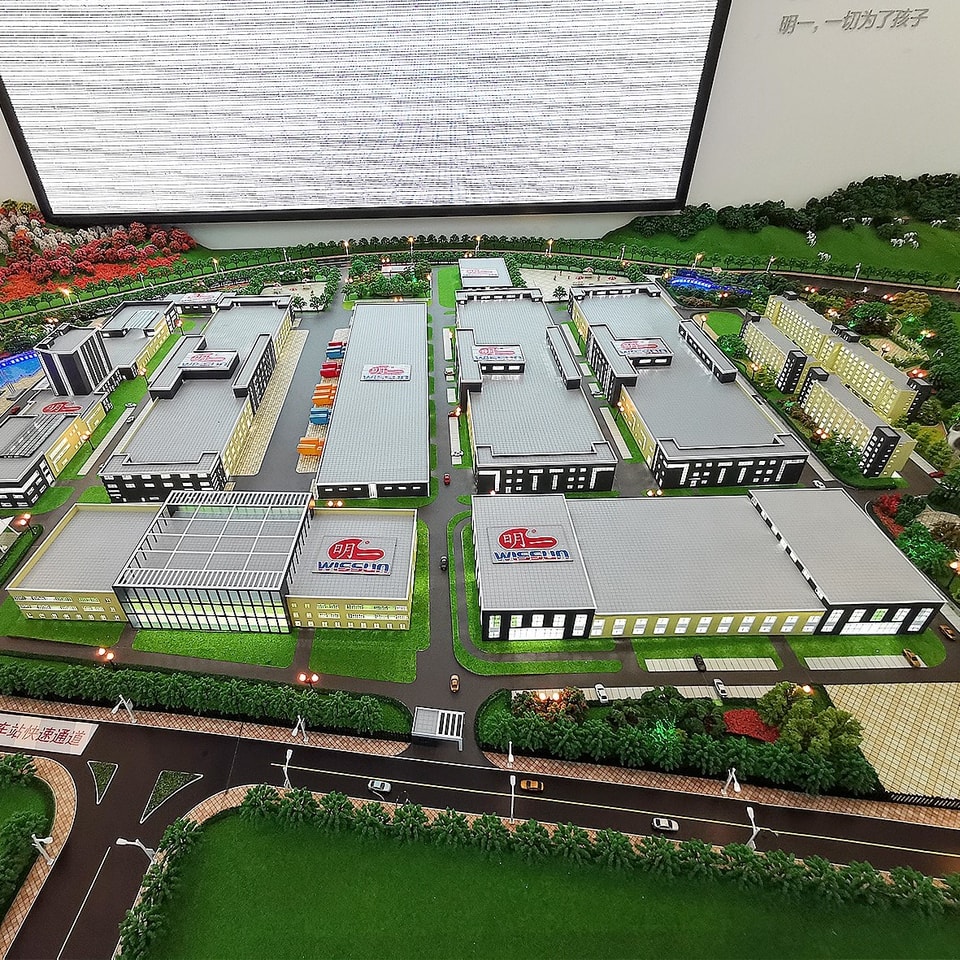
The Construction and Market Outlook of African Milk Factories
The construction of milk factories in Africa involves multiple key links, which require comprehensive consideration of local resources, market demand, technological feasibility, infrastructure conditions, and economic sustainability. The following are some key points that may need to be considered when building African milk factories:
1. Market research and planning: • Determine target market: Evaluate the local and surrounding milk demand, consumption habits, market competition, and future growth potential Develop product strategy: Determine the type of product to be produced (such as fresh milk, yogurt, milk powder or cheese, etc.) and adapt to the taste and price acceptance of local consumers.
2. Raw material supply: • Establish a stable milk supply chain: Collaborate with local farmers to establish dairy cooperatives or direct procurement systems to ensure sufficient supply of high-quality fresh milk Enhance local dairy farming industry: provide technical support and training to improve the feeding management level and milk production of dairy farmers.
3. Site selection and facility design: • Choose a suitable factory site: Priority should be given to locations close to ranches, with convenient transportation, sufficient water sources, and in compliance with environmental requirements Facility construction: including raw material receiving area, pre-treatment workshop, sterilization processing area, fermentation room, filling line, packaging area, refrigerated warehouse, laboratory and office area, etc.
4. Equipment introduction and installation: • Select production equipment suitable for African environmental characteristics based on production capacity and budget, such as high-temperature resistant, corrosion-resistant, and energy-saving and efficient equipment Install automated control systems to improve production efficiency and product quality, and reduce human error.
5. Technical and management support: • Introduce advanced dairy processing techniques and technologies from both domestic and international sources, while also carrying out necessary localization renovations Train local employees, establish an effective quality control system and food safety management system.
6. Energy and logistics: • Considering the issue of unstable power supply, it may be necessary to equip backup generators or adopt renewable energy solutions such as solar energy Establish a cold chain logistics system to ensure the full low-temperature transportation of finished products from the production line to the market.
7. Policy and regulatory compliance: • Comply with local government laws and regulations on food processing, environmental protection, hygiene permits, etc If possible, apply for government subsidies, tax incentives and other policy support to reduce investment risks and costs.
8. Social Responsibility and Community Relations: • Emphasize corporate social responsibility, create employment opportunities for the local area, promote economic development, and also pay attention to the impact on the environment, striving to achieve green and sustainable development as much as possible Strengthen communication and cooperation with the community, improve the quality of life of farmers through education and technical assistance, and jointly build long-term cooperative relationships.
In summary, building a milk factory in Africa is a systematic project that requires a comprehensive analysis of the local situation and the combination of international advanced experience to ensure the successful implementation of the project and achieve good economic and social benefits.
The scale of milk processing lines can be designed according to different production needs and capacity, ranging from small to large. The following are some characteristics of milk processing production lines of different scales:
1. Small milk processing line:
Suitable for family farms, small cooperatives, or rural areas.
The equipment is compact and the investment cost is relatively low.
The daily processing capacity may range from tens to hundreds of liters, suitable for local market supply and preliminary product deep processing, such as making pasteurized milk or handmade yogurt.
2. Medium size milk processing line:
Can handle thousands or even tens of thousands of liters of milk raw materials.
Equipped with more comprehensive pre-treatment, sterilization, fermentation, filling, and packaging equipment.
It can meet regional market demands and has a wider variety of products, including but not limited to pure milk, seasoned dairy products, yogurt, cream, etc.
3. Large milk processing line:
Like large-scale milk processing plants, the output value can reach tens of billions of yuan or more.
The equipment has a high degree of automation and advanced sterilization technology (such as the fully automatic milk production line using electric heating and equipped with a pasteurization cycle sterilization system).
With strong processing capabilities, the daily processing of raw milk can reach tens of thousands or even hundreds of thousands of tons, which can meet the supply needs of the national and even global markets.
Some large-scale milk processing industries have reached a scale of over 100 billion yuan, indicating that they must contain a large number of large-scale and modern milk processing production lines. These production lines not only have high output, but also have efficient automation control, strict quality monitoring, and a strong logistics distribution system.
The investment in the milk processing line mainly includes the following aspects:
1. Equipment investment: This is the largest expenditure, covering a series of required equipment from receiving raw milk, pretreatment (filtration, standardization, sterilization, etc.), cooling, fermentation (for yogurt products), filling, packaging to finished product refrigeration and quality testing. The cost of equipment required for production lines of different scales varies greatly, ranging from tens of thousands of yuan for small ones to tens of millions or even billions of yuan for large factories.
2. Factory construction and renovation: including purchasing or leasing land, constructing or renovating workshops that meet food production standards, as well as supporting infrastructure such as electricity, water treatment, and steam supply systems.
3. Raw material procurement: The main raw material used for production is fresh milk, which requires a continuous and stable supply channel, and takes into account the price fluctuations of milk.
4. Human resources: including salaries and training expenses for management personnel, technical personnel, and operators.
5. Energy consumption: The consumption of electricity, thermal energy, cold energy, etc. during the production process.
6. Operating costs: expenses related to daily maintenance, equipment depreciation, taxes, quality control and certification, marketing, and logistics distribution.
In terms of output:
1. Product output: Based on the design capacity of the production line, the daily, weekly, or monthly production capacity of milk or dairy products can be calculated, such as pasteurized milk, UHT milk, yogurt, or other dairy products that can be processed into tons per day.
2. Sales revenue: Calculated based on the sales price and quantity of products, different product types and market positioning will affect the final revenue level.
3. Profit return: The net profit obtained by deducting all production costs. This involves the impact of factors such as overall supply chain management efficiency, product quality control, and market strategy on profitability.
For example, in the accounting school, when using the input-output method for accounting, when purchasing finished products for resale or purchasing fresh milk for processing and sales, the input that the enterprise can deduct is calculated based on the actual tonnage of the sold products. This means that the input cost of the enterprise can be converted into higher output income through reasonable tax planning and efficient operation.
The equipment configuration of African milk factories should be customized based on the factory's scale, target product types, technical requirements, and local environmental conditions. The following is a list of basic and advanced equipment that may be required to establish an African milk factory:
1. Raw material receiving and pretreatment equipment: • Raw milk receiving tank: used to store fresh milk received from ranches or suppliers Filtering equipment: used to remove impurities from milk, such as grass shavings, cow hair, etc Milk fat separator: used to standardize the fat content in milk Cooling system: Quickly cool the raw milk to a suitable temperature to inhibit bacterial growth and prepare for further processing.
2. Sterilization and processing equipment: • Pasteurization machine: Moderately heat and sterilize milk through pasteurization method UHT sterilization machine (if necessary): adopts ultra-high temperature instantaneous sterilization technology to achieve aseptic state of the product and extend its shelf life Fermentation tank: used for the production of yogurt and other fermented dairy products.
3. Filling and packaging equipment: • Automatic filling machine: can adapt to liquid filling of different container types, such as bottled, bagged, cupped, etc Sealing machine: Heat or cold seal container openings to ensure product sealing Packaging line: including automatic packaging machines, labeling machines, inkjet printers, etc., to complete the external packaging work of products.
4. Refrigeration and storage equipment: • Refrigeration warehouse: stores unprocessed raw milk and processed but unpackaged products, maintaining low temperature to ensure product quality Freezer (if there is a need for frozen products): used for rapid freezing and long-term preservation of dairy products.
5. CIP cleaning system: • Online cleaning system, used to regularly clean all parts of the production line that come into contact with food, ensuring food safety and hygiene standards.
6. Laboratory equipment: • Quality control laboratory: equipped with testing instruments such as dairy analyzers, microbial incubators, pH meters, freezing point meters, etc., to conduct quality testing on raw materials and finished products.
7. Energy supply and environmental protection facilities: • Backup generators: Due to unstable power supply in some areas, a backup power supply system may be required Wastewater treatment facilities: treat wastewater generated during the production process to ensure compliance with environmental regulations.
8. Automation control system: • PLC or SCADA system: Realize automation control and data recording of production processes, improve efficiency and accuracy.
The market prospects of African milk factories largely depend on the following key factors:
1. Population growth and consumption trends: Africa has a huge young and rapidly growing population, which provides a huge potential market for dairy consumption. With the acceleration of urbanization, the expansion of the middle class, and the increasing awareness of nutrition and health among consumers, the demand for milk and other dairy products is increasing.
2. Local production and import substitution: Many African countries currently rely on imported dairy products to meet market demand. Building local milk factories can help reduce dependence on external markets, lower costs, and provide products that better suit local tastes.
3. Policy support and investment environment: The government's support for agriculture and food processing industry is also an important factor affecting the development prospects of milk factories. For example, some African countries encourage the development of the dairy industry through subsidies, tax incentives, infrastructure construction, and technical support.
4. Supply chain integration and development: Establishing an efficient milk supply chain is the key to ensuring the success of factory operations. Including the construction and management of milk source bases, improvement of cold chain transportation networks, and expansion of terminal sales networks.
5. Food safety and quality control: With the improvement of food safety standards and consumer requirements for product quality, milk factories that can implement strict quality management systems and obtain relevant certifications will become more competitive.
6. Technology application and efficiency improvement: The adoption of advanced processing technology and information management systems can significantly improve the production efficiency and product quality of African milk factories, thereby enhancing their market competitiveness.
In summary, although Africa faces challenges such as outdated infrastructure, unstable power supply, and an incomplete cold chain system, given its huge market potential, government determination to promote industrial upgrading, and international support for agricultural development in Africa, the prospects for the African milk factory market are still broad. However, investors need to conduct a detailed evaluation based on specific national conditions, market demand, competitive landscape, and other factors before formulating a scientifically reasonable investment strategy.
Shanghai Beyond Machinery Co., Ltd
Beyond Machinery specializes in the design and manufacturing of milk processing equipment. Please contact us now, and our professional technical engineers will customize the equipment plan for milk processing plant and provide a quotation. Please contact us now to obtain the latest equipment plan and quotation.
2/18, 2024
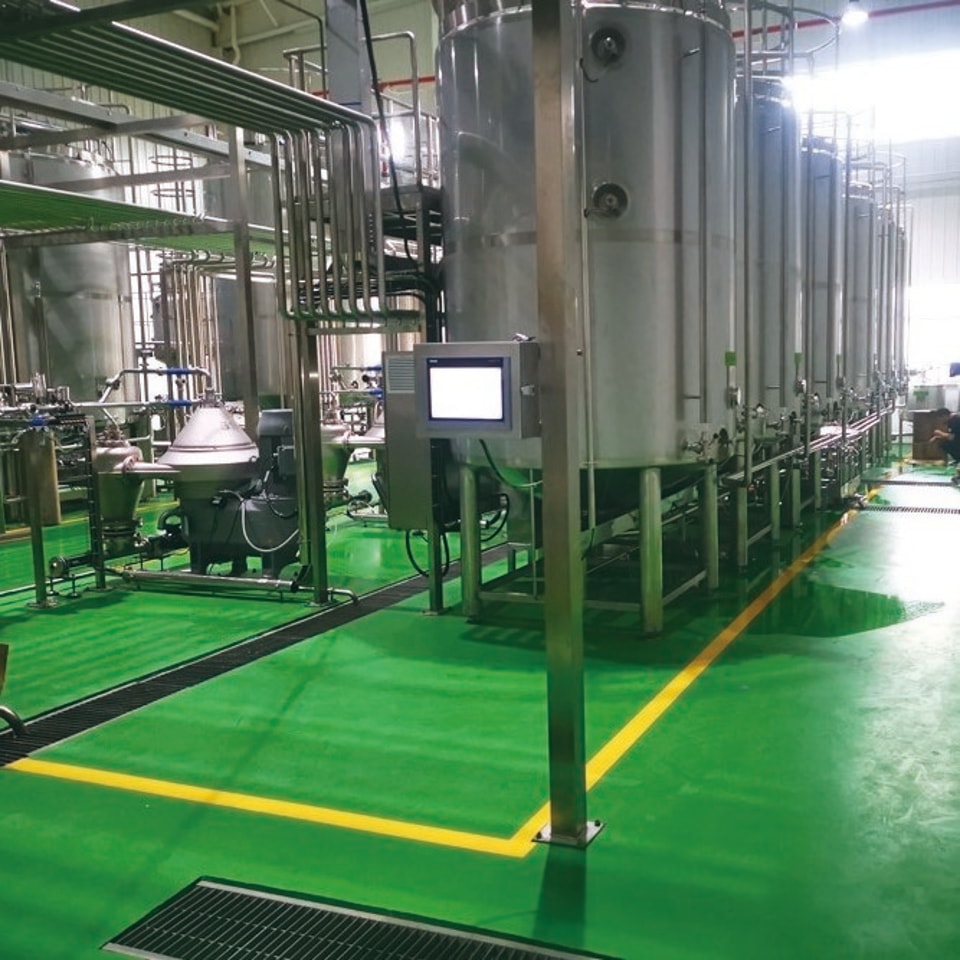
CIP systems for food industry
The CIP (Cleaning in Place) industrial cleaning system is an advanced automated cleaning technology mainly used in production industries such as food, beverages, dairy products, pharmaceuticals, etc. that have extremely high hygiene requirements. In these industries, production equipment and piping systems require regular and thorough cleaning to prevent product contamination, microbial growth, and ensure product quality.
The main characteristics and working principles of the CIP system include:
1. In situ cleaning: The core of CIP lies in "in situ cleaning", which means that the cleaning solution is delivered to various parts of the equipment to be cleaned through pre designed pipeline circuits without the need to disassemble or move production equipment.
2. Automatic control: CIP systems usually use PLC (programmable logic controller) or other control systems to accurately control the cleaning process, including the ratio of cleaning solution, temperature, cycle time, flushing process and other steps.
3. Multi stage cleaning: The cleaning process is generally divided into multiple stages such as pre washing, alkali washing, acid washing, and final washing, and may include disinfection or passivation to ensure that all surfaces in contact with the product are thoroughly cleaned.
4. Cleaning media: According to the needs of different cleaning stages, different cleaning agents are used, such as water, alkaline cleaning agents to remove fat and protein dirt, acidic cleaning agents to remove mineral deposits, and sometimes disinfectants are used for sterilization treatment.
5. Component composition: A complete CIP system includes cleaning solution storage tanks (such as acid tanks, alkali tanks, water tanks), heating and cooling devices, pumping systems, cleaning nozzles, valves, pipelines, sensors (such as pH meters, conductivity meters, thermometers, etc.), and control systems.
6. Energy saving and efficiency: Compared to manual cleaning, the CIP system can provide a more consistent and efficient cleaning effect, while reducing the consumption of water resources and chemical cleaning agents, and reducing labor intensity and the risk of cross contamination.
Through such an automation system, enterprises can ensure that their production lines meet strict quality standards and food safety regulations during the continuous production process.
The CIP system refers to the Cleaning in Place system, which is an automated system used for cleaning and disinfecting industrial equipment. The CIP system is widely used in production processes in industries such as food, pharmaceuticals, and chemicals, and can effectively clean and disinfect various equipment to ensure product quality and production efficiency.
The CIP system typically consists of the following components:
1. Cleaning agent supply system: Provides storage and supply devices for cleaning agents (such as alkaline solutions, acidic solutions, bleaches, etc.).
2. Circulating system: The cleaning agent is transported from the supply system to the equipment that needs to be cleaned by a pump, and the cleaning agent is recycled to achieve thorough cleaning.
3. Control system: used to monitor and control the operation of the CIP system, including adjusting the concentration, temperature, flow rate and other parameters of the cleaning agent, to ensure the accuracy and stability of the cleaning process.
4. Cleaning head and nozzle: Installed inside the equipment, the surface and internal structure of the equipment are cleaned by spraying cleaning agent to remove dirt and microorganisms.
5. Discharge system: used to discharge used cleaning agents and wastewater generated during the cleaning process, ensuring environmental safety and hygiene.
The advantages of the CIP system include:
1. High degree of automation: The CIP system can automatically perform the cleaning process, reducing the need for manual operations and improving production efficiency.
2. Good cleaning effect: By circulating cleaning agents and spraying cleaning heads, the CIP system can thoroughly clean the surface and internal structure of the equipment, effectively removing dirt and microorganisms.
3. Resource saving: The CIP system can recycle cleaning agents, reduce the consumption of cleaning agents, and save resources such as water and energy.
4. Improve product quality: Regular CIP cleaning can avoid contamination of equipment surfaces and internal structures, ensuring the stability and consistency of product quality.
In summary, the CIP system is an efficient and automated cleaning system widely used in industrial production, which can improve production efficiency, ensure product quality, and save resources.
The application of CIP system in dairy processing line
The CIP system (Cleaning In Place) is a cleaning system widely used in dairy processing lines. It achieves efficient cleaning and disinfection of processing equipment, pipelines, and containers through automated equipment and programs.
The CIP system in dairy processing lines mainly includes the following applications:
1. Equipment cleaning: The CIP system can comprehensively clean dairy processing equipment, including milk receiving tanks, storage tanks, mixers, centrifuges, filling machines, etc. The circulating cleaning solution can effectively remove residues, bacteria, and other pollutants from the surface of the equipment.
2. Pipeline cleaning: There are a large number of pipelines in the dairy processing line, and the CIP system can regularly clean these pipelines. The cleaning solution circulates through the pipeline system to flush out dirt, bacteria, and other pollutants inside the pipeline, ensuring the hygiene and safety of the product.
3. Container cleaning: Containers used in dairy processing, such as cans and bottles, also need to be cleaned. The CIP system can automatically clean these containers to ensure their internal hygiene and cleanliness for easy filling.
4. Preparation of cleaning solution: The CIP system is also responsible for preparing cleaning solution, usually by mixing the cleaning agent and water in a certain proportion. The preparation of cleaning solution needs to be adjusted according to specific cleaning requirements and equipment characteristics to ensure cleaning effectiveness.
The application of CIP system in dairy processing lines can improve production efficiency, reduce the workload of manual cleaning, and ensure the hygiene quality of products. It can not only improve the operational stability of the production line, but also reduce the risk of cross contamination, ensuring product safety and quality.
The application of CIP system in fruit and vegetable processing line
The CIP system (Cleaning In Place) is widely used in fruit and vegetable processing lines. During the processing of fruits and vegetables, equipment and pipelines may be contaminated due to residues, bacteria, microorganisms, etc. If not cleaned in a timely manner, it will have a serious impact on product quality and food safety.
The CIP system can efficiently and thoroughly clean the equipment and pipelines of fruit and vegetable processing lines through automation, improving production efficiency and product quality. Its main applications include the following aspects:
1. Cleaning equipment: The CIP system can clean various types of equipment in fruit and vegetable processing lines, such as cutting machines, mixers, steamers, sterilizers, etc. By injecting cleaning solution through circulation, utilizing high-pressure water flow and chemical cleaning agents, dirt and bacteria on the surface of the equipment can be effectively removed, ensuring the hygiene and safety of the equipment.
2. Cleaning pipelines: The pipelines in the fruit and vegetable processing line are important channels for transporting fruit and vegetable raw materials and processing products, which can easily accumulate residues and bacteria. The CIP system can inject cleaning solution through circulation to form a high-speed flowing cleaning solution in the pipeline, flushing out dirt and bacteria inside the pipeline, ensuring the hygiene and smoothness of the pipeline.
3. Cleaning the tank: Storage tanks, fermentation tanks, etc. commonly used in fruit and vegetable processing lines also need to be cleaned regularly to prevent bacterial growth and product contamination. The CIP system can inject cleaning liquid into the interior of the tank through automatic control, and clean the dirt and bacteria inside the tank through cyclic flushing.
4. Cleaning conveyor belt: In the fruit and vegetable processing line, the conveyor belt is an important equipment for transporting fruit and vegetable raw materials from one process to another. The CIP system can comprehensively clean the conveyor belt, remove residues and bacteria, and ensure the hygiene and safety of the conveyor belt.
In summary, the application of CIP system in fruit and vegetable processing lines can improve production efficiency, ensure product quality and food safety, and is an indispensable and important equipment in the modern fruit and vegetable processing industry.
The application of CIP system in biological fermentation production line
The CIP (Clean in Place) system is a widely used cleaning system in biological fermentation production lines. It efficiently and thoroughly cleans fermentation equipment, pipelines, and containers through automation to ensure the hygiene, safety, and product quality of the production process.
In the biological fermentation production line, the application of CIP system mainly includes the following aspects:
1. Cleaning the fermentation tank: The fermentation tank is one of the most important equipment in the biological fermentation process, and its interior needs to be regularly cleaned to remove residues, impurities, and bacteria. The CIP system can evenly spray cleaning agents on the surface of the fermentation tank through spray heads, rotating spray balls, and other methods, effectively removing dirt.
2. Cleaning pipelines and valves: There are a large number of pipelines and valves in the biological fermentation production line, and these equipment need to be cleaned regularly to ensure the hygiene and safety of fluid transmission. The CIP system can push the cleaning agent into the pipeline system through a circulation pump, and use pressure and flow rate to flush out the dirt inside the pipeline.
3. Cleaning sensors and instruments: Various sensors and instruments are often used in the biological fermentation process to monitor parameters such as temperature, pH value, oxygen content, etc. These devices also require regular cleaning to maintain accuracy and reliability. The CIP system can clean and disinfect sensors and instruments through sprinkler heads or immersion methods.
4. Cleaning storage tanks and conveying systems: In biological fermentation production lines, it is often necessary to transport fermentation products to storage tanks or subsequent processing equipment. These storage tanks and conveying systems also require regular cleaning to prevent cross contamination and bacterial growth. The CIP system can comprehensively clean storage tanks and conveying systems through spraying, flushing, and emptying.
In summary, the application of CIP system in biological fermentation production lines can improve production efficiency, ensure product quality, and reduce the risk of manual operation. It is an indispensable part of the modern biopharmaceutical industry.
The CIP (Cleaning in Place) cleaning system is an automated system used for cleaning and disinfecting equipment, pipelines, and containers. The following is a detailed explanation of the operation and maintenance of the CIP cleaning system:
1. Operation steps:
a. Preparation: Before conducting CIP, ensure that the equipment and pipelines have been thoroughly emptied, and that all movable components have been disassembled or secured.
b. Connection: Connect the cleaning agent and water source to the CIP system, ensuring that the supply and return pipes are properly connected.
c. Pre washing: Use pre washing agents to pre wash equipment and pipelines to remove most of the dirt and residue.
d. Cleaning: According to the required cleaning agents and procedures, circulate the cleaning agents through the CIP system to ensure that the liquid covers all surfaces that need to be cleaned.
e. Flushing: Rinse equipment and pipelines with clean water to remove residual cleaning agents and dirt.
f. Disinfection: If necessary, use disinfectants to disinfect equipment and pipelines to ensure the killing of bacteria and microorganisms.
g. Discharge: Discharge wastewater and waste liquid into appropriate treatment systems.
h. Inspection: Check whether the cleaned equipment and pipelines are clean and ensure that all connections and valves are closed.
2. Maintenance precautions:
a. Regular inspection: Regularly inspect the pipes, valves, and connectors of the CIP system to ensure that there are no leaks or damage.
b. Cleaning agent management: Properly store and manage cleaning agents to avoid expired use or mixing different types of cleaning agents.
c. Temperature control: According to the requirements of the cleaning agent, control the temperature of the cleaning solution to ensure the cleaning effect.
d. Disinfectant management: If using disinfectants, ensure proper storage and use, and disinfect according to specified concentrations and contact times.
e. System cleaning: Regularly clean the CIP system itself to remove accumulated dirt and deposits.
f. Training and operating standards: Train operators to ensure they understand the correct operating procedures and safety precautions.
Please note that the above is a general CIP cleaning system operation and maintenance guide, and the specific operation and maintenance steps may vary depending on the equipment and process. In actual operation, please refer to the operation manual of the equipment and system, and follow the relevant safety and health regulations.
The informatization of CIP fully automatic cleaning system refers to a way of combining CIP cleaning system with information technology to achieve monitoring, control, and management of the cleaning process. Through informatization, intelligent, automated, and remote management of CIP cleaning systems can be achieved, improving cleaning efficiency and quality, and reducing manual operating costs.
The informatization of CIP fully automatic cleaning system mainly includes the following aspects:
1. Monitoring and control: Real time monitoring of various parameters of the CIP cleaning system, such as temperature, pressure, flow rate, etc., through sensors, instruments and other equipment. At the same time, precise control of the cleaning process is achieved through the use of an automatic control system to ensure the stability and reliability of the cleaning effect.
2. Data collection and analysis: Through an information system, collect, store, and analyze the operational data of the CIP cleaning system, including cleaning time, cleaning agent usage, cleaning effect, etc., to provide a basis for subsequent optimization and improvement.
3. Remote monitoring and management: Through network technology, remote monitoring and management of the CIP cleaning system can be achieved, enabling monitoring and control of the cleaning process anytime and anywhere, timely handling of abnormal situations, and improving operational efficiency and reliability.
4. Fault diagnosis and maintenance: Through the information system, automatic diagnosis and alarm of CIP cleaning system faults can be carried out, problems can be detected and solved in a timely manner, reducing downtime and maintenance costs.
5. Data security and reliability: Through the data backup and recovery functions of the information system, ensure the data security and reliability of the CIP cleaning system, and prevent data loss and leakage.
In summary, the informatization of the CIP fully automatic cleaning system can improve the intelligence and automation level of the cleaning process, improve cleaning efficiency and quality, and reduce manual operating costs. It is an indispensable part of modern production.
Shanghai Beyond Machinery Co., Ltd
Beyond Machinery specializes in the design and manufacturing of CIP systems. Please contact us now, and our professional technical engineers will customize the equipment plan for CIP systems and provide a quotation. Please contact us now to obtain the latest equipment plan and quotation.
2/2, 2024
Jelly production line and Jelly processing plant
It is expected that the jelly market will continue to expand in the coming years, mainly due to the increasing demand for healthy foods from consumers, as well as the pursuit of novel flavors and innovative products. In addition, the popularity of jelly among consumers of different age groups is also one of the driving factors for market expansion. Consumers are paying more attention to the nutritional value and ingredient list of products, and the demand for natural ingredients and organic certified jelly products is also increasing. The demand for health, innovation, and convenience from consumers will drive market growth and encourage manufacturers to continuously improve product quality and innovation capabilities.
Jelly production line is an automated equipment used for producing jelly products. It usually consists of multiple workstations, each responsible for different production steps. The following is the general workflow of a jelly production line:
1. Raw material preparation: Prepare the required raw materials, such as juice, sugar, gelatin, etc., according to the formula, and conduct necessary testing and screening.
2. Mixing and heating: Mix the raw materials in a certain proportion and heat them in the heating equipment to dissolve and mix evenly.
3. Solidification and molding: Pour the mixed jelly liquid into a mold or container, and solidify it by cooling or other means.
4. Packaging: The formed jelly products can be packaged using automated packaging machinery for packaging, label attachment, etc.
5. Testing and quality control: Conduct quality testing on packaged jelly products, including inspection of appearance, weight, taste, and other aspects, to ensure that the products meet the standards.
6. Finished product storage and distribution: Jelly products that have passed quality inspection will be stored and distributed or sold according to order requirements.
The automation level of the jelly production line can be adjusted according to the production scale and demand, including automated mixing, filling, packaging, quality inspection, and other processes. Through automated production lines, production efficiency can be improved, labor costs can be reduced, and product consistency and quality stability can be ensured.
Jelly production line equipment usually includes the following main parts:
1. Raw material processing equipment: used for processing and purifying raw materials such as fruit juice and puree, including fruit juice extractors, purees, filters, etc.
2. Mixing and seasoning equipment: used for mixing and seasoning raw materials to achieve the desired taste and flavor, including mixing tanks, seasoning tanks, mixers, etc.
3. Saccharification equipment: used to carry out saccharification reactions on mixed raw materials, so that the jelly has a certain viscosity and coagulation, including saccharification tanks, heating equipment, etc.
4. Gel equipment: It is used to gel the saccharified jelly liquid to make it become a solid jelly product, including gel machine, cooling equipment, etc.
5. Molding and packaging equipment: used for molding and packaging of gel jelly, including molding machine, packaging machine, sealing machine, etc.
In addition, auxiliary equipment such as cleaning equipment, disinfection equipment, conveying equipment, and control systems may also be involved to ensure the hygiene, safety, and automation level of the jelly production line. Suitable equipment needs to be selected based on specific production scale and process requirements.
The technical highlights of the jelly processing line are mainly reflected in the following aspects:
1. Automated production: The jelly processing line adopts advanced automation technology, which can achieve a fully automated production process from raw material placement to packaging and packaging. Through the application of automation equipment and control systems, production efficiency and product quality stability have been greatly improved.
2. Accurate ingredient control: The jelly processing line is equipped with an accurate ingredient control system, which can accurately measure various raw materials according to product formula requirements and achieve precise mixing and stirring processes. This can ensure that each batch of jelly products has the same taste and quality.
3. Temperature control technology: The jelly processing line needs to heat and cool the jelly liquid during the production process to achieve solidification and molding. Advanced temperature control technology can ensure that the jelly is processed within the appropriate temperature range, avoiding quality issues caused by improper temperature.
4. Multi functional mold design: The mold design of the jelly processing line is flexible and diverse, and can produce jelly products of various shapes and sizes. By replacing different molds, jelly products with different flavors and demands can be met in the market.
5. Health and safety control: The jelly processing line pays attention to health and safety control in the design and manufacturing process, using food grade materials and equipment that meets hygiene standards. At the same time, the processing line is also equipped with a cleaning and disinfection system to ensure the hygiene of the production environment and the safety of the products.
Overall, the technological highlights of jelly processing lines lie in the application of automated production, precise ingredient control, temperature control technology, multifunctional mold design, and hygiene and safety control, making jelly production more efficient, stable, and safe.
The process flow of a jelly processing line usually includes the following main steps:
1. Raw material preparation: Choose fresh fruits or juice as the main raw material. Wash, peel, and seed the fruits, then extract juice or cut them into small pieces for later use.
2. Mixing of ingredients: According to the formula requirements of the jelly product, mix the juice, sugar, acidity regulator, thickener and other ingredients together in a certain proportion. Food coloring, essence and other condiments can be added as required.
3. Heating and dissolving: Pour the mixed ingredients into a heating container, and dissolve the sugar and other ingredients in the juice by heating. The heating temperature and time vary depending on different jelly products.
4. Thickening and coagulation: Add a thickener (such as gelatin) to the heated juice and stir thoroughly to make the juice viscous. Then pour the juice into the mold and let it solidify for a period of time.
5. Cooling and packaging: After the jelly has completely solidified, place the mold in a cooling chamber or cooling equipment for cooling to make the jelly stronger. Finally, remove the jelly from the mold and package and seal it.
It should be noted that the specific jelly processing line process may vary due to factors such as production scale, product types, and process requirements. The above is only a general introduction to the process, and adjustments and improvements need to be made according to specific situations in actual operation.
The final product of the jelly processing line is jelly products of various flavors and shapes. These jelly products are usually made from fruit juice, sugar, gelatin, and other ingredients, and processed through a series of production processes such as heating, solidification, and molding. The final product can be various flavors of jelly blocks, jelly strips, jelly balls, jelly sugars, etc. The specific product form and taste depend on the design of the processing line and customer needs.
The operation and maintenance of the jelly processing line are key to ensuring the smooth operation of the production process and the normal operation of the equipment. The following are the general steps for operating and maintaining a jelly processing line:
1. Operation:
-Preparation work: Operators need to be familiar with the working principle of the jelly processing line and the functions of each equipment to ensure that the equipment and work area are clean and hygienic.
-Raw material preparation: Prepare the required raw materials according to the production plan, and conduct necessary inspections and quality control.
-Equipment settings: Adjust equipment parameters and workflow according to product requirements to ensure that the equipment can operate normally.
-Production operation: According to the process flow, input the raw materials into the equipment for processing, and pay attention to controlling key parameters such as time, temperature, and pressure.
-Monitoring and adjustment: Real time monitoring of various indicators during the production process, such as temperature, flow rate, pressure, etc., and timely adjustment of equipment parameters to maintain a stable production state.
-Fault handling: In case of equipment malfunction or abnormal situation, stop the machine in a timely manner and take corresponding maintenance or handling measures.
2. Maintenance:
-Daily maintenance: Regularly clean, lubricate, and inspect the jelly processing line to ensure smooth and safe operation of the equipment.
-Preventive maintenance: According to the maintenance manual provided by the equipment manufacturer, carry out regular maintenance and repair work, such as replacing vulnerable parts, calibrating sensors, etc.
-Troubleshooting: For equipment malfunctions, careful investigation and analysis are required to identify the cause of the problem and take corresponding repair measures.
-Training and updates: Regularly train operators and maintenance personnel to understand the latest operating techniques and maintenance methods, improve work efficiency and equipment reliability.
The operation and maintenance of jelly processing lines require professional knowledge and skills to ensure the quality and efficiency of the production process. Meanwhile, reasonable operation and maintenance can also extend the service life of equipment, reduce failure rates, and improve production efficiency.
The information technology of jelly processing line refers to the application of modern information technology to various links of jelly production and processing line to improve production efficiency, quality control, and management level. The following are common information technologies used in jelly processing lines:
1. Automation control system: Through sensors, actuators, and controllers, the automation control and monitoring of the jelly processing line are achieved. It can monitor production parameters in real-time, such as temperature, pressure, flow rate, etc., and automatically adjust according to set rules to improve production efficiency and stability.
2. Production Planning and Scheduling System: Using computer software to optimize and schedule the production plan of the jelly processing line, reasonably arrange production tasks and resources, and improve production efficiency and resource utilization.
3. Process data collection and analysis system: Real time production data of various stages of the jelly processing line, such as temperature, humidity, pH value, etc., are collected through sensors and data acquisition equipment. Then use data analysis software to process and analyze the data, identify potential problems and make timely adjustments to improve product quality and production efficiency.
4. Quality traceability system: Through barcode, RFID and other technologies, each production batch on the jelly processing line is uniquely identified and recorded, achieving product quality traceability. It can track the source of raw materials, production process parameters, production personnel, and other information to improve product quality management and risk control capabilities.
5. Energy management system: By monitoring and analyzing the energy consumption of the jelly processing line, optimizing energy usage plans, reducing energy waste, and lowering production costs.
6. Remote monitoring and maintenance system: Utilize network and remote monitoring technology to achieve remote monitoring and fault diagnosis of jelly processing lines. It can detect problems in a timely manner and perform remote maintenance, reduce downtime, improve equipment reliability and maintenance efficiency.
In summary, the information technology of jelly processing lines can improve production efficiency, quality control, and management level, bringing higher competitiveness and economic benefits to jelly production enterprises.
The preparation for the investment of the jelly processing line needs to consider the following aspects:
1. Market research: Before investing, it is necessary to conduct market research to understand the demand and competition in the jelly market, and determine product and market positioning.
2. Technical preparation: The jelly processing line needs to have corresponding production technology and process flow. This includes the selection of raw materials for jelly, formulation research and development, selection and debugging of production equipment, etc. Consider collaborating with professional food engineers to ensure the scientific and stable production process.
3. Equipment procurement: Select suitable jelly processing line equipment based on production scale and product types. This includes jelly production equipment, packaging equipment, quality inspection equipment, etc. Consider factors such as the quality, performance, production capacity, and after-sales service of the equipment.
4. Raw material supply: Ensure stable raw material supply channels, select high-quality raw materials such as fruit juice, pectin, sugar, etc., and establish long-term cooperative relationships with suppliers to ensure product quality and stability.
5. Personnel training: In order to ensure the normal operation of the production line and product quality, it is necessary to train operators to master relevant operational skills and quality control knowledge.
6. Production planning and management: Establish a scientific production planning and management system, including raw material procurement, production scheduling, inventory management, quality control, etc., to ensure the stability of production efficiency and product quality.
7. Safety and hygiene: The jelly processing line needs to comply with relevant food safety and hygiene standards to ensure the safety and hygiene quality of the products. Establish a sound production environment and operating standards, and conduct regular cleaning and disinfection.
The above are the general steps and considerations for the preparation of the jelly processing line, and the specific situation needs to be analyzed and planned according to the actual situation of the enterprise.
Shanghai Beyond Machinery Co., Ltd
Beyond Machinery specializes in the design and manufacturing of Jelly production line. Please contact us now, and our professional technical engineers will customize the equipment plan for Jelly production line and provide a quotation. Please contact us now to obtain the latest equipment plan and quotation.
1/30, 2024
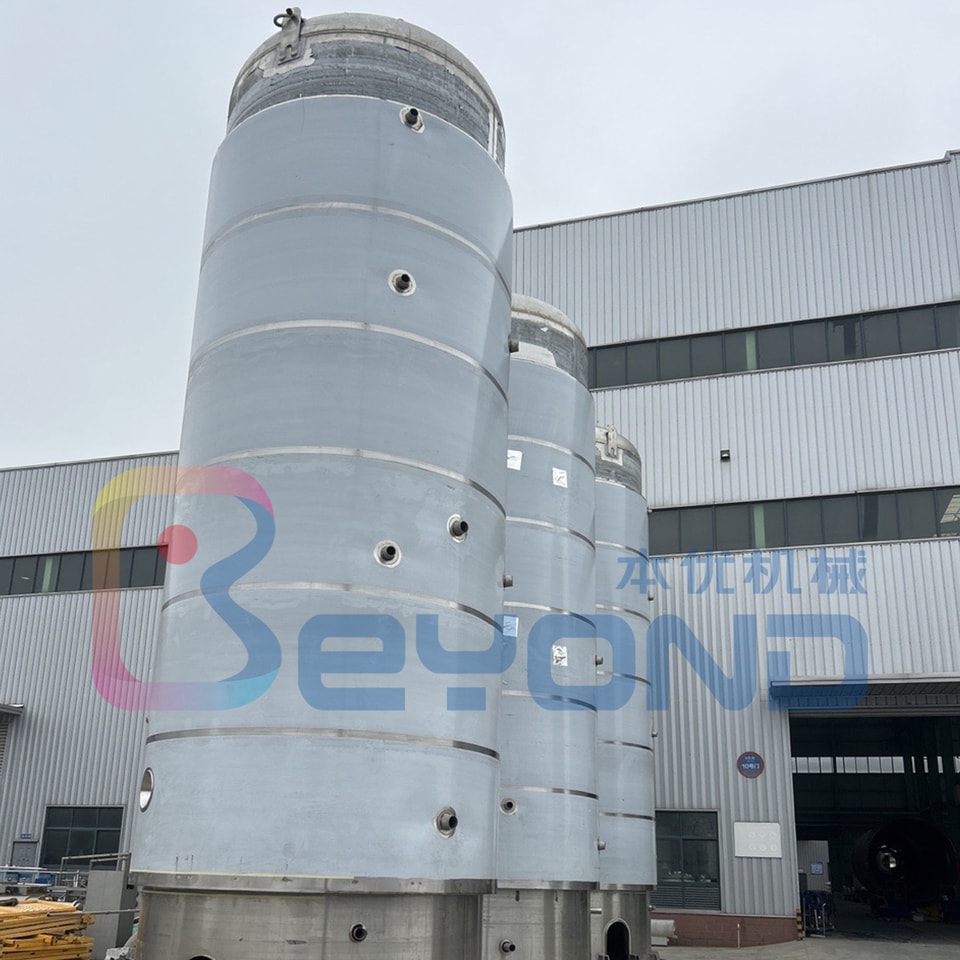
Silo tanks for sale milk tank for sale
Stainless steel silo is a device used for storing materials, usually made of stainless steel material. It has the characteristics of corrosion resistance, rust prevention, and good sealing, and is suitable for storing various powdered, granular, or liquid materials.
The stainless steel silo is mainly composed of a cylinder, inlet and outlet ports, exhaust ports, mixing devices, sensors, etc. The cylinder body is generally made of stainless steel plates, which have high strength and corrosion resistance. The inlet and outlet are used for material loading and unloading, while the exhaust port is used to regulate internal air pressure. The mixing device can help to evenly mix materials, while the sensor is used to monitor parameters such as material level and temperature inside the silo.
Stainless steel silos are widely used in industries such as food, chemical, pharmaceutical, and metallurgy. They can store different types of materials such as grains, powders, particles, liquids, etc. The use of stainless steel materials ensures the safety and hygiene of stored materials, while also facilitating cleaning and maintenance.
When using stainless steel silos, the following points should be noted:
1.The design and manufacturing of silos must comply with relevant standards and specifications to ensure their structural stability, safety, and reliability.
2. When loading and unloading materials, attention should be paid to operating standards to avoid material accumulation that is too high or too low, so as not to affect the normal operation of the silo.
3. Regularly inspect and maintain the silo to ensure good sealing performance and prevent material leakage or contamination.
4. Select appropriate mixing devices and sensors based on the characteristics of the material to improve its uniformity and monitoring accuracy.
In summary, stainless steel silos are reliable, durable, and suitable for storing various materials, playing an important role in industrial production.
A milk silo tanks refers to a facility or place used to store milk or other dairy products. In the production and supply chain of dairy products, milk silo tanks play an important role in ensuring the quality and safety of dairy products.
Milk silo tanks typically have the following functions and characteristics:
1. Temperature control: The milk warehouse needs to maintain a suitable temperature to ensure the freshness and quality of dairy products. Generally speaking, the storage temperature of milk should be maintained between 2-4 degrees Celsius.
2. Hygiene conditions: The milk warehouse must comply with hygiene standards to prevent the invasion of bacteria and other pollutants. Regular cleaning and disinfection are necessary operations.
3. Storage capacity: Milk silos need sufficient storage capacity to meet the needs of dairy producers of different sizes and demands.
4. Packaging and labeling: The milk warehouse should provide appropriate packaging and labeling facilities to ensure product traceability and accuracy of information.
5. Logistics management: The milk warehouse needs to carry out logistics management, including the process of receiving, storing, sorting, and distributing dairy products. This requires an effective inventory management system and transportation arrangements.
6. Safety measures: The milk silo tanks should take necessary safety measures to prevent fires, and other accidents from occurring.
The design and operation of a dairy silo tanks need to take into account the characteristics and needs of dairy products, as well as the requirements of relevant regulations and standards. In China, the dairy industry is an important industry, and the construction and management of milk warehouses are crucial for ensuring the quality and supply stability of dairy products.
Stainless steel milk silo is a device used for storing and processing milk, which adopts advanced technologies to ensure the quality and safety of milk. Here are some common advanced technologies:
1. Temperature control: Stainless steel milk silos are usually equipped with advanced temperature control systems, which can accurately control the temperature inside the milk silo. This is crucial for maintaining the freshness of milk and preventing bacterial growth.
2. Automation system: Modern stainless steel milk silos are usually equipped with automation systems, which can monitor and control various parameters inside the milk silo, such as temperature, humidity, pressure, etc. These systems can improve production efficiency and ensure the quality and safety of milk.
3. CIP cleaning system: CIP (Clean in Place) is an automated cleaning system that can thoroughly clean and disinfect milk silos without disassembling equipment. This system can reduce manual operations and ensure the hygiene and safety of the milk warehouse.
4. Internet of Things technology: Some advanced stainless steel milk silos also apply Internet of Things technology, which enables remote monitoring and management of milk silos through sensors and internet connections. This can improve the visualization and traceability of the production process, and promptly identify and solve potential problems.
5. Ultrafiltration technology: Ultrafiltration is a separation technology that can separate substances such as fat and protein from milk through a filtration membrane, thereby obtaining a purer whey. The ultrafiltration technology in stainless steel milk silos can improve the quality and nutritional value of products.
6. Modified Atmosphere Technology: Modified Atmosphere Technology is a technology that controls the composition and concentration of gases, which can extend the shelf life of milk. By adjusting the oxygen and carbon dioxide content in the milk warehouse, bacterial growth and oxidation reactions can be slowed down, maintaining the freshness and taste of the milk.
The application of these advanced technologies enables stainless steel milk silos to better meet the needs of the milk processing industry, improve production efficiency, and ensure product quality and safety.
Shanghai Beyond Machinery Co., Ltd
Beyond Machinery specializes in the design and manufacturing of milk silo tanks. Please contact us now, and our professional technical engineers will customize the equipment plan for milk silo tanks and provide a quotation. Please contact us now to obtain the latest equipment plan and quotation.
1/12, 2024
