
Successful case of deep processing line for bone soup: HODIAS
Qingdao HODIAS Food Ingredients Co., Ltd. was established in 1994. Its products include edible essence, food ingredients, chicken essence and chicken powder, compound seasoning, bone soup and bone oil, prefabricated sauce, health drinks, etc.
HODIAS sales network has spread throughout the country and expanded to many countries in Southeast Asia and Africa, building a global marketing network. The newly invested HODIAS Food Industry Park in Zhonghua Flavor Valley is located in Cuijiaji Town, Pingdu City, covering an area of 206.55 acres with a total investment of 750 million yuan and a planned total construction area of 175000 square meters.
The deep processing production line of bone soup usually includes the following main steps:
1. Aggregate treatment: Firstly, the bones need to be cleaned and impurities removed to ensure the hygiene and quality of the product. Then, the bones can be processed by breaking or cutting to better release their nutrients.
2. Stewing: The processed bones are placed in a large stew pot, with an appropriate amount of water added and heated until boiling. Then, the heat needs to be adjusted to an appropriate temperature to allow the bones to slowly simmer. This process usually takes a long time to fully release the nutrients and taste in the bones.
3. Clarification and filtration: After prolonged stewing, certain turbid substances and impurities will be produced in the bone soup. In order to improve the quality of the product, it is necessary to clarify and filter the bone soup. This can be achieved by using equipment such as filters, gauze, or centrifuges to remove suspended solids and solid particles.
4. Concentration and seasoning: The clarified and filtered bone soup can be further concentrated to enhance its rich taste and flavor. This is usually achieved by further heating the bone soup to allow its moisture to evaporate and reach the desired concentration. During the concentration process, an appropriate amount of seasoning, such as salt, soy sauce, spices, etc., can be added according to the requirements of the product to enhance its flavor.
5. Packaging and sterilization: Finally, the concentrated and seasoned bone soup needs to be packaged and sterilized to ensure the safety and shelf life of the product. Common packaging methods include canning, bagging, or bottling, while sterilization can be achieved through high-temperature sterilization or other appropriate methods.
The above are the main steps of the bone soup deep processing production line, and each step needs to be strictly controlled and operated to ensure the quality and hygiene safety of the product. The specific production line configuration and process parameters can be adjusted and optimized according to different production needs and product characteristics.
Dust free feeding station
Dust free feeding station is a device used for feeding powder materials, which is mainly used to avoid the generation and diffusion of dust. A dust-free feeding station usually consists of a closed feeding room and a feeding system connected to the feeding room.Dust free feeding station of bone soup deep processing production line.
The dust-free feeding station is an important part of the bone soup deep processing production line, used to accurately supply raw materials to the production line, ensuring hygiene and safety during the production process.
Dust free feeding stations usually include the following main components:
1. Raw material storage warehouse: used to store raw materials such as bones, vegetables, etc. Storage silos are usually designed with sealing to prevent contamination of raw materials by external dust, bacteria, and other contaminants.
2. Conveyor system: used to transport raw materials from the storage bin to the production line. The conveying system can use conveyor belts, screw conveyors, and other methods to ensure continuous supply of raw materials.
3. Pre processing equipment: used for preliminary processing of raw materials, such as cleaning, peeling, cutting, etc. The pre-treatment equipment needs to have efficient cleaning functions to ensure the hygiene quality of the raw materials.
4. Weighing device: used to accurately weigh the weight of raw materials, ensuring that the amount of raw materials supplied each time is accurate and error free.
5. Sensors and Control System: Sensors detect the supply of raw materials and adjust the supply speed and quantity in real time through the control system to ensure the stable operation of the production line.
6. Dust free environment control: By adopting measures such as air filters and negative pressure systems, ensure that the air quality inside the feeding station meets hygiene standards, and avoid contaminating raw materials with dust, bacteria, and other pollutants.
The dust-free feeding station plays a crucial role in the deep processing production line of bone soup. It can improve production efficiency, ensure product quality, and ensure the hygiene and safety of the production process.
CIP system
The CIP system refers to the Cleaning in Place system, which is an automated cleaning equipment or system used to clean and disinfect equipment, pipelines, containers, etc. during the production process. The CIP system is widely used in industries such as food, pharmaceuticals, beverages, and chemicals to ensure product quality and the hygiene and safety of the production process.
The main purpose of the CIP system is to thoroughly remove dirt, residues, and microorganisms inside production equipment by using a series of cleaning agents, solvents, and water substances, in order to reduce cross contamination and product quality issues. The CIP system can effectively improve production efficiency, reduce manual operations and cleaning time, and reduce the risk of personnel contact during the cleaning process.
The CIP system typically consists of the following components:
1. Cleaning agent and solvent supply system: used to provide cleaning agents, solvents, and water to meet the needs of the cleaning process.
2. Cleaning circulation system: The cleaning agent and solvent are circulated through pipelines and pumps to the inside of the equipment, pipelines or containers that need to be cleaned, in order to achieve thorough cleaning.
3. Control system: used to monitor and control parameters during the cleaning process, such as temperature, flow rate, and cleaning agent concentration, to ensure cleaning effectiveness and safety.
4. Emission system: used to treat and discharge the waste liquid and exhaust gas generated during the cleaning process to meet environmental protection requirements.
The operation steps of the CIP system generally include the following stages:
1. Pre flushing: Use clean water or pre flushing agent to perform a preliminary flushing of the equipment to remove most soluble dirt and residues.
2. Alkaline cleaning: Use alkaline cleaning agents to cycle clean the equipment to remove oil, protein, and other organic matter.
3. Acid cleaning: Use acidic cleaning agents to cycle clean the equipment to remove inorganic salts and metal oxides, etc.
4. Neutralization and final flushing: Use a neutralizing agent to neutralize the equipment and perform a final flushing to ensure complete removal of cleaning agents and residues.
5. Disinfection: Use disinfectants to disinfect equipment to kill microorganisms and bacteria.
6. Final flushing and discharge: Conduct a final clean water flushing, and treat and discharge the waste liquid and exhaust gas.
In summary, a CIP system is an automated cleaning equipment or system that thoroughly cleans and disinfects production equipment by using cleaning agents, solvents, and water to ensure product quality and the hygiene and safety of the production process. It plays an important role in industries such as food, pharmaceuticals, beverages, and chemicals.
The processing flow of the bone soup oil treatment device is as follows:
1. Pre treatment: Send the bone soup oil into the pre-treatment unit for preliminary treatment. This includes removing suspended solids, solid particles, and impurities. Usually, physical methods such as filtration, precipitation, or centrifugation are used to remove most solid impurities.
2. Dehydration: The pre treated bone soup oil is sent to the dehydration unit to remove any moisture. Common dehydration methods include hot steam dehydration, vacuum distillation, and molecular sieve adsorption. Through these methods, the moisture content in bone soup oil can be effectively reduced, and its stability and shelf life can be improved.
3. Deodorization: After dehydration, the bone soup oil may still have an unpleasant odor or odor. Therefore, deodorization treatment is needed to improve its quality. Common deodorization methods include distillation, adsorbent adsorption, and steam washing. These methods can effectively remove volatile organic compounds and odors from bone soup oil, improving its taste and flavor.
4. Discoloration: In some cases, bone soup oil may have a darker color and require decolorization treatment to improve appearance. Common decolorization methods include activated carbon adsorption, oxidant oxidation, and ion exchange resin adsorption. These methods can effectively remove pigments and impurities from bone soup oil, giving it a clear and transparent appearance.
5. Filtering and refining: After the previous processing steps, bone soup oil may still contain small impurities and particles. Therefore, final filtration and refinement are necessary to ensure the purity and quality of bone soup oil. Usually, microporous filters or other fine filtration equipment are used for treatment to remove residual solid particles and microorganisms.
6. Packaging and storage: After the above processing steps, bone soup oil can be packaged and stored. The appropriate packaging method can ensure the long-term storage and quality maintenance of bone soup oil. Common packaging methods include glass bottles, plastic bottles, or metal cans.
It should be noted that the specific bone soup oil treatment process may vary due to different process requirements, equipment configurations, and product quality requirements. The above process is for general reference only and needs to be adjusted and optimized according to specific situations in practical applications.
The processing flow of the vacuum feeding device for bone soup is as follows:
1. Prepare raw materials: Collect fresh bones and ensure they are free of any contamination or residue.
2. Cleaning and disinfection: Thoroughly clean the bones to remove surface dirt and blood stains. Then use appropriate disinfectants to disinfect the bones to ensure food safety.
3. Cutting and crushing: Cut cleaned and disinfected bones into appropriately sized blocks or pieces. This can be achieved through manual cutting or the use of mechanical equipment.
4. Stewing: Put the cut bones into the stewing pot in the bone soup vacuum feeding device. Add enough water and other seasonings (such as salt, pepper, etc.) to enhance the taste and flavor of the soup.
5. Vacuum treatment: Start the bone soup vacuum feeding device, which will create a vacuum environment to remove oxygen from the soup. This helps to improve the quality of bone soup and maintain its freshness.
6. Stewing and boiling: In a vacuum environment, stew and boil the bone soup to ensure that all bacteria and harmful substances are completely eliminated. This process usually requires a certain amount of time to ensure that the bone soup meets the safe consumption standards.
7. Filtering and Separation: After boiling, use a filter or other separation device to filter out bone residue, sediment, and other solid impurities from the bone soup. This can obtain clear bone soup liquid.
8. Cooling and packaging: Cool the filtered bone soup liquid to a suitable temperature. Then, pack the bone soup into appropriate packaging containers, such as canned, bagged, or barreled, for storage and sale.
9. Quality inspection and labeling: Conduct quality inspections on bone soup to ensure that it meets relevant food safety standards and regulatory requirements. Then, add appropriate labels to each packaging container, including information such as production date, shelf life, and ingredients.
10. Storage and delivery: Store the packaged bone soup in an appropriate environment to ensure it remains fresh and safe. According to the demand, deliver the bone soup to the seller or end consumer.
This is the general processing flow of the vacuum feeding device for bone soup, and the specific steps may vary depending on the equipment and production scale.
The processing flow of the intelligent distribution unit for bone soup is as follows:
1. Bone soup supply: Firstly, there needs to be a link for bone soup supply. This can include the procurement or collection of bones, as well as the preparation of other raw materials. Ensure that the bones used are fresh and of high quality to ensure the taste and nutritional value of the final bone soup.
2. Cleaning and treatment: After the bone is supplied, it needs to be cleaned and treated. This includes removing blood stains, impurities, and other unnecessary parts. Ensure that the surface of the bones is clean and free from any substances that may affect the quality of the bone soup.
3. Stewing process: Put the cleaned bones into a large pot, add an appropriate amount of water and other seasonings. Then, according to specific stewing time and temperature requirements, carry out a long-term stewing process. This process can be carried out using traditional stoves or modern equipment such as pressure cookers or slow cookers.
4. Intelligent allocation: After the bone soup is cooked and stewed, the intelligent allocation unit will intelligently allocate the bone soup according to preset rules and algorithms. These rules and algorithms can take into account various factors, such as demand, priority, and concentration of bone soup. The intelligent allocation unit will allocate bone soup to different targets, such as restaurants, supermarkets, or other sales channels, based on these factors.
5. Packaging and delivery: Once the bone soup is allocated to the corresponding target, it needs to be packaged and delivered. This includes placing bone soup in appropriate containers and ensuring packaging quality and hygiene standards. Then, deliver the bone soup to the target location through appropriate transportation methods.
6. Storage and sales: Finally, bone soup needs to be stored and sold at the target location. This can include refrigerated or frozen storage to ensure the freshness and quality of the bone soup. At the same time, it is necessary to have sales strategies and channels to push bone soup to the market and meet the needs of consumers.
The above is the processing flow of the bone soup intelligent distribution unit, which involves the supply, cleaning and processing, stewing process, intelligent distribution, packaging and distribution, as well as storage and sales of bone soup. These steps require strict control and management to ensure the quality of the bone soup produced is excellent and meets market demand.
The processing flow of the bone soup mixing jar is as follows:
1. Prepare raw materials: Collect fresh bones, which can be cow bones, pig bones, or other animal bones. Ensure that the bones are free from any contamination or residue.
2. Cleaning and disinfection: Thoroughly clean the bones to remove surface dirt and blood. Then use appropriate disinfectants to disinfect the bones to ensure hygiene and safety.
3. Cutting and crushing: Cut the cleaned bone into appropriately sized pieces to better release bone marrow and nutrients. Mechanical equipment or manual tools can be used for cutting and crushing.
4. Boiling and soaking: Put the cut bones into a large stew or steamer, add enough water to completely immerse the bones. Boil the bones, then reduce the heat and let them simmer slowly. This process helps to release bone marrow and other nutrients.
5. Remove impurities: During the stewing process, some floating foam and impurities may be produced. Use a strainer or spoon to remove these impurities from the soup to maintain its clarity.
6. Adding seasonings: Depending on personal taste and recipe requirements, seasonings such as salt, pepper, ginger slices, scallions, etc. can be added during the stewing process to enhance the flavor of the soup.
7. Continuous stewing: Continue stewing the bone soup for several hours to ensure that bone marrow and other nutrients are fully released into the soup. The stewing time can be adjusted as needed.
8. Filtering and cooling: After the bone soup is stewed, use a filter or gauze to filter out solid residues and impurities, and obtain a clear bone soup. Then cool the bone soup to a suitable temperature for storage or further processing.
9. Packaging and storage: Pour the bone soup into an appropriate container, seal the packaging, and store it in a refrigerated or frozen environment to extend its shelf life.
The above is the processing flow of the bone soup mixing jar, and each step requires strict control of hygiene conditions to ensure the quality and safety of the product.
The energy-saving concentration unit in processing line for bone soup refers to a device or process unit used to reduce energy consumption. In the production process of bone soup, concentration is the process of removing moisture from raw materials, thereby improving the concentration and stability of the product. Traditional concentration methods usually require a large amount of energy supply, so introducing energy-saving concentration units can effectively reduce energy consumption and lower production costs.
Energy saving concentration units typically adopt advanced technologies and processes to minimize energy consumption. The following are some common energy-saving concentration unit technologies:
1. Evaporator: Evaporator is a commonly used concentration equipment that removes moisture by heating and evaporating liquid raw materials. In energy-saving concentration units, multi effect evaporators or steam recompression systems can be used to reduce energy consumption by recovering and reusing the heat released during the evaporation process.
2. Membrane separation technology: Membrane separation technology includes reverse osmosis, ultrafiltration, and microfiltration, which can separate solutes and solvents through semi permeable membranes to achieve concentration. Compared with traditional thermodynamic methods, membrane separation technology has advantages such as low energy consumption and simple operation.
3. Condensation recovery: In the processing line for bone soup, a large amount of steam and hot gases are often generated. Through condensation recovery technology, the heat in these hot gases can be converted into reusable energy sources, such as heating water or generating electricity.
4. Waste heat utilization: In processing line for bone soup, many processes generate a large amount of waste heat. By properly designing and utilizing waste heat recovery systems, these waste heat can be converted into useful energy, thereby reducing energy consumption.
In addition to the technologies mentioned above, energy-saving concentration units can also achieve energy conservation through optimizing production processes, improving equipment design, and other means. In practical applications, suitable energy-saving concentration unit technology combinations can be selected based on specific production needs and conditions to achieve the best energy-saving effect.
Shanghai Beyond Machinery Co., Ltd
Beyond Machinery specializes in the design and manufacturing of processing line for bone soup. Please contact us now, and our professional technical engineers will customize the equipment plan for processing line for bone soup and provide a quotation. Please contact us now to obtain the latest equipment plan and quotation.
1/9, 2024
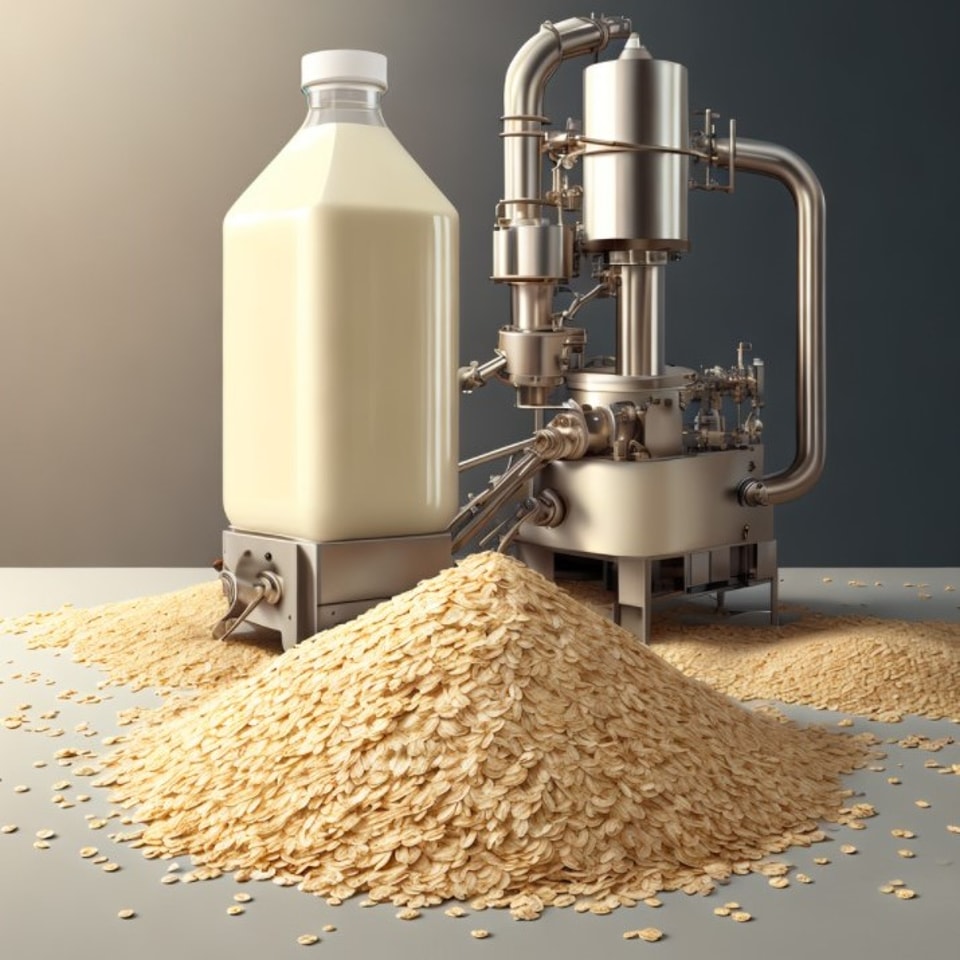
Construction and operation of oat milk processing plants
The oat milk production line is the equipment and process used to produce oat milk. The following are the main steps and equipment of a typical oat milk production line:
1. Cleaning and soaking: Oat grains are first cleaned to remove impurities and residues. Then soak it in water to soften the grains and extract nutrients.
2. Grinding and stirring: The soaked oat grains are fed into a grinder and finely ground into oat slurry. Then mix the oat milk with water to achieve the appropriate concentration and taste.
3. Filtering and Separation: The mixed oat pulp is filtered through a filter to remove solid particles and fibers. This step can obtain a relatively pure oat liquid.
4. Sterilization and sterilization: In order to ensure the safety and shelf life of the product, oat liquid needs to undergo sterilization and sterilization treatment. Common methods include high-temperature treatment, ultra-high temperature sterilization, or sterile packaging.
5. Seasoning and additives: According to the requirements of the product, seasoning agents, sweeteners, vitamins, etc. can be added to the oat liquid. This step can increase the taste and nutritional value of the product.
6. Packaging and storage: The processed oat milk is fed into an automated packaging machine for filling, sealed, and labeled. Then store the packaged products under suitable temperature and humidity conditions to maintain their freshness and quality.
It should be noted that the specific configuration and process flow of oat milk production lines may vary depending on different manufacturers and product requirements. The above are only general production line steps, and the actual situation may vary.
The equipment of the oat milk production factory includes the following main parts:
1. Cleaning equipment: used to clean raw oats and other auxiliary materials to ensure hygiene and safety.
2. Grinding equipment: Mix oats with water and grind them into a delicate paste.
3. Filtering equipment: Filter the ground oat pulp to remove solid particles and fibers, resulting in a smoother liquid.
4. Heating equipment: Heat the filtered oat milk to kill bacteria and extend the shelf life of the product.
5. Stirring equipment: used to stir heated oat milk and mix it evenly.
6. Sterilization equipment: High temperature sterilization treatment is carried out on the heated oat milk to ensure the hygiene and safety of the product.
7. Packaging equipment: The processed oat milk can be packaged in bottles, paper boxes, or other suitable packaging forms.
8. Cleaning and disinfection equipment: used to clean and disinfect production equipment, ensuring the hygiene and safety of the production environment.
In addition, some auxiliary equipment and supporting facilities are needed, such as conveyor belts, storage tanks, metering equipment, water treatment equipment, etc., for the transportation, storage, and mixing of raw materials.
The above are common equipment in oat milk production factories, and the specific equipment configuration and scale may vary according to actual production needs.
The oat milk processing line mainly produces oat milk and related products. Here is a list of possible products:
1. Pure oat milk: This is the most basic product, a liquid made by processing and extracting oats, which can be consumed directly or used to make other foods.
2. Oat milk powder: Oat milk is processed into powder after spray drying and other processes, which is convenient for storage and use.
3. Oat milk beverage: On the basis of pure oat milk, other ingredients such as fruit juice, honey, chocolate, etc. are added to make a beverage with a richer taste.
4. Oat milk ice cream: Ice cream made from oat milk has a smooth and healthy taste.
5. Oat Milk Yogurt: By fermenting oat milk with yogurt bacteria, oat milk yogurt with probiotics can be made, which is beneficial for intestinal health.
6. Oat milk bread, biscuits and other baked goods: Using oat milk in the production of baked goods such as bread and biscuits to increase nutritional value and taste.
7. Oat milk seasoning: Oat milk is made into seasoning sauces, salad dressings, etc., to add unique flavors to other foods.
These products can be designed with different formulas and packaging forms based on market demand and consumer preferences.
The oat milk processing line is an equipment and process used to produce oat milk products. The following are the general steps for operating and maintaining an oat milk processing line:
1. Operation:
a. Preparation work: Ensure the cleanliness and hygiene of the processing line and equipment, and check if the equipment is operating properly.
b. Raw material preparation: Prepare the required oats, water, and other raw materials, and accurately weigh them according to the formula.
c. Oat Soaking: Place oats in a suitable container, add enough water, and let them soak for a period of time to soften the oats.
d. Grinding and stirring: Put the soaked oats into a grinder for grinding, and then put the ground oats and water into a mixer for stirring to make them evenly mixed.
e. Filtering and extraction: The stirred oat milk is filtered through a filter to remove solid particles and impurities, resulting in pure oat milk.
f. Sterilization and sterilization: Heat oat milk to an appropriate temperature for sterilization and sterilization treatment to ensure the hygiene and safety of the product.
g. Packaging and storage: Package the processed oat milk and store it under appropriate temperature and humidity conditions.
2. Maintenance:
a. Regular cleaning: Thoroughly clean the oat milk processing line regularly, including equipment surfaces, pipelines, filters, and other parts, to prevent contamination and cross infection.
b. Equipment inspection: Regularly check the operation status of the equipment, including the motor, transmission system, temperature control system, etc., to ensure its normal operation.
c. Component replacement: Timely replace worn or aged components to ensure the normal operation of the equipment.
d. Lubrication and maintenance: Regularly lubricate and maintain the lubrication parts of the equipment to reduce friction and wear.
e. Temperature control: Ensure that the temperature control system of the equipment is working properly and avoid the impact of high or low temperatures on product quality.
f. Storage conditions: When storing oat milk products, ensure that the temperature and humidity of the storage environment are appropriate to avoid product spoilage or moisture.
Through proper operation and maintenance, it is possible to ensure the normal operation of the oat milk processing line and produce high-quality oat milk products.
The energy consumption and environmental protection of oat milk factories are important issues. Here are some information about energy consumption and environmental protection in oat milk factories:
1. Energy consumption: The energy consumption of oat milk factories mainly comes from heating, cooling, stirring and other operations during the production process. These operations require the use of electricity or fuel, such as natural gas or fuel. Therefore, oat milk factories need to carry out reasonable management and control in energy consumption to reduce energy waste.
2. Environmental protection technology: In order to reduce energy consumption in oat milk factories and protect the environment, some environmental protection technologies can be adopted. For example, efficient heating and cooling equipment can be used to reduce energy loss. At the same time, energy-saving lamps can be introduced to optimize the lighting system and reduce electricity consumption. In addition, renewable energy sources such as solar or wind energy can also be considered to meet some energy needs.
3. Energy saving: In addition to using environmentally friendly technologies, oat milk factories can also reduce energy consumption by saving energy. For example, planning production plans reasonably to avoid excessive production and waste. At the same time, energy management policies can be formulated to encourage employees to save energy, such as turning off unnecessary equipment and lighting fixtures.
4. Waste disposal: Oat milk factories also need to pay attention to waste disposal issues. Waste disposal is crucial for environmental protection. Appropriate waste treatment technologies can be adopted, such as recycling, incineration, or landfill, to properly dispose of waste and reduce its impact on the environment.
5. Environmental monitoring and compliance: Oat milk factories should establish an environmental monitoring system to regularly monitor and evaluate the factory's environmental impact. At the same time, it is necessary to ensure compliance with relevant environmental regulations and standards to ensure that the operation of the factory is within the scope of environmental protection.
In summary, oat milk factories need to take a series of measures in terms of energy consumption and environmental protection, including the use of environmentally friendly technologies, energy conservation, waste disposal, and environmental monitoring and compliance, to reduce their impact on the environment and achieve sustainable development.
The information technology of oat milk processing line mainly includes the following aspects:
1. Automation control system: Oat milk processing lines usually use automation control systems to achieve monitoring and control of the production process. The system can monitor various links on the production line in real time through sensors and instruments, and can automatically adjust the equipment operation status based on set parameters and logical control rules, ensuring the stability and efficiency of the production process.
2. Data collection and management: Various devices and sensors in the oat milk processing line will generate a large amount of data, including real-time data of temperature, pressure, flow rate and other parameters. Information technology can be used to collect, store, process, and analyze this data. By analyzing data, abnormal situations in the production process can be detected in a timely manner, and early warning and fault diagnosis can be carried out to improve the reliability and stability of the production line.
3. Remote monitoring and operation: With the help of information technology, remote monitoring and operation of oat milk processing lines can be achieved. The equipment and systems on the production line can be connected to the upper computer or cloud platform, transmit data and instructions through the network, and achieve remote monitoring and operation. In this way, the operating status of the production line can be monitored anytime and anywhere, and operators can adjust equipment parameters and operating modes through remote operation, improving the flexibility and responsiveness of the production line.
4. Quality traceability and management: Information technology can be used to achieve quality traceability and management of oat milk processing lines. By collecting and recording data from various stages of the production process, a complete product quality traceability system can be established. Meanwhile, information technology can also be used to monitor and control key parameters in the production process, ensuring stable product quality and compliance with standard requirements.
In summary, information technology in oat milk processing lines plays an important role in improving production efficiency, optimizing production processes, and ensuring product quality. Through the application of information technology, the intelligence and digitization of production lines can be achieved, enhancing the competitiveness and market position of enterprises.
The cost of an oat milk factory refers to the various expenses and expenses required to produce oat milk. The following are some main aspects that may be included in the cost of oat milk factories:
1. Raw material cost: The main raw material for oat milk is oat, and its price will have a direct impact on factory costs. This includes the cost of purchasing oats and transportation costs related to raw materials.
2. Production equipment and facility costs: Establishing an oat milk factory requires purchasing appropriate production equipment and facilities, such as mixers, filters, filling equipment, etc. The purchase, installation, and maintenance of these equipment and facilities will increase the cost of the factory.
3. Labor cost: The factory needs to hire employees to operate production equipment, supervise production processes, and manage factory operations. Labor costs include wages, social insurance expenses, and other welfare benefits.
4. Energy cost: Producing oat milk requires energy consumption, such as electricity and gas. The cost of these energy sources will have an impact on the operating costs of the factory.
5. Packaging and labeling costs: Oat milk needs to be appropriately packaged and labeled to ensure product quality and safety. The cost of these packaging and labels is also accounted for as factory costs.
6. Marketing and sales costs: Pushing oat milk to the market requires certain marketing and sales expenses, such as advertising, promotional activities, and salaries for sales personnel.
7. Management and administrative costs: The management and administrative expenses of a factory, such as office rent, administrative staff salaries, office equipment, etc.
8. Taxes and License Costs: Operating a factory requires compliance with relevant laws and regulations, and payment of corresponding taxes and license fees.
The above are some of the main cost aspects that oat milk factories may involve, and the specific costs may vary depending on the size, production capacity, and geographical location of the factory.
Shanghai Beyond Machinery Co., Ltd
Beyond Machinery specializes in the design and manufacturing of oat milk processing plant. Please contact us now, and our professional technical engineers will customize the equipment plan for oat milk processing plant and provide a quotation. Please contact us now to obtain the latest equipment plan and quotation.
1/8, 2024
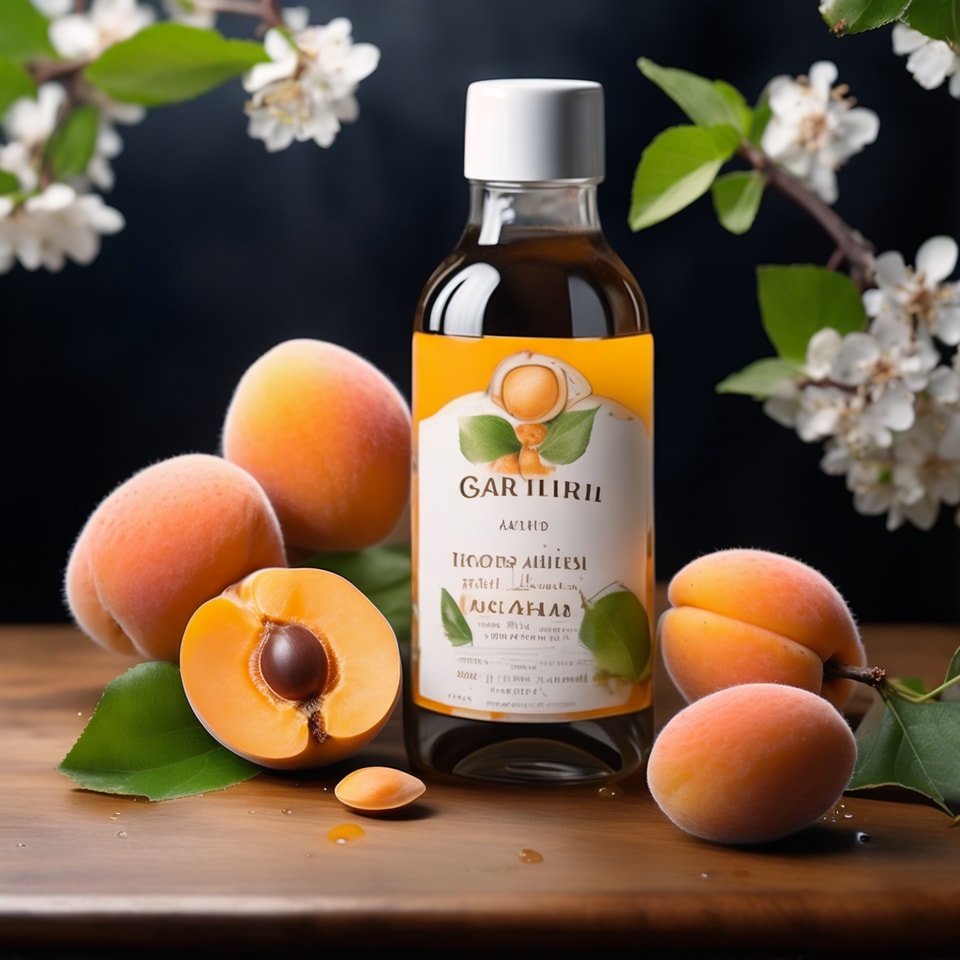
Production line equipment and operation maintenance of apricot juice processing plant
The products of the apricot juice processing plant are mainly made from fresh apricots through a series of processing techniques. These processing techniques include steps such as cleaning, peeling, nucleating, juice extraction, filtration, sterilization, and filling.
The products of the apricot juice processing plant have the following characteristics:
1. Fresh and healthy: The product uses fresh apricots as raw materials and is finely processed, retaining the natural nutrients and taste of apricots. It is rich in vitamins, minerals, and antioxidants.
2. No additives: The product does not contain any artificial colors, spices, preservatives, and other additives, maintaining the original flavor of apricots and meeting the needs of a healthy diet.
3. Convenient and fast: The product aims to facilitate consumer consumption and can be consumed directly or used to make various fruit juice drinks, meeting people's needs for health and convenience.
4. Diverse choices: Products can be developed with different flavors according to market demand, such as original flavor, mixed juice, and adding other fruits, to meet the personalized needs of consumers.
The products of the apricot juice processing factory are widely used in the catering industry, retail market, and personal consumption field, and are a popular health drink.
The cost of apricot juice processing plants mainly includes the following aspects:
1. Raw material cost: The processing plant needs to purchase a large amount of apricots as raw materials to produce apricot juice. The cost of raw materials is influenced by market price fluctuations of apricots and procurement channels.
2. Production equipment cost: Apricot juice processing requires a series of production equipment, including cleaning, shelling, juice extraction, filtration, filling and other equipment. The purchase and maintenance costs of these devices will have an impact on the cost of the processing plant.
3. Human resource cost: The processing plant needs to hire a certain number of employees to carry out production operations, equipment maintenance, quality control, and other work. Employee salaries, social security, welfare benefits, etc. are all part of the cost.
4. Production energy consumption cost: The production process of a processing plant requires a certain amount of energy consumption, such as electricity, water resources, etc. These energy consumption costs will directly affect the level of production costs.
5. Packaging and transportation costs: After the production of apricot juice is completed, it needs to be packaged and transported to the sales location through logistics channels. Packaging materials and transportation costs are both part of the cost.
6. Management and operating costs: The processing plant also needs to pay for the salaries of management personnel, office space rent, equipment maintenance costs, etc. These management and operational costs are also a component of the processing plant's costs.
It should be noted that the above are only some common cost items, and the specific cost situation may be affected by regional differences, production scale, market demand and other factors. Therefore, when conducting cost estimation, it is necessary to conduct detailed analysis and calculations based on the actual situation.
Apricot juice processing line refers to the production line used for producing and processing apricot juice. The following is a typical process of apricot juice processing line:
1. Cleaning and peeling: Put fresh apricots into a cleaning machine to remove surface dirt and impurities. Then remove the outer skin of the apricot through a peeler.
2. Crushing and Juicing: Put the peeled apricots into * * and crush them into small particles. Next, feed the apricot kernels into a juicer and separate the juice from the fruit pulp through pressing.
3. Filtering and clarification: The extracted apricot juice is preliminarily filtered through a filter to remove solid particles and impurities. Then, the apricot juice is sent to a clarifier, which uses centrifugal force and gravity to separate the suspended and precipitated substances in the juice, making it clearer and more transparent.
4. Sterilization and filling: clarified apricot juice needs to undergo sterilization treatment to ensure the safety and shelf life of the product. Common sterilization methods include high-temperature short-term sterilization and ultra-high temperature sterilization. The processed apricot juice is fed into the filling machine and automatically filled into bottles or packaging boxes.
5. Sealing and packaging: Seal the filled apricot juice bottles to ensure product sealing and prevent contamination. Then, label and package the sealed bottles or packaging boxes for easy sales and transportation.
6. Inspection and quality control: Sample inspection of apricot juice produced, including testing of appearance, taste, aroma, and chemical composition. Ensure that the product meets relevant quality standards and regulatory requirements.
The above is a simple process for apricot juice processing, and the specific production line configuration and process parameters may vary depending on the production scale and equipment selection.
The equipment of the apricot juice processing line mainly includes the following steps:
1. Cleaning and peeling: The cleaning equipment is used to remove impurities and dirt from the surface of apricots. Common equipment includes water bath cleaning machines, bubble cleaning machines, etc. Peeling equipment can use a blade to remove the outer skin of apricots, or a steaming and peeling machine can be used for processing.
2. Crushing and stirring: Crushing equipment is used to crush apricot pulp into small particles. Common equipment includes fruit and vegetable , etc. Mixing equipment is used to thoroughly mix crushed fruit pulp and other raw materials. Common equipment includes mixing tanks, mixers, etc.
3. Filtering and Juicing: Filtering equipment is used to filter the stirred mixture, removing solid particles and impurities. Common equipment includes filters, filters, etc. Juicing equipment is used to extract the filtered mixture and obtain pure apricot juice. Common equipment includes centrifugal juicers, presses, etc.
4. Sterilization and filling: Sterilization equipment is used to sterilize the extracted apricot juice to extend its shelf life. Common equipment includes sterilization pots, sterilization boxes, etc. Filling equipment is used to package sterilized apricot juice, and common equipment includes filling machines, sealing machines, etc.
In addition to the equipment in the main links mentioned above, other auxiliary equipment can also be considered to be added according to production needs, such as conveying equipment, storage equipment, testing equipment, etc., to improve production efficiency and product quality. It is necessary to select suitable equipment based on specific production scale and process requirements, and ensure that the equipment meets relevant food hygiene standards and safety requirements.
The operation and maintenance of apricot juice processing line need to pay attention to the following aspects:
1. Operation process:
-Firstly, clean and peel the fresh apricots to ensure their hygiene and quality.
-Then, feed the cleaned apricots into the juicer for juice extraction. The juicer should be equipped with equipment that meets hygiene standards and operated correctly according to the equipment manual.
-After the juice extraction is completed, it is necessary to filter and concentrate the apricot juice to remove solid impurities and increase concentration.
-Finally, the concentrated apricot juice is filled or packaged to ensure the sealing and hygiene of the product.
2. Equipment maintenance:
-Regularly inspect and clean equipment such as juicers, filters, etc. to ensure the cleanliness of the surface and interior of the equipment.
-Check the operation status of the equipment, such as whether the motor, transmission device, etc. are running normally. If there are any abnormalities, repair or replace them in a timely manner.
-Pay attention to the lubrication and maintenance of the equipment, use appropriate lubricants, and follow the equipment manual for maintenance.
-Regularly clean and disinfect the conveyor belts, pipelines, and other parts that come into contact with apricot juice to prevent cross contamination.
3. Quality control:
-Strictly control the quality of apricots and select fresh, pest free apricots for processing.
-Control the juice extraction time and temperature of the juicer to avoid excessive extraction or overheating causing a decrease in quality.
-Concentrate apricot juice appropriately to maintain a suitable concentration to ensure taste and stability.
-During the packaging process, strictly control the filling amount and sealing quality to ensure the hygiene and safety of the product.
4. Health and safety:
-Operators should wear clean work clothes and gloves, and maintain good personal hygiene habits.
-Regularly train operators to enhance their awareness and operational skills regarding health and safety.
-Strengthen the cleaning and disinfection of equipment and production environment to prevent cross contamination and bacterial growth.
-Regularly test the microbial and chemical indicators of apricot juice to ensure that the product complies with relevant standards and regulations.
In short, the operation and maintenance of the apricot juice processing line need to strictly follow hygiene standards and operating procedures to ensure the quality and safety of the products. At the same time, regular equipment maintenance and quality control are carried out to maintain the normal operation of the equipment and the stability of the product.
Shanghai Beyond Machinery Co., Ltd
Beyond Machinery specializes in the design and manufacturing of apricot juice processing plant. Please contact us now, and our professional technical engineers will customize the equipment plan for apricot juice processing plant and provide a quotation. Please contact us now to obtain the latest equipment plan and quotation.
1/3, 2024
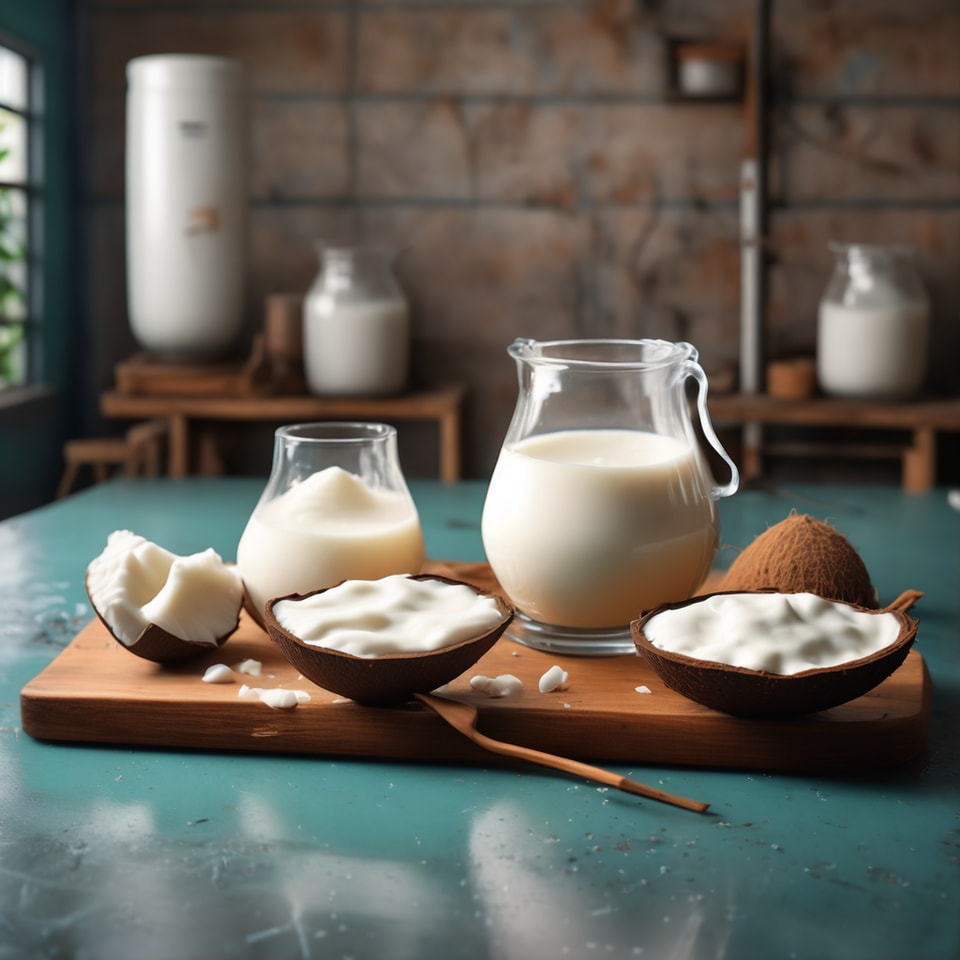
Preparation of Coconut Processing Plant and Coconut Processing Line
The market demand for coconut products has shown a steady growth trend in the past few years. This is mainly due to people's increasing attention to healthy food and natural products, as well as recognition of the various benefits brought by coconut products.The market demand for coconut products is constantly growing, and consumers are increasingly recognizing their health, naturalness, and versatility. With people's pursuit of a healthy lifestyle and preference for natural products, coconut products are expected to continue to maintain a good development momentum in the market.
The preparation of a coconut processing plant needs to consider the following aspects:
1. Market research: Firstly, it is necessary to conduct market research to understand the demand for coconut and its processed products in the market, including coconut water, coconut oil, coconut powder, etc. Market research can determine the market positioning and sales strategy of the product.
2. Site selection and site planning: Select a suitable location for building a coconut processing plant and carry out site planning. Considering the origin and transportation costs of coconuts, it is best to choose a location close to the coconut growing area in order to obtain fresh coconut raw materials.
3. Equipment procurement: Purchase suitable processing equipment based on the type and scale of processed products. For example, the production of coconut water requires equipment such as coconut husking machines and juicers; The production of coconut oil requires equipment such as coconut shellers and mixers. Ensure that the quality and performance of the equipment can meet production needs.
4. Raw material supply: Establish cooperative relationships with coconut growers or wholesalers to ensure stable supply of coconut raw materials. At the same time, it is necessary to ensure the quality and safety of raw materials, and comply with relevant food safety standards and regulations.
5. Production process and quality control: Develop a production process flow for coconut processing and establish a strict quality control system. Ensure stable product quality and compliance with relevant food safety standards.
6. Personnel recruitment and training: Recruit and train suitable employees based on production scale and demand. Including production operators, quality inspectors, equipment maintenance personnel, etc. Train employees in skills and knowledge to improve production efficiency and product quality.
7. Marketing promotion: Develop marketing strategies to promote coconut processing products. Sales can be conducted through online and offline channels, such as supermarkets, e-commerce platforms, etc. At the same time, establish a brand image and enhance the market competitiveness of the product.
8. Compliance management: Comply with relevant laws, regulations, and food safety standards to ensure the compliance of the production process. Establish a sound food safety management system to ensure the quality and safety of products.
The above are some of the main aspects of preparation for coconut processing plants, which require detailed planning and implementation based on actual situations.
Coconut processing line is a production line used for processing and processing coconuts. It is usually composed of a series of equipment and machinery aimed at converting raw coconut into various coconut products, such as coconut oil, coconut powder, coconut water, and coconut milk.
The following are some of the main equipment and steps that may be included in a coconut processing line:
1. Coconut shell removal: This is the first step in removing the outer hard shell of coconuts. Manual or automatic equipment can be used for shell removal operations.
2. Coconut separation: In this step, the outer shell and inner flesh of the coconut are separated. This can be achieved through mechanical devices or manual operations.
3. Coconut crushing: Crush the coconut flesh into smaller chunks for subsequent extraction and processing. You can use a cutting machine to complete this step.
4. Coconut extraction: This is the process of extracting coconut oil from coconut flesh. Usually, pressing or solvent extraction methods are used.
5. Coconut powder preparation: Dry and grind the coconut flesh into a powder, which is used to make coconut powder or other coconut products.
6. Coconut water extraction: Coconut water is extracted from the inside of the coconut, which can be achieved by cutting the coconut or using specialized coconut water extraction equipment.
7. Coconut milk preparation: Mix coconut meat with water, heat and stir to make coconut milk. This process usually includes steps such as stirring, filtering, and sterilization.
The above are just some basic steps and equipment that may be included in the coconut processing line. The actual processing line may vary depending on product requirements and production scale.
Coconut processing line equipment is mainly used for coconut processing and processing, including coconut husking, coconut water extraction, coconut meat crushing, coconut oil extraction, etc. The following are common coconut processing line equipment:
1. Coconut shell remover: used to remove the coconut shell, usually using mechanical force or blade cutting to separate the coconut shell from the inner flesh.
2. Coconut water extractor: used to extract water from the inside of coconuts, usually by pressing or centrifugation to separate coconut water from coconut residue.
3. Coconut meat processing machine: used to crush the pulp inside coconuts into small particles, usually using a blade or mixer for crushing, for subsequent coconut oil extraction or other processing.
4. Coconut oil extractor: used to extract coconut oil from coconut meat, usually by pressing or solvent extraction, to separate coconut oil from coconut residue.
5. Coconut dryer: used for drying coconut meat or coconut residue, usually using hot air or vacuum drying for subsequent processing or storage.
6. Coconut crusher: used to crush coconut meat or coconut residue, usually using high-speed rotating blades or grinders to obtain delicate coconut powder.
7. Coconut thickener: used to concentrate coconut water or coconut juice, usually through evaporation or vacuum concentration to obtain concentrated coconut liquid.
The above are some common coconut processing line equipment, and different processing requirements may vary. When selecting equipment, it is necessary to consider factors such as production scale, processing technology, and product quality, and ensure that the equipment complies with relevant safety and health standards.
The highlights of coconut processing line mainly include the following aspects:
1. Automated production: The coconut processing line adopts advanced automation equipment and technology, which can achieve a series of automated operations from coconut shelling, peeling, cutting, juice extraction, coconut oil extraction, and other processing steps. This not only improves production efficiency, but also reduces labor costs and intensity.
2. Multifunctionality: Coconut processing lines can be adjusted and configured according to different needs and product types, achieving processing operations with multiple functions. For example, various coconut products such as coconut juice, coconut powder, and coconut oil can be produced to meet the diverse needs of the market.
3. High quality products: The coconut processing line uses high-quality raw materials and strict production processes to ensure that the coconut products produced have high quality and hygiene safety. Meanwhile, through precise control and monitoring systems, product consistency and stability can be ensured.
4. Environmental protection and energy conservation: Coconut processing lines pay attention to environmental protection and energy conservation in their design and operation. By utilizing resources reasonably, reducing the generation of waste and wastewater, and using low-energy equipment and technology, environmentally friendly production has been achieved.
5. Intelligent management: The coconut processing line is equipped with an advanced intelligent management system, which can monitor and control various parameters and indicators in the production process in real time. Through data analysis and optimization adjustments, production efficiency and product quality have been improved, and problems can be identified and resolved in a timely manner, enhancing the level of refinement in production management.
In summary, the highlights of coconut processing lines lie in their advantages in automated production, multifunctionality, high-quality products, environmental protection, energy conservation, and intelligent management, providing strong support for the development of the coconut processing industry.
The operation and maintenance of coconut processing lines are key to ensuring efficient, safe, and stable operation of the production process. The following are the general steps and precautions for operating and maintaining a coconut processing line:
1. Operation steps:
a. Preparation work: Check the integrity of equipment and tools to ensure that all necessary materials and raw materials are ready.
b. Starting equipment: Follow the operation manual or instructions to start the equipment on the coconut processing line, such as coconut husking machine, shelling machine, juicer, etc.
c. Feeding and processing: Put the coconut into the corresponding equipment for processing, such as breaking, removing, and juicing.
d. Monitor the production process: closely monitor equipment operating status, temperature, pressure and other parameters to ensure the normal operation of the production process.
e. Adjustment operation: Adjust the equipment parameters according to the actual situation to achieve the best processing effect.
f. Regular maintenance: Clean, lubricate, and maintain the equipment regularly to ensure its normal operation.
2. Precautions:
a. Safe operation: Operators should wear appropriate personal protective equipment, such as gloves, safety glasses, etc., to ensure safe operation.
b. Equipment maintenance: Regularly maintain and upkeep the equipment, clean the surface of the equipment, and replace worn parts to extend its lifespan.
c. Cleanliness and hygiene: Keep the processing line clean and hygienic to prevent impurities from contaminating the product.
d. Quality control: Strictly control the quality of raw materials and finished products to ensure that products meet hygiene standards and customer requirements.
e. Operation monitoring: closely monitor the operation status of equipment, promptly identify and solve potential problems, and avoid production interruptions or quality issues.
f. Training and development: Provide necessary training and skill development for operators to ensure they possess correct operating skills and safety awareness.
The above are the general operation and maintenance steps and precautions for coconut processing lines. The specific operation and maintenance should be adjusted according to the type and scale of the equipment. In the operation and maintenance process, safety and quality should always be the top priority, and flexible adjustments and improvements should be made according to the actual situation.
The environmental protection and energy conservation of coconut processing lines are important issues, which involve resource utilization, waste treatment, and energy consumption in the production process. The following are some measures and methods for environmental protection and energy conservation in coconut processing lines:
1. Resource utilization: During coconut processing, various parts of the coconut should be fully utilized as much as possible. For example, coconut shell can be used as biomass fuel or made into charcoal, coconut fiber can be used to make ropes or textiles, and coconut water can be used as a raw material for beverages or other products. By making reasonable use of the various components of coconut, resource waste can be reduced.
2. Waste treatment: The waste generated during coconut processing should be effectively treated. For example, coconut shells can be burned or pressed into charcoal, and coconut residue can be used as organic fertilizer or animal feed. By scientifically and reasonably handling waste, environmental pollution and resource waste can be reduced.
3. Energy saving measures: In coconut processing lines, energy-saving measures should be taken to reduce energy consumption. For example, using efficient and energy-saving equipment and machinery, optimizing production processes, and reducing energy consumption. In addition, arrange production plans reasonably to avoid unnecessary energy waste.
4. Environmental monitoring: Establish an environmental monitoring system for coconut processing lines, regularly monitor and evaluate the environmental impact during the production process. By monitoring data, problems can be identified in a timely manner and corresponding measures can be taken to improve, ensuring that the production process meets environmental protection requirements.
5. Propaganda and education: Strengthen the cultivation of environmental protection and energy-saving awareness among coconut processing line employees, and enhance their awareness of the importance of environmental protection. Through publicity and education, encourage employees to actively participate in environmental protection and energy conservation and emission reduction work, and form an environmental protection atmosphere where all employees participate.
In short, the environmental protection and energy conservation of coconut processing lines need to comprehensively consider multiple aspects such as resource utilization, waste treatment, and energy-saving measures. Only by taking scientific and reasonable measures throughout the entire production process can sustainable development of coconut processing be achieved.
Shanghai Beyond Machinery Co., Ltd
Beyond Machinery specializes in the design and manufacturing of Coconut Processing Plant. Please contact us now, and our professional technical engineers will customize the equipment plan for Coconut Processing Plant and provide a quotation. Please contact us now to obtain the latest equipment plan and quotation.
12/28, 2023
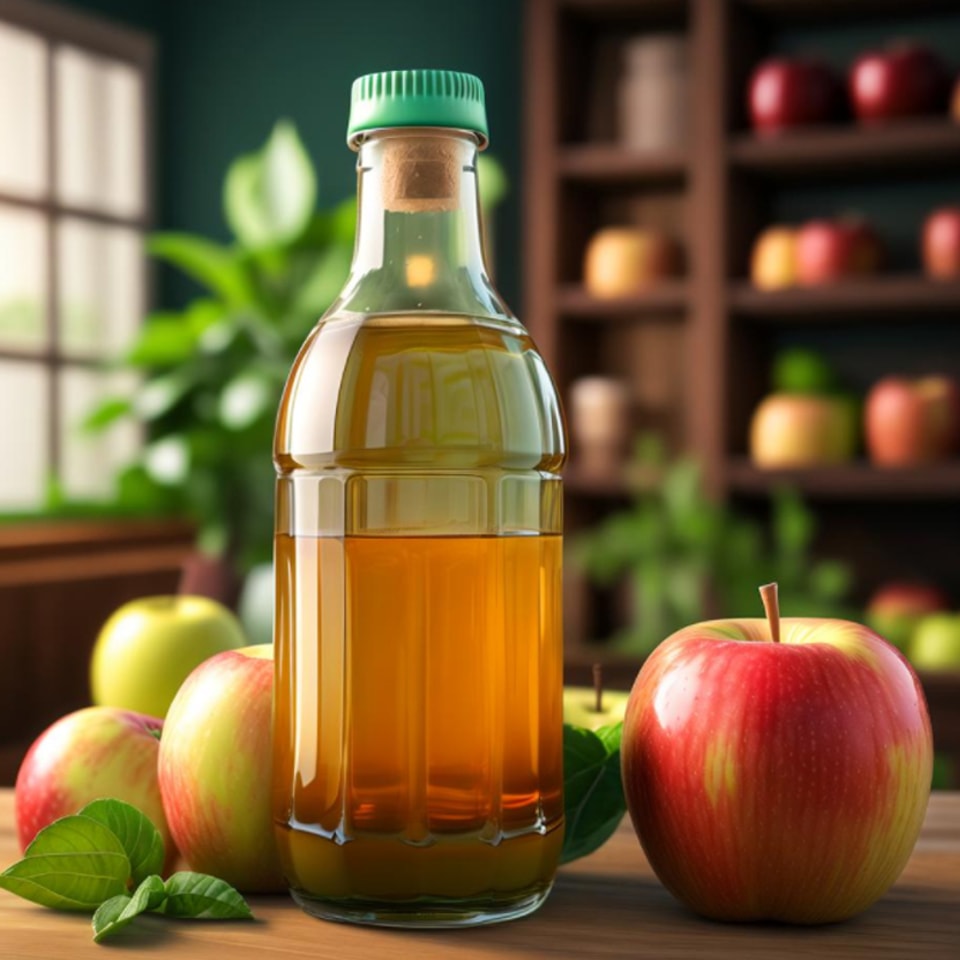
The construction of apple processing plants and the equipment of apple processing lines
The construction of an apple processing plant involves multiple aspects, including site selection, facility construction, production equipment procurement, human resource allocation, and raw material supply chain. Firstly, market research is needed to determine the geographical location of the processing plant, taking into account its proximity to the apple planting base for obtaining fresh raw materials and facilitating logistics transportation. After determining the site selection, it is necessary to conduct land planning and environmental assessment to ensure that the construction of the factory complies with local regulations and environmental requirements.
In terms of facility construction, it is necessary to design a factory layout that meets production needs, and consider the rationality and efficiency of the production process. At the same time, it is necessary to build supporting office buildings, employee dormitories, canteens and other facilities to provide employees with good working and living conditions.
In terms of production equipment procurement, it is necessary to select appropriate equipment based on the processing technology, such as washing, peeling, slicing, packaging and other equipment, and ensure that the quality and performance of the equipment meet production requirements.
In terms of human resource allocation, it is necessary to recruit technical personnel with processing experience, establish a production management team, develop production plans and quality control standards, train production operators, and ensure the normal operation of the production line.
In addition, building an apple processing plant also requires establishing a sound raw material supply chain, establishing stable cooperative relationships with apple planting bases or suppliers, ensuring timely supply of raw materials and controllable quality.
Finally, it is necessary to consider the marketing strategy and product sales channels of the processing plant, develop a marketing promotion plan, and push the processed apple products to the market to achieve economic benefits.
Apple processing line equipment usually includes the following main parts:
1. Cleaning and sorting equipment: These devices are used to clean and remove impurities from the original apples, and classify them according to size and quality level.
2. Peeling and nucleating equipment: For different processing needs, apples may need to be peeled and nucleated. These devices can automate these steps.
3. Slicing or cutting equipment: Slice or cut processed apples for subsequent processing or packaging.
4. Drying equipment: used to dry cut apples to extend their shelf life, and can also be used to produce dried fruit products.
5. Soaking or pickling equipment: If it is necessary to produce products such as preserved fruits or jam, apples may need to be soaked or pickled, which requires corresponding equipment.
6. Packaging equipment: Finally, the processed apple products need to be packaged. This includes equipment such as packaging bags, sealing machines, labeling machines, etc.
The above are the basic components of general apple processing line equipment, and of course, the specific processing line equipment may vary depending on the processed products.
The apple processing line usually includes the following main steps:
1. Cleaning and sorting: Clean the picked apples to remove surface impurities and dirt. Then sort according to characteristics such as size and maturity for subsequent processing and use.
2. Peeling and nucleating: Peeling and nucleating apples can be done automatically through mechanical equipment to improve efficiency.
3. Slicing or chunking: According to product requirements, apples are sliced or chunked, usually classified according to different specifications.
4. Dehydration treatment: Cut apples are dehydrated to remove excess moisture, which helps maintain the taste of the product and extend its shelf life.
5. Drying: Apples that have undergone dehydration treatment are usually dried using hot air circulation drying equipment to achieve the required moisture content.
6. Packaging: Finally, the processed apple products are packaged, usually using vacuum packaging or modified atmosphere packaging, to maintain the freshness and quality of the products.
The above is the general process of an apple processing line, and the specific design of the processing line may vary depending on the type and scale of the product.
The operation and maintenance of apple processing lines involve multiple aspects, including equipment operation, production management, and equipment maintenance. The following are the relevant contents for the operation and maintenance of apple processing lines in general:
1. Equipment operation:
-Operators need to receive professional training to understand the operating procedures, safety precautions, and operating procedures of apple processing equipment.
-According to the requirements of the operation manual, operate the cleaning, peeling, slicing, squeezing and other processing equipment correctly to ensure standardized and safe operation.
2. Production management:
-Ensure the quality of raw materials, conduct preliminary screening, cleaning, and classification of apples to ensure that the processed products meet quality standards.
-Control the temperature, humidity, and processing time during the production process to ensure product quality and safety.
3. Equipment maintenance:
-Regularly inspect and maintain apple processing equipment, including cleaning, lubrication, and replacing vulnerable parts, to ensure the normal operation of the equipment and extend its service life.
-Promptly handle equipment malfunctions, and for larger malfunctions, professional maintenance personnel are required for repair and upkeep.
4. Security management:
-Strengthen safety awareness training, ensure that operators strictly follow operating procedures, use personal protective equipment correctly, and prevent potential accidental injuries during operation.
-Strengthen equipment safety protection, ensure that equipment meets safety standards, set up safety warning signs, and conduct regular safety inspections to ensure safety during the production process.
The above is the relevant content for the operation and maintenance of apple processing lines in general, and the specific situation needs to be analyzed and operated according to the actual situation.
The automation control of apple processing line refers to the use of advanced control systems and equipment to automate and monitor various aspects of the apple processing production line. This includes automatic control of apple sorting, cleaning, cutting and packaging.
On the apple processing line, a PLC (Programmable Logic Controller) can be used as the control core to obtain information about apples, such as size, weight, color, etc., through sensors, and then sort and locate them according to the preset program. Next, automated equipment such as robotic arms and conveyor belts will be used to clean, cut, and package apples. The entire process can be monitored and scheduled through a human machine interface (HMI).
In addition, a visual recognition system can be introduced to detect and sort apples through cameras, improving the accuracy and efficiency of automated control. At the same time, data collection and analysis are also an indispensable part of automation control. Through the analysis of production data, the production process can be optimized, and production efficiency and quality can be improved.
Overall, the automation control of apple processing lines can improve production efficiency, reduce labor costs, reduce human errors, and adapt to production of different scales and needs.
The final product of an apple processing line can be various apple products, such as apple juice, apple jam, dried apples, apple cider vinegar, apple jam, etc. These products can be consumed directly or used as raw materials for food processing, and are widely used in the food industry.
The energy consumption of apple processing lines depends on many factors, including production scale, equipment efficiency, processing process, and energy type. Generally speaking, the energy consumption of apple processing lines mainly includes the following aspects:
1. Mechanical equipment: Various mechanical equipment used in apple processing lines, such as cleaning equipment, cutting equipment, drying equipment, etc., usually require electricity or other forms of energy drive.
2. Heating and cooling: In processes such as juice extraction and jam production, heating or cooling equipment may be required, which typically consumes a large amount of energy.
3. Lighting and air conditioning: The lighting and air conditioning systems inside the processing plant also consume a lot of energy, especially in large processing plants.
4. Transportation and packaging: Energy consumption also includes the transportation of raw materials and finished products, as well as the energy required during the packaging process.
In order to reduce the energy consumption of apple processing lines, a series of measures can be taken, such as optimizing equipment efficiency, adopting energy-saving equipment, improving processing processes, and promoting the utilization of renewable energy. At the same time, energy consumption can also be monitored and optimized through energy management systems to achieve sustainable development and improve resource utilization efficiency.
Shanghai Beyond Machinery Co., Ltd
Beyond Machinery specializes in the design and manufacturing of apple processing plants. Please contact us now, and our professional technical engineers will customize the equipment plan for apple processing plants and provide a quotation. Please contact us now to obtain the latest equipment plan and quotation.
12/19, 2023

The process and equipment of butter processing line, as well as the operation and maintenance of butter processing line
The butter processing line refers to the production line equipment used for producing butter. A typical butter processing line includes the following main steps:
1. Reception and storage: The butter processing line first needs to receive the raw cream and store it, usually with dedicated milk storage tanks or pools.
2. Separation: Next, the raw cream will undergo a separation process to separate the milk fat and whey, usually achieved through a centrifuge.
3. Preparation and processing: The separated milk fat will be sent to the preparation and processing equipment, which can mix, homogenize, and pasteurize the milk fat to ensure product quality and hygiene safety.
4. Cooling and crystallization: The processed milk fat will be cooled to a specific temperature, promoting the crystallization of the fat, which is a key step in the formation of butter.
5. Stirring and shaping: The crystallized milk fat will be sent to the mixing equipment for stirring, making it a typical taste and appearance of butter. Subsequently, the butter will be fed into the molding machine to form the final product form, such as strips, blocks, etc.
6. Packaging and storage: Finally, the formed butter will be packaged through packaging equipment and then sent to the storage room for delivery to the market or customers.
The butter processing line usually varies depending on the production scale and process requirements, but the above steps are its basic process.
The butter processing line equipment usually includes the following key parts:
1. Melting and mixing equipment: used to melt solid butter into a liquid state and can be mixed with other ingredients, such as whey protein, table salt, etc.
2. Emulsification equipment: used to combine butter and water to form an emulsion. This step is very important as it affects the texture and taste of butter.
3. Cooling equipment: Quickly cool the emulsified butter to solidify and maintain the desired shape and structure.
4. Packaging equipment: used to package processed butter, which can be quantitative packaging or large container packaging, depending on the demand.
In addition, the automation control system is also an indispensable part of the butter processing line equipment, which can monitor and adjust the entire production process to ensure the quality and production efficiency of butter.
The cost of a butter processing plant depends on multiple factors, including equipment cost, raw material cost, labor cost, energy cost, transportation cost, management cost, etc. Equipment cost may be one of the biggest expenses, including purchasing processing equipment and production lines, storage equipment, etc. The cost of raw materials involves the procurement cost of cream, while labor costs include the wages of operators, technicians, and management personnel, as well as training costs. The energy cost covers the energy consumption of processing equipment, including electricity and fuel. The transportation cost depends on the distance and method of transportation of raw materials and finished products. Management costs include office expenses, marketing costs, etc.
It is worth noting that the cost of butter processing plants is also influenced by factors such as region, scale, and technological level. To gain a detailed understanding of the costs of butter processing plants, specific cost analysis and budget preparation are required.
The butter processing line mainly produces butter and its related products. Butter is a dairy product typically made from milk fat that has been stirred and squeezed. On the butter processing line, various types of butter can be produced, including salted butter, salted butter, organic butter, etc. In addition, butter processing lines can also produce butter related products, such as butter blends, butter substitutes, butter packaging, etc. These products are commonly used in the food processing and catering industries, and are widely used in fields such as baking, cooking, and food manufacturing.
The maintenance and operation of the butter processing line need to follow the following steps:
1. Equipment maintenance:
-Regular cleaning: Regularly clean equipment to ensure the normal operation of the production line. This includes cleaning residues, grease, and other impurities.
-Lubrication: Ensure that the moving parts of the equipment are properly lubricated to reduce wear and friction, and extend the lifespan of the equipment.
-Regular inspection: Conduct a comprehensive inspection of the equipment on a regular basis to ensure that all components are in good condition, and promptly identify and repair potential problems.
2. Operation process:
-Familiarity with equipment: Operators need to have a thorough understanding of the various components and functions of the butter processing line to ensure proper operation of the equipment.
-Adjusting parameters: According to production requirements, adjust the parameters of the processing line, such as temperature, pressure, and speed.
-Monitoring production: Continuously monitor the production process to ensure the stable operation of the butter processing line and promptly handle any abnormal situations.
3. Safety precautions:
-Operators need to wear personal protective equipment that meets the standards, such as gloves, safety shoes, and helmets.
-Strictly follow the operating procedures and prohibit unauthorized access or contact with moving parts during equipment operation.
-Conduct regular safety checks on equipment to ensure that safety devices are in good condition and effective.
In short, the maintenance and operation of the butter processing line need to be strictly carried out in accordance with the operating manual and safety regulations to ensure the safe and efficient operation of the production line.
Shanghai Beyond Machinery Co., Ltd
Beyond Machinery specializes in the design and manufacturing of Butter processing line. Please contact us now, and our professional technical engineers will customize the equipment plan for Butter processing line and provide a quotation. Please contact us now to obtain the latest equipment plan and quotation.
12/15, 2023

The cost of yogurt factories and the process and equipment of yogurt processing lines
Yogurt production factories typically include processes such as raw material processing, fermentation, packaging, and quality control. Firstly, the raw material processing stage involves the receipt, storage, and pretreatment of milk to ensure that it meets production requirements. Next is the fermentation process, which involves mixing pre treated milk with active lactic acid bacteria and then fermenting under constant temperature conditions. After fermentation is completed, it is necessary to cool, mix, and add fruit materials to the yogurt before packaging. Quality control is crucial throughout the entire production process, including testing and monitoring of raw materials, production environment, and finished yogurt to ensure that the product meets hygiene standards and quality requirements. At the same time, the factory also needs to comply with relevant food safety regulations and standards to ensure the safety and reliability of the yogurt produced.
A yogurt processing flowchart typically includes the following steps:
Raw material reception and storage: Milk is received as the main raw material and stored in appropriate containers.
Sterilization: Milk is sterilized by heating to eliminate potential harmful microorganisms.
Cooling: The sterilized milk is quickly cooled to the appropriate fermentation temperature.
Inoculation fermentation agent: Add lactic acid bacteria or other fermentation agents to start the fermentation process of yogurt.
Fermentation: Under certain time and temperature conditions, the fermentation agent converts lactose in milk into lactic acid, forming the unique taste and flavor of yogurt.
Conditioning: Depending on the product formula requirements, fruit seasonings, sweeteners, or other seasonings may be added.
Packaging: Put the finished yogurt into a suitable packaging container, usually a plastic cup or bottle.
Refrigeration: Packaged yogurt is stored at a suitable temperature to maintain freshness and quality.
Inspection and quality control: Inspect finished yogurt to ensure compliance with hygiene standards and product quality requirements.
Finished product storage and distribution: Store and distribute yogurt that has passed quality inspection to sales points or customers.
The above process is a typical process for general yogurt processing, and specific details may vary depending on production scale, equipment type, and product type.
Yogurt processing line equipment usually includes the following main parts:
Fermentation tank: used to mix milk and fermentation agents, control temperature and time to promote the growth and fermentation of lactic acid bacteria.
Sterilization equipment: Sterilize the fermented yogurt to ensure the hygiene, safety, and stability of the product.
Filling machine: used to pack yogurt into packaging containers, which can be paper boxes, plastic cups, or other types of packaging.
Sealing machine: Seals packaging containers containing yogurt to prevent contamination and extend product shelf life.
Cooling equipment: Quickly cool the packaged yogurt container to ensure product quality and taste.
Packaging machine: Packaging the cooled yogurt container, which can be finished product packaging or box packaging, for transportation and sales.
The above are the general components of yogurt processing line equipment. The selection and configuration of specific equipment will be adjusted and optimized based on factors such as production scale, technical requirements, and product characteristics.
The cost of yogurt processing plants is influenced by various factors, including but not limited to equipment procurement, raw material procurement, labor costs, production site rent or purchase expenses, operating costs, and marketing expenses. Generally speaking, equipment and production lines are one of the biggest investments for yogurt processing plants, and their prices depend on production scale, degree of automation, and the brand and quality chosen. In addition, the cost of raw materials will also have a significant impact on the overall cost. The cost of labor depends on the employment market and labor regulations in the region. Overall, establishing a yogurt processing plant requires comprehensive cost analysis and business planning to ensure sustainable operation and profitability.
Shanghai Beyond Machinery Co., Ltd
Beyond Machinery specializes in the design and manufacturing of yogurt processing lines. Please contact us now, and our professional technical engineers will customize the equipment plan for yogurt processing lines and provide a quotation. Please contact us now to obtain the latest equipment plan and quotation.
12/14, 2023
Milk powder processing plant and milk powder plant project cost
A milk powder processing plant is a factory that specializes in extracting milk fat and water from milk, and then converting it into a powdered form. The following are the main processes and steps of a milk powder processing plant:
1. Collection and storage of milk: Raw milk comes from farms or dairy factories and needs to be screened and inspected through quality control standards. Afterwards, the milk will be stored in special storage tanks to ensure its freshness and hygiene.
2. Pretreatment: The purpose of milk pretreatment is to remove impurities and unnecessary substances. This process typically includes steps such as filtration, degreasing, sterilization, and dehydration. Defatting can remove a portion of milk fat, depending on the needs of the product.
3. Concentration: Concentration is the process of reducing the moisture in milk while increasing the solid content of milk. Concentration can be achieved through physical means such as evaporation or reverse osmosis technology. The concentrated liquid is called concentrated milk.
4. Drying: Drying is the process of converting concentrated milk into powder form. This process uses spray drying technology to spray liquid into hot air, quickly evaporate water and form fine powder particles.
5. Canning and packaging: The dried milk powder will be packed into cans, bags, or bulk packaging. This process needs to comply with hygiene standards and ensure the quality and safety of the product.
6. Quality control: The milk powder processing plant conducts strict quality control at each production stage, including physical, chemical, and microbiological testing. These tests can ensure that the product meets national and international standards and meets consumer expectations.
7. Inventory and distribution: Processed milk powder will be stored in appropriate warehouses and distributed to distributors and consumers through logistics systems.
The design and operation of a milk powder processing plant need to consider many factors, such as raw material quality control, production equipment selection, process optimization, product packaging, and quality management. These factors directly affect the quality of products, market competitiveness, and economic benefits of enterprises. Therefore, a good management team and professional technical personnel are important guarantees for the successful operation of milk powder processing plants.
The cost of a milk powder processing plant project is influenced by many factors, such as scale, equipment selection, geographical location, building and infrastructure costs, labor costs, and quality control and regulatory requirements. Here are some main factors that may affect the cost of milk powder processing plant projects:
1. Scale and Capacity: The scale of the project and the required capacity will directly affect costs. Larger factories often require more investment, including more equipment and larger buildings.
2. Equipment investment: milk powder processing requires various equipment, such as sterilization equipment, filtration system, concentration equipment, spray drying equipment, packaging machinery, etc. The selection and brand of equipment can also have an impact on costs.
3. Geographical location: The geographical location of the project will directly affect transportation costs and the feasibility of the raw material supply chain. If the project is located near the dairy production area, raw material supply and logistics costs may be lower.
4. Buildings and infrastructure: Investment in buildings and infrastructure includes factory buildings, storage areas, offices, and laboratory facilities. These costs will vary depending on the project size and requirements.
5. Labor: Labor cost is one of the important factors to consider. This includes the number of employees and salary required for factory operation.
6. Quality control and supervision: Milk powder processing plants need to comply with relevant national and international standards and regulations to ensure product quality and safety. Therefore, the equipment, manpower, and testing costs required for quality control and supervision should be included in the project budget considerations.
In summary, the cost of milk powder processing plant projects may vary due to multiple factors. An accurate cost estimation requires detailed market research, project scale determination, and communication with suppliers and professional consultants. It is recommended to conduct a thorough feasibility study and budget evaluation before proceeding with the milk powder processing plant project.
Shanghai Beyond Machinery Co., Ltd
Beyond Machinery specializes in the design and manufacturing of Milk powder processing plant. Please contact us now, and our professional technical engineers will customize the equipment plan for Milk powder processing plant and provide a quotation. Please contact us now to obtain the latest equipment plan and quotation.
12/11, 2023
The steps and advantages of palm fruit processing line
The palm fruit processing line is a set of equipment and process systems specifically designed for processing and processing palm fruits. It usually consists of multiple workstations and various mechanical equipment, aiming to improve production efficiency, ensure product quality, and reduce labor costs through automation and intelligent technology.
1. Cleaning: Clean the harvested palm fruits to remove surface impurities and dirt, ensuring the hygiene and safety of the raw materials.
2. Peeling: Peeling the cleaned palm fruit, which separates the core from the flesh. This can be achieved through mechanical or manual operation.
3. Crushing: After dehulling, the palm fruit is placed in equipment for crushing, causing the flesh to break into smaller chunks.
4. Stirring: Put the crushed palm fruit chunks into a blender for better mixing and dispersion of the oil in the flesh.
5. Soaking: Soak the stirred palm fruit in heated water to separate the oil. The soaking time and temperature are controlled according to the product requirements.
6. Separation: After soaking, separate the palm fruit from the soaking solution. This can be achieved through physical separation, centrifugal separation, or filtration.
7. Clarification: Clarify the separated palm fruit pulp to remove suspended solids and impurities, making it more pure.
8. Concentration: Concentrate the clarified palm fruit juice to increase the concentration of oil. Concentration can be achieved through methods such as evaporation and vacuum concentration.
9. Refining: Refining the concentrated palm fruit oil to remove impurities and impurities, improving the quality and taste of the oil.
10. Deodorization: Deodorization treatment is carried out on refined palm fruit oil to remove odors and impurities in the oil, improve taste and shelf life.
11. Packaging: After the above processing steps, the final palm oil is packaged for storage, transportation, and sales.
It should be noted that different palm fruit processing lines may have some differences, and the specific processing steps and technical parameters may vary slightly, depending on the product requirements and the design of the process flow.
The processing line of palm fruits has the following advantages:
1. High efficiency: Modern palm fruit processing lines use automated and intelligent equipment, which can complete a large amount of processing work in a short time and improve production efficiency. Compared to manual processing, the processing line can significantly reduce labor costs and save time.
2. High quality products: The processing line can be precisely controlled and monitored to ensure that the quality and specifications of the products meet the requirements. By optimizing the design of the equipment and a series of processing steps, palm fruits can maintain their original nutritional content and avoid quality fluctuations during manual operations.
3. Resource conservation: Processing lines usually use advanced technology and equipment to maximize the utilization of raw materials and energy. Through automated processes and equipment control, waste and loss are reduced, resource utilization efficiency is improved, and it is environmentally friendly.
4. Safety and Health: The processing line adopts a closed and sterile processing environment, reducing the influence of external factors and ensuring the safety and hygiene of products. At the same time, the fully automated processing process reduces the possibility of workers coming into contact with products and reduces the risk of cross contamination.
5. Traceability: The processing line is generally equipped with a data recording and tracking system, which can record and monitor each processing step. This can trace the source and processing of the product, ensure the quality and safety of the product, and enhance consumer trust.
In summary, the processing line of palm fruit can improve production efficiency and product quality, meet market demand, and meet the requirements of sustainable development through advantages such as automation, precise control, resource conservation, and safety and hygiene.
Shanghai Beyond Machinery Co., Ltd
Beyond Machinery specializes in the design and manufacturing of palm fruit processing line. Please contact us now, and our professional technical engineers will customize the equipment plan for palm fruit processing line and provide a quotation. Please contact us now to obtain the latest equipment plan and quotation.
12/8, 2023
Dairy production equipment and dairy beverage production machinery
Dairy production equipment is a complete system used to produce various dairy products, including but not limited to fresh milk, yogurt, milk drinks, etc. Here are the basic dairy production equipment:
1. Feeding system: mainly includes feeding tanks, feeding pumps and other equipment, used for the input of raw materials.
2. Pre processing equipment: such as centrifuges, filters, separators, etc., used for the preliminary treatment of milk.
3. Homogenizer: used for reducing the particle size of milk fat balls to prevent defatting and sedimentation.
4. Sterilization equipment: including high-temperature short-term sterilization machine (HTST) and ultra-high temperature instantaneous sterilization machine (UHT).
5. Fermentation tank: used to produce yogurt or other fermented milk products.
6. Filling equipment: including various filling machines, such as sterile filling machines, bagging machines, bottling machines, etc.
7. Sealing equipment: used to seal already filled dairy products.
8. Cooling and refrigeration equipment: used for product cooling and storage.
9. Cleaning equipment: including CIP automatic cleaning system to clean and disinfect production equipment.
10. Auxiliary equipment: such as steam generators, cooling systems, air dryers, conveyor belts, etc.
In addition to the above-mentioned equipment, supporting water treatment equipment, laboratory testing equipment, etc. are also required. The specific configuration needs to be determined based on your dairy product type and production scale.
The manufacturing process of milk drinks usually involves several steps such as emulsification, homogenization, sterilization, and packaging. Therefore, there are various types of mechanical equipment used to make milk drinks, which can be specifically divided into the following types:
1. Mixing tank: used for mixing raw materials such as milk, sugar, additives, etc.
2. Emulsifier: used to mix oil and water evenly to form a stable lotion.
3. Homogenizer: used to crush milk fat balls, reduce their particle size, and avoid defatting and sedimentation.
4. Sterilization machine: There are high-temperature short-term sterilization machines, ultra-high temperature instantaneous sterilization machines, etc., used to eliminate microorganisms in milk.
5. Filling machine: performs aseptic filling, bottling, bagging, etc.
6. Capping machine or sealing machine: used to seal the filled product.
The above are only the main mechanical equipment. In fact, in the dairy production process, other auxiliary equipment may also be needed, such as steam generators, cooling systems, cleaning equipment, conveyor belts, etc. If you need to learn more about milk beverage manufacturing machinery, it is recommended to consult with relevant equipment manufacturers, who will provide the most professional advice according to your needs.
Shanghai Beyond Machinery Co., Ltd
Beyond Machinery specializes in the design and manufacturing of dairy beverage production machinery. Please contact us now, and our professional technical engineers will customize the equipment plan for dairy beverage production machinery and provide a quotation. Please contact us now to obtain the latest equipment plan and quotation.
12/5, 2023

Tomato processing factory tomato manufacture processing line
A tomato processing plant is a production plant that converts fresh tomatoes into various tomato products through a series of processing techniques. These tomato products can include tomato sauce, tomato sauce, tomato sauce powder, tomato paste, etc. The following are the main processing steps of a tomato processing plant:
1. Cleaning: Tomatoes need to be thoroughly cleaned before entering the processing stage. This process usually uses water and cleaning agents to remove surface impurities, pesticide residues, etc.
2. Peeling and Seeding: After cleaning, tomatoes need to have their skin and seeds removed to obtain pure tomato meat. This can be achieved by soaking tomatoes in hot water and then using a cutting machine to remove the skin and seeds.
3. Cutting and stirring: The peeled and seeded tomatoes will be cut into small pieces and finely ground using a blender to turn them into tomato paste.
4. Seasoning: According to different product requirements, seasonings and food additives such as salt, sugar, pepper, garlic, etc. can be added to enhance taste and flavor.
5. Cooking: Put the tomato sauce into a large pot and boil it, maintaining an appropriate temperature and time to turn it into a thick tomato sauce.
6. Filling and packaging: After cooking, tomato sauce will be filled into containers such as plastic bottles, glass bottles, etc. Then seal and package the container to ensure the hygiene and shelf life of the product.
7. Quality inspection and storage: The processed tomato products need to undergo quality inspection to ensure compliance with relevant standards and regulations. Then store it in an appropriate environment to ensure quality and shelf life.
It is worth noting that tomato processing plants must strictly control food safety and hygiene conditions during the processing, ensuring that the produced tomato products meet national food safety standards and can be safely consumed by consumers. In addition, tomato processing plants also need to continuously launch tomato products that cater to consumer tastes and diversity based on market demand and product research and development innovation.
The tomato sauce production line is a series of equipment used for large-scale production of tomato sauce. It usually includes the following main machines:
1. Cleaning and Sorting Machine: Used to clean tomatoes and remove impurities, and then classify tomatoes to ensure the quality and consistency of the production process.
2. Cutting machine: Cut cleaned and sorted tomatoes into small pieces or fine threads for subsequent processing steps.
3. Heating and Stirring Machine: Heat and stir the cut tomatoes to achieve concentration, mixing, and uniform heating.
4. Evaporation concentrator: used to evaporate the water in tomato juice, thereby concentrating the tomato sauce.
5. Filling machine: used to fill concentrated tomato sauce into containers, which can be glass bottles, plastic bottles, or other packaging forms.
6. Sealing machine: used to seal the filled tomato sauce container, maintaining the freshness and quality of the product.
7. Packaging machine: used to package sealed tomato sauce containers, which can be different forms of packaging materials such as paper boxes and packaging bags.
8. Detection and labeling machine: used for quality inspection of packaged tomato sauce, and for batch printing and attaching product labels.
The tomato sauce production line can also add other auxiliary equipment according to different processes and production needs, such as tomato skin separators, soaking machines, grinders, etc.
Each machine mentioned above has a specific function and role in the tomato sauce production line, and they work closely together to make the entire production process efficient, automated, and ensure the production of high-quality tomato sauce products.
Shanghai Beyond Machinery Co., Ltd
Beyond Machinery specializes in the design and manufacturing of tomato processing factory machine. Please contact us now, and our professional technical engineers will customize the equipment plan for tomato manufacture processing line and provide a quotation. Please contact us now to obtain the latest equipment plan and quotation.
11/29, 2023
Apple juice production process apple juice making machine
The production process of apple juice mainly includes the following steps:
1. Apple picking and screening: Firstly, mature apples will be picked and screened to remove apples that do not meet the requirements, such as rotten or damaged fruits.
2. Cleaning and disinfection: Picked apples will be cleaned to remove surface dirt and impurities. Subsequently, apples are usually disinfected to ensure hygiene and safety during the production process.
3. Peeling and Pitching: Clean apples are further peeled and pitted to remove the skin and pits. This step can be completed using mechanical equipment to improve efficiency.
4. Juicing: Peeled and pitted apples will enter the juicer and extract juice from the pulp through pressing. There are two commonly used methods in the juicing process: hot pressing and cold pressing. The hot pressing method uses high temperature to heat apples to increase juice production, while the cold pressing method aims to maintain more vitamins and nutrients.
5. Filtering and clarification: The squeezed apple juice may contain pulp and impurities, so it needs to be filtered and clarified. The filtering method can be physical filtration or centrifugal filtration to remove solid particles. Clarification usually involves adding clarifying agents (such as gelatinase) or performing centrifugation to remove turbid substances.
6. Sterilization and preservation: In order to ensure the hygiene, safety, and freshness of apple juice, it is often necessary to carry out sterilization treatment. This can be achieved through methods such as high-temperature heating, ultra-high pressure treatment (HPP), or adding preservatives.
7. Packaging and storage: Finally, the sterilized apple juice is placed in bottles, cans, or other containers and sealed for packaging. Then, the apple juice will be stored under appropriate temperature conditions to ensure stability in quality and taste.
It should be noted that different manufacturers may have differences in specific production process details, but the above steps roughly cover the production process of apple juice.
The production machines for apple juice can usually be divided into the following categories:
1. Apple cleaning machine: used to clean apples and remove surface dirt and impurities. It usually consists of a sprinkler system, a rotating brush, and a conveying system, which can efficiently clean a large amount of apples.
2. Apple peeler and corer: This machine can quickly remove the skin and core of apples, improving production efficiency. It usually uses a blade or rotating brush to complete the peeling and core removal process.
3. Apple crusher: used to crush peeled and pitted apples into small pieces for subsequent juice extraction. Crushers are usually achieved by rotating blades or pressing devices.
4. Apple juicer: used to extract juice from apple fragments. Juicers can be divided into two types: hot press and cold press. The hot press increases juice production by heating apple chips, while the cold press can maintain more vitamins and nutrients.
5. Apple juice filter: used to filter and extract apple juice, removing pulp and solid particles. The filter can use the principles of physical filtration or centrifugal filtration to ensure that the final apple juice is clear and transparent.
6. Apple juice sterilizer: used to sterilize apple juice to ensure hygiene and safety and extend its shelf life. The commonly used methods for sterilization machines include high-temperature heating, ultra-high pressure treatment (HPP), etc.
7. Apple juice filling machine: used to put sterilized apple juice into bottles, cans, or other containers and seal them. Filling machines usually have automated control systems that can complete filling work according to demand and specifications.
In addition, there are also some auxiliary equipment, such as conveyor belts, can sealing machines, label attaching machines, etc., used to assist in the production and packaging process of apple juice and improve production efficiency.
It is necessary to choose a suitable apple juice making machine based on specific production needs, while also considering the quality and reliability of the equipment to ensure the production of high-quality apple juice products.
Shanghai Beyond Machinery Co., Ltd
Beyond Machinery specializes in the design and manufacturing of apple juice making machine. Please contact us now, and our professional technical engineers will customize the equipment plan for apple juice making machine and provide a quotation. Please contact us now to obtain the latest equipment plan and quotation.
11/27, 2023
