

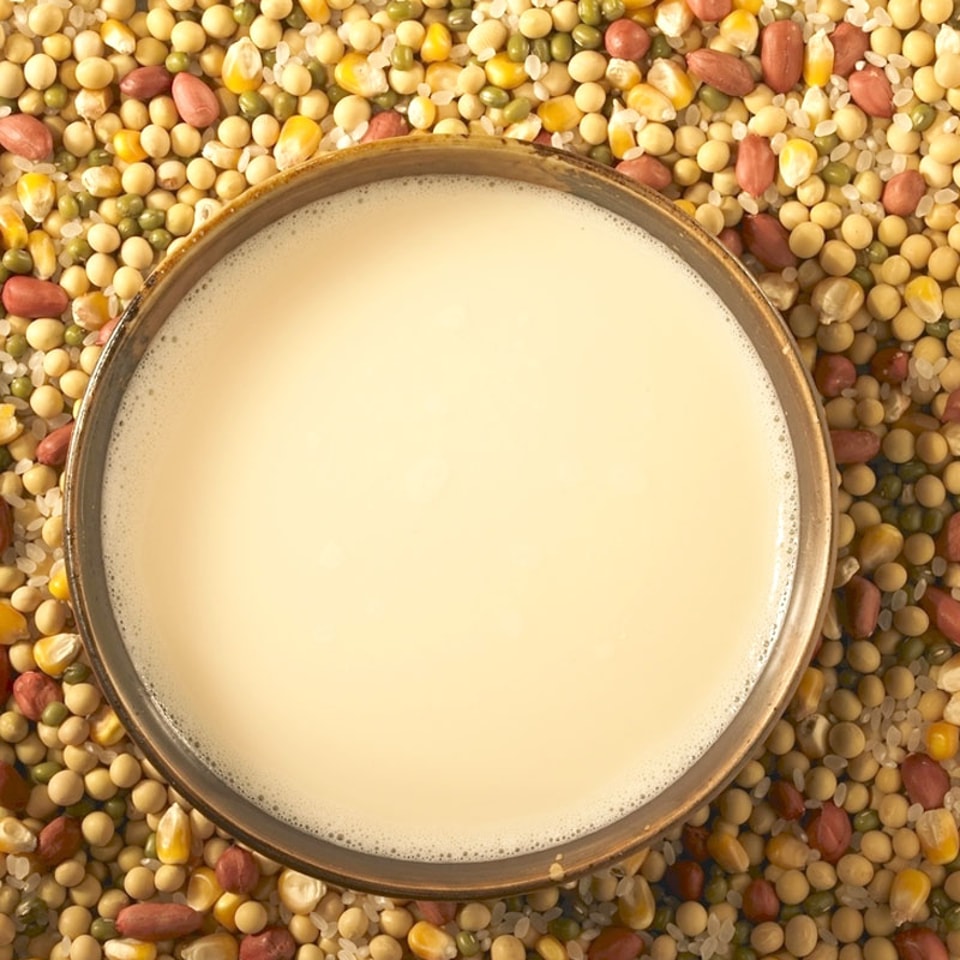
Soy milk processing plant and soybean milk production machine
The technological process of soybean milk processing plants usually includes the following steps:
1. Cleaning and soaking of soybeans: Wash the purchased soybeans to remove impurities, and soak them at a suitable temperature to soften the soybeans and improve their solubility.
2. Grinding: Soaked soybeans are ground with a grinder, broken into shells, crushed, and thoroughly mixed with water to form a slurry.
3. Filtering: filter the material after grinding with filtering equipment (such as filter screen or centrifuge) to remove the solid particles in it and obtain relatively pure soybean milk liquid.
4. Boiling and sterilization: heat the filtered soybean milk liquid to boiling, which can kill bacteria and microorganisms in it on the one hand, and remove the raw flavor in soybean milk on the other hand.
5. Additives: According to the needs of the product formula, some food additives, such as sugar, salt, spices, etc., can be added to soybean milk liquid to adjust the taste and flavor.
6. Cooling and storage: the heated soybean milk liquid needs to be cooled and stored at a suitable temperature to maintain its freshness and quality.
7. Packaging and sterilization: The cooled soybean milk liquid is packaged with aseptic sterilization technology to ensure that the product is not contaminated by bacteria during transportation and storage.
In addition to the above general process flow, some soybean milk processing plants may also carry out other process steps, such as deodorization, extraction of soybean milk concentrate, etc., to produce more diversified soybean products. In addition, in order to ensure the health and safety of the production process, soybean milk processing plants usually need to establish a strict quality control system, monitor and manage the quality of raw materials, standardize the operation process, and ensure that the products meet the food safety standards.
Soybean milk production machines usually include the following main equipment:
1. Soybean cleaning machine: used to clean purchased soybeans and remove impurities and surface dirt.
2. Soybean soaking machine: Soak the cleaned soybeans to soften them and improve their solubility.
3. soybean milk grinder: used to break the hulls of soaked soybeans, crush them and fully mix them with water to form a paste.
4. Filtering equipment: including filter screen or centrifuge, which is used to filter soybean milk, remove solid particles in it, and obtain relatively pure soybean milk liquid.
5. soybean milk boiling machine: heat the filtered soybean milk liquid to boiling for sterilization and deodorization.
6. Additive dispenser: according to the needs of product formula, food additives (such as sugar, salt, spices, etc.) are automatically put into soybean milk liquid to adjust the taste and flavor.
7. Cooler: used to cool the heated soybean milk liquid to ensure that the product can reach the appropriate temperature.
8. Packaging machine: The cooled soybean milk liquid can be packaged with automatic filling machine, packaging sealing machine and other equipment.
In addition, there are some auxiliary equipment, such as conveying system (used to transfer soybeans or soybean milk from one process to the next), storage tank (used to store soybean milk liquid), cleaning equipment (used to clean production equipment), etc.
These soybean milk production machines can be selected and configured according to the needs of production scale and production process to ensure production efficiency and product quality. Moreover, in order to ensure the normal operation and safety of the equipment, operators need to receive relevant training and strictly follow the operating guidelines for operation and maintenance.
Shanghai Beyond Machinery Co., Ltd
Beyond Machinery specializes in the design and manufacturing of soy milk processing plant. Please contact us now, and our professional technical engineers will customize the equipment plan for soy milk processing plant and provide a quotation. Please contact us now to obtain the latest equipment plan and quotation.
11/21, 2023
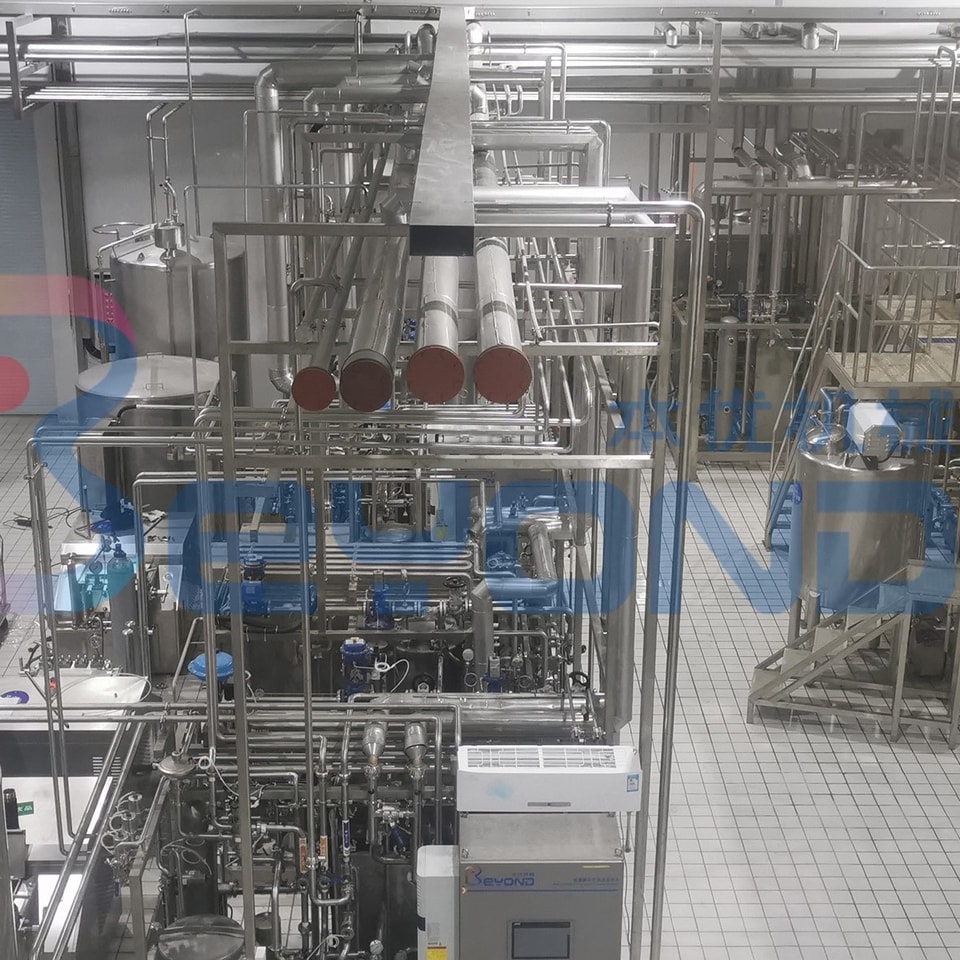
Small Scale Uht Milk Processing Plant and milk processing line machinery
Small ultra-high temperature sterilized milk processing plants are usually used to produce and sterilize milk. The following are the main steps to establish such a factory:
1. Planning and research: Determine factory scale, production capacity, and product types and specifications. Conduct market research to understand local market demand and competition. Ensure understanding of laws, regulations, and safety standards.
2. Site selection: Select a suitable factory site and consider the convenience of power supply, water supply, and logistics. Attention should also be paid to environmental factors and surrounding facilities.
3. Raw material procurement: Ensure high-quality supply of fresh milk, and cooperate with local farms or dairy industries. Establish a stable supply chain and ensure the freshness and traceability of raw materials.
4. Factory equipment: Purchase necessary equipment, including milk receiving and storage equipment, sterilization equipment, filling lines, refrigeration equipment, etc. Select equipment based on factory size and budget.
5. Process flow: Designed for small-scale milk processing processes. This may involve steps such as removing foreign objects, adjusting fat content, homogenization, sterilization, cooling, and filling.
6. Quality control: The key to ensuring product quality. Establish inspection and monitoring procedures to ensure that milk meets hygiene standards and product specifications. If necessary, a third-party laboratory can be entrusted to conduct product testing.
7. Personnel training and safety: Train factory employees, provide relevant knowledge on food safety and hygiene, and ensure the correctness of equipment and operating procedures. Follow safety operating procedures and safety measures during the sterilization process.
8. Packaging and delivery: Choose appropriate packaging materials and methods to ensure the long-term freshness and safety of milk. Develop an optimized logistics plan to ensure timely delivery of products.
9. Regulations and Permits: Comply with local and national regulatory requirements and apply for the necessary permits and certifications. For example, food hygiene licenses and production licenses.
10. Marketing and sales: Promote milk products and establish appropriate sales channels, such as supermarkets, retailers, and online platforms. Enhance product awareness and sales through brand building and marketing activities.
It is worth noting that the above steps are only an overview, and actual operations should be adjusted and optimized according to the specific situation. In addition, ensure continuous monitoring and improvement throughout the entire process to improve production efficiency and product quality.
The main equipment required for the milk processing line includes:
1. Milk receiving equipment: used to import raw fresh milk from storage tanks or tankers into the processing line. This includes milk pumps, filters, and preheating systems.
2. Sterilization equipment: used to sterilize milk to extend its shelf life and kill harmful bacteria. Common equipment includes ultra-high temperature sterilizers (UHTs), pasteurizers, and steam sterilizers.
3. Homogenization equipment: used to evenly disperse fat globules in milk to prevent fat separation and improve taste. Common equipment includes high-pressure homogenizers or ultrasonic homogenizers.
4. Cooling equipment: used to quickly cool sterilized milk to storage temperature. Generally, plate heat exchangers or tube coolers are used.
5. Filling equipment: used to fill milk into packaging containers. You can choose automated filling machines, such as capping machines, capping machines, and labeling machines.
6. Sterilization equipment: used to disinfect packaging containers during the filling process to ensure the hygiene and safety of the product. UV sterilizers or spray disinfection equipment can be used.
7. Packaging equipment: used to package milk into the final product form, such as plastic bottles, paper boxes, or bags. There can be filling and sealing machines, sealing machines, and packaging machines.
8. Refrigeration equipment: used to store and maintain the refrigeration temperature of milk. You can choose equipment such as cold storage, refrigerated trucks, or refrigerated cabinets.
9. Laboratory equipment: Used for milk quality testing and monitoring, such as pH instruments, density meters, bacterial detection instruments, and protein testers.
These devices may vary depending on production needs and the size of the factory. When selecting equipment, it is important to consider its quality, efficiency, reliability, and compliance with relevant health and safety standards.
Shanghai Beyond Machinery Co., Ltd
Beyond Machinery specializes in the design and manufacturing of small scale UHT milk processing plant. Please contact us now, and our professional technical engineers will customize the equipment plan for small scale UHT milk processing plant and provide a quotation. Please contact us now to obtain the latest equipment plan and quotation.
11/21, 2023
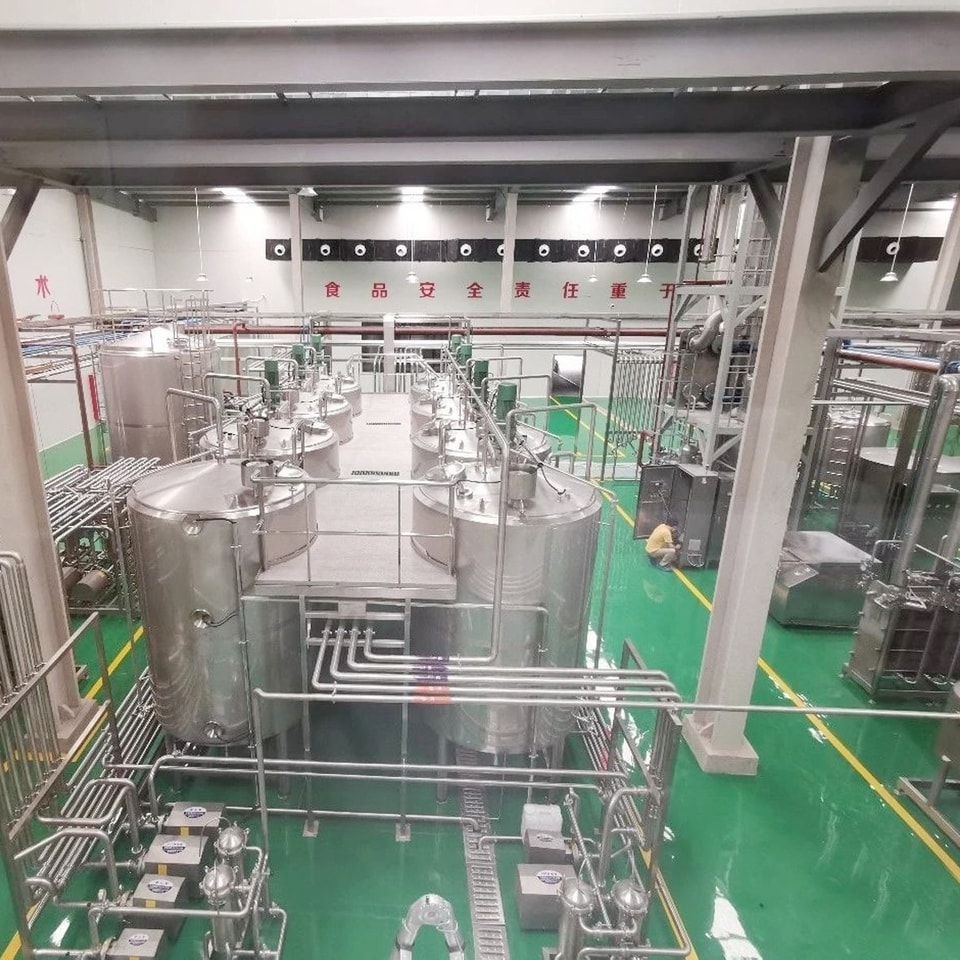
Milk plant machinery price
The price of milk plant machinery can vary significantly depending on the specific equipment needed, the capacity of the plant, and the level of automation required. Milk plant machinery encompasses a wide range of equipment, including milk processing equipment, pasteurization units, homogenizers, storage tanks, packaging machines, and more.
As of now, it is difficult to provide an exact price without specific details. However, for a rough estimate, the cost of setting up a small-scale milk processing plant with basic machinery can range from tens of thousands to hundreds of thousands of dollars, while larger and more automated facilities can cost several million dollars.
It's best to consult with suppliers and manufacturers of milk plant machinery to get detailed quotes based on your specific requirements. Additionally, factors such as installation, maintenance, and other operational costs should be taken into consideration when budgeting for milk plant machinery.
1000 ltr milk processing plant cost
The cost of setting up a 1000-liter milk processing plant can vary widely based on several factors, including the location, the level of automation, the specific equipment chosen, and the scale of the operation. However, here's a rough estimate of the cost breakdown for a small to medium-sized milk processing plant:
1. Land and Building: The cost of acquiring or leasing land and constructing or renovating a building for the plant can vary greatly based on location, regulations, and construction costs.
2. Milk Processing Equipment: This includes pasteurizers, homogenizers, separators, storage tanks, packaging machines, and other necessary machinery. The cost of this equipment can range from tens of thousands to hundreds of thousands of dollars.
3. Utilities: Costs for water supply, electricity, and other utilities needed for the plant.
4. Labor: Labour costs for skilled and unskilled workers required for operations.
5. Regulatory Compliance: Costs associated with meeting regulatory standards and obtaining necessary licenses and permits.
6. Miscellaneous Costs: This includes expenses for transportation, insurance, marketing, and other operational costs.
It's crucial to create a detailed business plan and consult with suppliers and industry experts to get accurate cost estimates for setting up a 1000-liter milk.
Milk pasteurization and packaging machine price in india
The price of a milk pasteurization and packaging machine in India can vary depending on the capacity, brand, and features of the machine. Generally, a small-scale pasteurization and packaging machine can range from Rs. 1,00,000 to Rs. 5,00,000, while a larger capacity machine can cost anywhere from Rs. 5,00,000 to Rs. 20,00,000 or more. It is important to research and compare different models and brands to find the best fit for your specific needs and budget.
Shanghai Beyond Machinery Co., Ltd
Beyond Machinery specializes in the design and manufacturing of milk processing plant equipment. Please contact us now, and our professional technical engineers will customize the equipment plan for milk processing plant and provide a quotation. Please contact us now to obtain the latest equipment plan and quotation.
11/16, 2023
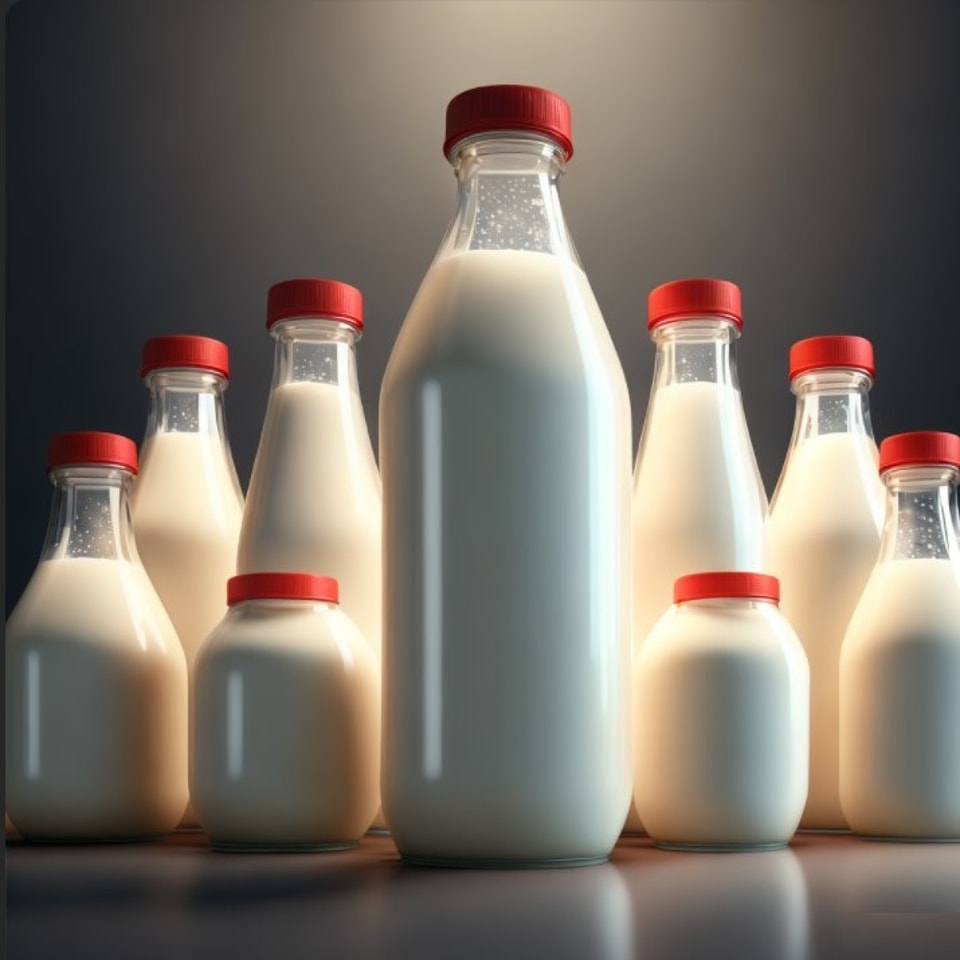
Process flow and price analysis of milk beverage production line
The milk beverage production line refers to an automated equipment line specifically used for the production of various milk beverages. This production line mainly includes multiple links such as raw material processing, mixing and blending, sterilization, filling and packaging. The following is the main process flow of a typical milk beverage production line:
1. Raw material processing: Fresh milk is sent to the milk processing area for pre-treatment, including steps such as filtration, defatting, and homogenization to ensure the quality of the raw materials.
2. Mixing and blending: Mix processed milk with other raw materials in precise proportions to produce products with different flavors and formulas.
3. Sterilization and sterilization: Sterilize and sterilize the mixed milk beverage through high-temperature treatment or other disinfection methods to ensure the hygiene and safety of the product.
4. Filling packaging: The sterilized milk beverage is filled into bottles, boxes, or other packaging containers through automated filling equipment, and sealed to maintain product freshness and prevent pollution.
5. Quality inspection process: Set up quality inspection points on the production line to test the appearance, sealing, labeling, and other indicators of packaged milk drinks to ensure that product quality meets standard requirements.
6. Storage and Distribution: Temporarily store qualified milk drinks and deliver them according to order requirements to ensure timely delivery of products to sales channels.
The design of milk beverage production lines needs to consider factors such as production capacity, hygiene standards, automation level, and product diversity to achieve efficient, stable, and safe production. Production lines of different scales may vary, and specific equipment and technical configurations can be customized according to needs.
Price of milk beverage production line
The prices of milk beverage production lines vary due to factors such as their scale, equipment configuration, automation level, and production capacity. Generally speaking, small-scale milk beverage production lines have lower prices, while large-scale production lines have higher prices.
The price of small milk beverage production lines is usually in the hundreds of thousands of yuan or lower. This type of production line is suitable for small enterprises or farms that are just starting out, with relatively simple configuration and low production capacity, mainly used for small-scale production.
The price of medium-sized milk beverage production lines is generally between millions to millions of RMB. This type of production line has a certain degree of automation and production capacity, and is suitable for medium to large milk beverage production enterprises. Its equipment configuration is more complete, with higher production efficiency, which can meet the needs of large-scale production.
The price of large-scale milk beverage production lines is relatively high, usually over ten million yuan. These production lines are fully equipped, highly automated, and have strong production capacity, making them suitable for large-scale industrial milk beverage production enterprises. This type of production line needs to be customized and designed according to the actual needs of the enterprise, and the price will increase accordingly.
It should be noted that the above prices are for reference only, and the actual prices may be influenced by other factors such as brand, equipment quality, market supply and demand.
Shanghai Beyond Machinery Co., Ltd
Beyond Machinery specializes in the design and manufacturing of milk beverage production equipment. Please contact us now, and our professional technical engineers will customize the equipment plan for milk beverage production line and provide a quotation. Please contact us now to obtain the latest equipment plan and quotation.
11/14, 2023
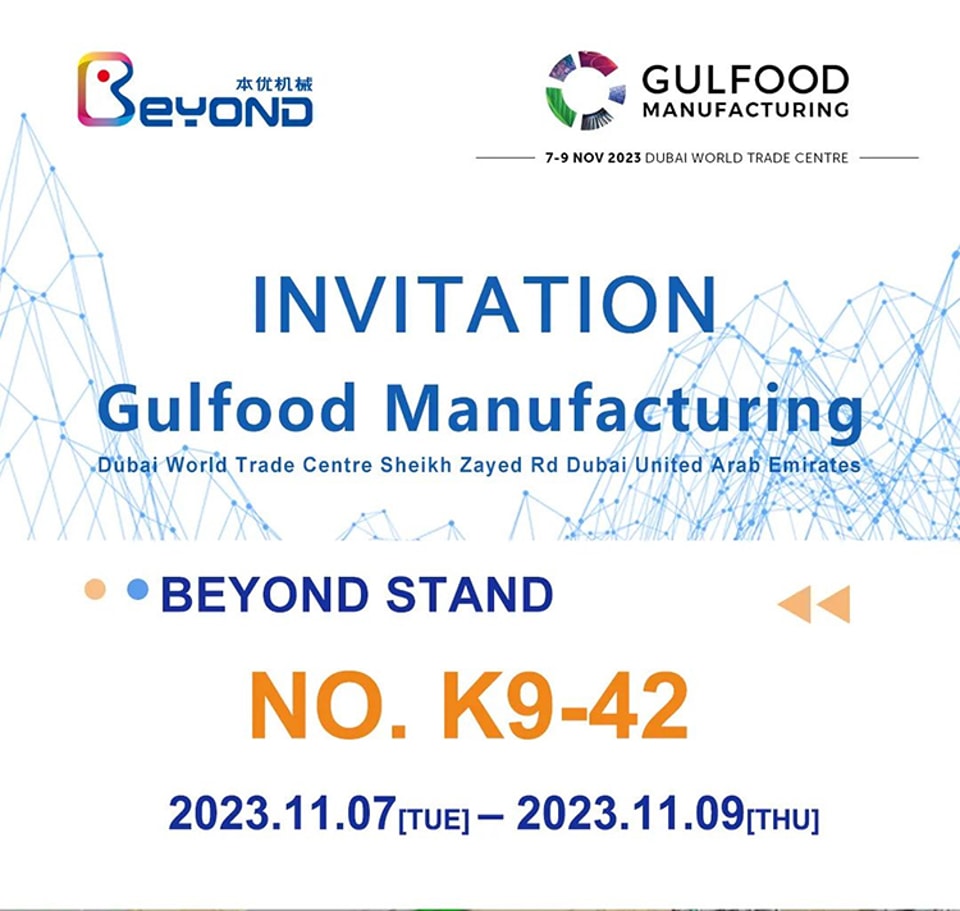
2023 Beyond Machinery Foreign Trade Exhibition
Entering November, the busy itinerary of foreign traders and various industry exhibitions are slowly coming to an end. Beyond Machinery has a global footprint at the exhibition this year. From exhibitions in multiple countries and regions such as Ethiopia, Australia, Indonesia, Bangladesh, Russia, etc., Beyond has won widespread recognition in the international market. Visiting customers have expressed appreciation and support for the products, showcasing the charm of Chinese exhibitors, This year's international exhibition has also come to the final stage - GULFOOD MANUFACTuring Dubai Packaging Machinery Exhibition.
Beyond Machinery integrates scientific research and development, process design, equipment manufacturing, installation and debugging, and training. It focuses on the entire line of solutions for the dairy beverage industry, fruit and vegetable processing industry, biological fermentation industry, leisure food industry, composite seasoning industry, and other industries. Its products are exported to multiple countries and regions such as Australia, Europe and America, the Middle East, Africa, and Asia. It has collaborated with multiple well-known food enterprises at home and abroad to create several large-scale fully automatic production lines.
Faced with new markets and challenges, and with a new perspective on its positioning, the company has a professional sales and technical team, with nearly 20 years of independent research and development and production. The entire series of products are sold both domestically and internationally. In the future, we will continue to adhere to independent innovation, continuously improve product quality and services, and strive to explore foreign markets.
The exhibition will be held from November 7th to 9th at the Dubai International Convention and Exhibition Center. We sincerely look forward to meeting you on Gulfood Manufacturing! Welcome to booth No. K9-42 and share our comprehensive technology and unique insights with us.
11/6, 2023
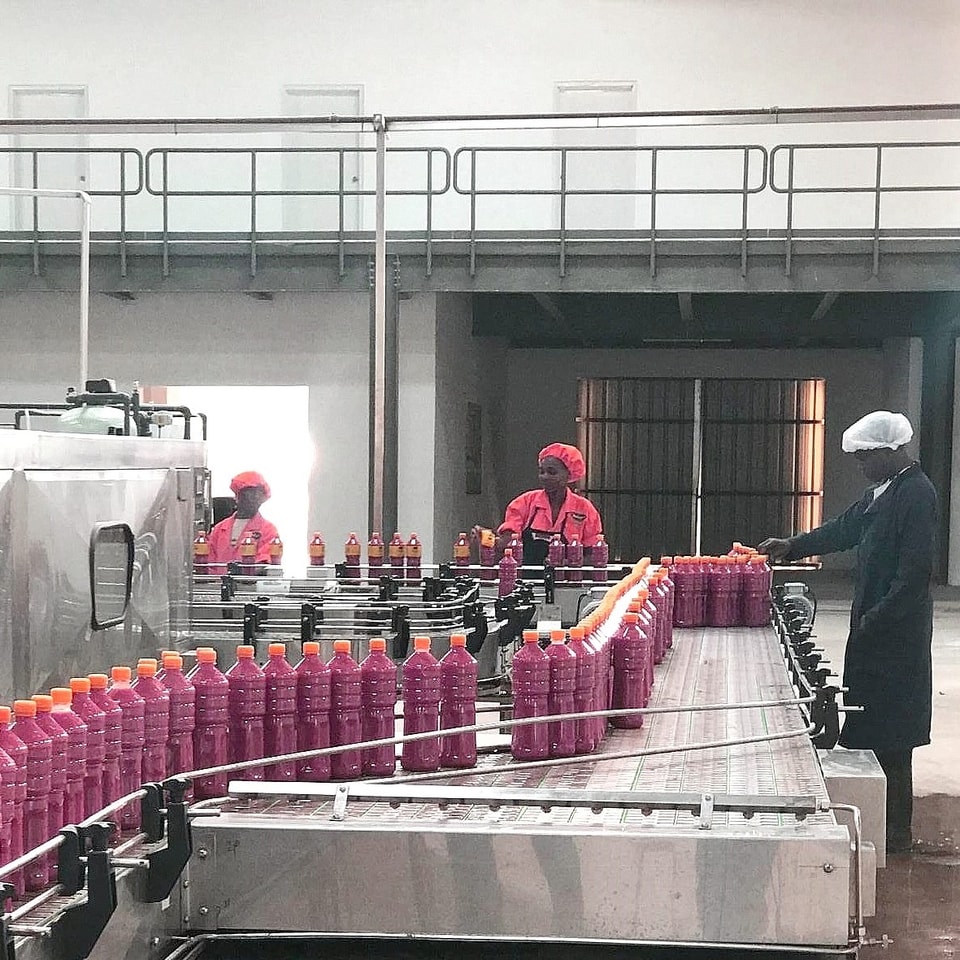
Tomato processing plant cost
The cost of tomato processing plants is influenced by many factors. The following are some key factors that may affect the cost of tomato processing plants:
Production line equipment: To establish a tomato processing plant, it is necessary to purchase a suitable factory building and equip it with corresponding equipment, such as washing machines, cutting machines, heat processors, thickeners, filling machines, etc. The cost of these devices depends on their scale, quality, and functionality.
Raw materials: The cost of tomato processing plants also includes the cost of purchasing tomatoes. This requires consideration of the supplier's price, quality, and reliability. In addition, transportation costs should also be taken into account.
Labor force: Tomato processing plants need to hire operators, technicians, and management personnel. Labor costs include wages, training, benefits, and other related expenses.
Energy and water: Tomato processing typically requires a large amount of energy and water resources. The costs of electricity, gas, and water also need to be included.
Licenses and permits: Establishing and operating a processing plant requires compliance with local regulations and standards in order to obtain the necessary licenses and permits. These documents may require payment of application fees.
Marketing and sales: Bringing processed tomato products to the market also requires expenses, such as market research, brand promotion, sales promotion, and distribution channels.
Tomato Processing Equipment & Solutions
Tomato processing equipment and solutions are equipment and technical solutions used to produce various vegetables and fruit juice products from tomatoes. Tomato processing usually includes the following main steps:
Cleaning and peeling: Tomatoes undergo cleaning, removing the skin, stems, and other impurities to ensure quality.
Cutting and shredding: Tomatoes can be cut and shredded using a cutting machine or shredder to obtain different particle sizes of tomato chips or slices.
Saccharification treatment: Fructose and glucose in tomatoes can be saccharified to enhance the sweetness and taste of the product.
Heat treatment: Tomatoes usually require high-temperature treatment to kill bacteria and extend the shelf life of the product. This can be achieved through technologies such as steaming, thermal sterilization, or high-pressure treatment.
Concentrate and dehydrate: Concentrate and dehydrate tomato pulp or juice to reduce volume, extend shelf life, and facilitate transportation.
Packaging and sterilization: Package and sterilize the processed tomato products to ensure that they are not contaminated by bacteria during storage and sales.
The selection of tomato processing equipment and solutions depends on the processing scale, product type, and specific needs. Common tomato processing equipment includes cleaning machines, peeling machines, cutting machines, mixing tanks, heating equipment, thickeners, packaging machines, etc. In addition, personalized customization can be carried out as needed to meet the production requirements of different manufacturers.
When selecting tomato processing equipment, it is necessary to consider factors such as equipment quality, performance, durability, safety, and price. At the same time, it is also necessary to pay attention to the after-sales service and technical support of equipment suppliers to ensure stable equipment operation and timely solve any problems that arise.
In summary, the cost of establishing a tomato processing plant depends on many factors, including equipment, raw materials, labor, energy, licenses, market promotion, and maintenance. A detailed cost analysis should be conducted based on specific circumstances.
Shanghai Beyond Machinery Co., Ltd
Beyond Machinery specializes in the design and manufacturing of tomato processing equipment. Please contact us now, and our professional technical engineers will customize the equipment plan for yogurt processing lines and provide a quotation. Please contact us now to obtain the latest equipment plan and quotation.
11/6, 2023
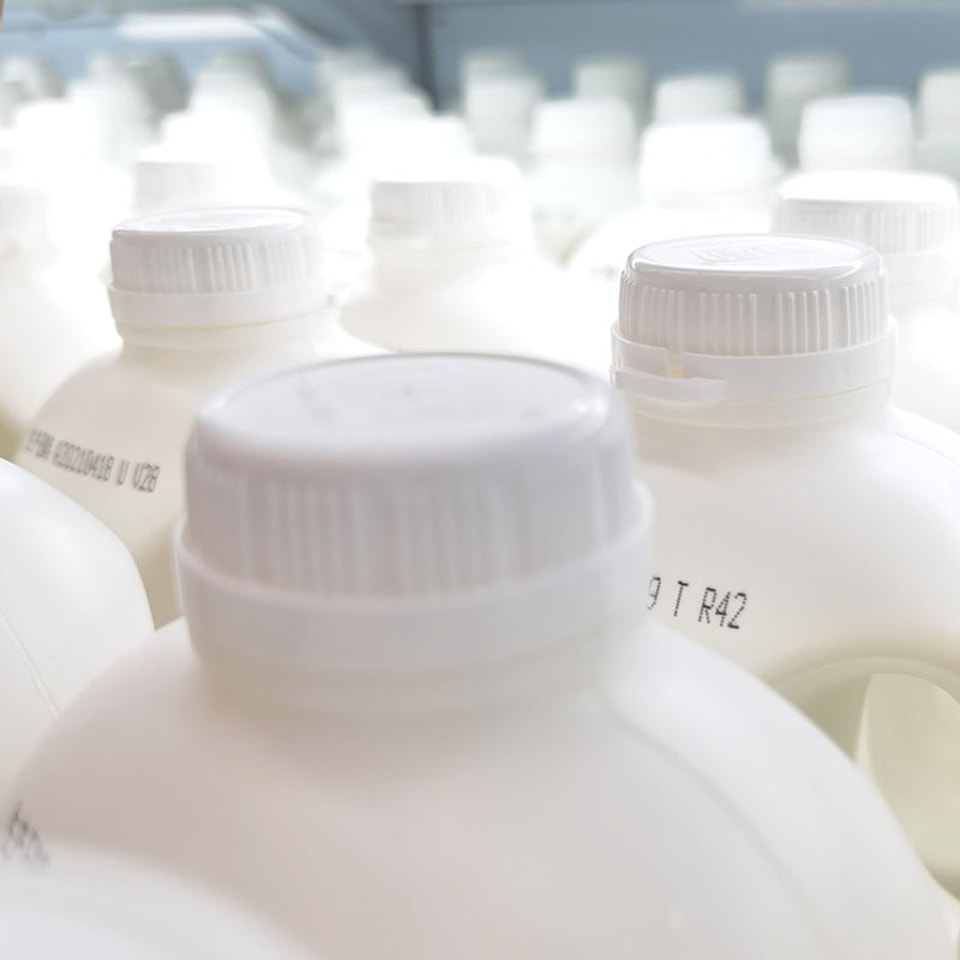
Cost of milking machine in kenya,milk factory cost
Starting a milk processing plant can be a lucrative business venture, as the demand for dairy products continues to grow worldwide. However, it is important to understand the costs involved in setting up and operating such a facility. Here are some of the key expenses to consider:
Facility and Equipment Costs: The biggest initial investment will be in acquiring or constructing a suitable facility for milk processing. This includes purchasing or leasing a building, installing utilities (such as water, electricity, and drainage systems), and setting up processing rooms, cold storage areas, packaging lines, and other necessary equipment. The cost of these facilities and equipment can vary significantly depending on the scale of operations and location.
Regulatory Compliance: Milk processing plants are subject to various regulations and standards to ensure food safety and quality. Compliance with these regulations may require obtaining permits, licenses, and certifications, as well as implementing proper sanitation and quality control measures. The costs associated with meeting regulatory requirements can include fees, training, audits, and ongoing monitoring.
Raw Material Procurement: To operate a milk processing plant, you will need a consistent and reliable supply of raw milk. This involves establishing relationships with local dairy farmers or cooperatives, negotiating contracts, and setting up transportation logistics. The cost of procuring raw milk will depend on market conditions, location, and the volume of milk required.
Labor Costs: Running a milk processing plant requires skilled employees to handle the various stages of processing, quality control, packaging, and administrative tasks. Labor costs will include wages, benefits, training, and potentially hiring specialized personnel, such as food scientists or quality assurance managers.
Packaging and Marketing: Packaging is an essential aspect of selling milk and dairy products. You will need to invest in appropriate packaging materials, such as bottles, cartons, or pouches, as well as labeling and branding materials. Additionally, marketing efforts to promote your products and reach potential customers will require a budget for advertising, promotions, and distribution.
Utilities and Operating Expenses: Running a milk processing plant involves ongoing costs for utilities such as water, electricity, refrigeration, and steam generation. Other operational expenses may include maintenance and repair of equipment, cleaning supplies, laboratory testing, insurance, administrative costs, and waste disposal.
Distribution and Transportation: Depending on your business model, you may need to invest in transport vehicles or establish partnerships with logistics companies to deliver your products to retailers or directly to consumers. The cost of distribution will depend on the distance, volume, and frequency of deliveries.
It is crucial to conduct a comprehensive feasibility study and develop a detailed business plan to accurately estimate these costs and determine the financial viability of starting a milk processing plant. Additionally, seeking advice from industry experts or consulting firms specializing in dairy processing can provide valuable insights and guidance throughout the process.
Cost of milking machine in kenya,milk factory cost
The cost of milking machines in Kenya can vary depending on the brand, type, and capacity of the machine.
In general, the cost of a basic milking machine for small-scale dairy farms in Kenya starts from around Ksh 50,000 to Ksh 1,500,000 ($500 to $15,000). These machines typically have a single or double bucket capacity and are suitable for milking a small number of cows.
For medium to large-scale dairy farms, the cost of milking machines can range from Ksh 200,000 to Ksh 5,000,000 ($2,000 to $50,000) or even higher. These machines are usually more advanced and come with additional features such as automatic pulsation, milk meters, and electronic control panels.
It is important to note that these prices are just estimates and can vary based on factors such as the supplier, location, and any additional customization or accessories included with the milking machine. It is recommended to research and compare prices from different suppliers and consult with industry experts before making a purchase decision.
The cost of setting up a milk factory can vary depending on various factors such as the size and scale of the operation, location, equipment, and infrastructure requirements.
Generally, the cost of establishing a small-scale milk processing unit can range from $50,000 to $1,000,000. This would include costs for acquiring land, building construction or renovation, purchasing equipment and machinery, utilities, labor, permits, licenses, and other operational expenses.
For larger-scale milk factories, the cost can be significantly higher, ranging from several hundred thousand dollars to millions of dollars, depending on the production capacity and level of automation.
It is important to conduct a detailed feasibility study and consider factors such as market demand, competition, and regulatory requirements when estimating the cost of setting up a milk factory. It is also advisable to consult with industry experts or professional consultants to get accurate and specific cost estimates based on your unique requirements.
Beyond Machinery specializes in the design and manufacturing of milk factory equipment. Our customers are from all over the world, and they have achieved remarkable success in their respective fields. We have over 20 years of experience in the field of food processing machinery. We are willing to establish long-term win-win relationships with customers. We share our technology and experience with customers to help them quickly convert investment returns. Contact us now and you will receive the latest product customization solutions and quotations.
10/19, 2023
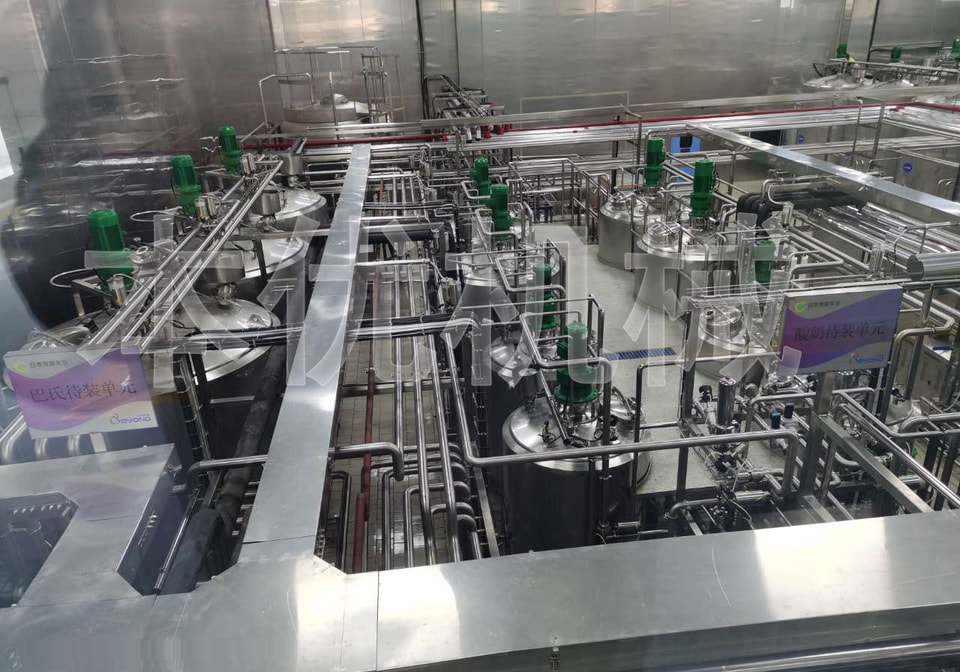
Milk processing plant dairy equipment
A milk processing plant requires a range of dairy equipment to carry out various processes involved in the production of milk and dairy products. Some essential dairy equipment for a milk processing plant includes:
Milk reception equipment: This includes milk storage tanks, milk pumps, and filters used to receive raw milk from farmers or suppliers and store it in hygienic conditions.
Milk pasteurization equipment: Pasteurizers are used to heat raw milk to a specific temperature for a specific time to eliminate harmful bacteria while maintaining the nutritional quality of the milk.
Homogenizers: These machines are used to break down fat globules in milk to prevent cream separation and create a consistent texture in the final product.
Separators: Separators are used to separate cream from milk, allowing for the production of different dairy products like skim milk, whole milk, and cream.
Cheese making equipment: Cheese vats, curd cutters, presses, and molds are used to produce various types of cheese by coagulating milk and separating curds from whey.
Yogurt production equipment: Yogurt incubators, yogurt stirrers, and packaging machines are used to produce and package different varieties of yogurt.
Butter making equipment: Butter churns, butter workers, and packaging machines are used to produce and package butter from cream obtained through cream separators.
Milk powder production equipment: Milk evaporators, spray dryers, and powder packaging machines are used to transform liquid milk into milk powder for longer shelf life and easy storage.
Packaging machines: These machines include bottle fillers, carton forming, filling, and sealing machines, and pouch packaging machines to pack processed milk and dairy products into various containers.
Cleaning and sanitation equipment: CIP (Clean-in-Place) systems, sterilizers, and sanitation stations are necessary for maintaining cleanliness and hygiene in the processing plant.
It's important to note that the specific equipment required for a milk processing plant may vary depending on the scale of operations and the types of dairy products being produced.
Beyond Machinery specializes in the design and manufacturing of milk processing plant dairy equipment. Our customers are from all over the world, and they have achieved remarkable success in their respective fields. We have over 20 years of experience in the field of food processing machinery. We are willing to establish long-term win-win relationships with customers. We share our technology and experience with customers to help them quickly convert investment returns. Contact us now and you will receive the latest product customization solutions and quotations.
10/14, 2023
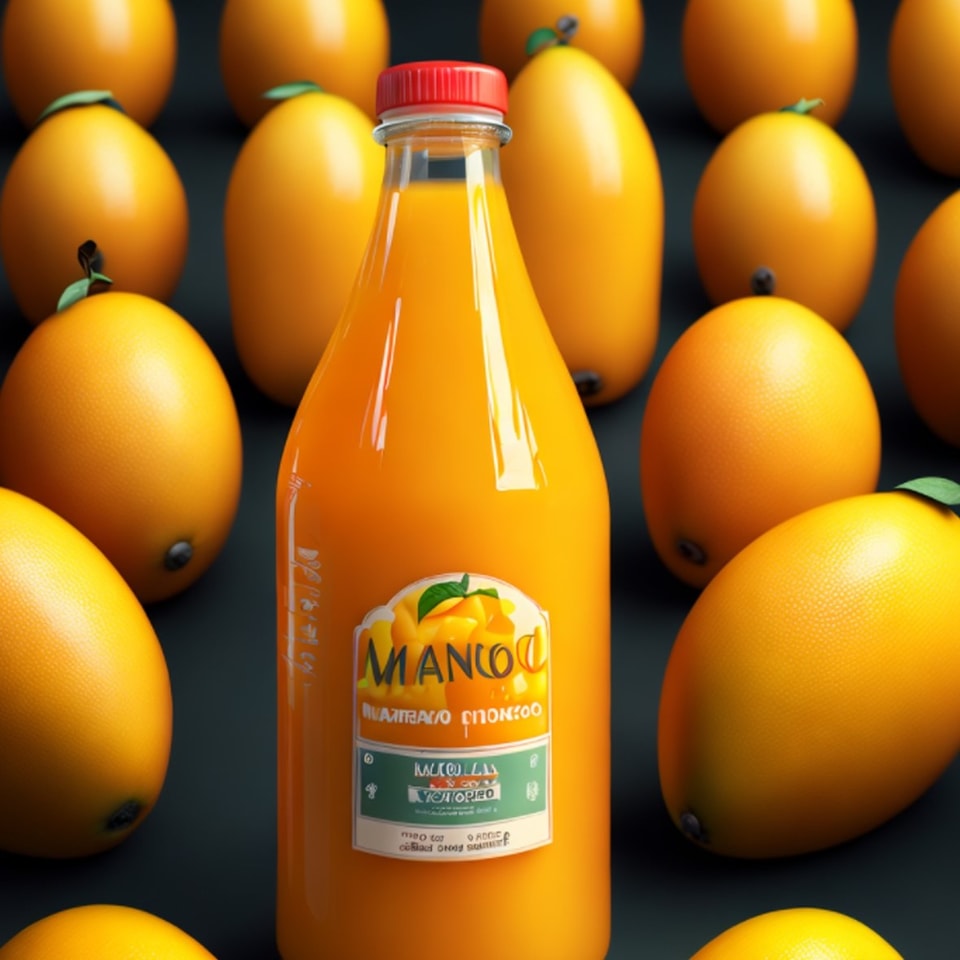
Setting up a fruit juice processing plant
Sure, I can help you with that. Setting up a fruit juice processing plant involves several steps. Here's a general overview of the process:
Market research: Conduct market research to identify target customers, local demand, competition, and pricing strategies.
Business plan: Develop a comprehensive business plan outlining your objectives, target market, production capacity, financial projections, and marketing strategy.
Location and infrastructure: Select a suitable location for your plant, considering factors such as proximity to raw materials, transportation facilities, and availability of utilities. Set up the necessary infrastructure, including buildings, processing equipment, storage facilities, and utilities like water and electricity.
Raw material sourcing: Identify reliable suppliers of fresh fruits and establish a steady supply chain. Ensure the quality, consistency, and safety of the fruits.
Fruit processing: Wash and sort the fruits to remove impurities. Extract the juice using suitable methods such as pressing, crushing, or enzymatic extraction. Clarify the juice by removing solids and impurities through filtration or centrifugation.
Pasteurization: Heat the juice to kill any harmful microorganisms. This step also extends the shelf life of the product.
Packaging: Fill the pasteurized juice into clean, sterile containers such as bottles, cans, or Tetra packs. Ensure proper labeling and packaging materials that comply with food safety regulations.
Quality control: Implement strict quality control measures at every stage of production to maintain consistent product quality. This includes regular testing for pH levels, acidity, sugar content, and microbiological safety.
Distribution: Establish a distribution network to deliver the finished products to retailers, supermarkets, or wholesalers. Ensure proper storage and transportation conditions to maintain product freshness.
Marketing and promotion: Develop a marketing strategy to create brand awareness and promote your fruit juices. Utilize various channels such as social media, advertising, and partnerships with retailers to reach your target market.
Remember to comply with all applicable regulations and obtain the necessary licenses and permits before starting your fruit juice processing plant. It's also important to prioritize food safety, hygiene, and quality throughout the entire process.
Beyond Machinery specializes in the design and manufacturing of fruit juice processing plant. Our customers are from all over the world, and they have achieved remarkable success in their respective fields. We have over 20 years of experience in the field of food processing machinery. We are willing to establish long-term win-win relationships with customers. We share our technology and experience with customers to help them quickly convert investment returns. Contact us now and you will receive the latest product customization solutions and quotations.
10/7, 2023
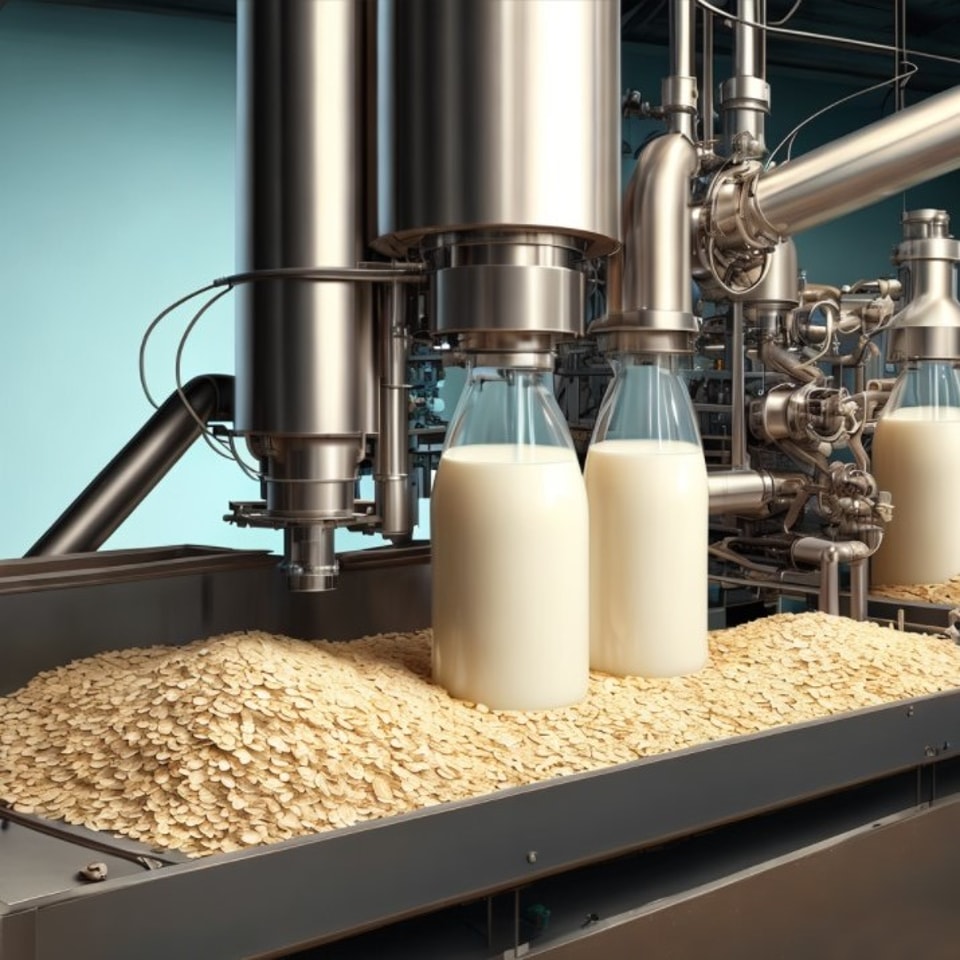
Production Technology and Stability of Oat Milk Processing Line
Oats are herbaceous plants in the Gramineae family, also known as wild oats and naked oats. They are common food crops and are mainly grown in temperate regions of the Northern Hemisphere. Oat is a crop rich in various bioactive substances and has superior nutritional value to many other grains (such as barley, corn, millet, sorghum, etc.). It contains proteins, fats, enzyme compounds, minerals, and β- Various nutrients such as glucan, with delicate starch particles, are easy to digest and absorb, and have various physiological functions such as lowering blood lipids, regulating blood sugar, regulating blood pressure, and reducing gastrointestinal inflammation.
As early as 2008, oats and oatmeal by-products were proved to be helpful in the treatment of diabetes and cardiovascular diseases. Therefore, using oat as raw material to make plant-based grain beverages has various advantages such as delicate taste, rich nutrition, and health functions.
The experiment used oatmeal as the main raw material, and observed its soaking time, slurry liquid ratio, stabilizer, taste, and sterilization conditions to study the processing technology of oatmeal plant protein beverage. A high fiber plant protein beverage was developed, which can enhance the market competitiveness of plant protein beverage and meet the daily needs of consumers.
1 Materials and Methods
1.1 Materials and reagents
Oatmeal; Sucrose; Food grade sodium carboxymethyl cellulose; Food grade xanthan gum; Food grade monoglycerides; Food grade sucrose esters.
1.2 Main instruments and equipment
Handheld refractometer; Homogenizer; Thermostatic centrifuge; Sterilization pot; Electric constant temperature drying oven; Digital display constant temperature water bath pot; Electronic balance.
1.3 Test methods
1.3.1 Process flow of oat plant beverage
Raw material selection → soaking → filtering → beating and grinding → filtering → mixing → homogenization → filling → sealing → sterilization → packaging → finished product
1.3.2 Research on the Processing Technology of Oat Plant Beverage
1.3.2.1 Single factor experiment on the main formula of oat plant beverage
1.3.2.1 1 Soaking time
Using 5.00 g oatmeal as a benchmark, the effects of different soaking times (10, 20, 30, 40, 50, and 60 minutes) on the water absorption and expansion of oatmeal were investigated by fixing the volume of water, settling time, and filtration time.
1.3.2.1 2 material liquid ratio
Using 5.00 g oatmeal as a benchmark, the effects of different material liquid ratios (1:5,1:10,1:20,1:30 and 1:40) on raw material utilization and soluble solid content in oat pulp were investigated by fixing soaking time and oven parameters.
1.3.2.2 Single factor test of oat plant beverage composite stabilizer
1.3.2.2 1 Sodium carboxymethyl cellulose addition
Based on 200 mL oat pulp, the addition amounts of xanthan gum, monoglyceride, and sucrose ester were fixed at 0.01%, 0.03%, and 0.05%, respectively. The effects of different sodium carboxymethyl cellulose additions (0.10%, 0.15%, 0.20%, 0.25%, and 0.30%) on the static stratification rate of oat pulp were investigated.
1.3.2.2 2. Addition amount of xanthan gum
Based on 200 mL oat pulp, the addition amounts of sodium carboxymethyl cellulose, monoglyceride, and sucrose ester were fixed at 0.2%, 0.03%, and 0.05%, respectively. The effects of different xanthan gum additions (0.005%, 0.010%, 0.025%, 0.040%, and 0.055%) on the static stratification rate of oat pulp were investigated.
1.3.2.2 2 Monoglyceride addition amount
Based on 200 mL of oat pulp, the addition amounts of sodium carboxymethyl cellulose, xanthan gum, and sucrose ester were fixed at 0.20%, 0.01%, and 0.05%, respectively. The effects of different monoglyceride additions (0.01%, 0.03%, 0.05%, 0.07%, and 0.09%) on the static stratification rate of oat pulp were investigated.
1.3.2.2 3 Sucrose ester addition amount
Based on 200 mL oat pulp, the addition amounts of carboxymethyl cellulose sodium, xanthan gum, and monoglyceride were fixed at 0.2%, 0.01%, and 0.03%, respectively. The effects of different sucrose ester additions (0.01%, 0.03%, 0.05%, 0.07%, and 0.09%) on the static stratification rate of oat pulp were investigated.
1.3.2.3 Orthogonal test of oat plant beverage composite stabilizer
On the basis of single factor analysis, the optimal levels of four factors, namely sodium carboxymethyl cellulose addition, xanthan gum addition, monoglyceride addition, and sucrose ester addition, were selected. Based on the beverage quality evaluation results, a four factor and three level orthogonal experiment was conducted to determine the optimal stabilizer for oat plant beverage.
1.3.2.4 Determination of sucrose content in oat plant beverages
According to the best results obtained in sections 1.3.2.1, 1.3.2.2, and 1.3.2.3, the processing will be carried out according to the process steps. 3%, 4%, 5%, 6%, and 7% sucrose will be added to a 50 mL sample, and sensory evaluation will be conducted to determine the optimal amount of sucrose added.
1.3.2.5 Determination of sterilization conditions
The prepared oat plant beverage samples were sterilized at 110 ℃/25 min, 110 ℃/30 min, 115 ℃/20 min, 115 ℃/25 min, 121 ℃/15 min, and 121 ℃/20 min, respectively, and their stability was observed at room temperature for 60 days.
2 Results and Analysis
2.1 Single factor test results of the main formula of oat plant beverage
2.1.1 The effect of soaking time on the water absorption and expansion rate of oatmeal
As the soaking time increases, the water absorption and swelling of oatmeal first show an increasing trend; When the soaking time is 30 minutes, the water absorption and expansion rate of oatmeal reaches its maximum; After soaking for more than 30 minutes, the water absorption and swelling rate of oatmeal decreased; Therefore, it is advisable to choose a soaking time of 30 minutes for oatmeal.
2.1.2 Effect of Material Liquid Ratio on the Utilization Efficiency of Oatmeal Raw Materials and the Content of Soluble Solids in Oat Pulp
The soluble solid content gradually decreases and tends to stabilize as the proportion of water in the material to water ratio increases. The utilization rate of raw materials first increases with the proportion of water in the material to water ratio. When the material to water ratio reaches 1:20 g/mL, the utilization rate of raw materials reaches its highest, and decreases as the material to water ratio continues to increase. By combining two curves, the optimal quality of oat pulp is achieved when the material water ratio is 1:20 g/mL.
2.2 Single factor test results of oat plant beverage composite stabilizer
When the addition of sodium carboxymethyl cellulose is 0.3%, the beverage is almost non layered after 24 hours of standing. It can be seen that the addition of 0.3% sodium carboxymethyl cellulose can improve the stability of oat plant beverages. When the amount of xanthan gum added is 0.055%, after 24 hours of standing, the beverage is almost non layered. It can be seen that the addition of 0.055% xanthan gum can make the oat plant beverage have good stability. By increasing the amount of monoglyceride added, the static stratification rate of oat plant-based beverages first showed a decreasing trend. When the monoglyceride added amount was 0.07%, the static stratification rate of oat plant-based beverages was the lowest. When the monoglyceride added amount was greater than 0.07%, the static stratification rate of oat plant-based beverages increased. Therefore, it is advisable to choose a monoglyceride added amount of 0.07%. By increasing the amount of sucrose ester added, the static stratification rate of oat plant beverage shows a decreasing trend. When the amount of sucrose ester added is 0.07%, the static stratification rate of oat plant beverage is the lowest. When the amount of sucrose ester added is greater than 0.05%, the static stratification rate of oat plant beverage increases. Therefore, it is advisable to choose a single glyceride addition of 0.07%.
2.3 Orthogonal test results of oat plant beverage composite stabilizer
The results of orthogonal experimental design with static stratification rate as the indicator are shown in Table 2, and the results and analysis of orthogonal experimental design with centrifugal sedimentation rate as the indicator are shown in Table 3.
From the intuitive analysis results in Tables 3 and 4, it can be seen that when the static stratification rate is used as the evaluation index, the influence of the four factors on the static stratification rate is in the order of B>A>C>D, that is, the amount of xanthan gum added>the amount of sodium carboxymethyl cellulose added>the amount of monoglyceride added>the amount of sucrose ester added. A3B3C2D3 is the optimal combination scheme. When using the centrifugal precipitation rate as an indicator, the influence of four factors on the centrifugal precipitation rate is B>A>C>D, namely the amount of xanthan gum added>the amount of sodium carboxymethyl cellulose added>the amount of monoglyceride added>the amount of sucrose ester added. Although the evaluation indicators are different, the four factors have the same primary and secondary effects, namely xanthan gum and carboxymethyl cellulose sodium are the main influencing factors, while monoglycerides and sucrose esters are secondary influencing factors. After comprehensive consideration, the static stratification rate is mainly used as the reference standard, and A3B3C2D3 is selected as the optimal composite stabilizer combination, which includes 0.3% sodium carboxymethyl cellulose addition, 0.04% xanthan gum addition, 0.07% monoglyceride addition, and 0.07% sucrose ester addition.
2.4 Effect of sucrose on the sensory quality of oat plant beverage
Add 2%, 3%, 4%, 5%, 6%, and 7% sucrose respectively for sensory evaluation. The effect of sucrose addition on the taste of oat plant-based beverages is shown in Table 4.
When the amount of sucrose added is 4.0%, the sweetness of oat plant beverage is better.
2.5 Effects of Different Sterilization Conditions on the Stability of Beverages
High temperature sterilization has a certain impact on the stability of beverages. Different sterilization temperatures and times were used for the experiment, and the stability was observed after 60 days at room temperature. The effect of sterilization conditions on the stability of beverages is shown in Table 5.
Sterilization at 121 ℃ for 15 and 20 minutes has the same stability effect and meets hygiene requirements through microbial testing. Therefore, 121 ℃ and 15 minutes are the optimal sterilization conditions.
Using oatmeal and white sugar as the main raw materials, a high protein plant beverage was developed through a series of processes such as grinding, homogenization, and formulation. Through single factor and orthogonal experiments, the optimal process for oatmeal plant protein beverage was obtained: soaking time of oatmeal for 30 minutes, slurry water ratio of 1:20g/mL, addition of sodium carboxymethyl cellulose 0.3%, addition of xanthan gum 0.04%, addition of monoglyceride 0.07%, and addition of sucrose ester 0.07% The addition of 4% sucrose showed good stability after sterilization at 121 ℃ for 15 minutes. The experimental results have certain guiding significance for the preparation and production practice of oat plant protein beverages.
Beyond Machinery specializes in the design and manufacturing of oat milk processing lines. Our customers are from all over the world, and they have achieved remarkable success in their respective fields. We have over 20 years of experience in the field of food processing machinery. We are willing to establish long-term win-win relationships with customers. We share our technology and experience with customers to help them quickly convert investment returns. Contact us now and you will receive the latest product customization solutions and quotations.
9/11, 2023
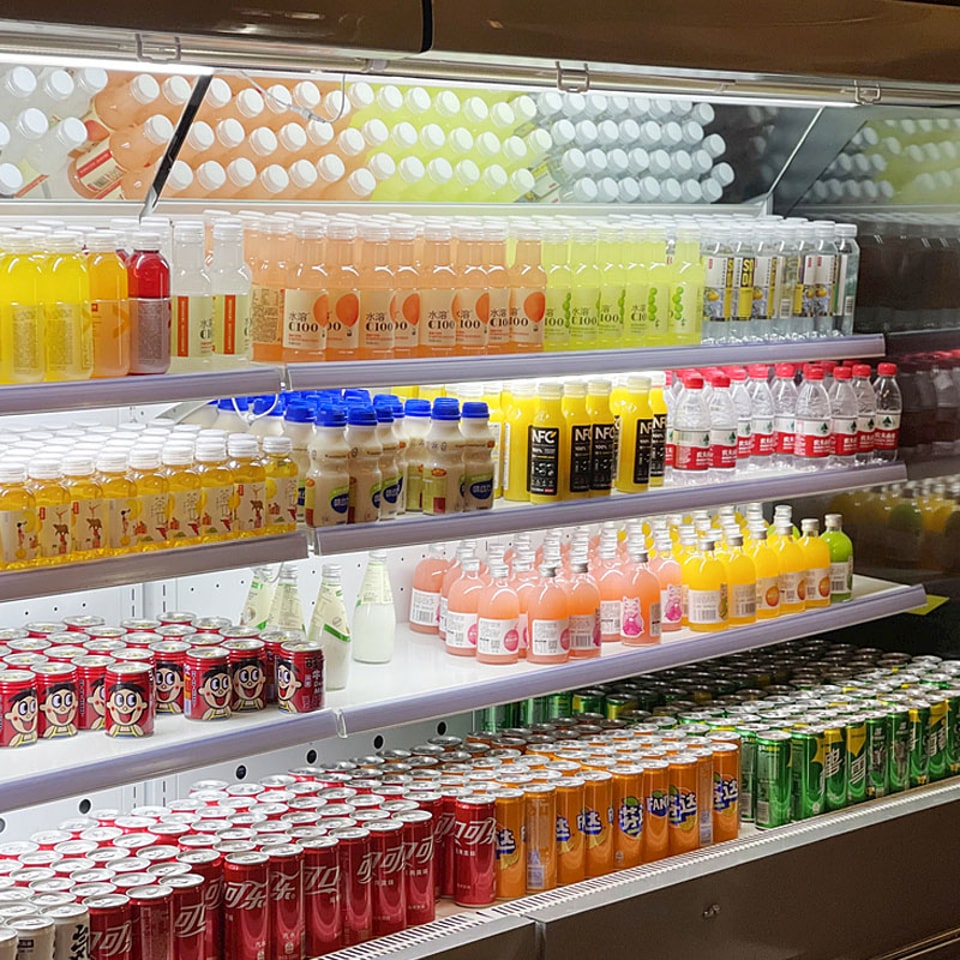
Methods for Improving Dairy Quality in Dairy Processing Enterprises
Dairy quality is an important indicator that consumers consider when purchasing corresponding products. Strengthening strict control over dairy quality to meet the basic needs of consumers is beneficial for the long-term development of dairy enterprises. By clarifying the factors that affect the quality of dairy products, taking effective prevention and control measures, and regaining the trust of consumers, it is a feasible path to improve the structure of the dairy market and increase its market share. It has important practical significance for promoting the coordinated development of dairy and animal husbandry.
1、 The Importance of Strengthening Dairy Quality Control
1. Meeting consumer needs
Dairy products have high nutritional value and are the first choice for supplementing nutrients and improving physical fitness. Every year, consumers spend an astonishing amount on purchasing dairy products, and their demands for dairy quality are also increasing. Dairy enterprises should strengthen their control over dairy quality, implement dynamic and strict supervision throughout the entire process of dairy production, and ensure that dairy quality meets the prescribed standards, Committed to providing consumers with safe and reliable dairy products, and safeguarding their legitimate rights and interests.
2. Promote the long-term development of dairy enterprises
The trust of consumers in dairy enterprises can affect their purchasing preferences. Dairy products that are deeply trusted and loved by consumers often bring more profits to the enterprise. Enterprises can invest the funds they receive into the construction of milk source bases, purchase advanced production equipment, expand the scale of dairy production and market share, and become the cornerstone for dairy enterprises to achieve long-term development. Based on this concept, dairy enterprises must attach great importance to controlling the quality of dairy products, adopt scientific management methods to manage milk source bases, process high-quality dairy products to supply to consumers, pay attention to maintaining good relationships with consumers, win good reputation, enhance their market competitiveness, and stand out in market competition, making the development of dairy enterprises go further and further.
3. Promote industrial transformation and upgrading, and drive farmers
Leading enterprises in the industry usually serve as a link between the market and individual businesses. Against the backdrop of coordinated development in industries such as animal husbandry, agriculture, and transportation, dairy enterprises should actively shoulder the arduous task of controlling dairy quality, deeply realize the close connection between dairy quality and their stable operation and healthy development, adopt intelligent and automated technologies to monitor milk source bases and dairy production processes, and actively implement production and operation reforms, Improve the quality of dairy products. The relevant industries have formed a stable chain of interests, providing more employment opportunities for farmers, driving them towards the path of wealth, mobilizing their enthusiasm for raising cows, and contributing a huge force to the rise of the dairy industry.
2、 The main factors affecting the quality of dairy products
1. Milk source and farmer factors
For a long time, the decentralized farming model has dominated animal husbandry, with the number of dairy cows far from meeting international standards. On the one hand, it has caused instability in the supply of raw milk, and on the other hand, it has increased the cost of dairy production due to the difficulty of intensive processing. The lack of professional technical personnel in the industry to provide guidance to dairy farmers has led to a relatively low average feeding level and a lack of reasonable allocation of feed ingredients, resulting in serious resource waste and low raw milk production. When testing raw milk, many indicators are found to be unqualified, greatly affecting the quality of dairy products. Traditional and extensive management models are still used in the management of milk source bases. Poor hygiene conditions and inadequate control of external temperature and storage methods are common in milk source bases. Raw milk may deteriorate before centralized collection, and the use of sterilization measures can damage the nutritional components of raw milk, posing a huge challenge to the production of high-quality dairy products. The enthusiasm of dairy farmers in breeding can also affect the quality of raw milk. In the dairy industry chain, dairy farmers who pay the most bear the highest risk but receive the lowest returns. If they are affected by natural disasters or market price fluctuations, dairy farmers are at risk of losing money at any time and switch to other industries, which will inevitably affect the supply of raw milk.
2. Processing technology and equipment factors
With the progress and development of science and technology, new technologies and processes are constantly introduced into dairy processing. However, some improper application of processing processes can pose a threat to the quality and safety of dairy products, especially additives and cleaning agents. The use of additives in dairy processing is to preserve freshness and maintain the original taste of the product. Enterprises should use additives in accordance with the prescribed standards and strictly control the dosage within the allowable range. If they use additives excessively in order to extend the shelf life of dairy products, create a false impression of freshness, they will pose hidden dangers to the quality and safety of dairy products. Cleaners are chemicals used to clean dairy processing equipment. After use, they need to be rinsed repeatedly with clean water to avoid residue on the equipment that may affect the taste, color, and quality of the dairy product. Some dairy products have found microorganisms exceeding the standard during testing, which is due to the short cleaning time and low flow rate of processing equipment, resulting in residual cleaning agents and adhesion to the equipment, causing dairy products to deteriorate. The failure of dairy processing equipment can delay production progress, and the process of repairing equipment can easily cause secondary pollution, posing a threat to dairy quality.
3. Corporate ethics and technical management factors
As the main body of dairy production and processing, the quality control awareness and ability of enterprises will have a direct impact on the effectiveness of dairy quality control work. However, some enterprises are tempted by high interests to tamper with the production date and nutritional composition of dairy products, use low-quality dairy products as high-quality products, and then sell them to consumers at high prices. Once such incidents are exposed, they will damage the image of dairy enterprises, and enterprises will self destruct the Great Wall. Some employees of enterprises load dairy products from cold storage to specialized transportation vehicles, which takes a long time to place in the open air environment. The temperature of the cold storage and transportation vehicles also does not meet the specified requirements. Under high temperature weather, dairy products will quickly deteriorate, and those that reach consumers will be sour dairy products. The reasons for quality issues during the dairy processing and transportation stages are due to the lax supervision of details by enterprises, the failure to establish a comprehensive dairy quality control system, outdated models of dairy quality testing instruments, low accuracy, and the difficulty of obtaining accurate dairy testing results solely based on subjective experience by testing personnel. As a result, the reliability of dairy quality testing has decreased. Enterprise employees lack refinement in dairy quality control, and their operations in related work are not standardized and rigorous enough, which increases the risk of dairy quality and safety.
4. Legal and regulatory factors
At present, there are many departments involved in the supervision of the dairy industry, and different standards are followed among them. It is difficult to reach a consensus on interests, and the phenomenon of multiple management is common, which restricts the smooth implementation of law enforcement work. Testing institutions at all levels have repeatedly purchased testing equipment and have not yet formed a complete dairy supervision and testing system, resulting in a relatively chaotic dairy market.
3、 Effective Measures for Controlling Dairy Quality
1. Strengthen the construction of milk source bases and improve the quality of dairy farmers
To prevent and control dairy quality issues from the source, it is necessary to pay sufficient attention to the construction of milk source bases, invest sufficient financial resources, implement large-scale and scientific breeding, promote industrial structure adjustment, and ensure the quality of raw milk. Following the principles of ecological and environmental protection, choose areas far from industrial production and residential areas to build breeding farms, introduce excellent dairy cow varieties, strengthen seed selection and breeding work, and keep relevant records as a basis for continuously optimizing breeding varieties. Improve the hygiene conditions of the milk source base, regularly clean and disinfect the sheds, create a clean and tidy activity space for cows, and reduce the incidence of diseases. Promote mechanized milking methods, improve milking efficiency, build supporting cold chain equipment, and ensure proper storage of raw milk. Conduct comprehensive and intelligent monitoring of the entire milk source base to promptly identify and solve feed, hygiene, and raw milk storage issues, and reduce raw milk quality risks.
Establish a socialized service system, provide professional training and guidance to dairy farmers, teach them feeding techniques at various stages of cow growth, patiently answer personalized questions that dairy farmers encounter when raising cows, and arrange professional technical personnel to provide demonstrations for dairy farmers to avoid economic losses caused by improper feeding methods. Dairy enterprises and dairy farmers share risks and benefits, acquire raw milk at reasonable prices, scientifically guide dairy farmers in raising cows, maintain good cooperative relationships, ensure the stability and quality of raw milk supply, and enhance the resilience of dairy farmers to market price fluctuations, climate and environmental changes, and disease attacks. The interests of dairy farmers have been effectively safeguarded, and they will not arbitrarily violate contract agreements, creating a mutually beneficial and win-win situation. We can build an online service platform to guide dairy farmers to post questions on professional websites, and have professionals answer their questions. Some dairy farmers have low information literacy and need to build a consulting service station at the milk collection station to create a team of technical experts with strong business capabilities and service awareness. They should carefully listen to the problems encountered by dairy farmers, and provide feasible suggestions through investigation and visits, in order to achieve scientific feeding of cows and effectively improve the quality of raw milk.
2. Strengthen the construction of dairy quality control system
In the dairy processing process, employee violations can have a negative impact on the quality of dairy products. By establishing a dairy quality control system and treating dairy quality control as a long-term and normalized task, we can dispel employees' fluke mentality, strengthen supervision of each processing link, and never tolerate any discovered dairy quality problems. We must impose strict penalties on relevant responsible persons, Make all employees aware of the importance that the company attaches to the lifeline of dairy quality. Regularly provide technical training to employees to enable them to fully understand and master the application essentials of new technologies, equipment, and processes, improve their comprehensive quality and ability, maintain high concentration in dairy processing, and avoid dairy quality problems caused by temporary mistakes. The quality standards for the construction of dairy enterprises should be in line with international standards, so that enterprises can conduct self testing before delivering samples to testing institutions. They can use the most advanced testing instruments and techniques to obtain comprehensive indicators of dairy composition, analyze the shortcomings of current dairy quality control work, further optimize dairy processing technology, improve quality control system, and promote the effective implementation of dairy quality control work.
The sense of responsibility of dairy enterprises is reflected in controlling the quality of dairy products. By purchasing advanced testing instruments, enterprises can easily test processed dairy products at any time, understand the quality of dairy products, use appropriate methods to prevent the loss of nutrients in dairy products, and ensure the effectiveness of dairy quality control. The application of new detection technologies and equipment in dairy enterprises is an inevitable trend, such as milk density, water content calculation, milk freshness (acidity), alkaline substances, starch, maltodextrin, etc., which must be accurately measured. It is also necessary to have a clear understanding of whether there are pesticides and veterinary drug residues, heavy metal content, and pathogenic microorganisms in the dairy products. After scientific analysis, Determine whether the current production and processing processes of dairy enterprises need improvement, help dairy enterprises formulate development plans for the next stage, and maintain a thriving development trend.
From the completion of dairy processing to the hands of consumers, if storage and transportation management is not in place, it will lead to a sharp increase in the quality and safety risks of dairy products. It is necessary for enterprises to strengthen the management of these two links, prevent and control dairy quality problems, and reduce unnecessary losses. Placing dairy products in a cold storage for storage, introducing an intelligent monitoring system, and adjusting the temperature of the cold storage in real time to maintain a constant temperature is beneficial for maintaining the stability of dairy ingredients, and dairy products are not prone to spoilage under such conditions. After taking out the dairy products from the cold storage, they should be quickly loaded into the transportation vehicle, handled with care, and protective measures should be taken on the transportation vehicle to prevent container breakage. Containers and transportation vehicles containing dairy products should be disinfected and sealed, and cold chain distribution should be used throughout the entire process. Retailers should also use freezers to store dairy products to ensure the freshness of consumers' purchases.
4. Strengthen legal construction and enforcement efforts by regulatory authorities
Actively drawing on advanced foreign laws and regulations as well as experience in dairy quality management and control, and combining with the actual situation in our country, we will improve the legal system for dairy quality supervision, so that the entire process and refined dairy quality control work can have legal basis, dispel the mentality of criminals using inferior dairy products for profit, standardize the processes of cow breeding, raw milk procurement, dairy processing and transportation, and lead the reform and innovation of dairy enterprises. Raise the entry threshold for the dairy industry market, regularly conduct quality testing on the products produced and processed by dairy enterprises, review the qualifications of dairy enterprises, implement standardized management, and punish those who do not meet quality standards, increase illegal costs, and make dairy enterprises attach great importance to product quality control from the bottom of their hearts. Regulatory departments at all levels should strengthen communication and collaboration, strive to achieve comprehensive coverage of dairy quality supervision, and avoid unscrupulous enterprises from acting recklessly and infringing on consumer interests in a vacuum zone. The quality supervision department of dairy products should promptly provide feedback on their work to law enforcement agencies. Law enforcement agencies will punish violators in accordance with current laws and regulations in China, increase the intensity of punishment, order illegal enterprises to shut down and rectify, hold relevant responsible persons criminally responsible, blacklist non-performing enterprises, permanently prohibit them from entering the food processing industry again, thus making unqualified enterprises and products nowhere to go, and enhancing the sense of responsibility of dairy enterprises, Always remember your social responsibility and safeguard the quality and safety of dairy products.
5、 Conclusion
In summary, dairy quality control requires multiple parties to work together to form a joint force and jointly fulfill the fundamental task of supervising and controlling dairy quality. Local government departments should strengthen the construction of laws, regulations, and social service systems, and increase the punishment of illegal enterprises; Dairy enterprises should continuously improve their quality control system, build a consumer oriented corporate culture, and use training and education activities to improve the overall quality of employees. At the same time, dairy enterprises should, under the guidance and supervision of government departments, build standardized milk source bases, provide scientific guidance to dairy farmers, ensure stable and qualified raw milk supply, provide consumers with high-quality dairy products, promote industrial structure upgrading, and promote the healthy development of domestic dairy industry.
Beyond Machinery specializes in the design and manufacturing of dairy processing lines, with over 20 years of successful experience in the industry. It has good cooperative relationships with numerous domestic and foreign customers, and many of them have achieved remarkable success in their own markets. We are willing to share our experience and technology with customers to establish a long-term win-win partnership. Contact us now to obtain the latest design solutions and prices.
9/5, 2023
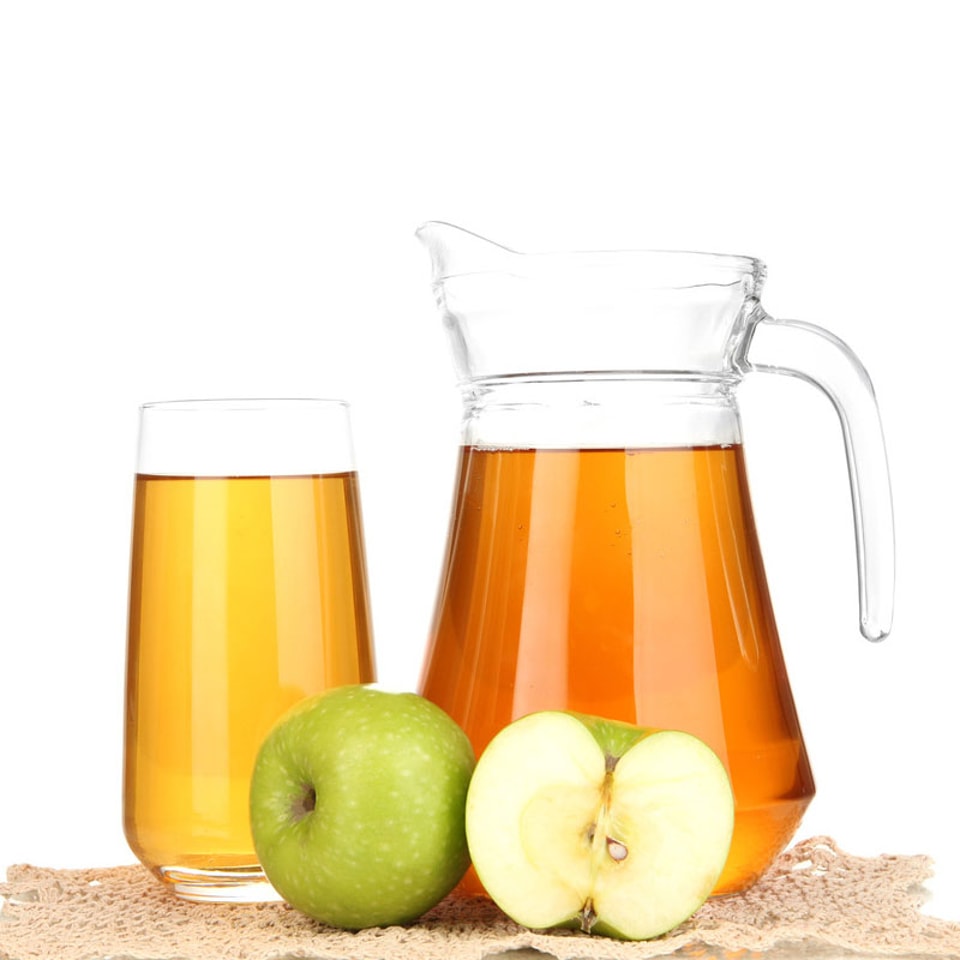
Fruit juice processing technology and suggestions
Fruit juice refers to the juice obtained directly from fresh fruit by pressing or other methods without adding any foreign substances, while fruit juice beverage refers to the juice prepared by adding water, sugar, acid, essence, spices, etc. with fruit juice as the base material. According to the classification standards of soft drinks, fruit juice beverages are divided into: original fruit juice, concentrated fruit juice, original fruit juice, concentrated fruit juice, pulp fruit juice beverage, high sugar fruit juice beverage, grain fruit juice beverage, and fruit juice beverage.
There are many factors that affect the quality of juice processing raw materials, and they are usually measured by the following formula: juice quality=(nutrition) × Storage resistance × Security × Acceptability/(Weight × Price × Energy consumption).
1. Raw materials
(1) Basic requirements for the quality of fruit juice raw materials.
① Timely harvesting; ② Select raw materials with high freshness; ③ Choose raw materials with high cleanliness.
(2) The variety characteristics that juice raw materials should possess.
① High juice yield or pulp yield of fruit juice; ② Sweet and sour taste; ③ Rich aroma; ④ Brilliant colors; ⑤ Rich in nutrients and high preservation rate during processing; ⑥ Low content of ingredients that seriously affect the quality of fruit juice; ⑦ High content of soluble solids; ⑧ The texture is suitable.
2. Basic process points for different forms of fruit juice production
(1) Clarify the juice.
Clarification and filtration are required, and those made from dried fruits also require extraction.
(2) Turbid juice.
Homogenization and degassing are required.
(3) Concentrated juice.
Concentration is required.
(4) Fruit pulp beverage.
Pre cooking, beating, homogenization, and degassing are required.
(5) Fruit powder.
Drying is required.
3.1 Sterilization of Fruit Juice
Sterilization includes thermal sterilization (electric heating sterilization, dry heating sterilization, microwave sterilization, high-temperature sterilization, pasteurization or high-temperature instantaneous sterilization, etc.) and non thermal sterilization (ultraviolet sterilization, pulse electric field sterilization, magnetic sterilization, ultra-high pressure treatment, irradiation treatment, chemical and biological sterilization technology). The so-called sterile packaging refers to a new type of packaging method for food in a sterile environment. The procedure of this packaging method is to first sterilize the food, usually using steam ultra-high temperature instantaneous sterilization method. Then, in a sterile environment, the food is placed in a sterilized packaging container and sealed. The container is usually sterilized with hydrogen peroxide solution or ethylene oxide gas.
3.2 Filling of fruit juice
There are two types of fruit juice filling: hot filling and cold filling. Hot filling refers to the filling of fruit juice in a hot state after sterilization, using the heat of the product to sterilize the inner surface of the container; Cold filling refers to filling without sterilization before filling, and filling after cooling, such as frozen concentrated fruit juice and refrigerated fruit juice.
3.3 Stability of Fruit Juice
Measures to improve the stability of cloudy juice: reduce the radius of suspended particles in the juice, i.e. homogenization; Increase the viscosity of the dispersion medium, i.e. the use of thickeners and stabilizers (pectin, agar, guar gum, xanthan gum, gellan gum, etc.); Reduce the density difference between particles and dispersed media, i.e. degassing.
4. Suggestions for juice production
(1) Development direction.
Develop 100% of the original fruit juice; High value-added juice drinks with added functional factors; Healthy fruit juice with plant extracts added; Develop mixed fruit and vegetable juices.
(2) Pay attention to the issue.
Attention should be paid to issues such as fruit juice spoilage (including discoloration, flavor change, mold growth, etc.), changes in nutritional components of fruit and vegetable juice (vitamins, carotenoids, anthocyanins, flavonoids), and excessive pesticide residues.
5. Machinery related to fruit processing line
Fruit storage silos - cleaning, sorting machines - grading/grading machines
Juicer, juicer, separator, evaporator, concentrate juice products
Fruit pulp/fruit pulp collector sterilization machine filling machine fruit pulp
Essential oil refining agent Fruit oil
Fruit residue collector animal feed
Soaking extraction, pre boiling, pulping, rapid freezing, stem cell apparatus, ultrafiltration, decolorization, desliming machine, crusher, stone washing machine, brushing machine, pine apple extractor, refining machine, enzymatic hydrolysis, filtration, CIP cleaning system
Beyond Machinery specializes in the design and manufacturing of fruit processing lines. We have rich experience in the industry and numerous successful cases. Our customers are located around the world, and they have achieved success in different markets. Contact us now, professional technical engineers will customize the fruit processing line plan for you, and you can also obtain the latest quotation.
9/1, 2023
