

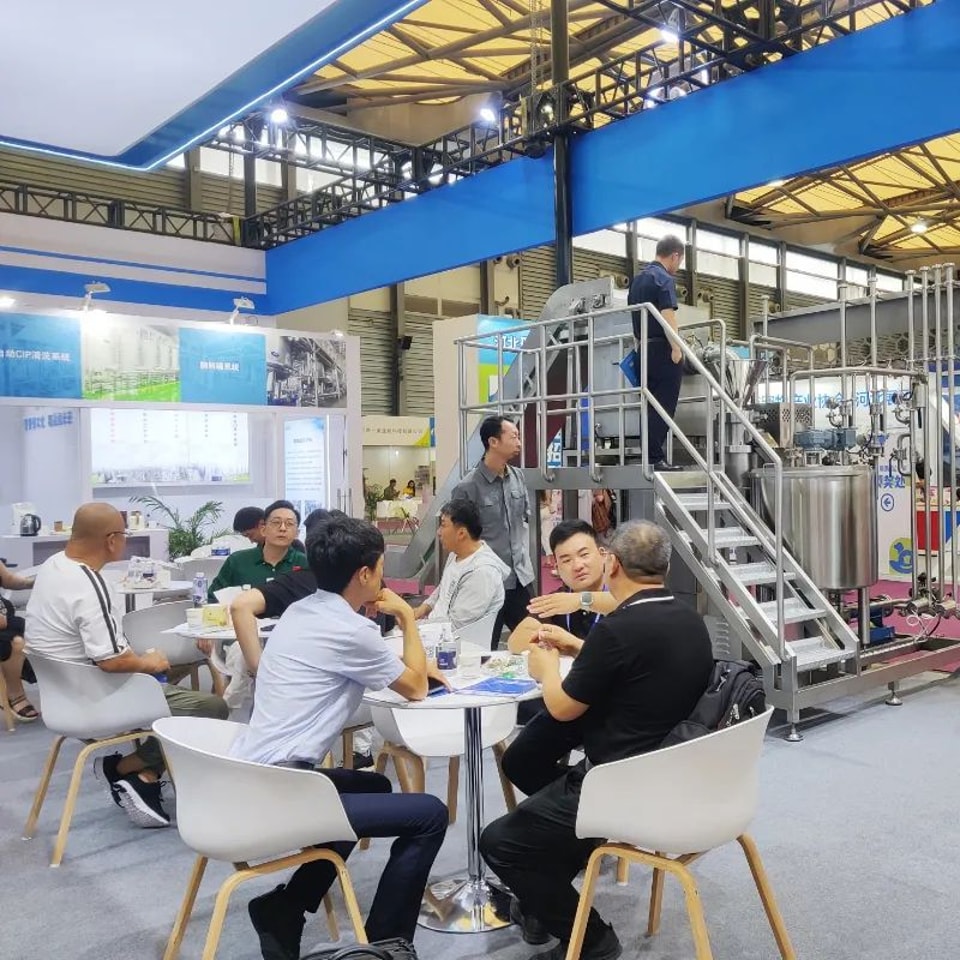
Pet Food Processing Line | Beyond Machinery Meets You at the Asia Pet Exhibition
As an important event in the pet industry, the 25th Asian Pet Expo 2023 was grandly held from August 16 to 20 at the New International Expo Center in Shanghai, China.
2023 coincides with the 25th anniversary of Asia Pets, marking the first grand event for the entire pet industry after the epidemic. This year, the scale reached a new high in Asia Pets' history, covering the entire Shanghai New International Expo Center.
With people's increasing demands for the quality and safety of pet food, the market demand for pet food machinery is also growing, and the pet food manufacturing industry is moving towards a new era of digitization and intelligence. As a professional supplier of automated mechanical equipment, Beyond can provide key technologies and equipment for pet food processing, such as fresh meat addition production lines, wet grain processing production lines, and flavor agent production lines.
At this exhibition, experts from Beyond elaborated on the innovative equipment products, systems, and services of Beyond based on the actual situation of customers. In the future, relying on its own research and development resources, Beyond will explore more on the path of product advancement to meet the different functional needs of pets, stride forward towards business specialization and diversified management, and provide customers in the pet food industry with higher quality pet food boutique production equipment.
8/23, 2023
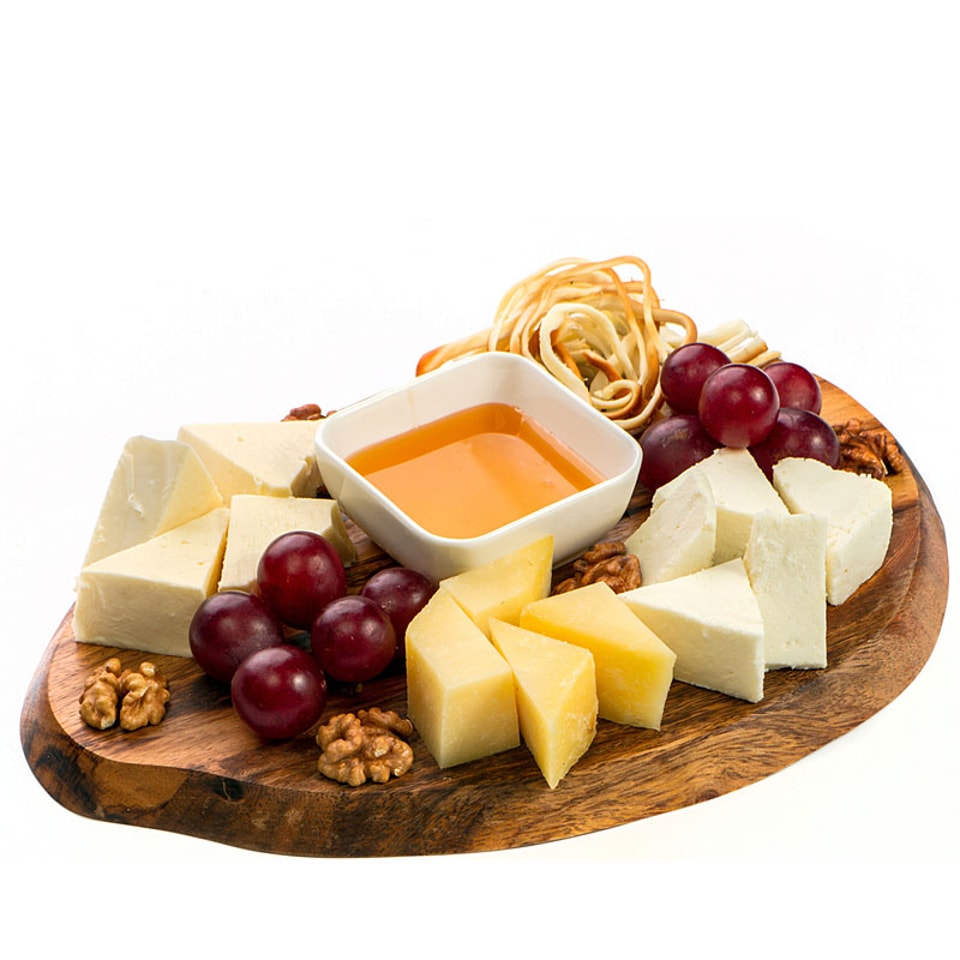
Strong growth in demand for cream processing lines
Plant based food refers to a food that simulates the flavor and taste of animal food while keeping up with traditional plant based food in terms of nutritional composition. Under the promotion of "Healthy China 2030", people's awareness of nutrition and health consumption has been comprehensively improved, and plant nutrition has also been valued. According to data from Research and Markets, it is expected that the global plant-based market will grow to $35.5 billion by 2024, with a compound annual growth rate of 15%. Currently, more than 800 companies or brands have laid out plant-based tracks. With the expansion of the cream product market, the demand for cream processing line equipment has also grown strongly.
Market Background of Cream Processing Line
Foreign environment is under pressure, domestic production capacity is increasing, and domestic cream is entering a growth period
More than 80% of China's imported cream comes from New Zealand, and the supply and price are relatively stable. However, in 2022, due to various factors such as the international situation, the epidemic, and the supply chain, the import price of cream has increased significantly. According to customs data, the average import price of cream in 2022 was $3765 per ton, a year-on-year increase of 1.52%. Cream from European origin was directly affected by the Russia Ukraine war and was priced the highest. In this context, the import volume of cream has also declined, with China's import volume of cream reaching 255300 tons in 2022, a decrease of 6.4% compared to 2021.
In contrast, the advantages of domestic cream in terms of supply chain and cost-effectiveness are highlighted, which has also led some importers to look back at the domestic market. And the layout of domestic production capacity coincides with the current production situation of China's dairy industry. From various aspects of analysis, the cream processing line has a market driving force for rapid growth.
Economic Factors of Cream Processing Line
Since last year, the number of dairy cows on domestic farms has increased significantly, with China's milk production reaching 39.32 million tons in 2022, a year-on-year increase of 6.8%. Against the backdrop of a significant increase in production capacity, there is an oversupply of fresh milk. If powder spraying is used directly, profits will be lower and even losses may occur, leading many domestic factories to search for other product combinations to absorb excess production capacity. Compared to whole milk powder, the combination of "skim milk+cream" can achieve higher returns. Therefore, the industry generally expects that the market share of domestic butter will further increase in 2023.
In 2022, the market size of industrial packaged cream in China reached approximately 40000 to 50000 tons. With the end of epidemic control and the continuous innovation of cream in the application field, the market share will further expand. From various aspects of analysis, the use of cream processing lines can create good economic value.
Beyond Machinery specializes in the design and manufacturing of thin cream processing lines. We have rich experience and mature technology in the design and manufacturing of a complete set of thin cream processing line equipment. Our thin cream processing line equipment has been stably used in multiple countries around the world for a long time and plays a unique value. Contact us now to obtain customized solutions and the latest prices for the cream processing line.
8/17, 2023
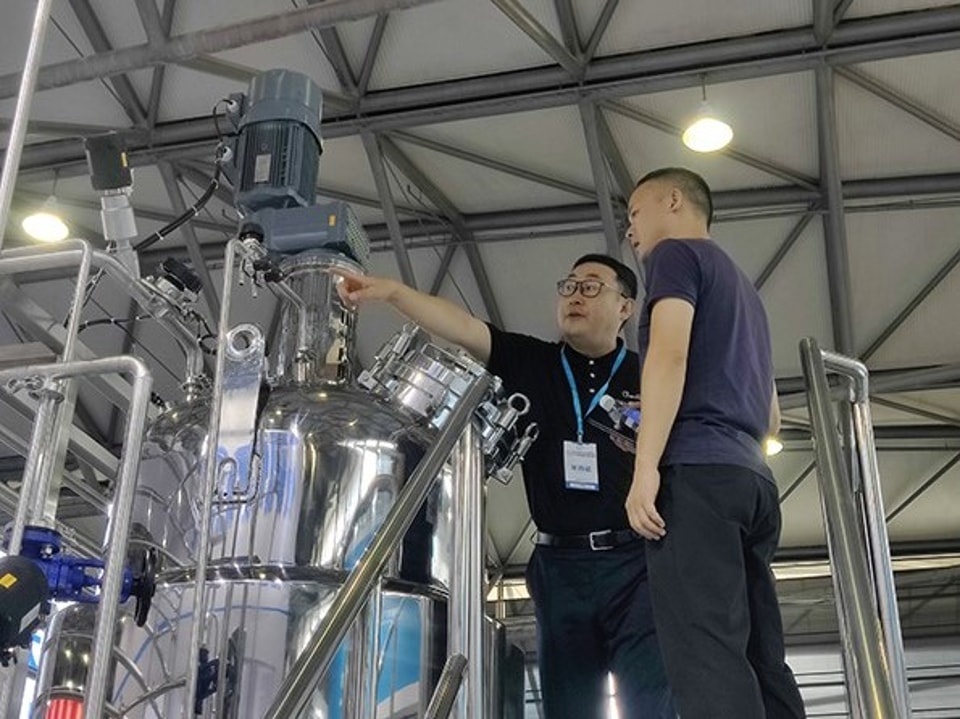
【 Direct to the scene 】 Beyond Machinery is here to meet you at the Shanghai Biological Fermentation Exhibition!
The 11th BIO CHINA in 2023, the annual "show" eagerly awaited by the global bio fermentation industry, was held in Shanghai New International Expo Center on August 4-6. As the annual event of biological fermentation, the exhibits of this exhibition mainly cover various new products, new technologies, new equipment, and new processes required for production and processing of biological fermentation, biotechnology, biopharmaceuticals, bioengineering, Cell engineering, etc., committed to intelligent manufacturing one-stop solutions for biotechnology industry, and creating a high standard international nutrition and health ecosystem.
Beyond Machinery, together with a number of full-automatic biological fermentation equipment and Laboratory equipment, appeared to show new products and technologies to upstream and downstream enterprises and the public.
This exhibition focuses on broadening our horizons and exchanging cooperation. We have conducted in-depth communication and negotiations with visiting customers and experts to further understand the market situation and customer needs. Our staff have also fully demonstrated the performance and service of our excellent products to customers.
8/4, 2023
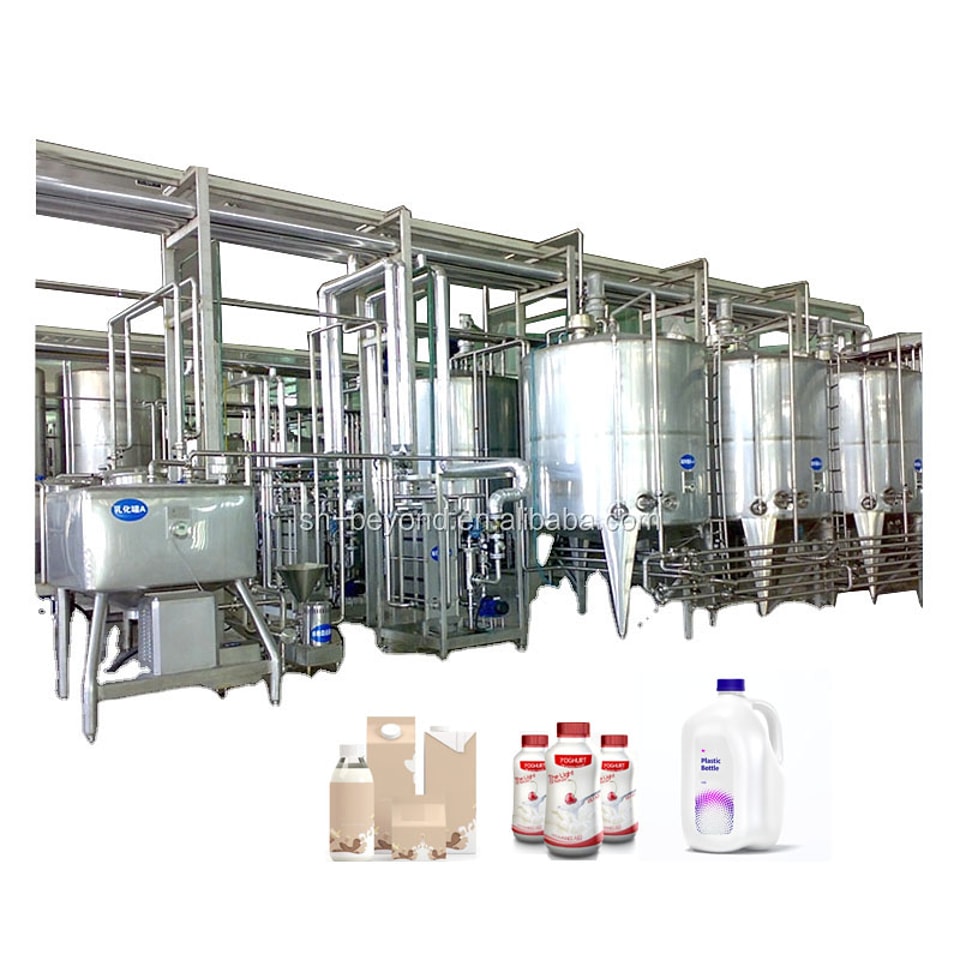
Application characteristics and quality control of sterile cans in dairy processing
Ultra high temperature sterilization and pasteurization are commonly used sterilization processes in dairy products. UHT sterilized milk is favored by countless consumers and manufacturers worldwide due to its long shelf life, no need for refrigeration, and good nutrient retention. In the mid to late 20th century, aseptic filling technology began to be commercialized, and it was widely applied and promoted in the aseptic packaging of liquid dairy products and liquid juice drinks. Aseptic tank equipment, as a temporary storage tank for sterile liquid products, is widely used in aseptic filling lines due to its characteristics of extending the continuous production time of the filling machine, avoiding the circulation heating of raw milk, and stabilizing the filling pressure. Especially when producing products with fruit granules, aseptic tanks must be used. This article takes aseptic cans as an example to introduce their structure and use, and summarizes their application advantages and quality control points in dairy processing.
Introduction to sterile cans
Sterile tank equipment can be used as a storage tank for sterile liquid products, connected to product sterilization and filling equipment (Figure 1), and used for intermediate storage of UHT processed dairy products. It is one of the key equipment in the sterile filling production line. Even if any of the machines undergo planned maintenance or cleaning, they can still continue production with the other party.
The emergence of sterile cans has played a good promoting role in the development of sterile filling technology. To ensure the integrity of the aseptic state of the product during storage, strict requirements are placed on the aseptic performance of the equipment. Some equipment has problems such as short aseptic time, unstable aseptic performance, low automation level, and low yield.
2.1 Aseptic Tank Construction
The sterile tank mainly consists of three parts: the tank body, valve group, and control cabinet. Figure 2 shows an overview of sterile cans and equipment used for product processing. The sterile tank adopts a modular design, mainly including the following 7 modules.
(1) Sterile cans. Store the product in a sterile state. The weighing sensor will weigh the tank body, the top level sensor controls the input valve to prevent overflow, the bottom level sensor measures whether there is still liquid in the sterile tank, and the tank top stirring device ensures that the product is in a flowing state to prevent sedimentation.
(2) Product input. The device controls the product from the sterilizer to the sterile tank, which is controlled by multiple pneumatic valves and protected from contamination by steam barriers. When the liquid level in the tank reaches 1 L, downstream products can be filled and transported for production; When the liquid level in the tank reaches a high level, UHT sterilized milk stops being transported to the tank.
(3) Cooling water input. After sterilization, the temperature of the tank body is reduced by filling the cooling interlayer with cooling water, and then discharged. The amount of cooling water used is 800 L/time, and each cooling requires 2 filling and discharge.
(4) Steam and CIP input. Steam ensures the steam supply during the sterilization process, used for sterilization of various pipelines and tanks, as well as the supply of steam barriers during the production process; CIP input ensures the supply of CIP solution during the CIP process.
(5) Steam and CIP output. Steam will be discharged in sterilization mode and CIP will be discharged in cleaning mode.
(6) Product output. This part ensures that the product is output from the tank body to the filling machine, and there is a temperature sensor at the bottom outlet of the tank to detect the product temperature; To ensure stable feeding of the filling machine, the pressure at the bottom of the tank remains constant, controlled by a pressure sensor at the bottom of the tank and a sterile air control valve group.
(7) Sterile air input. Used for supplying and discharging sterile air, there is a pressure sensor on the top of the tank that detects the pressure of the sterile air on the top.
2.2 Signal docking of sterile tanks
(1) Signal from sterilization machine and sterile tank. CIP (on-site cleaning); PAM (Product Signal); PDS (filling signal); RFP (Production Request Signal); RFW (Water Supply Request Signal); SPS (Production Stop Signal); SST (sterilization machine sterilization); WAM (Water Supply Signal); CSB (Clean Steam Barrier); RSB (flushing steam barrier).
(2) Sterile cans and filling machine signals. CIP (on-site cleaning); FST (filling machine sterilization); PAM (Product Signal); PFM (Filling Production Signal); RFP (Production Request Signal); RFW (Water Supply Request Signal); TST (Sterile Tank Sterilization); WAM (Water Supply Signal).
3. Use of sterile cans
3.1 Sterilization mode
The whole product circuit is filled with steam, and the equipment and connected product pipes are heated and sterilized by saturated steam, including the sterile air filter. The temperature reaches 140 ℃ and remains for 1200 s. The temperature sensor at the tank bottom outlet will measure and monitor the sterilization temperature. After starting the sterilization program, the system automatically performs the following steps: preheating, pressurization, sterile air evacuation, sterilization timing, sterile air cooling into the tank, cooling water cooling into the interlayer, and manually selecting the sterile water flushing program to cool the tank and empty the sterile water. After the sterilization mode is completed, the machine will become sterile and ready for production.
3.2 Production mode
The sterile tank receives a PAM signal from the UHT, opens the product feed valve, and the product flows into the guided sterile tank from the UHT. After the filling machine sends a product request signal, open the product supply valve, and the product will be transported to the product input valve of the filling machine. There is a return pipeline from the downstream product pipeline of the filling machine to the sterile tank, and the valve group at the end of this pipeline is protected from contamination by steam barriers.
3.3 Sterile flushing mode
After producing a variety, before switching to another variety, the entire equipment will be rinsed with sterile water supplied by UHT to remove product residues, and sterile water can also be fed to the filling machine for sterile flushing. When the filling machine sends an RFW signal, the sterile tank will request sterile water from the sterilization machine; When the liquid level in the tank reaches the sterile flushing level, a WAM signal will be sent to the filling machine.
3.4 CIP mode
Alkali and acid cleaning agents are input into the equipment through the CIP pipeline, and the entire circuit is cleaned in a closed cycle according to the CIP process. The timing starts only after reaching the set temperature and conductivity. The cleaning circuit includes two paths: the tank body and the product pipe of the feeding valve. The CIP cleaning solution enters the tank from the top spray ball to clean the inner wall and supply pipe of the tank. After starting the CIP program, the system automatically performs the following steps: evacuation, pressurization, pre flushing, alkali washing, evacuation, water flushing, acid washing, evacuation, final water flushing, evacuation, and exhaust pressure relief.
3.5 standby mode
The equipment is in an open state, drained and cleaned, and there is no activation program. Sterilization mode must be activated before production can begin.
Application characteristics of 4 sterile cans in dairy processing
4.1 Enable the filling machine to produce continuously for a long time
In the entire UHT sterilization milk production process, UHT sterilization equipment is often a major factor limiting continuous production capacity. If equipped with sterile tank equipment, when upstream UHT equipment needs CIP cleaning for a certain period of production, the product is already stored in the sterile tank, and downstream filling machine equipment can continue to fill. When UHT is sterilized after CIP cleaning, sterile products can be transported to sterile tanks, and the filling machine can continue production, thereby increasing continuous production time, reducing cleaning costs, and increasing production.
4.2 Low furfuran content during the production of neutral milk such as pure milk
Furosine in dairy products is one of the series products produced by the Maillard reaction of protein and lactose under high temperature conditions. The lower the content of furosine, the better the nutritional quality of dairy products. In 1992, EU countries took furosine as an important indicator to judge the quality of dairy products. In 2004, the International Organization for Standardization (ISO) issued ISO 18329-2004 to detect the content of furosine in dairy products by High-performance liquid chromatography, and determine whether there is reconstituted milk by detecting the content of furosine in dairy products. In 2005, the original Ministry of Agriculture formulated the "Identification of Reconstituted Milk in Pasteurized Milk and UHT Sterilized Milk" (NY/T 939-2005), and in 2016, the revised version of the "Identification of Reconstituted Milk in Pasteurized Milk and UHT Sterilized Milk" (NY/T 939-2016) also included furfuran as an important indicator for detecting reconstituted milk, stipulating that every 100 g of protein in UHT sterilized milk contains more than 190 mg of furfuran, Or when the ratio of Lactulose content (mg · L-1) to furosine content (mg protein/100g) is less than 2 when the furosine content of UHT sterilized milk is 140 ~ 190mg per 100g of protein, it is identified as containing reconstituted milk.
In the process of UHT downstream direct connection filling machine producing pure milk and other neutral milk, if the downstream filling machine is in fault shutdown, the milk will flow back to the UHT system for cyclic heating. When the cyclic heating time exceeds a certain time, with the deepening of Maillard reaction, the color and flavor of the product will change significantly. If sterile tank equipment is installed downstream of UHT, this situation can be greatly avoided, because regardless of whether the filling machine is in production or malfunctioning, the product is always transported to the sterile tank and will not return to the UHT system for repeated heating. Therefore, when using sterile tanks, the content of furyl acid in the product is generally lower than that of products without sterile tanks.
4.3 No return milk loss
When milk cannot be filled for a long time, it will undergo multiple cycles of heating, resulting in significant changes in the color and flavor of the product. Industrial measures typically involve emptying the milk during this cycle of heating and re conveying the fresh milk to the UHT system, which can result in losses of several hundred kilograms of milk. If sterile tank equipment is installed downstream of UHT, this situation can be avoided and raw milk loss can be reduced.
4.4 Can produce products with fruit granules
Adding fruit granules to dairy products combines vitamin rich fruits and milk, which can achieve dietary balance, enhance the added value and customer experience of dairy products. Therefore, UHT dairy products with fruit granules are one of the products researched and developed by many dairy companies in recent years, but they also face problems such as uneven fruit granules and easy breakage of fruit granules. At present, there are two possible production processes for adding fruit grain dairy products: pre mixing process and post addition process. Both of these processes require the use of sterile tanks to temporarily store sterilized products. The stirring device on the top of the sterile tank ensures that the products are in a flowing state to prevent the accumulation of fruit particles, resulting in uneven fruit particles.
4.5 No need for frequent maintenance
Compared to filling machines and UHT equipment, sterile tanks have almost no moving or worn parts except for stirring paddles, so it is usually only necessary to regularly replace pipeline valve sealing rings, etc., without the need for large-scale periodic maintenance plans.
4.6 High degree of automation
Except for the need to disassemble the elbow joint when switching between production mode and cleaning mode, operators mainly complete the operation through the human-machine control panel. After selecting the required operation mode, all program steps will be automatically executed, with minimal manual intervention.
Quality control of 5 sterile cans in dairy processing
5.1 Steam must be clean
Due to the use of a large amount of steam during the sterilization process to sterilize the tank body, and the need to provide steam to maintain steam barrier during the production process, direct contact between steam and the product or its surface must be ensured to ensure that the steam meets food grade standards. In addition to installing steam filters, it is also possible to consider using a clean steam generator device to ensure steam cleanliness.
5.2 Replacement of sealing ring for mixing paddle shaft
During the production process, high-temperature steam is continuously injected into the mechanical seal of the mixing paddle shaft to prevent contamination of the product through the mixing shaft. However, the sealing components of the mixing shaft are often prone to aging at high temperatures, leading to a risk of product contamination in the tank.
5.3 Replacement of sterile air filter screen
Sterile air is compressed air that has been dehydrated and degreased, passing through two 0.01 μ The m level sterile air filter screen and pressure regulating valve are formed, and the sterile air filter must be steam sterilized before production begins. To ensure the filtration effect, regular replacement is necessary. It is recommended to use it 100 times under sterilization conditions of 140 ℃ and 30 minutes.
5.4 Ensure good CIP cleaning effect
CIP cleaning must thoroughly clean the tank and pipeline, and a reasonable cleaning procedure should be adopted. At the same time, appropriate cleaning agent concentration, temperature, time, flow rate and other parameters should be used to ensure the cleaning effect, especially when there are no dead corners in the mixing paddles.
5.5 Sterile air pressure
During the production process, the sterile air on the top of the tank needs to maintain a certain positive pressure to prevent the product from being contaminated by external air. When the pressure of the sterile air on the top of the tank is lower than the safety limit, it may lead to a risk of product contamination inside the tank.
5.6 Others
The sterile tank is in the downstream sterile process of UHT, and maintaining the sterility of the sterile tank is crucial. In addition, multiple factors such as equipment sterilization, steam barrier temperature, pipeline valve group leakage, storage time, etc. need to be considered. It is necessary to evaluate their respective risks and develop corresponding control measures to ensure product sterility.
6 Conclusion
In recent years, with the rapid development of the dairy and beverage industries, sterile filling technology has become increasingly mature, and the use of sterile cans has become increasingly widespread. At present, there is a large demand for sterile tank equipment in the Chinese market, and some domestic equipment manufacturers are also developing sterile tanks. However, there is still a certain gap in the aseptic performance and automation level of domestic sterile tanks compared to imported sterile tanks. Dairy enterprises should selectively equip aseptic cans based on their own product characteristics, processing technology, and production line layout, and develop reasonable quality control measures to ensure the aseptic state of products, thereby achieving the goal of extending continuous production time.
We specialize in turnkey engineering design and manufacturing of milk production lines, and our clients have achieved success in different countries around the world. Contact us now to obtain the latest milk processing line design plan and quotation!
8/3, 2023
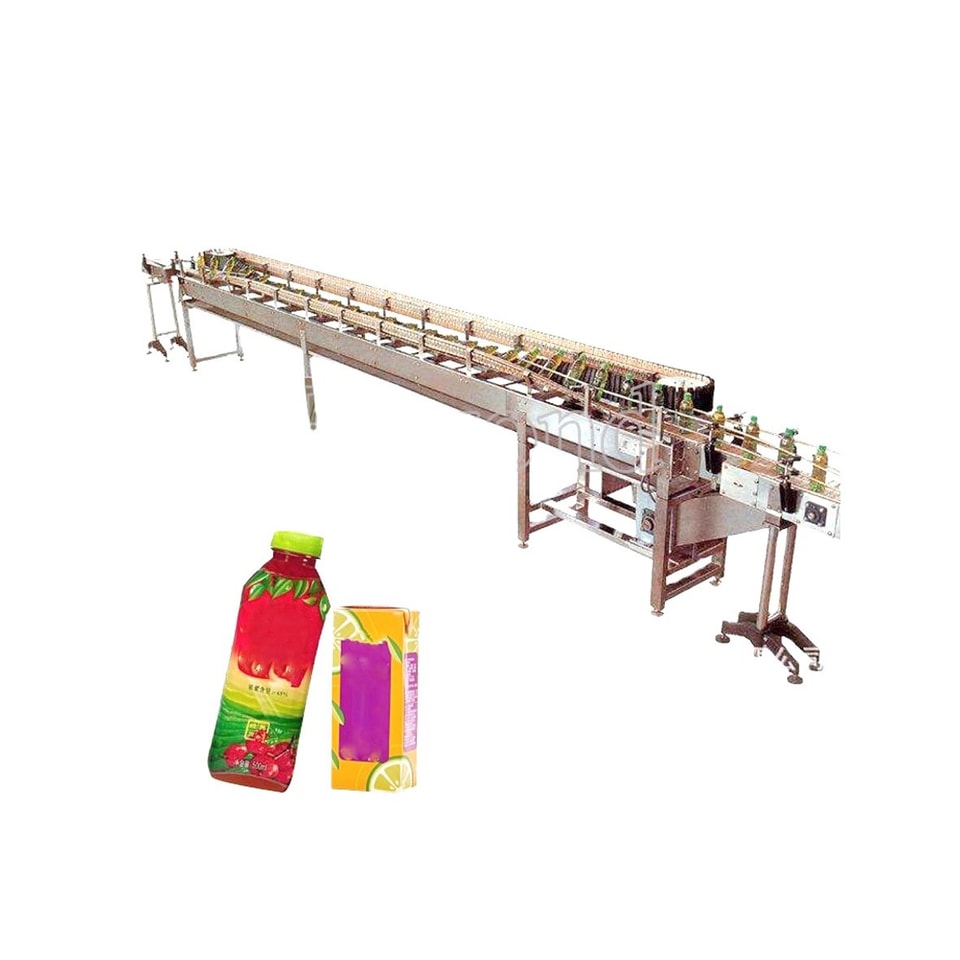
Research progress in fruit wine brewing and processing technology
About fruit wine production line
Fruit wine is a fermented wine that uses fresh fruit juice or fruits as raw materials, using processes such as adjusting acidity and sugar to ferment some or all of the raw materials into a lower alcohol content. Finished fruit wine usually contains a large amount of polyphenolic substances, which can effectively prevent fat from accumulating in the body for a long time. At the same time, fruit wine contains a large amount of amino acids and other substances. The alcohol content of fruit wine is much lower than that of common wine and Baijiu. Generally, the alcohol content of fruit wine is between 5% and 10%.
Current status of fruit wine brewing technology
The geographical climate of different countries around the world is different, and many places have rich fruit resources, which also provides an important material basis for fruit wine brewing. In recent years, the development speed of fruit wine breweries has been very fast. According to the existing selection criteria for fruit wine, according to the different raw materials, fruit wine can be divided into berry, kernel fruit, citrus, stone fruit, melon and mixed fruit. The typical representative of kernel fruit wine is Cider, the representative of berry fruit wine is wine, the representative of stone fruit wine is green plum, and the citrus fruit wine includes citrus, pomelo, orange and orange. The representative of fruit wine is watermelon. Based on the current market situation of fruit wine, mixed fruit wine is also quite common.
1.1 Fruit wine brewing process
The brewing process of fruit wine usually involves selecting raw materials, cleaning raw materials, making fruit pulp, adding color fixatives to protect the original color of the raw materials, blending ingredients, adding yeast, fermentation, subsequent fermentation, gelatinization, clarification after filtration, adjusting sugar and acid, pasteurization, and bottling the finished product.
1.2 Fruit Wine Brewing Technology
1.2.1 Microbial Technology
From the current overall process of fruit wine brewing, microbial resources are currently in a relatively scarce state, and relevant scientific research institutions have not developed yeast with good fermentation effects for a specific variety of fruit wine. Besides wine, it has a more specialized strain that supports fermentation. The common strains of Cider include sweet Gree, sweet wheat, Dabila, etc. The other ciders have not formed special microbial varieties.
The main fermentation technology is a component of microbial technology, and the fermentation effect of fruit wine is closely related to temperature. When the temperature is low, the production efficiency of yeast strains will be in a relatively low range, resulting in a slower fermentation speed and significantly reduced utility. The pH value is a key indicator value that reflects the activity, growth, and reproduction of fermentation yeast. Reasonable control of the acidity and alkalinity of fruit juice during fermentation can improve a good breeding environment for yeast. It should be noted that the fermentation broth has poor buffering capacity and is sensitive to changes in pH values. Detecting pH in the fermentation broth can better reflect the living conditions of the fermentation bacteria. When the fermentation bacteria are hungry, the pH of the fermentation broth is higher than the predetermined value, and a certain amount of sugar can be added to it to awaken the working state of the fermentation bacteria. Excessive sugar content can cause a significant decrease in pH value. In the actual industrial production process, it is necessary to maintain the pH value of yeast within a certain range, which is also one of the key factors for the quality of fruit wine brewing results. The inoculation amount of yeast also plays an important role in the fermentation effect, and the inoculation amount of yeast is inversely proportional to the fermentation time of yeast. However, in actual production, if the inoculation amount exceeds a certain range, the fermentation speed of yeast is too fast, which can easily cause unnecessary waste of raw materials; If the inoculation amount is too small, it will significantly increase the fermentation time of yeast, which is easy to contaminate the yeast and cause a decrease in the overall quality of fruit wine.
1.2.2 Acid regulation technology
The development speed of acid regulation technology for fruit wine is also relatively fast, with common methods such as chemical methods, microbial degradation methods, electroosmosis methods, and low-temperature freezing. Chemical methods usually use alkaline salts to effectively react with acids in fruit juice to achieve acid lowering effects. Common alkaline salts include K2C4H4O6, Na2CO3, K2CO3, KHCO3, and other slightly alkaline salts. In practical operation, KHCO3 and K2CO3 are particularly effective in reducing acid. The above two salts can not only effectively reduce the amount of titrated acid, but also significantly neutralize Malic acid. The low-temperature freezing method was first used and the effect is relatively obvious. With the continuous development of chemical science, microbial acid reduction methods have gradually been widely used in practical production. Taking Hai Hong Guo as an example, by tasting the finished wine, Hai Hong Guo juice has a high acidity and a slightly acidic taste, so it is necessary to focus on adjusting the acidity of the original solution. Chemical reagents such as Ca CO3, KHCO3, and citric acid can be used to increase the pH value of the original solution, providing the best environment for yeast fermentation. Expert research has found that before fermenting 8.5 ° sea red fruit wine, it is necessary to adjust the pH value and sugar content of the raw materials, which can be controlled around the values of 3.5 and 15%. The breeding environment of yeast is suitable, so that the fermentation work can also be carried out smoothly.
1.2.3 Clarification techniques
At present, the development prospects of the fruit wine industry are promising, and the market has high requirements for the quality of fruit wine. The main process flow of the chemical clarification method is to add existing chemical clarification reagents to the juice, thereby achieving the process of juice clarification. At present, Pectinase, gelatin, chitosan and diatomite are widely used, and these reagents have obvious effects in actual production. Some experts believe that the effect of compound clarifying agent is the best, because the effect of chitosan is better than that of diatomite, gelatin and Pectinase. Placing the material in a closed container for a period of time to achieve clarification is the most primitive method of using natural clarification.
1.2.4 Sterilization technology
From the perspective of sterilization technology, the sterilization technology of fruit wine mainly includes chemical sterilization, irradiation sterilization, and microwave sterilization, which mainly causes bacterial death due to heat. It should be emphasized that irradiation sterilization mainly utilizes irradiation techniques, such as X-ray sterilization, ultraviolet irradiation sterilization, and electron ray sterilization. The main method of chemical sterilization is to add an appropriate amount of microbial inhibitors during the brewing process of fruit wine for sterilization. The thermal sterilization technology mainly adopts the process of pasteurization to kill bacteria, which instantly kills bacteria through ultra-high temperature.
Common problems in the production process of fruit wine
2.1 Few high-quality raw materials and fruits
Through practice and research, it has been shown that the quality of fruit wine requires higher processing techniques. At the same time, fruit wine also has high requirements for the transportation, picking, and storage of fruits. At present, domestic fruit resources are very abundant, but in actual picking, due to different harvesting methods and time nodes of fruit farmers, the variety of high-quality fruit wine brewed is limited, which will have an impact on the quality of fruit wine. The limited variety of high-quality fruit wine is one of the important reasons for the lack of distinctive and high-quality fruit wine in China, which has a significant restraining effect on the development of high-end fruit wine in China.
2.2 Few types of yeast used for fruit wine fermentation
At present, the special fermentation yeast for domestic fruit wine is mainly concentrated in Cider and wine, and there are few other types of high-quality fruit specific yeast, which obviously restricts the development of other types of fruit wine.
2.3 Unstable product quality
The key to seizing the market and stabilizing customer sources lies in the quality and stability of fruit wine, which is particularly important for high-end fruit wine. Many factors affect the quality of fruit wine, and it is difficult to stabilize the quality of fruit wine. At present, the production process of high-end fruit wine in China is not mature, and there are many unstable factors. Quality fluctuations have led to a downward trend in the number of fixed consumers, which is unfavorable for the development of high-end fruit wine.
2.4 More and more fruit wine additives
At present, there are many fruit wine brands, with over 90% of fruit wines containing over 5 types of additives. At present, consumers pay more attention to health. The market share of fruit wine containing synthetic pigments, artificial essence, thickeners, sweeteners, condiments and other additives is declining. Overall, the content of additives in fruit wine production is too high and the categories are relatively complex.
Innovative ideas and development directions for the production process of fruit wine
3.1 Cultivating high-quality fruit wine raw materials and fruits
At present, fruit wine processing enterprises need to coordinate and transform the entire process by selecting high-quality and easy to grow fruit varieties for the cultivation and cultivation of high-quality fruit varieties. Fruit wine enterprises, in collaboration with research institutes, cultivate high-quality varieties of fruit suitable for planting. They provide timely training and guidance on the planting techniques and precautions for fruit wine specific fruits to fruit farmers, and timely pick and transport the fruits to the factory to maintain their freshness.
3.2 Improving the Varieties of Fruit Wine with Fermented Yeast
At present, there is still a certain lack of research on specialized yeast for fruit wine. It is necessary to enhance the research on various types of fruit wine yeast, analyze and compare the specialized yeast suitable for different types of fruit wine fermentation, and produce certain differences in aroma components. It is necessary to use specialized yeast that is more conducive to fermentation in order to ferment more high-end fruit wine products. At present, the use of specialized yeast can use immobilized yeast geothermal technology to stimulate the quality of fruit wine and produce higher quality results.
3.3 Optimizing the production process based on the aroma components of fruit wine
Aroma composition is one of the key factors affecting the quality of fruit wine, playing a crucial role in the market sales price and market share of fruit wine. Sales volume is related to many factors such as production efficiency, sales volume, aroma composition, raw material cost, etc. At present, the analysis of components can continuously improve production processes and accelerate the exploration and analysis of aroma components in fruit wine. In the production process of fruit wine, a series of physical methods such as photo aging, electric aging, and magnetic aging can be used for determination. At the same time, chemical methods such as catalysts and micro oxidation can be used to improve the aging efficiency of fruit wine, continuously improving the overall production efficiency of fruit wine. At the same time, the aging efficiency of fruit wine will also continue to improve.
3.4 Optimizing the production process of organic fruit wine
Currently, with the deepening and understanding of consumers' concept of green and environmental protection, more and more consumers are choosing green and environmentally friendly drinks. Green organic fruit wine can meet consumers' needs. In the process of fruit wine processing, enterprises need to continuously innovate production processes and techniques, and develop production and storage methods with little or no additives. In the production of innovative organic fruit wine, it is necessary to fully consider and improve the production, processing, transportation, composition, storage, packaging, and other aspects of raw materials. In the actual processing of fruit wine, efficient sterilization processes can be used instead of the original additives, which will significantly increase the shelf life of fruit wine and reduce the total amount of preservatives used in organic fruit wine. This is of great significance for the improvement of organic fruit wine.
4 Conclusion
At present, the prospects of the fruit wine market are bright, but there is also significant market competition. At present, there is no leading brand for fruit wine. While continuously researching and innovating fermentation methods and products, it is necessary to create unique products and utilize regional characteristics to create unique fruit wine. With the increasing market demand, the research and development of fruit wine processing technology is also ongoing, requiring interdisciplinary teams to cooperate with high quality. In the future, fruit wine brewing technology will move towards a more mechanized, professional, and evolutionary direction.
Beyond Machinery specializes in the design and manufacturing of fruit wine production lines. If you have any needs in this regard, please contact our technical engineer. Our pre-sales engineer will communicate with you immediately. Contact now and you will receive the latest fruit wine production line design plan and quotation!
7/28, 2023
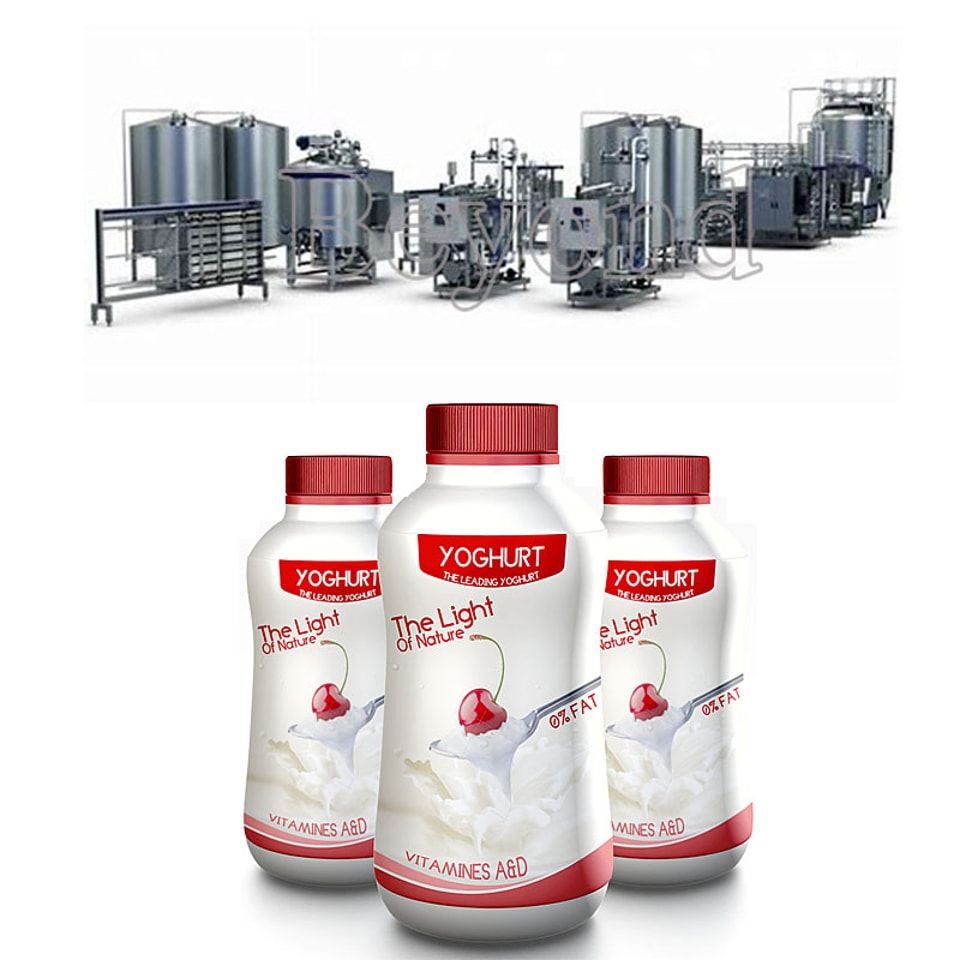
Yogurt production and industrial yoghurt production process
Many people particularly enjoy drinking yogurt, which has a mellow and sour taste that pure milk does not have. Many people can't help but crave it, do you know how yogurt is produced? Follow my footsteps and take a look together.
Firstly, the production of yogurt is divided into the following steps: preheating, filtration, homogenization, sterilization and disinfection, cooling, ingredients, fermentation, low-temperature storage, and canning. Our common sterilization method is pasteurization, so what is pasteurization? The pasteurization process specifically refers to the acceptance, filtration, purification, standardization and homogenization of raw materials, followed by sterilization, cooling, canning, inspection, and refrigeration.
After receiving fresh milk, the foreman heats the milk at a constant temperature of around 60 degrees Celsius. Next, the milk is filtered from coarse to fine to remove any large impurities, and then the milk is homogenized in a homogenizer. The purpose of this is to ensure that the protein clusters in the milk are evenly distributed in the milk, which greatly improves the quality of the milk, This is no different from the handling of milk. Afterwards, the milk is placed in a sterilizer for pasteurization. The temperature is around 85 degrees Celsius and the sterilization time is usually 30 minutes. If the time is too long, the nutrients in the milk will be killed and the nutrition will be lost. The sterilized milk should be cooled in a timely manner and then fermented, ensuring strict aseptic treatment during this process. The next step is the final and most important step of the entire process, which is canning. The entire process needs to be completed in a sterile environment, and the packaging is also meticulous. Generally speaking, the packaging of yogurt is glass bottles, vinyl plastic bottles, and coated composite paper, etc. The main thing is to ensure that the packaging bag can isolate light and prevent the deterioration of yogurt.
What are the production processes for yogurt?
1. Ingredients
Select the required raw materials according to the material balance table, such as fresh milk, sugar, and stabilizers. Modified starch can be added separately during ingredient preparation or can be mixed with other food gums before adding. Considering that starch and food gums are mostly highly hydrophilic polymer substances, it is best to mix and add them with an appropriate amount of sugar, and dissolve them in hot milk (55 ℃~65 ℃, specific temperature selection depends on the instructions for using modified starch) under high-speed stirring to improve their dispersibility.
2. Preheating
The purpose of preheating is to improve the efficiency of the homogenization process, and the selection of preheating temperature should not be higher than the gelatinization temperature of starch. The purpose of doing so is to prevent the particle structure from being damaged during the homogenization process after starch gelatinization.
3. Homogeneous
Homogenization refers to the mechanical treatment of milk fat globules, so that they are uniformly dispersed in the milk as smaller fat globules. During the homogenization stage, the material is sheared
Collision and emptiness
The force of the three effects of acupoints. Modified starch, due to its strong mechanical shear resistance after cross-linking and modification, can maintain a complete particle structure, which is beneficial for maintaining the viscosity and body shape of yogurt.
4. Sterilization
Pasteurization is generally used, and dairy factories generally use a sterilization process of 95 ° C and 300S. Modified starch fully expands and gelatinizes at this stage, forming viscosity. 5. Cooling, inoculation, and fermentation
Modified starch is a type of high molecular weight substance that retains some of the properties of the original starch, i.e. the properties of polysaccharides, compared to the original starch. Under the pH value environment of yogurt, starch will not be utilized and degraded by bacteria, so it can maintain the stability of the system. When the pH value of the fermentation system drops to the Isoelectric point of Casein, Casein denatures and solidifies to form a three-dimensional network system skeleton connected with Casein micelles and water into a curd emulsion. At this time, the gelatinized starch can fill the skeleton, bind free water, and maintain the stability of the system.
5. Cooling, inoculation, and fermentation
Modified starch is a type of high molecular weight substance that retains some of the properties of the original starch, i.e. the properties of polysaccharides, compared to the original starch. Under the pH value environment of yogurt, starch will not be utilized and degraded by bacteria, so it can maintain the stability of the system. When the pH value of the fermentation system drops to the Isoelectric point of Casein, Casein denatures and solidifies to form a three-dimensional network system skeleton connected with Casein micelles and water into a curd emulsion. At this time, the gelatinized starch can fill the skeleton, bind free water, and maintain the stability of the system.
6. Cooling, stirring, and post ripening
The purpose of stirring yogurt cooling is to quickly inhibit the growth of microorganisms and enzyme activity, mainly to prevent excessive acid production during the fermentation process and dehydration during stirring. Due to the diverse sources of raw materials and varying degrees of denaturation, different types of denatured starch have different effects on yogurt production. Therefore, corresponding modified starch can be provided according to different needs for yogurt quality.
How to preserve yogurt products
The method of preserving yogurt is very simple. Due to the need to maintain the activity of lactic acid bacteria, yogurt should be stored in a low-temperature environment, usually around 2-8 degrees Celsius. In a 4 ℃ refrigerator, the number of lactic acid bacteria in yogurt will slowly decrease, and after 14 days, the number of live bacteria will decrease to about 1/10 of the original. If you can't finish it all at once, scoop out a portion with a clean spoon each time, and keep the rest in the refrigerator. It is recommended to keep it for no more than 3 days.
Yogurt is not suitable for long-term storage at room temperature. The active lactic acid bacteria in yogurt will stop growing in an environment between 0 ℃ and 7 ℃. However, as the environmental temperature increases, the lactic acid bacteria will rapidly multiply and die. At this time, yogurt becomes an acid dairy product without live bacteria, and the nutritional value of yogurt will also be greatly reduced. It is best to drink yogurt within 2 hours after opening. After opening the yogurt, bacteria will begin to multiply and have a certain impact on the gastrointestinal tract, so it is best to refrigerate it.
Shanghai Beyond Machinery Co., Ltd
Beyond Machinery specializes in the design and manufacturing of yogurt processing lines. Please contact us now, and our professional technical engineers will customize the equipment plan for yogurt processing lines and provide a quotation. Please contact us now to obtain the latest equipment plan and quotation.
7/15, 2023
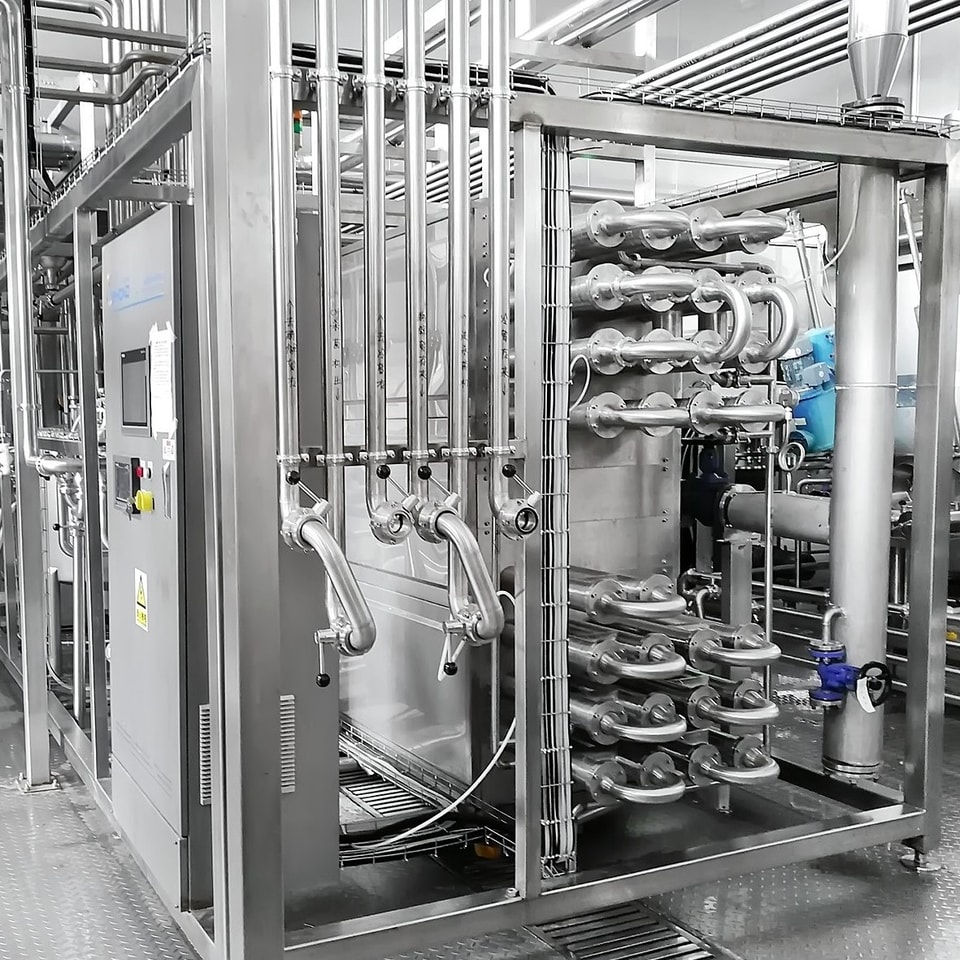
About pasteuriser,working principle of pasteurization machine
The working principle of a pasteurization machine is to heat the mixed raw materials to 68-70 ℃ and maintain this temperature for 30 minutes before rapidly cooling to 4-5 ℃. Because the lethal point of bacteria is generally below 68 ℃ for 30 minutes, treating the mixed raw materials with this method can kill the pathogenic bacteria and the vast majority of non pathogenic bacteria; The mixture of raw materials cools instantly after heating, and rapid changes in heat and cold can also promote bacterial death.
Within a certain temperature range, the lower the temperature, the slower the bacterial reproduction; The higher the temperature, the faster the reproduction (the suitable temperature for microbial growth is generally 28 ℃ -37 ℃). But if the temperature is too high, bacteria will die. Different bacteria have different optimal growth temperatures and abilities to withstand heat and cold. Pasteurization is actually using the characteristics of pathogens that are not very heat-resistant, and treating them with appropriate temperature and insulation time to completely kill them. However, after pasteurization, a small portion of harmless or beneficial, heat-resistant bacteria or bacterial spores are still retained. Therefore, pasteurized milk should be stored at a temperature of around 4 ℃ and can only be stored for 3-10 days, up to 16 days.
There are various types of pasteurization procedures used today. Low Temperature Long Term (LTLT) treatment is an intermittent process that is now only used by small dairy factories to produce some cheese products. High temperature short time (HTST) treatment is a "flowing" process, usually carried out in plate heat exchangers, and is now widely used in the production of drinking milk. The product obtained through this method is not sterile, that is, it still contains microorganisms and needs to be refrigerated during storage and processing. Rapid pasteurization is mainly used in the production of yogurt and dairy products. There are two main high-temperature disinfection methods commonly used internationally for pasteurization machines:
One method is to heat the milk to 62-65 ℃ and keep it for 30 minutes. By using this method, various growth type pathogenic bacteria in milk can be killed, with a sterilization efficiency of 97.3%~99.9%. After disinfection, only some thermophilic and heat-resistant bacteria, as well as spores, remain. However, most of these bacteria are lactic acid bacteria, which are beneficial to human health.
Another method is to heat the milk to 75-90 ℃ and keep it warm for 15-16 seconds, which results in shorter sterilization time and higher work efficiency. But the basic principle of sterilization is that pathogenic bacteria can be killed, but too high a temperature can actually cause significant nutritional loss.
Shanghai Beyond Machinery Co., Ltd
Beyond Machinery is committed to the design and manufacturing of various industrial pasteurization machines. If you have any needs in this regard, please contact us immediately. Our professional technical engineers will customize the best product plan for you. Contact us immediately to obtain the product plan and quotation!
7/15, 2023
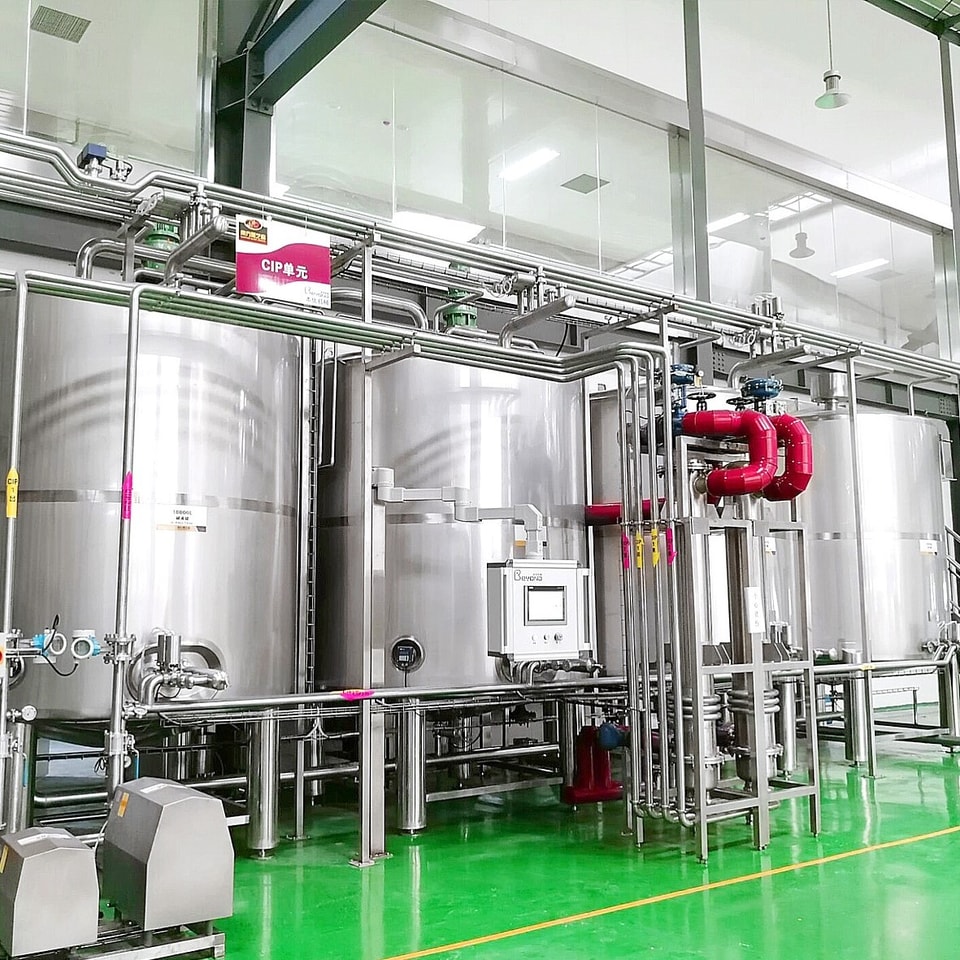
Optimization of CIP cleaning technology for dairy production lines and analysis of energy-saving effects
Microbial contamination is the main factor affecting product quality in the production and processing of dairy products. If the residue on the equipment surface and pipe wall is not thoroughly cleaned, it will inevitably produce microbial contamination and cause product deterioration. Cleaning in Place (CIP) is an indispensable program in the production process of dairy products. CIP, also known as cleaning positioning or positioning cleaning, is a technology that thoroughly cleans all equipment or pipelines in the factory without the need to disassemble equipment, pipelines, and valves. It is widely used in food and beverage production lines with high mechanization, such as beverages, dairy products, juice, jam, and alcohol. The principle is to use composite alkaline cleaning agents and composite acidic cleaning agents to remove dirt on the surface of objects, and use chemical cleaning agents to chemically transform, dissolve, and peel off pollutants to achieve the purpose of degreasing, rust removal, and decontamination. The conventional CIP cleaning procedure is water washing → alkali washing → water washing → acid washing → water washing, which takes a long cleaning time, has low production technology efficiency, and has high energy consumption and pollutant discharge pressure.
The following measures can be taken to improve the conventional CIP cleaning system for dairy production using acid free cold disinfection technology.
(1) Using acid free cleaning instead of conventional CIP cleaning, the improved cleaning procedure is water washing → alkali washing → water washing. Based on the production scale and the use of cleaning solution, single batch use of CIP system, reusable CIP system, and multiple use CIP system are selected to reduce production costs and reduce wastewater treatment pressure.
(2) Use cold disinfection instead of hot disinfection during the cleaning process. Cold disinfection is a safe and efficient sterilization method that does not increase or limit the temperature of food during the sterilization process.
It not only helps to maintain the physiological activity of food functional components, but also helps to maintain color, aroma, taste, and nutritional components. Cold disinfection is effective for all microorganisms, and after dilution, it is generally non-toxic and not affected by water hardness. It forms a thin film on the surface of the equipment, making the concentration easy to measure and measure, thus achieving energy-saving and efficiency enhancing effects.
1. CIP program for acid free cleaning and cold disinfection
1.1 Acid free cleaning and enhanced cleaning
Start the acid free cleaning program, first perform a 7-day acid free cleaning program on all equipment except for the sterilizer and sterile tank. To achieve the cleaning purpose, acid and alkali cleaning can be carried out on the 8th day, which is equivalent to a strengthened cleaning. Then recycle and use single alkali cleaning. After each cleaning, the effect is verified, microbial application experiments are conducted, and the pH of the pipe wall is measured.
1.2 Cold disinfection
The concentration of the disinfectant used is 0.13%~0.26%. All equipment to be disinfected should strictly follow a continuous week of cold disinfection, followed by another hot disinfection. After each execution, it must be verified by ATP application testing, and microbial residues meet the requirements before proceeding with the next production process. The cleaning standards should follow the following two points. (1) Odor. Fresh and odorless, allowing for slight odors during special processing or stages without affecting the safety and quality of the final product. (2) Visual. Clean the surface with a bright surface and no accumulated water, film, dirt or other impurities.
After CIP treatment, the production and processing capacity of the equipment has significantly changed, and the hygienic indicators and microbiological indicators have met the relevant requirements, which cannot lead to the improvement of other hygienic indicators of the product.
2. Verification of cleaning effect after acid free cleaning
2.1 Determination of alkali residue caused by incomplete water passing
Drop a few drops of indicator (phenolphthalein indicator) on the surface of the equipment. If the solution turns pink, it indicates that there is residual alkali on the equipment, and the equipment is not thoroughly watered after alkaline washing.
2.2 Determination of alkaline dirt
Drop a few drops of phosphoric acid solution onto the dirt on the equipment. If bubbles are released, it indicates that the dirt is carbonate water with high hardness; After 2-3 minutes, rinse with water. If the dirt is removed, it indicates that the dirt is alkaline. The equipment needs to be cleaned and neutralized with acidic products.
2.3 Determination of protein membrane
Drop a few drops of colorant onto the dirt on the surface of the equipment, let it stand for 1-2 minutes, thoroughly rinse with a washing solution (a 1:1 mixture of acetic acid and ethanol), and gently rinse with drinking water. If there is a blue layer present, it indicates that the dirt is protein based. Clean with a chlor alkaline cleaning agent.
Residual analysis after CIP cleaning
3.1 Determination of acidic dirt
Drop a few drops of 30% Na OH onto the dirt on the surface of the equipment, rinse with water after 2-3 minutes. If the dirt can be removed, it indicates that the dirt is acidic, and the equipment can be cleaned with alkaline products.
3.2 Determination of Magnesium/Iron Scale Layer
Place 2-3 particles of iron reagent on the pre wetted surface, wet the particles with water, and let them stand for 1-2 minutes. If the surface contains iron or/or magnesium, the particles will turn orange and should be removed when washing the dirt layer.
3.3 Determination of Fat Scale Layer
If there is a white and greasy feeling on the surface and water droplets hang on the surface, the dirt layer is likely to be fat scale. Use a clean cloth containing a wetting agent to scrub the surface area, and then rinse with water. If the greasy feeling and water droplets hang on the surface decrease, it indicates that the dirt layer is fat scale.
4. Verification of cleaning effect
Based on the nature of the dirt and ATP application verification, if the total number of bacterial colonies is ≥ 150 CFU · m L-1, it is considered unqualified and needs to be cleaned again.
5. Process adjustment and improvement
Raw milk with high protein and fat content produces ultra-high temperature sterilized milk. The residual milk scale on the surface of the UHT section inner tube is hard. Element analysis shows that the milk scale is a composite structure mainly composed of inorganic substances, and the alkali in traditional cleaning processes cannot play a targeted role. Optimize the cleaning process by adjusting the acid cleaning frequency of the UHT pretreatment section and the cleaning concentration, cleaning time, and cleaning temperature of the UHT section to change the physical state of the dirt, accelerate the chemical reaction speed, and increase the solubility of the dirt, facilitating the detachment of impurity solutions during cleaning, thereby improving the cleaning effect and shortening the cleaning time.
6 Conclusion
By optimizing the cleaning process and standardizing the CIP cleaning operations of each section of the workshop production line, the cleaning is carried out according to certain requirements, procedures, and quality to achieve the predetermined goals. All tools, pipelines, and equipment that come into contact with materials are fully cleaned, without any dead corners or pollution sources. And it has reduced the discharge of chemical substances and waste liquid in the cleaning agent, shortened the cleaning time, improved the utilization rate of factory equipment, and achieved the goals of water conservation and energy conservation and emission reduction.
7/11, 2023
Design and Application of Distributed Automatic Control System for Sugarcane Beverage Production Line
1 Introduction
In recent years, the level of labor wages in China has significantly increased. Compared to the past decade, labor costs have doubled, and the labor advantage of China's manufacturing industry is gradually weakening. The labor force group is undergoing intergenerational replacement, and the difficulty of recruitment has become an increasingly prominent contradiction between labor supply and demand. We are in a new era of leapfrog development from "manufacturing" to "intelligent manufacturing"; And if the sugarcane plant cell water extraction process production line is manually operated, it has defects such as large fluctuations in heating steam source, poor balance of steam, water, and materials, concentration ratio relying solely on experience judgment, unstable parameter control, or shutdown, low production efficiency, and easy to cause fluctuations in the quality of sugarcane plant cell water, which is not conducive to the large-scale and balanced production of sugarcane plant cell water, It is also not conducive to ensuring the quality and taste of sugarcane plant cell aquatic products. Therefore, achieving automation of the sugarcane plant water extraction production line is a necessary condition for the success of the project.
This paper is to study the application of automatic control system in the production process of sugarcane plant water extraction, and develop a distributed automatic control system based on fieldbus and Industrial Ethernet to realize the stable and controllable parameters of steam source for heating, and the whole process automatic control of the production process of constant pressure and constant flow transportation of Sugar cane juice, drainage and bottom drainage of tank body, and quantitative proportion of sugarcane plant water, so as to achieve the industrialization goal of 40 tons of water per day.
2. Design of overall control objectives
The sugarcane plant water beverage production workshop is divided into six main sections, namely raw material extraction, primary heating, pre physical filtration, secondary heating, membrane filtration, and sugarcane plant water blending. These six sections put forward their respective control objectives, which can be summarized as: material balanced transportation, Dynamic equilibrium of pressure, temperature and flow, and accurate quantitative proportion. To achieve the process control objectives, this project needs to address the following issues:
(1) Research on algorithms for key control points in the automatic control process of sugarcane plant water extraction process;
(2) Configure and configure the control hardware for each section;
(3) Use an open communication network to connect each section into a distributed automation system.
Research on Key Control Point Algorithms for 3 Process Processes
The water extraction process of sugarcane plants exhibits multivariable, nonlinear, and time-varying characteristics, and the use of traditional feedback control methods cannot meet the control objectives. Therefore, it is necessary to study the combination of traditional PID, cascade control, and fuzzy control to achieve precise control of the production process; The ratio of Sugar cane juice is labor-intensive, and the ratio can not be adjusted at any time according to the change of material concentration to ensure the accuracy. Study the ratio control method of Sugar cane juice, build an accurate ratio model, and achieve quantitative and accurate ratio.
3.1 Research on Cascade Temperature Control of Tubular Heaters
The cascade PID control mode is used to realize the automatic adjustment function of Sugar cane juice multi-stage heating and sterilization steam.
The pressure and temperature of the tubular multi-stage heating sterilization steam source are unstable, and are affected by the juice flow rate and initial temperature, requiring frequent adjustment. Manual adjustment is difficult to obtain stable temperature and pressure values, which affects the heating temperature and subsequent production. If single loop control is used, the disturbance of raw material and steam flow leads to untimely control effect, large deviation, poor control quality, and often cannot meet production requirements.
This article adopts a cascade control of the outlet temperature of the heater and the steam flow rate. In the heating control process, two PID controllers are connected in series to form a dual closed-loop control system. The output of the temperature controller is used as the set value of the flow controller, and the flow controller outputs to control the control valve of the steam heating pipeline.
After analyzing the section and considering the overall process, the control objects for primary heating designed in this project correspond to the following:
Temperature controller: PID module for heater outlet temperature;
Flow controller: Steam pressure PID module;
Control valve: 0.2Mpa steam inlet pneumatic control valve;
Flow detection transmitter: steam vortex street intelligent flow meter;
Temperature detection transmitter: an intelligent transmitter for primary heating outlet temperature.
By establishing a cascade PID program, good control effects were achieved in the temperature control of materials in both the primary and secondary heating sections of this project.
3.2 Research on dynamic balanced transportation of Sugar cane juice
For the pretreatment Sugar cane juice conveying section, as the work area involves two workshops of the sugar factory (the pressing workshop and the sugarcane water production workshop), the conveying pipeline is several hundred meters long, and it is not easy to obtain the Dynamic equilibrium of flow, liquid level and pretreatment filtration effect by directly using the traditional PID control.
This article adopts a control method that combines manual rules and PID adjustment. Firstly, a set of preprocessing control rules is developed based on equipment operation flow and employee operation experience, and then judgment conditions are set. Based on the definition of the judgment conditions, which stage of control method is used is determined. When the production line is just starting to operate and there are significant changes in working conditions, due to the large fluctuations in material flow, the liquid levels of the tanks passing through will be subject to continuous fluctuations. In order to avoid the oscillation or delay caused by the direct introduction of PID control, the system will use empirical control algorithms to significantly increase or decrease the frequency of the frequency converter and the opening of related valves, Quickly approaching the set target at the liquid level of the material at all levels of the tank; When the liquid level of all levels of tanks approaches the target and the working condition is relatively stable, the second level judgment condition of the system is met. The traditional PID module is put into use to carry out fine control of the liquid level, so as to meet the requirement that the liquid level does not overflow during the production process, the pressure and flow are dynamically correlated and remain stable, which can maintain a good control effect, achieve dynamic balanced transmission of Sugar cane juice, and achieve accurate control of the liquid level, flow and pre-treatment effect, The ultimate goal is to achieve continuous and stable production.
4. Configuration of Distributed Automatic Control System Scheme
The design goal of this article is for the controller to communicate with on-site intelligent devices through fieldbus, and multiple controllers are connected through Ethernet to form a digital, bidirectional transmission, and multi branch communication network, making the entire system open, integrated, and highly decentralized. According to the budget and process control requirements, it is determined to use multiple discrete controllers to take charge of the corresponding section control. Each section adopts a primary instrument on the site, and all instruments use intelligent transmitters for signal acquisition. The process parameters such as temperature, pressure, liquid level, flow, etc. are uniformly converted into readable data in intelligent transmitters. The data is read by the controller of each section, and then transmitted by Industrial Ethernet.
4.1 Control core hardware configuration
According to the process segmentation, control points, and control requirements of the entire production line, overall planning is carried out, while considering the targeted configuration of the system's openness and scalability under limited budget. The project adopts one set of S7-300 series PLCs and four sets of Smart 200 series PLCs as the subsystem control core for each section control. The membrane filtration section has the highest requirements, using the CPU315 DP-2 of the S7-300 series as the main station, 24 ET200M input and output modules through 3 IM153-1 link modules, and using the PROFI-BUS DP protocol to form the hardware system of the membrane section. The S7-300 can be competent for controlling membrane equipment sections with dense valves and numerous sensors. The raw material extraction, primary heating, pre physical filtration, secondary heating, and sugarcane plant water blending sections are divided into four systems, with each subsystem equipped with a set of control hardware centered on S7-200 Smart.
According to the characteristics of the control core, the entire system adopts two bus protocols: the membrane section adopts a PROFIBUS DP bus network, and the primary instrument is connected to ET200M through an isolator. ET200M and IM153-1 complete data interaction with the CPU; The remaining four S7-200 Smart controllers are connected to the primary instrument by configuring smart transmitters with Modbus protocol. The use of Modbus intelligent transmitters can solve the problem of 200 Smart controllers not being able to perform excessive analog input, while achieving the configuration goal of low end controllers to read instrument information through the field bus network.
4.2 Control software configuration
The entire production system has three PCs as central control upper computers, which operate in fixed central control positions; Four touch screens serve as on-site human-machine operation interfaces for each process section. As an important section of the membrane equipment, a separate central control PC is assigned, and the SI-MATIC Win CC configuration software is configured to directly communicate with the S7 300 PLC. The other two central control upper computers, which can connect the entire factory for monitoring, use force control configuration software to solve the global monitoring function of different series of controllers at a lower cost. The touch screen directly uses the standard Win CC flexible for interface configuration. Each device in the workshop is configured with different IP addresses of the same network segment along with the corresponding control unit, and the data is ultimately shared with the force control configuration interface in the central control configuration. At the force control end, data interaction, data recording and reporting, alarm and other functions are achieved.
4.3 Control Network Topology
In this paper, MOXA Industrial Ethernet switch and photoelectric converter are configured to use optical fiber for long distance and 8-core network cable for short distance on site. All upper computers and control cores are integrated into the same LAN through Ethernet interface. PC upper computer, engineer station, PLC and touch screen can access each other, and the system has good scalability. By adopting the TCP/IP protocol, the entire production line and each section can be included in the main control system without the need for additional hardware equipment. The WEB publishing function of the force control software can be used to achieve remote control through the Internet, achieving data sharing between the management network and the control network. The energy consumption, material direction, and final product output of the entire production system can be well managed and controlled.
5 Conclusion
After the on-site bus automatic control system of the sugarcane plant water extraction process was put into operation, the production capacity of the entire line was increased, reaching a daily output of 40 tons, improving product quality, improving production efficiency, and reducing production costs; Improve product quality stability and avoid production accidents caused by human operation errors; Using the on-site bus automatic control system for sugarcane plant water extraction process, the entire production line can operate normally with only 8 operators, achieving the goal of high efficiency and labor saving.
7/6, 2023
Several issues to be noted in the design of UHT ultra-high temperature sterilization equipment
UHT ultra-high temperature sterilization equipment is widely used. In recent years, some design defects in ultra-high temperature sterilization equipment have led to unstable production performance or product quality issues. These defects mainly include insufficient production processing capacity, unstable sterilization temperature, and increased scaling and coking speed. This article elaborates on this.
1 Process issues
The process of sterilization machines is determined based on production process parameters, and there are any process requirements and production processes that cannot be completely identical. The correct process determines the performance of sterilization equipment, therefore, determining the optimal equipment process route is the first step in designing sterilization mechanism keys. After determining the process flow, design and calculate according to the process flow. Some processes that are too simple or too cumbersome can bring many problems to production, such as the problem of multiple uses of one machine, which requires consideration of size and short circuiting, which can easily cause instability in control or accelerate the speed of scaling and coking; A good process flow should not only have the correct flow direction, but also indicate the nominal diameter (or diameter) of all gate pump instruments and pipelines in the process. The most important thing is that the temperature parameters of the inlet and outlet of the material passing through the heat exchanger must be accurately marked. The basis for these calculations can be used to reduce errors when conducting process calculations.
2 Material issues
There are various and diverse materials, and there are many similar materials. Choosing the appropriate sterilization equipment based on the material selection is a key issue. The dry matter content and viscosity of the material, whether there are chemical changes in the material during the sterilization process, and the degree of scaling and coking during the sterilization process are all issues that need to be considered when selecting the type of sterilization machine. Secondly, it should be noted that if the plate type of ultra-high temperature sterilization can achieve sterilization, Tubular ultra-high temperature sterilization equipment can also be completed.
Insufficient production processing capacity
The lack of production capacity is mostly caused by the smaller heat exchange area calculation of the sterilizer, and the smaller heat exchange area is mostly caused by the excessive selection of Heat transfer coefficient calculation, which is the most common reason for the smaller heat exchange area. The heating medium of UHT ultra-high temperature sterilization equipment is Superheated water. There is a difference between Superheated water and steam. As the heating medium, Superheated water's Heat transfer coefficient is generally between 1200~1400kcal/m2 · h · ℃, so it should not be too large. The properties of the material have a significant impact on the effectiveness of heat transfer, and if the material is idealized for design, it will result in an area that is too small. The bactericidal effect should not be judged solely based on the bactericidal area, but should withstand production testing to meet production needs and be convincing.
4. Preventing temperature fluctuations
During the sterilization process, the sterilization temperature and feed concentration should be stable. Firstly, the feed temperature should be stable, and secondly, the feed liquid should be consistent before and after, which is a condition for stable sterilization temperature. When the sterilization temperature is insufficient, this part of the material liquid needs to return to the feeding cylinder, and the temperature of this material liquid should be close to the temperature of the raw material liquid in order to maintain the stability of the sterilization temperature. To stabilize the sterilization temperature, a corner seat valve can be installed behind the steam inlet control valve, as shown in Figure 1.
Loading pictures
Figure 1 Control of heating temperature using corner valve
Fig.1 Using angle seat valve to control heating temperature
5 Cleaning issues
The sterilization machine needs to be cleaned during the production process, and the cleaning interval time may vary depending on the material. The optimal cleaning process route and cleaning interval time should be determined based on the specific material. At the same time, the cleaning should be thorough, or the sterilization machine should be dismantled regularly for sampling inspection. If the cleaning is not thorough, it not only affects the stability of the sterilization temperature, but also leads to unqualified products and affects product quality. Previously, quality issues caused by incomplete cleaning were quite common. Some sterilization machines had already charred and carbonized the materials in the heat exchange tubes after opening, indicating the severity of the problem.
6 Pump issues
There are two types of pumps, one for conveying materials and the other for cleaning. The pumps used for material delivery on the sterilizer are mostly centrifugal pumps cooled by double sealing water. For viscous material liquids such as tomato ketchup, Screw pump (or positive displacement pump) and high-pressure pump can be used together for delivery. In recent years, there have also been reports of severe mechanical seal wear when using pumps with dual seals, which can easily lead to cooling water entering the material. Of course, this is only an example and cannot be rejected for this reason. All sterilization equipment is equipped with cleaning pumps, which are divided into two types: segmented multi-stage pumps and centrifugal pumps. It should be noted that the flow rate of the cleaning pump should be greater than the flow rate of the material. The purpose of the large flow rate is to ensure that the cleaning solution has a relatively high flow rate in the sterilizer, which will have a flushing effect on scaling and coking materials. Therefore, the flow rate of the pump used for cleaning is generally 2-3 times the amount of material, and the head is equivalent to the head of the material.
7 Conclusion
Even a small design defect can cause equipment operation or performance problems. To design a good sterilization equipment, it is necessary to start from small details and understand and master the characteristics of the material. For new materials, experimental research should be conducted to design equipment that meets the needs of the production process.
7/6, 2023
The Application of PLC in Automated Beverage Production Line
In order to better adapt to the development trend of society, the beverage industry has changed traditional beverage production lines, introduced automation control technology, and introduced PLC for control in automation control technology. The addition of PLC makes the operation of automated beverage production lines more stable and functional, greatly improving the production efficiency of beverages.
Overview of PLC
1.1 Composition and structure of PLC
The essence of Programmable logic controller (PLC) is a computer dedicated to industrial control, so it has many similarities with other controls and mechanisms.
(1) Power supply
PLC power supply plays a very important role in the whole system. Without a power supply with high and stable Factor of safety, the whole system cannot operate normally. Therefore, PLC makers attach great importance to the design and manufacture of power supply.
(2) Central Processing Unit (CPU)
CPU is the core of Programmable logic controller (PLC), mainly composed of memory and microprocessor. It can receive and store relevant data information, check the working status of power and memory in real time, and remind users of operational errors to make timely corrections.
(3) Programming equipment
Programming device is an important peripheral device of Programmable logic controller, which can effectively check, modify, debug and monitor user programs.
(4) Input and output modules
The input and output module is the main interface between the Programmable logic controller (PLC) and the field equipment to ensure the normal operation of the PLC.
1.2 Main features of PLC system
(1) Flexible PLC system control
PLC is a high-performance processor that combines the advantages of high integration and small size. Introducing PLC into the control system has a great effect on improving the automated beverage production line, as it can replace the cumbersome circuits and wiring in the original system. Because PLC system control is relatively flexible, PLC technology is very suitable for automated beverage production lines. It can keep up with the development pace of the times for real-time updates, and there is no need for large-scale changes during updates. Simply disassemble the original PLC and replace it with a new processor.
(2) High security
The emergence of PLC systems has greatly reduced human workload. In some engineering monitoring, human monitoring is no longer required. Instead, the PLC provides corresponding sensors to transmit the specific situation of the project site to the PLC processor, which can effectively monitor the data parameters of the project in detail. This working mode greatly reduces errors in the work and improves accuracy.
2. Control requirements for beverage production lines
The normal operation of the automated beverage production line system is mainly achieved by setting the manual production mode to automatic production mode through a switch. Once the switch is activated, the conveyor belt begins to operate, and this behavior is maintained until the switch is turned off or the filling sensor detects that another bottle is full. When the next empty bottle reaches the sensor, the conveyor belt will be restarted. The specific requirements for its operation are: first, when the empty bottle is under the filling sensor, pause for 1 second, and then fill the number of boxes. Once again, upload the recorded number of beverage containers at regular intervals and reset the counter to continue recording.
Design of a 3 PLC control system
3.1 Design of PLC hardware control system
The design of the conveying part in PLC hardware is mainly a conveying device that controls the bottles. According to relevant requirements, the conveying belt requires a dedicated motor for control, and at the same time, a frequency converter is also used to smoothly adjust the speed of the motor. The conveyor belt is a carrier for transporting bottles, which needs to be continuously rotated and transported to a fixed position. It can also be said to be a transportation machine. Conveyor belts are classified based on the presence or absence of traction components, and are divided into conveyor belt machines with traction components and conveyor belt machines without traction components.
3.2 Design of PLC software control system
In the design process of PLC systems, a ladder diagram (as shown in Figure 3) is usually used, which is characterized by a more visual and intuitive observation of the entire structure. When the PLC system starts to operate, its initial current is relatively large. If the motor is judged to operate normally only because of the current, it is easy to cause misjudgment. We can effectively avoid alarm problems caused by high initial current through the design of system software, so that the working current can enter the normal monitoring state. In the software design process, an emergency stop button is set so that the entire production line cannot be stopped in case of unexpected situations. At present, the design concept of PLC ladder diagram is mainly based on rich experience, and the design concept of empirical method is mainly based on the circuit diagrams of traditional relays and contactors, using ladder diagram as the programming language to achieve control of the entire motor system. Because each experience is different, different ladder diagrams may appear.
The Application Status of 4 PLCs in Automated Beverage Production Lines
With the rapid development of the Social market economy, the competitiveness of enterprises in the market is growing. If you want to stand firm in the market and move forward, you must improve the production efficiency of enterprises and reform the production technology of products. At present, people's pace of life is becoming faster and faster, and beverages have become a necessity in people's lives. The beverage industry has also developed rapidly. In order to improve the production efficiency of the beverage industry, enterprise leaders have begun to innovate and reform the production line of beverages. The introduction of PLC system in the production line of automated beverages by enterprises has improved the shortcomings of the original automated beverage production line, greatly improved the production efficiency of beverages, and reduced the production costs of enterprises. PLC itself has great advantages in data analysis and storage. By connecting the entire production line through electronic information technology, it is convenient for leaders to guide the production line. Relevant leaders can also timely understand some possible problems in automated beverage production lines, conduct detailed data analysis of the problems that may arise, and develop effective solutions.
5. Strengthen installation management and daily maintenance
The main purpose of strengthening installation management and daily maintenance is to ensure the safety of the PLC system when applied in automated beverage production lines. Firstly, before installing the PLC in the original automated beverage production line, it is necessary to strictly control the quality issues of the PLC and conduct comprehensive inspections. Only after the inspection results are qualified can the installation be carried out to avoid malfunctions in future work. Secondly, after the installation of the PLC system, the relevant workers should strengthen the daily maintenance and overhaul of the equipment. In addition, during the overhaul, the quality of the overhaul should be guaranteed, and not perfunctory. Some system modifications and changes in the Technology roadmap should be recorded in detail for later inspection and maintenance. Once again, the main equipment that ensures the safety of the PLC system includes the following parts: power supply, central processing unit, signal template, relay for output and input of life elements, and the entire installation status. The safety performance of each part is strictly checked to ensure that it can operate normally. Finally, improve the overall quality level of relevant staff, strengthen the management of staff, ensure that staff are capable of their own job positions, familiar with relevant work processes, and also possess professional computer skills. Relevant leaders should attach great importance to the training of staff, regularly organize skill training, improve their knowledge and skills, and enable their thinking to keep up with the pace of development of the times and keep up with the times.
6 Conclusion
The emergence of PLC systems has pushed the development of industrial automation to a new climax. The application of PLC systems in automated beverage production lines has to some extent simplified the control process of beverage production lines, improved control efficiency and production efficiency. The article analyzes the relevant overview of PLC, understands the main characteristics of PLC system, flexible control and high safety, understands the control requirements and software design of beverage production lines, and provides a detailed analysis of the application status of PLC in automated beverage production lines. The application of PLC is beneficial for improving production efficiency and reducing production costs of enterprises. At the same time, research was conducted on how to strengthen the installation management and daily maintenance of the PLC system, ensuring the safety of the operation of the automated beverage production line, and providing favorable conditions for promoting the development of the enterprise.
7/5, 2023
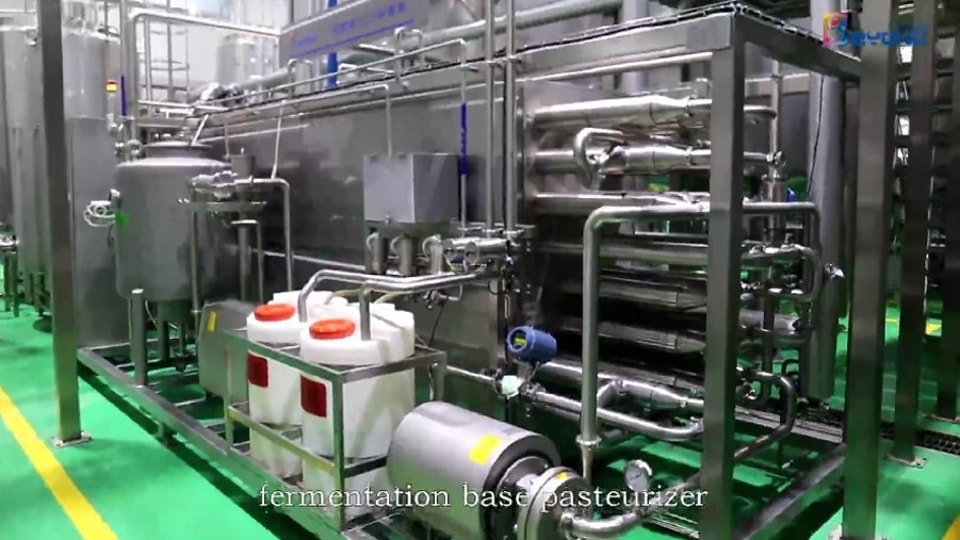
Drink and oral liquid blending and pasteurize system
BEYOND continues to add new capabilities and production capabilities to keep up with the growing market. BEYOND has developed high-speed liquid processing equipment suitable for formula production of different products, automated production systems, high hygiene standards and efficiency, fully automatic tube type beverage pasteurization machine, and fermentation based pasteurization machine. Vacuum degassers, homogenizers, etc. Different functional pulp processing equipment forms an efficient pulp processing production line, providing efficient pulp processing solutions for different customers.
Equipment advantages
Multifunctional and efficient
This device can be used for various fruit pulp products (dates, hawthorn, tomatoes, mangoes, etc.), with all sterilization effects exceeding 99.9%.
Respect the environment
The sterilization system uses water vapor and is widely used in industrial and pharmaceutical fields. It is pollution-free, non-toxic, and completely harmless. The processed products are not wasted and meet the highest standards for human food in each country.
Not tired
The device operates continuously for 24 hours without interruption, allowing for parameter changes along the way, achieving high production at a very low cost.
High yield
It can process 1000 kilograms/hour of fruit pulp with the highest efficiency, and can reach 1500 kilograms/hour according to sterilization requirements.
Modern techniques
The control of this process is completely computerized, allowing access to all data related to the treatment performed. This device is equipped with a port for connecting it to the network, allowing real-time access to process development from any computer connected to the network (production manager office, laboratory, management...). At the same time, you can connect to our technical services through the internet, which will check equipment, make adjustments, update process procedures, etc., without the need for business trips.
Safe Choice
It is guaranteed by dozens of devices working around the world, some of which have a lifespan of over ten years.
Escrow
The customer once again trusted BEYOND when purchasing a new device after using our device, which proves this.
Complete from beginning to end.
From product feeding to final bagging, including training required for assembly, installation, debugging, use, and maintenance.
BEYOND can design and manufacture pulp processing equipment according to your needs, which can form an efficient and fully automated pulp processing line, allowing your brand to stand out in the market.
Contact us now to obtain the latest equipment design plan and quotation.
6/26, 2023
