
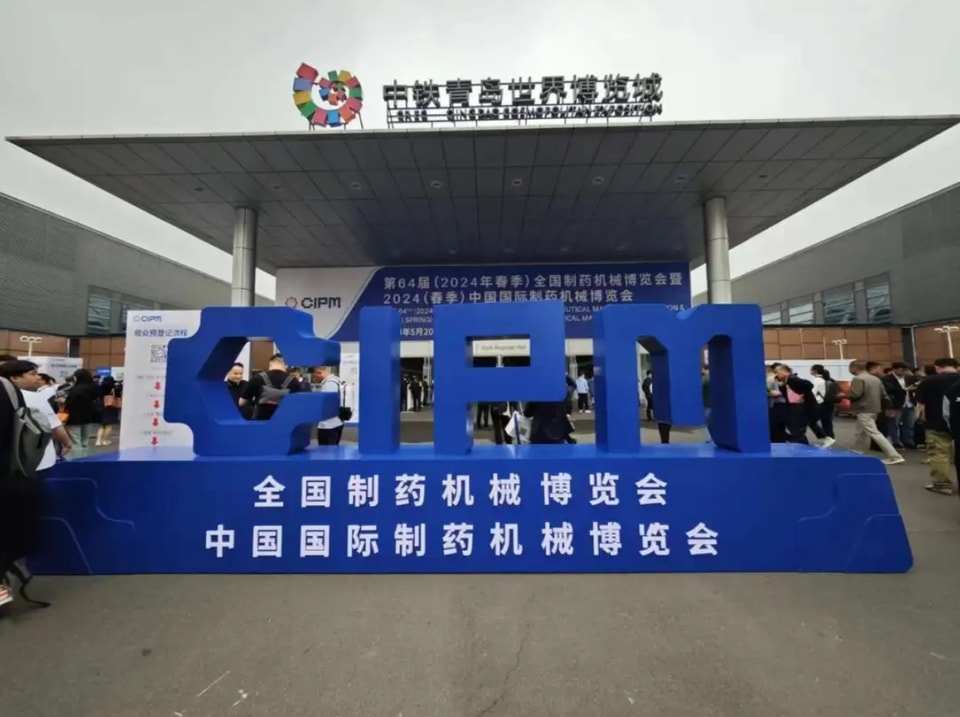
Qingdao CIPM 2024: Beyond Machinery Leading the Wave of Health Equipment Innovation
At the highly anticipated 2024 China Qingdao International Pharmaceutical Machinery Expo (CIPM), Shanghai Beyond Machinery Co., Ltd. shone at this annual event in the pharmaceutical equipment industry with its outstanding innovation strength and exquisite craftsmanship.
As a leader in the field of health equipment, Beyond Machinery showcases its solid steps in promoting industry technological progress and upgrading with its latest research and development achievements and core product lineup.
Since its establishment in 2005, Beyond Machinery has been deeply involved in the field of health equipment. With strong technological accumulation and continuous research and development investment, it has become a large machinery manufacturing enterprise with a registered capital of 66.68 million yuan, covering an area of nearly 100000 square meters, and more than 400 professional talents. This participation in Qingdao CIPM is not only a concentrated showcase of Beyond Machinery's innovation achievements over the past year, but also an important debut for its global market.
Innovative products, leading future trends at the exhibition site, the Beyond Machinery booth is bustling with visitors, deeply attracted by a series of highlight exhibits. Among them, the newly launched experimental production line has become a focus of attention with its highly automated and intelligent design, demonstrating the company's unremitting pursuit in improving production efficiency and ensuring product quality.
In addition, new equipment such as the 50L fermentation duplex and 50L bioreactor, with their design concepts of high efficiency, energy conservation, and environmental protection, demonstrate the leading position of Benyou Machinery in technological innovation, presenting a visual feast of perfect combination of technology and application for attendees.
Deepen cooperation and seek industry development together. With the help of CIPM, an international platform, Beyond Machinery not only showcases the latest technological achievements to the industry, but also hopes to have in-depth exchanges with partners from around the world, jointly explore industry development trends, and seek cooperation opportunities.
During the exhibition, the Beyond Machinery team had face-to-face communication with numerous domestic and foreign clients, aiming to establish closer cooperative relationships and jointly promote the high-quality development of the health industry.
With the successful conclusion of the 2024 China Qingdao International Pharmaceutical Machinery Expo, Beyond Machinery has not only gained widespread recognition within and outside the industry, but also opened up new paths for the future development of the enterprise. Beyond Machinery will continue to uphold the corporate mission of "technological innovation, a healthy future", continuously explore unlimited possibilities in the field of health equipment, and be committed to providing higher quality and efficient solutions for global customers, working together to create a better tomorrow for the health industry.
Shanghai Beyond Machinery Co., Ltd.
Beyond Machinery specializes in the design and manufacturing of fermentation duplex and bioreactor. Please contact us now, and our professional technical engineers will customize the equipment plan for fermentation duplex and bioreactor and provide a quotation. Please contact us now to obtain the latest equipment plan and quotation.
5/22, 2024
Spring of Life: Exploring the Mysteries of Fully Automatic Microbial Fermentation Tanks
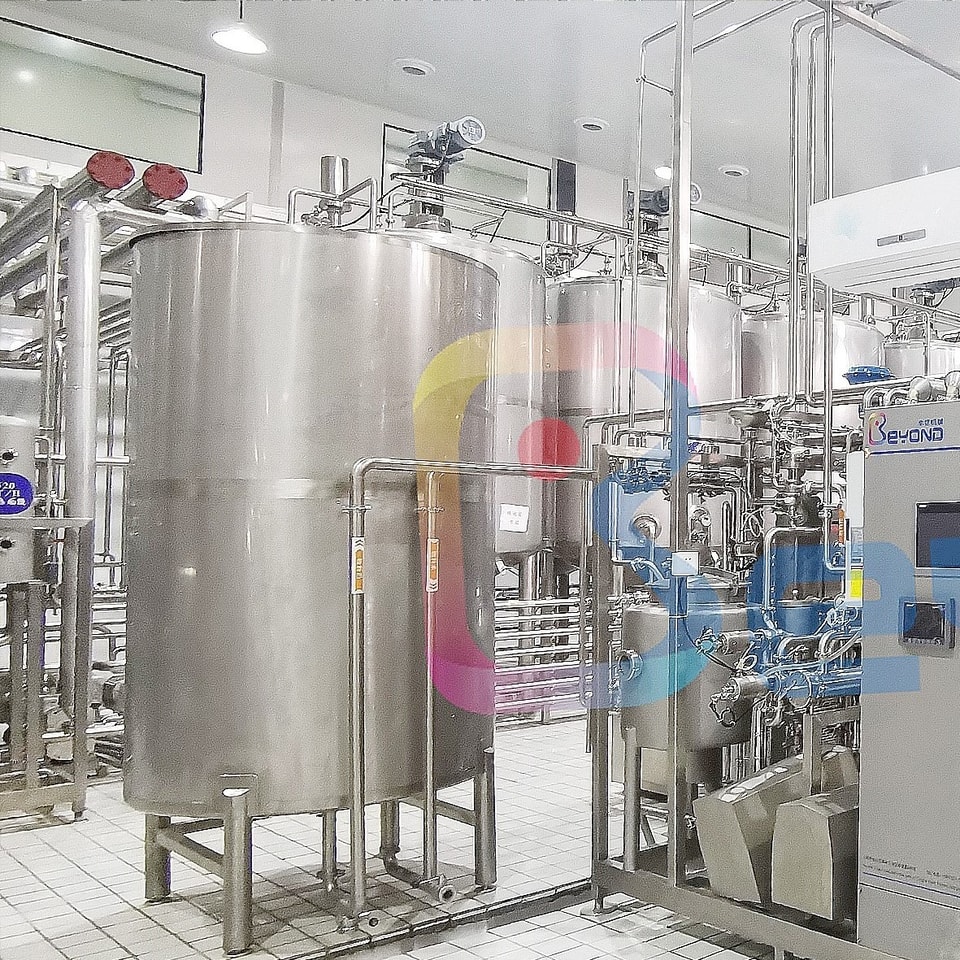
Microbial fermentation tank is a type of equipment widely used in biotechnology, pharmaceuticals, food processing, and chemical industries. It is mainly used to cultivate microorganisms (such as bacteria, yeast, mold, etc.) or cells, and produce specific products through the fermentation process, such as antibiotics, alcohol, enzyme preparations, organic acids, biofuels, etc. The design and operation of fermentation tanks involve knowledge from multiple disciplines such as biology, chemical engineering, and automation control.
Here are some key features and components of microbial fermentation tanks:
Structural composition: The fermentation tank usually includes the following parts:
• Tank body: Provides a closed space for microbial growth, mostly made of stainless steel, ensuring a sterile environment Stirring system: equipped with a stirrer for mixing culture medium and microorganisms, increasing dissolved oxygen, promoting mass and heat transfer.
Ventilation and oxygen supply system: By introducing sterile air or oxygen into the tank, the oxygen supply required for microbial growth is ensured.
Temperature control system: Maintain a constant temperature inside the tank, suitable for the optimal conditions of microbial growth.
PH control system: Automatically adjust the pH value of the culture medium by adding acid-base regulators.
Feeding and sampling ports: allow for supplementing nutrients or taking samples for testing during the fermentation process.
Pressure control system: maintains the pressure inside the tank, especially for certain fermentation processes that require high-pressure operation.
Operation mode: The fermentation process can be batch, continuous, or flow addition (semi continuous), and each mode is suitable for different production needs.
Monitoring and Control: Modern fermentation tanks are equipped with advanced sensors and automated control systems, which can monitor and control key parameters such as temperature, pH, dissolved oxygen level, pressure, etc. in real-time during the fermentation process, ensuring efficient and stable production of target products.
Sterilization and aseptic operation: The fermentation tank needs to undergo strict sterilization treatment before and after use. Common methods include moist heat sterilization (such as high-pressure steam sterilization) and chemical disinfection to prevent contamination by bacteria.
Product recovery: After fermentation, the target product is recovered from the fermentation broth through separation and purification steps such as centrifugation, filtration, and extraction. The development of microbial fermentation tank technology is continuously driving the progress of the biological manufacturing industry, which is of great significance for the production of efficient and environmentally friendly biological products.
Microbial fermentation tank technology is a core application technology in the field of biotechnology, which combines multiple disciplines such as biotechnology, chemical engineering, and automation control, aiming to efficiently and controllably carry out microbial fermentation processes.
Here are some key technical aspects:
1. Stirring and mixing technology: Fermentation tanks are usually equipped with mechanical stirring devices, including stirring shafts and different types of stirring paddles (such as turbine paddles, anchor paddles, propulsion paddles, etc.), to promote liquid flow and mixing, ensure full contact between microorganisms and nutrients, and increase dissolved oxygen. The selection of stirring speed and blade type is crucial for the fermentation effect.
2. Ventilation and dissolved oxygen control: Providing sufficient oxygen for aerobic microorganisms is the key to successful fermentation. The fermentation tank adopts a ventilation system, which introduces air or pure oxygen through sterile air filters, and disperses the gas into small bubbles through methods such as microporous aeration and jet ventilation, increasing the gas-liquid contact area and improving the dissolved oxygen efficiency. The dissolved oxygen (DO) sensor monitors the level of dissolved oxygen in the tank in real-time and automatically adjusts the ventilation volume.
3. Temperature and pH regulation: The temperature and pH value during the fermentation process directly affect the growth of microorganisms and product synthesis. The fermentation tank is equipped with a precise temperature control system, such as an electric heating sleeve or cooling coil, as well as a pH automatic control system, which automatically adjusts by adding acidic and alkaline solutions to ensure that environmental conditions are always within the optimal range.
4. Feeding and emission strategies: In order to extend the fermentation cycle or increase product concentration, a flow addition feeding strategy is often adopted to timely supplement nutrients. Meanwhile, by overflow or continuous discharge, the concentration of inhibitors in the fermentation broth is controlled to maintain a good fermentation state.
5. Sterilization and aseptic operation: The fermentation tank and its associated pipelines need to undergo strict sterilization treatment before use, such as high-temperature and high-pressure steam sterilization, to ensure a sterile environment. The tank design, material selection, and sealing technology must all comply with sterile standards.
6. Automation and intelligent control: Modern fermentation tanks are integrated with advanced automation control systems, including PLC, SCADA systems, etc., to achieve full monitoring and precise control of the fermentation process. By utilizing big data analysis and machine learning techniques, fermentation conditions can be optimized, potential problems can be predicted and solved, and production efficiency and product quality can be improved.
7. Product separation and purification technology: After fermentation, the separation and purification of products are equally important, including various technologies such as centrifugation, filtration, chromatography, membrane separation, etc., to obtain high-purity target products.
In summary, microbial fermentation tank technology is a highly comprehensive technical system that promotes the development of biological manufacturing towards more efficient, environmentally friendly, and intelligent directions through continuous technological innovation and optimization.
The installation and debugging of microbial fermentation tanks are important steps to ensure the smooth progress of the fermentation process and achieve the expected yield. The specific steps are roughly as follows:
Preliminary preparation and inspection: • Location determination and infrastructure construction: Select a suitable installation location based on the size and equipment specifications of the fermentation tank, and prepare basic materials according to the design drawings, such as pouring concrete foundations.
Equipment inspection: Before installation, conduct a comprehensive inspection of the fermentation tank to confirm that there is no serious deformation, damage, or missing parts. Check if all connecting threads are intact, and conduct a no-load trial run of the mixer to ensure that the transmission components are functioning properly.
• Tank installation and fixation: • Place the fermentation tank on a pre prepared foundation and secure it firmly with bolts. The fixing method usually uses buried bolts underground or directly fixed on the foundation to ensure the stability and level of the tank body.
• Attachment installation and connection: • Install inlet and outlet, ventilation system, electrical control system (including motor, controller, instrument, etc.), ensuring that all pipelines are tightly connected and leak free Perform functional testing on electrical equipment to ensure circuit safety and reliability, while checking that all pipelines are unobstructed.
• Instrument calibration: • Calibration of instruments on the tank body (such as thermometers, pH meters, dissolved oxygen meters) to ensure accurate readings, which is crucial for monitoring the fermentation process.
• Sealing test: • Test the sealing of the entire fermentation system, especially at the inlet and outlet, ventilation openings, etc., to prevent external microbial contamination or internal medium leakage.
Debugging and trial operation: Conduct a trial operation of sterile water or simulated media, check whether the functions of stirring, heating, cooling, ventilation, pH and dissolved oxygen control are working properly, and make minor adjustments based on actual operating data Observe and record the operation status of the equipment to ensure that all control systems respond sensitively and operate stably.
• Safety inspection: After installation and commissioning, conduct a comprehensive safety inspection, including electrical safety, mechanical protection, emergency stop function, etc., to ensure compliance with safety regulations.
• Training operators: • Provide systematic training to operators, including equipment operating procedures, maintenance knowledge, and emergency response measures, to ensure that they are proficient in using fermentation tanks. Through the above steps, ensure that the microbial fermentation tank can be safely and efficiently put into production, and achieve the expected fermentation effect.
Shanghai Beyond Machinery Co., Ltd.
Beyond Machinery specializes in the design and manufacturing of fermentation tank. Please contact us now, and our professional technical engineers will customize the equipment plan for fermentation tank and provide a quotation. Please contact us now to obtain the latest equipment plan and quotation.
5/20, 2024
Unlocking Motherly Love Password: Efficient Breast Milk Oligosaccharide Biological Fermentation System, Reshaping a New Future of Nutrition
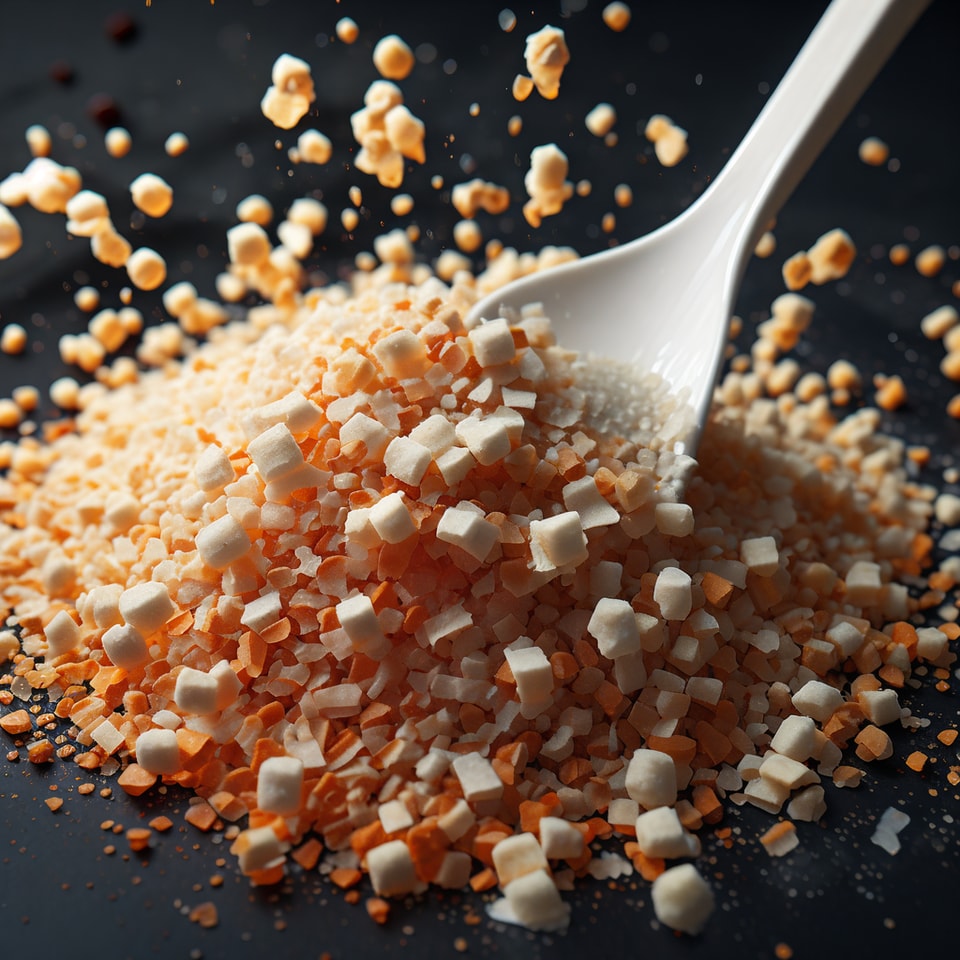
The production of human milk oligosaccharides (HMOs) typically involves complex biological fermentation processes, which require specialized fermentation equipment and techniques.
Although the specific equipment model details regarding the fermentation of oligosaccharides in breast milk may be updated frequently with market and technological developments, some relevant information and trends can be shared:
1. Production process: The fermentation production of breast milk oligosaccharides usually includes microbial fermentation, purification, and subsequent refining steps. This requires equipment not only to support precise fermentation control (such as temperature, pH value, oxygen supply, etc.), but also to have an efficient separation and purification system to recover HMOs from fermentation broth and remove impurities.
2. Technological innovation: With the deepening of research on HMO and technological progress, more and more companies may adopt advanced biotechnology, such as using specific engineering strains for efficient fermentation, as well as modern separation technologies such as membrane separation and chromatographic separation to optimize production processes.
3. Customized solutions: Given the particularity and high technological threshold of HMO production, there are suppliers in the market who provide customized fermentation equipment and services to meet the specific needs of different manufacturers for production capacity, automation level, and product quality.
4. Industry application: As a food additive, infant formula ingredient, and potential health supplement, HMOs production equipment also needs to comply with strict food safety and hygiene standards to ensure the safety of the final product.
Installation and commissioning of milk oligosaccharide fermentation equipment
The installation and debugging of fermentation equipment for human milk oligosaccharides (HMOs) is a complex and professional process, which usually involves the following key steps, combined with the general principles of fermentation equipment installation and debugging and the special requirements of HMOs production process:
Preliminary preparation and inspection:
Confirm equipment specifications and on-site conditions: Based on the drawings and instructions provided by the equipment manufacturer, confirm the size, weight, installation position, and environmental requirements of the fermentation tank (such as sterile environment, temperature and humidity control, etc.).
Infrastructure preparation: Ensure that the ground is level, compacted, and necessary moisture-proof layers are laid. Prepare water and electrical interfaces that meet the requirements Basic construction and fixation: • Installation support structure: Install suitable brackets or bases according to the weight and usage requirements of the fermentation tank, and fix them with underground embedded bolts to ensure the stability and safety of the equipment Horizontal calibration: Ensure that the fermentation tank is in a horizontal state after installation, which is crucial for maintaining the stability of the fermentation process Equipment assembly and connection: • Component inspection and assembly: Check each component one by one for damage, and follow the instructions to assemble the fermentation tank and other auxiliary equipment (such as mixing system, temperature control system, gas supply system, etc.) Sealing test: After assembly, conduct a sealing test to ensure that there are no leaks at the tank and pipeline connections.
• Electrical and control system installation: • Electrical connection: Connect the power supply, sensors, and control panel correctly according to the electrical drawings, ensuring that all electrical equipment complies with safety regulations.
System debugging: Preliminary debugging of the control system, including the setting of PID controller (proportional integral differential controller), to ensure that parameters such as temperature, pH value, stirring rate can be adjusted as needed and feedback is accurate.
• Pipeline and ventilation system installation: • Pipeline connection: Complete the connection of inlet and outlet, steam, cooling water, air, and other pipelines, and conduct pressure testing to ensure no leakage.
Air purification system: If necessary, install and debug the air purification system to ensure a sterile fermentation environment.
• Safety and environmental measures: • Install safety devices such as emergency stop buttons, pressure relief valves, etc. to ensure production safety.
Environmental compliance: Ensure that wastewater and exhaust gas treatment facilities are installed in place and comply with local environmental standards.
• Trial operation and performance verification: • No load trial operation: Start the equipment for the first time for no-load testing, check whether all components are operating normally, and adjust control parameters to the optimal state.
Load testing: Gradually add the culture medium for small-scale fermentation experiments, monitor various indicators, and make fine adjustments based on the fermentation effect.
• Training and documentation: • Operation training: Provide training to operators on equipment use, maintenance, and safe operation.
Document organization: Record the installation and debugging process, prepare operation manuals and maintenance guidelines for future reference and adherence. The entire installation and debugging process should strictly follow the manufacturer's guidance and relevant industry standards, and if necessary, hire an experienced professional team to ensure that the equipment is efficiently and safely put into production.
Shanghai Beyond Machinery Co., Ltd.
Beyond Machinery specializes in the design and manufacturing of Breast milk oligosaccharide fermentation equipment. Please contact us now, and our professional technical engineers will customize the equipment plan for Breast milk oligosaccharide fermentation equipment and provide a quotation. Please contact us now to obtain the latest equipment plan and quotation.
5/16, 2024
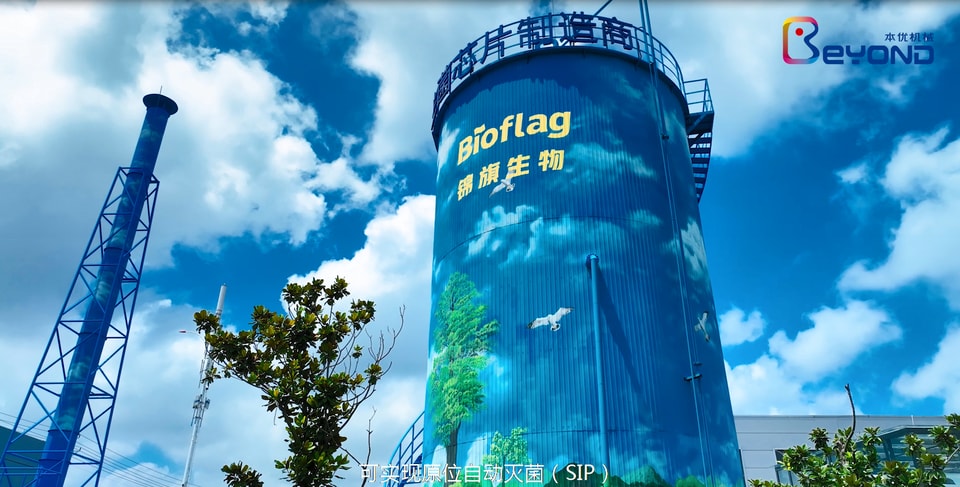
Probiotic fermentation equipment
Probiotic fermentation equipment is mainly used to produce food or feed containing active probiotics. This type of equipment covers the entire process from raw material pretreatment, fermentation, post-processing to packaging.
Here is an overview of information about probiotic fermentation equipment:
1. Probiotic fermentation feed processing equipment: This type of equipment is specifically designed for the production of animal feed, which can improve the digestion and absorption rate and palatability of feed. The manufacturer provides a complete set of probiotic fermentation feed processing equipment, including crushing, mixing, fermentation and other links, to ensure the efficiency and hygiene of the feed processing process.
2. Lactic acid bacteria fermentation equipment: In the dairy industry, such as the production of yogurt and lactic acid bacteria beverages, specific fermentation equipment is required. These devices can control temperature, stirring speed, and fermentation time to ensure the normal growth and metabolism of lactic acid bacteria. For example, some suppliers provide customized milk lactic acid bacteria beverage production line equipment, suitable for producing yogurt and lactic acid bacteria beverages, with functions such as homogenization, sterilization, and fermentation.
Alkali tank
In the biological fermentation process, alkali tanks (also commonly known as alkali tanks) are mainly used to store and supply alkaline solution, usually sodium hydroxide (NaOH) solution, used to regulate the pH value of the fermentation broth. Because during the fermentation process, the metabolic activity of microorganisms may produce acidic substances, leading to a decrease in the pH of the fermentation broth. In order to maintain the optimal pH environment for fermentation, it is necessary to add alkaline solution in a timely manner for neutralization.
The design of the alkali tank needs to consider the following aspects:
1. Corrosion resistance: Due to the storage of strong alkaline solutions, the alkali tank needs to be made of corrosion-resistant materials, such as stainless steel 304 or 316L, to prevent corrosion of the tank body.
2. Sterilization ability: The fermentation process requires strict aseptic conditions, and the alkali tank and its associated pipelines need to be sterilized before use to eliminate possible impurities. Steam sterilization is usually used to ensure the sterility of the system.
3. Temperature control: Although not strictly controlled like seed tanks or fermentation main tanks, alkali tanks may also require certain temperature control measures to maintain the stability of the alkali solution, especially in cold environments to prevent freezing.
4. Measurement and transportation: Alkali tanks are usually equipped with precise metering pumps to automatically or manually add an appropriate amount of alkali solution to the fermentation tank based on the pH monitoring results during the fermentation process, maintaining the pH within the set range.
5. Safety measures: Considering the corrosiveness of alkaline solution and the safety of operators, necessary safety facilities should be installed around the alkali tank, such as guardrails, emergency showers, and eye wash stations.
6. Monitoring and Automation: Modern fermentation factories tend to adopt automated control systems, and alkali tanks are no exception. Sensors are used to monitor the alkali liquid level and temperature, and integrated with pH control systems to achieve automatic adjustment. In summary, the alkali tank plays a crucial role in regulating the pH value of the fermentation broth in the biological fermentation process, ensuring efficient and stable fermentation.
3. Feeding control system: In some high-end fermentation equipment, a complete feeding system is equipped, which can add acids, alkalis, defoamers, etc. in a timely and quantitative manner to ensure nutrient supply during the fermentation process and maintain the stability of fermentation conditions.
4. Sterilization and stirring technology: Fermentation tanks are usually equipped with an efficient sterilization system that can thoroughly sterilize the container before fermentation, while also having stirring function to maintain uniform distribution of bacteria and oxygen transmission in the fermentation broth. Some devices can still continuously stir during the sterilization process to improve sterilization efficiency.
5. Freeze drying equipment: For the production of probiotic freeze-dried powder, a strain freeze-drying machine is required, which is an important technology to maintain the activity of probiotics. The freeze-drying process can effectively remove moisture, extend the shelf life of probiotic products, and maintain bacterial vitality. These devices are designed with food safety standards in mind, using food grade materials to ensure the safety and reliability of the probiotic products produced.
Production demands of different scales may require equipment of different specifications and configurations, so many manufacturers on the market provide customized solutions to meet the specific needs of customers.
Shanghai Beyond Machinery Co., Ltd
Beyond Machinery specializes in the design and manufacturing of Probiotic fermentation equipment. Please contact us now, and our professional technical engineers will customize the equipment plan for Probiotic fermentation equipment and provide a quotation. Please contact us now to obtain the latest equipment plan and quotation.
5/9, 2024
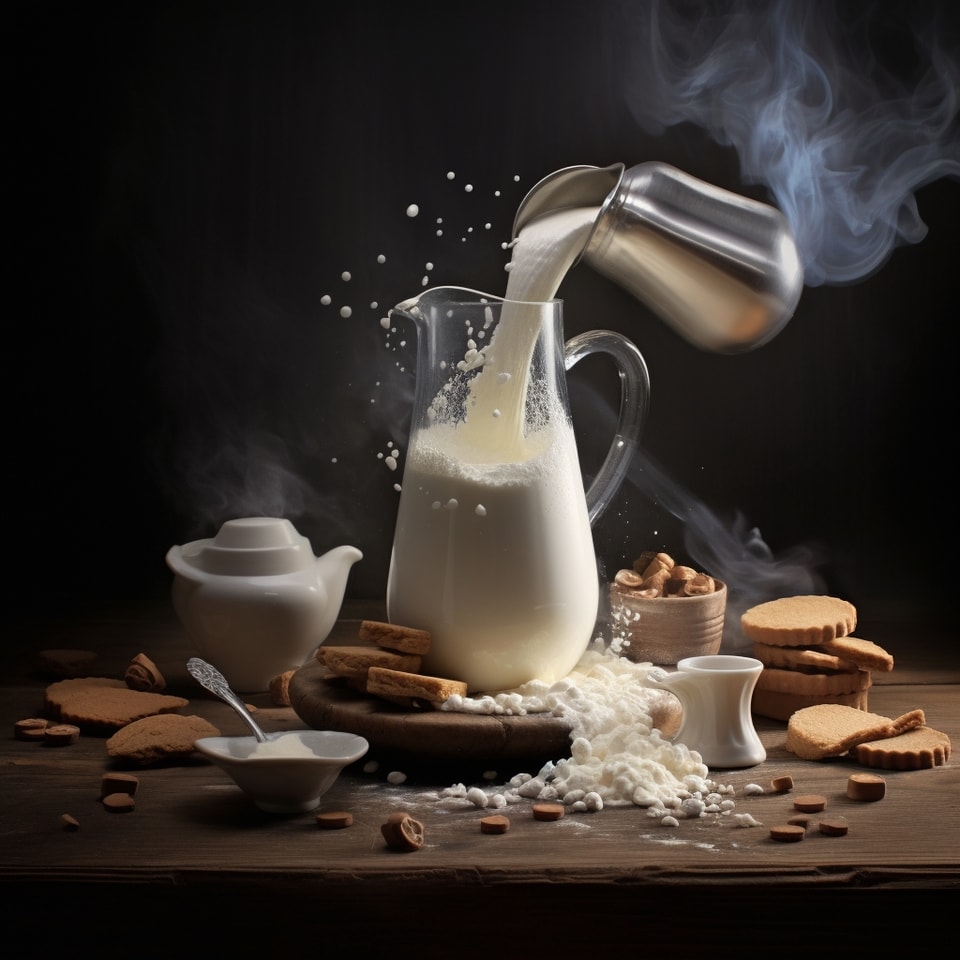
Precision Powder Spray Tower: Revealing the Efficient Conversion Secrets of Milk Powder Production Lines
The powder tower in the milk powder processing line usually refers to the key equipment used in the milk powder production process - spray drying tower, also known as the powder spray tower. This equipment is mainly used to quickly dry liquid or slurry raw materials (such as fresh milk, concentrated milk, etc.) into powdered milk powder through specific spray technology.
The following is an overview of the role and characteristics of spray drying tower in the milk powder processing line: role and process flow
1. Atomization: The raw milk enters the spray drying tower after pretreatment (such as pasteurization, standardization, homogenization, etc.). In the tower, the raw milk is atomized into small droplets through a centrifugal spray or a high-pressure nozzle. The purpose of atomization is to increase the surface area, allowing the liquid to come into full contact with hot air in a short period of time, thereby achieving efficient drying.
2. Drying: the atomized lotion drops contact with the hot air in the tower countercurrent. Hot air can be generated by direct or indirect heating, and the temperature is usually controlled within an appropriate range to ensure the quality and safety of milk powder. The water in the droplets evaporates rapidly and turns into water vapor. At the same time, the lotion droplets solidify into tiny milk powder particles.
3. Separation and cooling: The dried milk powder particles rise together with hot air and undergo gas-solid separation through built-in cyclone separators and bag filters. These devices can effectively capture milk powder particles and discharge exhaust gas. The separated milk powder particles have a higher temperature and usually need to be further cooled by a cooling system to a suitable storage temperature.
4. Collection and packaging: The cooled milk powder particles enter the collection system through the discharge port, such as a vibrating screen or fluidized bed, for particle size screening and uniform mixing, removing possible clumps and ensuring product quality consistency. Finally, qualified milk powder particles are sent to the packaging process and packaged into various specifications of milk powder products that consumers can see.
Key components and technical characteristics
• Centrifugal spray or high-pressure nozzle: ensure that the raw milk is atomized into even and small enough droplets to achieve good drying effect and the fineness of the final milk powder particles.
Hot air system: including air filtration, heater, hot air distributor, etc., providing stable and temperature controlled hot air to ensure drying efficiency and milk powder quality.
Tower body and internal structure: Designing a reasonable tower diameter, height, and internal components (such as guide tubes, cyclone separators, bag filters, etc.) can help optimize airflow distribution, improve drying efficiency, and product yield.
Air hammer and vibration device: installed on the tower wall and separator, regularly vibrated to prevent the adhesion of milk powder particles, maintain cleanliness inside the tower, and reduce product loss.
Control system: including monitoring and automatic adjustment of parameters such as temperature, humidity, wind speed, liquid material flow rate, etc., to ensure precise control of the entire drying process and stability of product quality.
Energy saving and environmental protection measures: The powder spray tower in modern milk powder processing lines usually adopts the following energy-saving and environmental protection technologies:
• Waste heat recovery: Utilizing the heat generated from the large amount of wet and hot exhaust gas during the drying process, the fresh air entering the tower is preheated through a heat exchanger to reduce energy consumption.
Energy management system: integrates advanced energy monitoring and optimization algorithms, adjusts operating parameters in real-time, and maximizes energy utilization efficiency.
Dust emission control: equipped with efficient exhaust gas purification devices to ensure compliance with strict environmental standards and reduce the impact on the atmospheric environment.
To sum up, the powder tower (spray drying tower) in the milk powder processing line, as the core equipment, integrates many process steps such as atomization, drying, separation and cooling. Through precision design and advanced control technology, it realizes the efficient, safe and energy saving transformation from liquid dairy products to high-quality milk powder.
Shanghai Beyond Machinery Co., Ltd
Beyond Machinery specializes in the design and manufacturing of Milk Powder Production Lines. Please contact us now, and our professional technical engineers will customize the equipment plan for Milk Powder Production Lines and provide a quotation. Please contact us now to obtain the latest equipment plan and quotation.
4/26, 2024
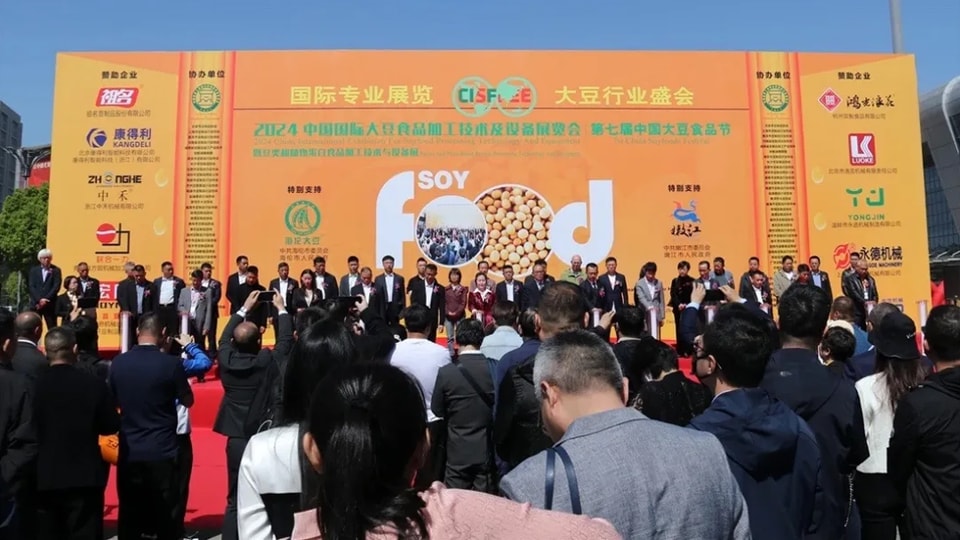
2024 China International Soybean Food Processing Technology and Equipment Exhibition and Bean and Plant Protein Food Processing Technology and Equipment Exhibition
On April 17th, 2024, the Council Meeting of the China Soybean Committee and the Symposium on Key Enterprises in the Soybean Products Industry were grandly held in Huaqiao, Kunshan. With the arrival of heavyweight leaders, academicians and experts, industry leaders, and business representatives, the Bean Products Committee carefully planned activities such as analyzing the current situation of the industry, production and consumption, and exploring various enterprises, and held a grand reception dinner for this excellent night.
On April 18, 2024, the China International Soybean Food Processing Technology and Equipment Exhibition and the Bean and Plant Protein Food Processing Technology and Equipment Exhibition (SPEE2024) was grandly opened at the Kunshan Huaqiao International Expo Center in Jiangsu Province.
Following the latest changes and trends in the bean product industry, Benyou Machinery made a wonderful appearance at the China Bean Expo with a number of new products and equipment, such as inactivated refiners, 10T sterilization and deodorization units, full-automatic laboratory equipment and spray drying tower models, to welcome the rise of the bean product industry in the new era and explore the growth, breakthrough and innovation points in the new era.
The company's participation in this exhibition is mainly focused on communication and cooperation, and we have exchanged, communicated, and negotiated with visiting customers. We have gained many valuable opinions and further understood the product characteristics of advanced enterprises in the same industry, in order to better improve our product structure and leverage our own advantages. Benyou Machinery has achieved a good brand promotion effect with its strength and high-quality service, and many customers have reached cooperation intentions on site.
Shanghai Beyond Machinery Co., Ltd
Beyond Machinery specializes in the design and manufacturing of soybean food processing equipment. Please contact us now, and our professional technical engineers will customize the equipment plan for soybean food processing equipment and provide a quotation. Please contact us now to obtain the latest equipment plan and quotation.
4/23, 2024
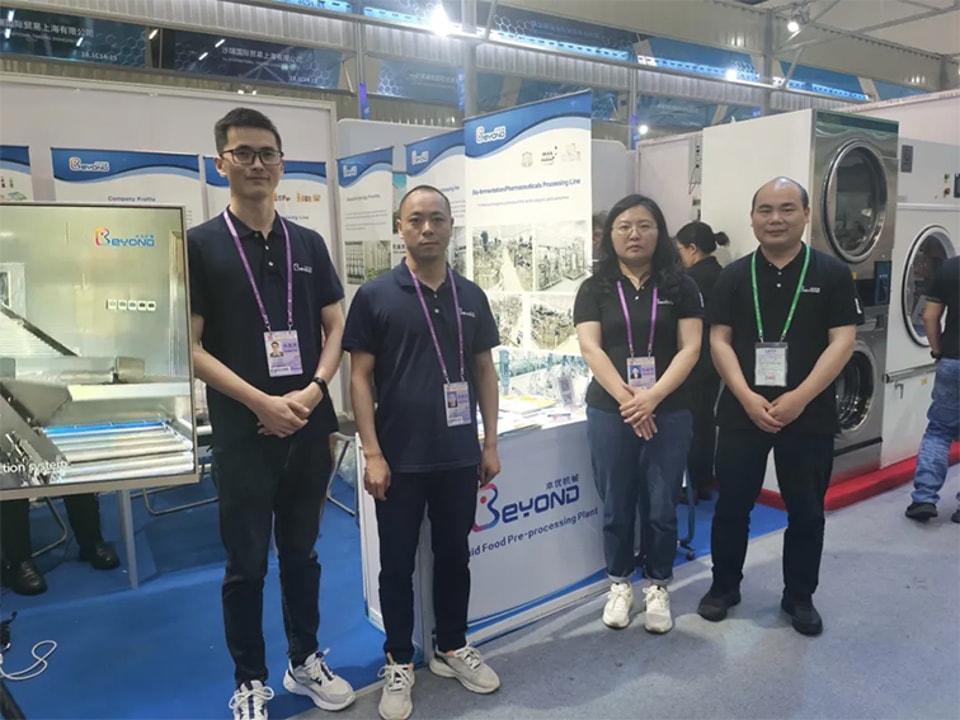
Embracing 'China Smart': Beyond Impresses with Diverse Line Solutions at the 135th Canton Fair
On April 15th, the 135th edition of the China Import and Export Fair (Canton Fair) officially opened its doors at the Pazhou International Convention and Exhibition Center in Guangzhou. The venue was abuzz with a throng of merchants and foreign visitors, all converging to witness the latest offerings from global industries.
At this prestigious event, Beyond made a striking debut showcasing an array of comprehensive line solutions across various types, epitomizing the prowess of "Made-in-China" innovation. With an unparalleled brand strength and unwavering product reliability, the Beyond booth attracted a constant stream of visitors, as international buyers eagerly paused to inquire about their offerings.Throughout the exhibition, the Beyond team demonstrated unwavering enthusiasm and patience in engaging with clients, providing thorough explanations on every aspect of their products. They delved into the performance characteristics, process control measures, and after-sales service provisions, ensuring that each inquiry was met with detailed and insightful responses.As foreign clients delved into the intricacies of Beyond's mechanical equipment and machinery, they were not only impressed by the technical specifications and engineering prowess but also showered the company with high praise and admiration. The combination of cutting-edge technology, robust build quality, and commitment to customer support resonated deeply with attendees, further solidifying Beyond's reputation as a leading exponent of "China Smart Manufacturing" on the world stage.
In summary, the 135th Canton Fair provided the ideal platform for Beyond to demonstrate its innovative capabilities and strong industry standing. The company's compelling showcase of diverse, integrated solutions and its dedication to customer engagement garnered widespread acclaim from the global business community, affirming its position as a trusted and respected player in the realm of advanced manufacturing.
Shanghai Beyond Machinery Co., Ltd
Beyond Machinery specializes in the design and manufacturing of food processing equipments. Please contact us now, and our professional technical engineers will customize the equipment plan for food processing equipments and provide a quotation. Please contact us now to obtain the latest equipment plan and quotation.
4/23, 2024
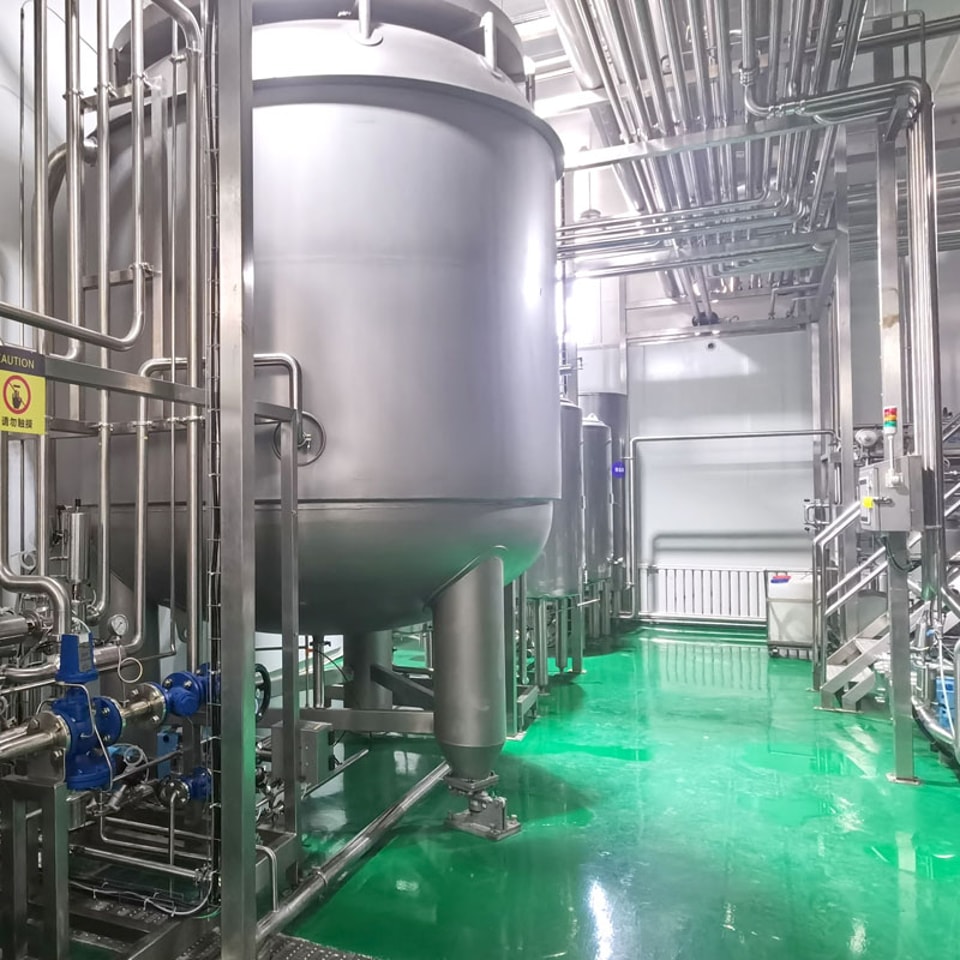
Dairy & Beverage Processing Line
Dairy and beverage processing lines are specialized industrial systems designed for the efficient production of a wide variety of dairy products and beverages. These lines incorporate advanced machinery, automation, and quality control measures to ensure the consistent manufacturing of safe, high-quality, and shelf-stable end products while maintaining hygiene standards and meeting regulatory requirements.
Here's an overview of typical components and processes involved in dairy and beverage processing lines:
Dairy Processing Line
1. Reception and Pre-treatment:• Milk reception: Raw milk is received from farms and undergoes initial testing for quality parameters (e.g., fat content, acidity, somatic cell count) before being pumped into storage tanks.• Standardization: Milk may be standardized by adjusting its fat and protein content to meet product specifications.• Preheating & Clarification: Milk is preheated to facilitate further processing and then passed through a clarifier or separator to remove any remaining impurities, such as fat globules, sediment, and bacteria.
2. Pasteurization / Sterilization:• Heat treatment: Milk is subjected to either pasteurization (high-temperature short-time, HTST) or ultra-high temperature (UHT) processing to destroy pathogenic microorganisms and extend shelf life.• Homogenization: To prevent cream separation, milk is homogenized by forcing it through narrow gaps at high pressure, breaking down fat globules into smaller, more uniform particles.
3. Further Processing:• Separation & Fractionation: For specialized dairy products like skim milk, cream, or whey, separation equipment is used to fractionate milk components based on their density.• Formulation & Mixing: Ingredients such as sweeteners, stabilizers, flavors, and vitamins may be added to the milk or milk fractions to create specific products like flavored milk, yogurt, or cheese mixtures.• Thickening & Coagulation: Processes like fermentation (for yogurt and cheese), acidification (for sour cream), or enzyme-based coagulation (for cheese) are used to thicken and solidify milk products.
4. Filling & Packaging:• Filling machines: Products are filled into containers (bottles, cartons, pouches, etc.) using automated filling equipment that ensures accurate volume control and seals the packaging to maintain product freshness.• Labeling & Coding: Packages are labeled with product information, expiration dates, and batch codes, and may undergo shrink wrapping or secondary packaging for transportation and retail display.
Beverage Processing Line
1. Raw Material Preparation:• Water treatment: Water, the primary ingredient for most beverages, undergoes filtration, reverse osmosis, deionization, and/or UV sterilization to ensure purity and desired mineral content.• Ingredient handling: Other ingredients such as fruits, juices, concentrates, sweeteners, acids, and flavorings are prepared, mixed, and stored as needed.
2. Blending & Mixing:• Batch mixing: Ingredients are combined in precise proportions according to recipes in mixing tanks, often with agitation to ensure homogeneity.• Continuous blending: For high-volume production, ingredients can be continuously metered and blended inline using automated dosing systems.
3. Pasteurization / Sterilization:• Heat treatment: Similar to dairy processing, beverages are pasteurized (HTST) or sterilized (UHT) to eliminate pathogens and extend shelf life.
4. Carbonation & Flavor Incorporation:• Carbonation: For carbonated beverages, CO2 is dissolved into the liquid under pressure.• Flavor addition: Flavorings, either natural or artificial, may be added during or after heat treatment, depending on their stability and compatibility with processing conditions.
5. Filling & Packaging:• Filling machines: Beverages are filled into appropriate containers (bottles, cans, PET bottles, etc.) using high-speed filling lines with precise fill-level control and efficient capping or sealing mechanisms.• Labeling & Coding: Similar to dairy products, packages are labeled and coded, and may also undergo shrink wrapping, case packing, or palletizing for distribution.
Both dairy and beverage processing lines typically include rigorous cleaning-in-place (CIP) systems to sanitize equipment between production runs, as well as quality control checkpoints throughout the process to monitor critical parameters (e.g., pH, Brix, color, turbidity) and ensure compliance with food safety regulations and product specifications.
Additionally, modern lines often integrate advanced technologies like computerized process control systems, data acquisition systems, and real-time monitoring tools for enhanced efficiency, traceability, and overall process management.
The dairy beverage processing line adopts multiple advanced technologies and equipment to ensure product quality, food safety, production efficiency, and product diversity. Here are some highlights of this type of processing line technology:
Homogenization technology: Homogenizers are crucial in the production of dairy beverages, as they refine the fat particles in milk under high pressure, making their distribution more uniform, thereby reducing fat floating and sedimentation, improving product taste and appearance. The homogenized dairy beverage appears whiter and has a delicate texture, enhanced stability, and helps to extend its shelf life.
• Aseptic cold filling technology: This is an advanced filling method used for fruit juices, dairy products, and other beverages, ensuring that products are filled under sterile conditions without the need for high-temperature heat treatment to achieve commercial aseptic status. Cold filling can maximize the retention of the nutritional and flavor components of beverages, reduce the loss of heat sensitive ingredients, and reduce energy consumption.
Ultrafiltration technology: Ultrafiltration technology is used in dairy processing for pre concentration, whey treatment, lactose refining, desalination, and separation and concentration of whey protein. For example, high protein content milk powder can be obtained through ultrafiltration of skimmed milk, enhancing the nutritional value of the product. This technology improves the utilization of raw materials, enriches product varieties, and helps develop high value-added dairy products.
• Concentration equipment: The multi effect evaporator used in dairy processing is an efficient and energy-saving concentration equipment, especially widely used in milk powder production. Compared to single effect and double effect evaporators, multi effect evaporators can more effectively utilize energy by gradually utilizing the heat released by steam condensation through multiple series connected evaporator units, greatly reducing energy consumption.
Plate heat exchanger: It is used for the cooling process of dairy products and has the characteristics of simple structure, high cooling efficiency, and good hygiene conditions. It avoids the possible pollution risk caused by the direct exposure of lotion to the air in the traditional surface cooler. When cold brine is used as the refrigerant, the cooling effect is more significant, which helps to quickly stabilize the dairy temperature and ensure the product quality.
• Cold processing technology: Dairy cold processing technology includes but is not limited to using efficient coolers (such as plate heat exchangers) to quickly cool raw milk, suppress microbial activity, extend the shelf life of raw milk, and provide high-quality raw materials for subsequent processing. Cold processing can also reduce the impact of heat treatment on the nutritional composition and taste of dairy products.
• Automation Control System: Modern dairy and beverage processing lines are usually equipped with advanced automation control systems, including process monitoring, data acquisition, fault warning, remote diagnosis and other functions, to achieve precise control of process parameters (such as temperature, pressure, flow rate, etc.), ensure product quality consistency, improve production efficiency, and reduce manual intervention and operational errors.
• Cleaning and Disinfection System: CIP (Cleaning In Place) online cleaning system and SIP (Sterilization In Place) in-situ disinfection system are standard equipment for dairy beverage processing lines, which can automatically clean and disinfect equipment pipelines, ensuring high hygiene standards in the production environment and complying with strict food safety regulations.
In summary, the highlight technologies of the dairy beverage processing line cover multiple links such as raw material processing, sterilization, concentration, filling, cooling, and automation control. Together, they promote the modernization process of the dairy processing industry, ensuring the safety, nutrition, and quality of products, and also enhancing the overall competitiveness of the industry.
The installation and debugging of a dairy beverage processing line is a complex and precise process, involving multiple links such as the assembly of mechanical equipment, connection of electrical systems, configuration of automation control systems, and trial operation testing of the entire production line.
The following is a general overview of the steps:
Design planning and infrastructure construction:
Based on the factory layout and technical requirements of the dairy beverage processing line, carry out detailed planning and design, including the spatial layout of the production line and the access points of public facilities (such as water and electricity, compressed air, refrigeration system, etc.).
Complete the infrastructure and supporting facilities construction required for the processing line.
Equipment installation: According to the design drawings and the installation manual provided by the manufacturer, position and install various parts of the processing line equipment, including raw material processing equipment, tanks, conveying systems, heating/cooling equipment, filtration and sterilization devices, filling and sealing machines, packaging equipment, etc.
The pipeline connections between equipment must comply with food hygiene standards, using appropriate connection materials and sealing methods to ensure the safety and reliability of material transmission.
• Electrical system wiring and connection: • Complete the laying of power supply lines to ensure stable and reliable power supply According to the electrical drawings, correctly connect the electrical components of each equipment, including motors, sensors, controllers, instruments, etc., and ensure proper grounding protection.
• Automation control system integration: • Configure and install PLC (Programmable Logic Controller) or other automation control systems, connect various sensors, actuators, and control panels Write and debug program logic to ensure that each link of the production line starts, runs, and stops according to the preset process sequence.
After completing the single machine debugging, carry out the linkage debugging of the entire production line, simulate the actual production process, and check the stability and smoothness of the collaborative work between various equipment.
• Verification of cleaning and disinfection system: • Conduct comprehensive installation and functional testing of the CIP/SIP system to ensure that all areas in contact with the product are effectively cleaned and disinfected.
Production testing and quality inspection: Use simulated materials or actual raw materials for trial production, observe and record various parameters of the entire production process, and adjust and optimize process parameters in a timely manner Strictly conduct quality testing on the produced products to ensure they comply with national food safety standards and internal control requirements of the enterprise.
Personnel training and development of operating procedures:
Provide systematic training to operators to ensure they are familiar with the operating methods and maintenance regulations of new equipment Develop detailed operating procedures and emergency plans to ensure the continuous and stable operation of the production line after it is officially put into operation.
• Acceptance and Delivery: After the above debugging and trial operation, it is confirmed that the dairy beverage processing line meets various performance indicators and technical requirements, and a professional team is organized to conduct project acceptance.
After passing the acceptance inspection, the processing line will be handed over to the customer and officially put into use. Throughout the installation and debugging process, strict adherence to relevant national safety regulations and industry standards should be ensured to ensure the smooth progress of the project and the efficient operation of the production line. At the same time, after installation and debugging, it is necessary to regularly maintain the equipment to maintain the good operation of the production line.
Shanghai Beyond Machinery Co., Ltd
Beyond Machinery specializes in the design and manufacturing of cream separator machine. Please contact us now, and our professional technical engineers will customize the equipment plan for dairy & beverage processing line and provide a quotation. Please contact us now to obtain the latest equipment plan and quotation.
4/8, 2024
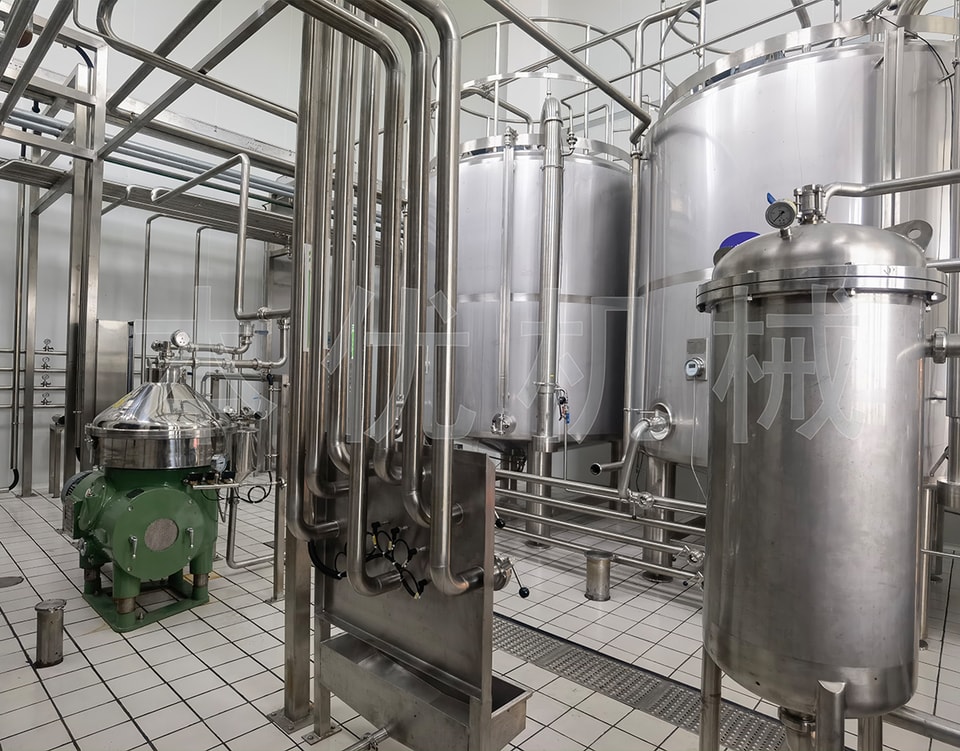
A Technological Marvel in Dairy Processing: Exploring the Science Behind Cream Separator Machines
A cream separator is a mechanical device specifically designed to separate cream and whey from milk. In traditional farm operations and modern dairy industry, this type of machine is widely used in the milk processing process. The working principle mainly utilizes the effect of centrifugal force. When milk passes through a rapidly rotating rotor, heavier whey will be thrown towards the container wall and discharged along a specific channel, while lighter cream will gather near the center of the rotor due to the smaller centrifugal force, achieving effective separation of cream and whey. The cream separator not only improves work efficiency, but also ensures the quality and purity of cream products. In addition, different models and specifications of cream separators are suitable for production needs of different scales, from small manually operated family style cream separators to large-scale industrial fully automatic cream separation equipment.
The technical highlights of the cream separator can be summarized from multiple aspects:
Efficient centrifugal separation technology:
By utilizing the powerful centrifugal force generated by high-speed rotation, the cream (also known as cream or milk fat) in milk can be effectively separated from skim milk in a short period of time, improving production efficiency.
Variable speed control:
The electric cream separator FJ600EAR is equipped with a high-quality brushless motor and speed regulator, which can adjust the separation speed according to actual needs, adapt to different raw material characteristics and process requirements. At the same time, the motor with a frequency converter can extend the working life of the equipment.
Temperature control:
Cold milk separation technology allows for separation at lower temperatures, helping to preserve the nutritional value of milk and cream, reducing flavor loss and nutritional damage caused by high-temperature treatment.
Integrated design:
Some cream separators can be integrated into milk pasteurization machines to achieve multiple processes such as cream separation, fat standardization, and pasteurization within a single system.
Airtight design:
The airtight cream separator can achieve more flexible production, producing cream products with different fat contents while maintaining high degreasing efficiency, and has the characteristic of no overflow risk, ensuring the safety and hygiene of the production environment.
Capacity and Automation:
The equipment comes with a large capacity milk container, such as 50 liters, which can be poured into milk for separation without the need for an additional milk pump; Some high-end models also have fully automatic functions, including automatic slag removal and intelligent control systems.
Material and durability:
The use of materials such as stainless steel and anodized aluminum oxide to manufacture the drum and other key components ensures the corrosion resistance and long-term service life of the equipment.
Multi purpose and flexibility:
Some cream separators are designed to support switching between multiple formulas and production capacity tasks, allowing one machine to meet the production needs of different products.
In summary, the technical highlights of the cream separator are concentrated in high efficiency, multifunctionality, energy conservation, low consumption, easy operation and maintenance, etc., to meet the modern production needs of dairy processing enterprises of different scales.
Installation and commissioning of cream separator.
The installation and debugging of a cream separator is a relatively professional process that requires following certain steps. The following is the basic process for installing and debugging a cream separator in general. The specific operation should refer to the detailed instructions provided by the equipment manufacturer or be carried out by professional technicians:
Preparation before installation
Venue selection:
Ensure that the installation site is flat, dry, well ventilated, and meets hygiene standards for easy cleaning and maintenance.
The ground should have sufficient load-bearing capacity to support the weight of the machine and the vibration during full load operation.
Power supply:
According to the power requirements of the equipment, pre configure appropriate power cables and switches to ensure voltage stability and reliable grounding.
Cooling water source (if needed):
Connect the cooling water system (such as chiller) to ensure that the water pressure, flow rate, and quality meet the equipment requirements.
Equipment unboxing inspection:
Verify the equipment model and accessory list to confirm that there are no damaged or missing components Check if there are any scratches, dents, or other visual defects on the surface of the equipment.
Installation steps
Main body positioning and fixation:
Place the cream separator in the designated position and use a spirit level to calibrate the equipment level Use anchor bolts or fixing brackets to firmly secure the equipment to the ground.
Electrical connections:
Connect the power cord, control cable, and grounding wire correctly according to the electrical drawings or instructions.
• Cooling system connection (if necessary): • Install cooling water pipes, connect to the designated interface of the equipment, and ensure that the seal is leak free. • Pre test run inspection: • Check if all fasteners are securely tightened, and if moving components such as drums and valves operate smoothly without any jamming. • Check if the electrical control system is functioning properly, and if all indicator lights and instrument displays are functioning properly.
Debugging and Testing
Empty load test run: • Start the equipment and conduct a short period of empty load run. Observe whether the sound, vibration, temperature, and other conditions of the equipment are normal, and there is no abnormal noise or severe vibration Check whether the electrical control system operates stably, and whether all sensors and alarm devices respond sensitively.
Load test run: After the no-load operation is normal, inject an appropriate amount of clean water for a simulated separation test, observe the separation effect, and adjust relevant parameters (such as speed, feed speed, etc.) to the optimal working state After the successful water test, a milk separation test will be conducted to ensure that the quality and efficiency of cream separation meet the requirements.
Cleaning and disinfection: After completing the debugging, carry out the first comprehensive cleaning and disinfection according to the equipment cleaning and disinfection procedures, and prepare for formal production Operation training: Provide training to operators on equipment operation, maintenance, troubleshooting, and other aspects to ensure that they are familiar with equipment performance and operating procedures.
Matters needing attention
During the entire installation and debugging process, the safety operation guidelines and relevant regulations provided by the equipment manufacturer should be strictly followed.
In case of equipment malfunction or unclear situation, timely contact the equipment supplier or professional technical personnel for handling, and do not disassemble or forcibly operate without authorization.The above is the installation and debugging process for a general cream separator. The specific steps may vary due to factors such as equipment model and manufacturer regulations. It is necessary to refer to the installation manual provided with the equipment or be guided by professional technical personnel.
Shanghai Beyond Machinery Co., Ltd
Beyond Machinery specializes in the design and manufacturing of cream separator machine. Please contact us now, and our professional technical engineers will customize the equipment plan for cream separator machine and provide a quotation. Please contact us now to obtain the latest equipment plan and quotation.
4/3, 2024
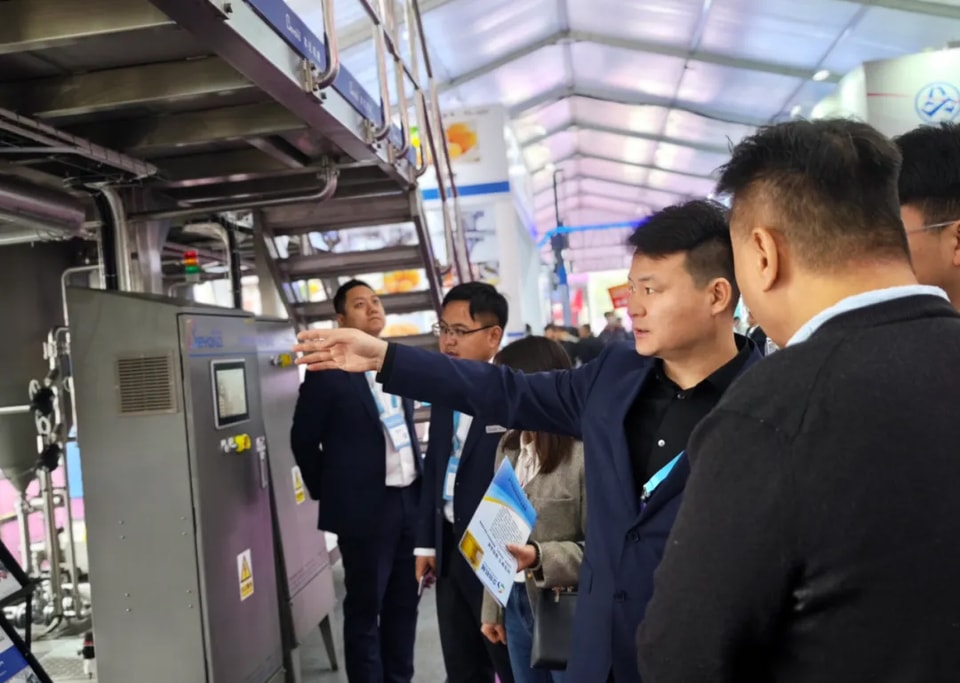
Beyond Machinery Makes a Stunning Debut at Wuhan Liangzhilong Exhibition
In a resounding display of technological prowess and industry leadership, Beyond Machinery made its grand entrance at the prestigious Wuhan Liangzhilong Exhibition, captivating attendees with an array of cutting-edge food processing solutions that epitomize innovation, efficiency, and sustainability.
Unveiling a Showcase of Innovation
The scene was bustling with people, and the flow of exhibitors was endless. Beyond Machinery attended the exhibition with a 750L multifunctional extraction and braising system, bringing together thousands of ingredients and various pre made dishes. Using ingredient processing equipment as a medium and innovative research and development as a guide, they jointly ignited new hope for the development of the ingredient and catering industry in 2024. Through new ingredients and equipment, they helped the strong recovery of the catering industry, cultivating brand momentum and injecting new development momentum for catering enterprises. Each unit exemplified precision engineering, user-friendly designs, and an unwavering dedication to enhancing productivity while maintaining the highest standards of food safety and quality.
Highlighting Technological Prowess
Beyond Machinery leveraged the platform to unveil several groundbreaking innovations, such as the SmartClean automated cleaning system and the EcoEfficient energy-saving technology integrated into its latest generation of machines. These advancements not only streamline operations but also significantly reduce environmental impact, underscoring the company's commitment to fostering sustainable practices within the industry. Interactive demonstrations allowed visitors to witness firsthand how these technologies translate into tangible benefits for their businesses.
Expert Insights and Knowledge Sharing
Industry professionals and prospective clients were treated to a series of engaging presentations and panel discussions led by Beyond's technical experts and executive team. These sessions delved into emerging trends, regulatory updates, and best practices in food processing, offering valuable insights for attendees seeking to stay ahead in an ever-evolving landscape. Moreover, the company's representatives were readily available throughout the event to provide personalized consultations, addressing specific inquiries and tailoring solutions to individual business needs.
Networking and Collaboration
The Wuhan Liangzhilong Exhibition served as an ideal backdrop for fostering new connections and strengthening existing partnerships. Beyond Machinery capitalized on this opportunity, engaging in productive dialogues with fellow exhibitors, suppliers, and potential collaborators. The company's proactive approach to networking further solidified its position as a key player in the global food processing community, opening doors for future joint ventures, technology transfers, and market expansions.
Conclusion: A Resounding Success
Beyond Machinery's participation in the Wuhan Liangzhilong Exhibition was nothing short of spectacular. Through a compelling showcase of innovative products, thought-provoking discussions, and strategic networking, the company successfully demonstrated its unwavering commitment to revolutionizing the food processing industry. This memorable debut not only reinforced Beyond's reputation as a technological trailblazer but also laid the groundwork for continued growth and success in the years to come.
In conclusion, Beyond Machinery's presence at the Wuhan Liangzhilong Exhibition was a testament to its relentless pursuit of excellence and steadfast dedication to transforming the food processing landscape. With a clear vision for the future and an unwavering commitment to innovation, the company is poised to continue shaping the industry, one groundbreaking solution at a time.
3/30, 2024
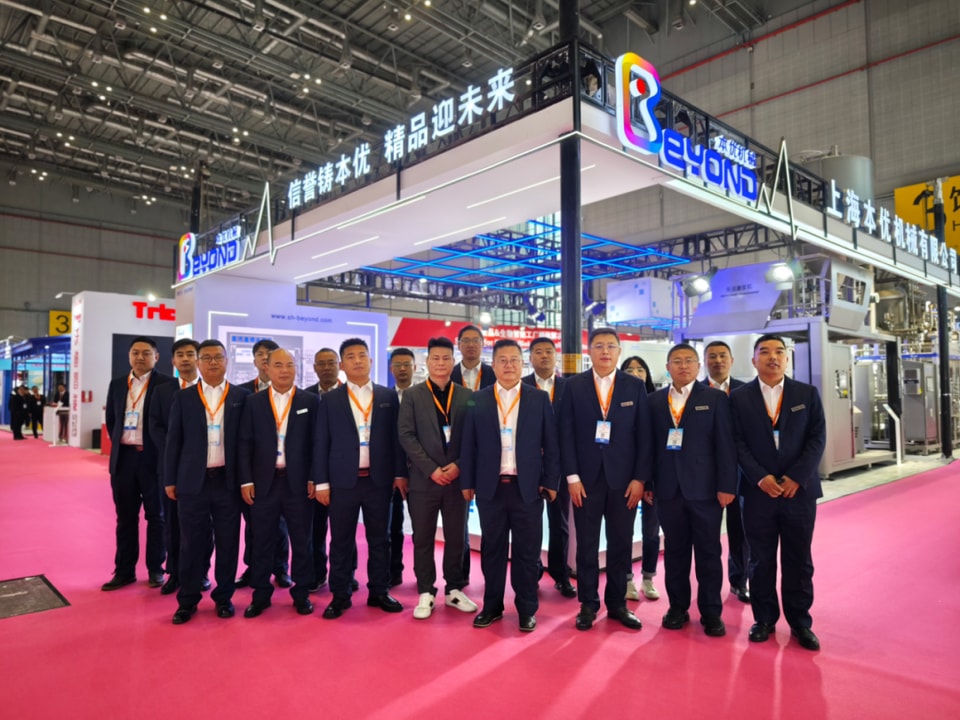
Beyond Machinery Shines at the 2024 China International Food Additives and Ingredients Exhibition
At the 27th China International Food Additives and Ingredients Exhibition in 2024, a major event in China's food processing and ingredient industry, Beyond Machinery Technology Co., Ltd. made its debut with its innovative high-tech machinery and equipment. This exhibition was held from March 20th to 22nd at the Shanghai National Convention and Exhibition Center, bringing together many well-known domestic and foreign enterprises and industry elites to discuss the latest technologies and development trends in the field of food processing.
On the first day of FIC, the on-site heat was explosive and exciting. Within the exhibition hall of over 100000 square meters, new products from around the world gathered, and business opportunities surged. Beyond Machinery attended the exhibition with steam direct injection sterilization machine, deactivation grinding machine, vertical melting pot, laboratory production line, powder tower model, and evaporator model. On site discussions with industry experts and friends on new processes, technologies, and intelligent production line solutions in the field of food processing equipment.
As a leading domestic food processing machinery manufacturer, Beyond Machinery has attracted the attention of many visitors with its outstanding technical strength and rich product line. At the FIC booth, Beyond Machinery showcased its independently developed high-efficiency and energy-saving food additive production equipment. These equipment not only meet strict food safety standards, but also achieve precise operation and efficient output through intelligent control systems, greatly improving the production efficiency and product quality of food additives.
Of particular note is the new automatic food production line launched by Beyond Machinery, which adopts advanced automation technology and green environmental design concepts, aiming to reduce energy consumption, reduce pollution, and effectively improve the safety and stability of the production process. This series of new products has received high praise and widespread attention from professional on-site audiences and potential customers.
During the exhibition, the Beyond Machinery team actively interacted and exchanged ideas with attendees, sharing the latest technological research and development achievements and industry insights, and providing customized solutions for different customer needs. Through this exhibition, Beyond Machinery has further consolidated its position in the domestic and even international markets, while also expanding its business cooperation network, contributing to the technological progress and industrial upgrading of China's food processing equipment industry.
In the future, Beyond Machinery will continue to adhere to the concept of "technological innovation and high-quality service", continuously launch cutting-edge products that meet market demand, and contribute to the prosperity and development of the global food processing industry. The successful exhibition at FIC 2024 undoubtedly once again proves the irreplaceable competitive advantage and sustained strong momentum of Beyond Machinery in the field of food processing machinery.
3/22, 2024
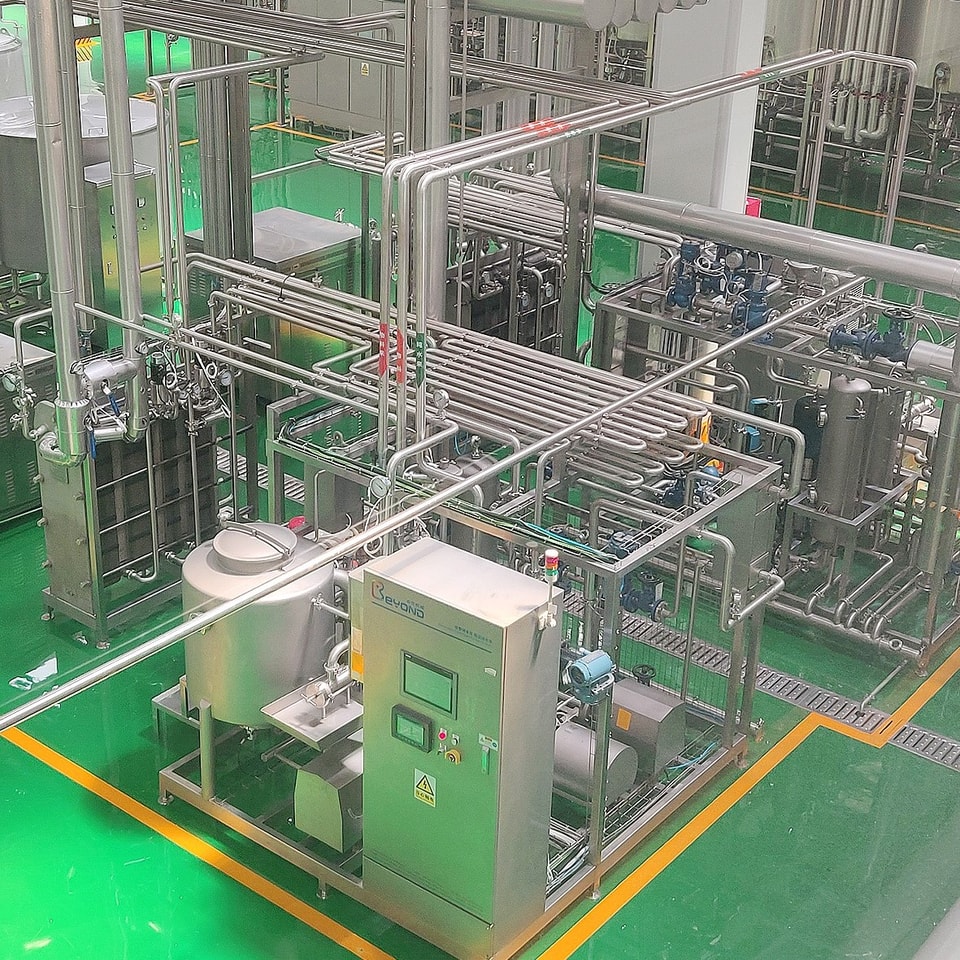
uht milk processing plant cost and milk uht machine price
The cost of building an ultra-high temperature instant sterilization (UHT) milk processing plant involves multiple inputs, and the specific cost will be affected by the following factors:
1. Venue cost: The cost of purchasing or leasing land varies greatly depending on geographical location and area.
2. Building facilities: including the cost of basic construction such as factory building, purification workshop, cooling system, storage facilities, etc.
3. Equipment investment: The purchase cost of UHT sterilization equipment (including tubular sterilization machines, sterile filling machines, etc.), raw material pretreatment equipment (such as filtration, standardization equipment, etc.), packaging equipment, testing equipment, and other auxiliary equipment.
4. Technology introduction and installation debugging: The cost of introducing advanced UHT sterilization process technology, as well as the installation, debugging, and service costs of all equipment.
5. Energy supply system: The construction and operation costs of energy supply systems such as electricity, steam, and cooling water.
6. Environmental protection and safety investment: Environmental protection and safety production costs related to wastewater treatment facilities, air purification systems, fire safety facilities, etc.
7. Office and living facilities: The construction cost of supporting facilities such as office areas, employee dormitories, and canteens.
8. Operating capital: Initial production raw material procurement, personnel recruitment and training, marketing and other operating costs.
9. License and certification fees: Application fees for food production licenses, ISO quality system certifications, and other related certificates.
In summary, the cost of establishing a UHT milk processing plant depends on many factors, usually requiring investments of millions to tens of millions of dollars, or even higher. The specific amount needs to be evaluated and calculated in detail based on the actual situation and scale. Meanwhile, investors also need to consider factors such as market analysis, competitive landscape, and product positioning to ensure the feasibility of the project's economic benefits.
Milk UHT (Ultra High Temperature) machines, which are used to pasteurize milk by heating it to a very high temperature for a short period to extend its shelf life without refrigeration, come in a variety of sizes and models, hence their prices can differ significantly.
A small-scale UHT milk processing unit suitable for smaller dairy farms or businesses might cost anywhere from several thousand dollars to tens of thousands of dollars. As you move up to mid-range industrial models designed for higher volume production, the price can rise to hundreds of thousands of dollars. For fully automated, high-output commercial UHT systems with advanced features like CIP cleaning, automated filling, and sophisticated control panels, the cost can exceed millions of dollars.To get an accurate quotation, you need to consider your specific production needs, including daily output capacity, type of packaging (bottles, pouches, cartons, etc.), and any additional features required.
It's best to consult directly with us, as we can provide detailed quotations based on your individual requirements. Keep in mind that the price typically includes not just the equipment itself but also installation, training, and post-sale services.
Shanghai Beyond Machinery Co., Ltd
Beyond Machinery specializes in the design and manufacturing of uht milk processing plant. Please contact us now, and our professional technical engineers will customize the equipment plan for uht milk processing plant and provide a quotation. Please contact us now to obtain the latest equipment plan and quotation.
3/22, 2024
