
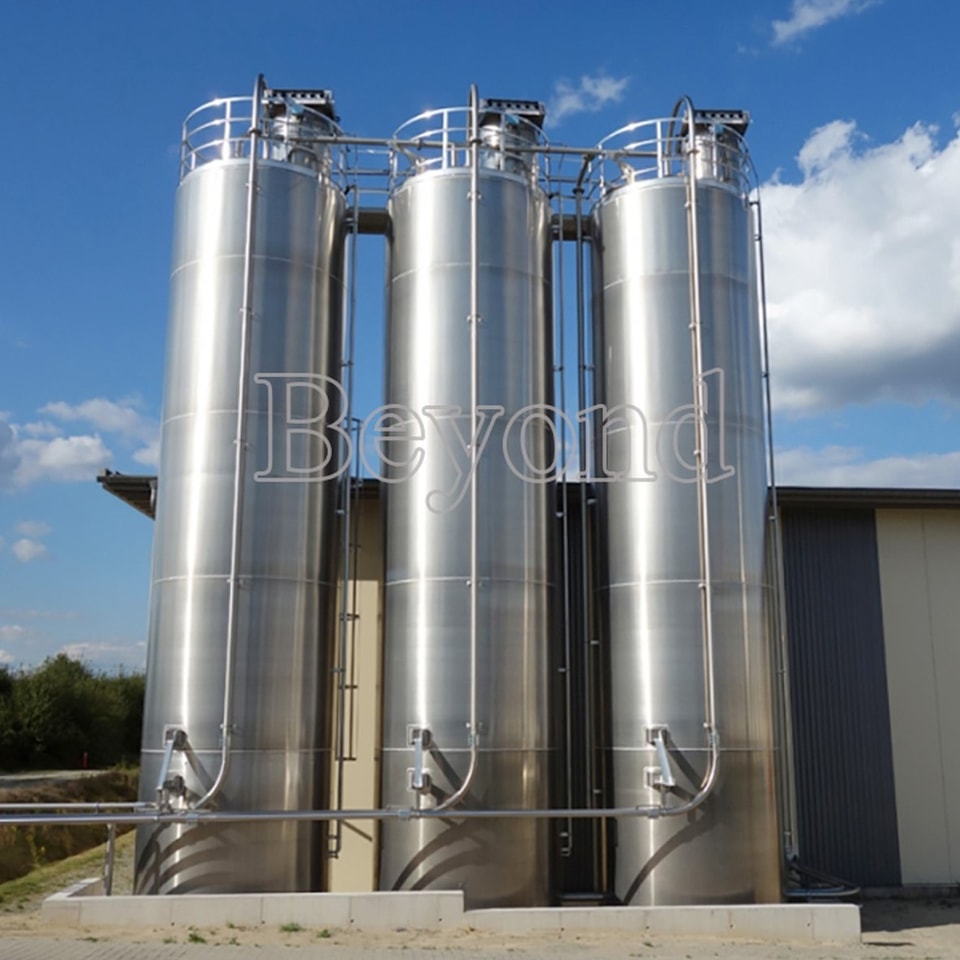
Chilled to Perfection: Your Ultimate Milk Storage Tank Solution
Stainless steel storage tank refers to a container made of stainless steel material for storing various liquids or gases, commonly used in industries such as chemical, food, beverage, pharmaceutical, etc. This type of storage tank has good corrosion resistance, high strength, and easy cleaning characteristics, which can ensure the purity and safety of the stored substances. According to different usage requirements, stainless steel storage tanks can be customized into various volumes, shapes (such as vertical and horizontal), and configurations (such as with insulation layer, mixing device, etc.).
The technology of stainless steel milk storage tanks mainly involves the following aspects:
1. Material selection: 304 or 316L grade stainless steel materials are usually used, which have excellent corrosion resistance and hygiene, suitable for storing food grade products such as milk, and can ensure that the quality of milk is not affected by the container.
2. Insulation design: Milk storage tanks should be equipped with a good insulation layer to maintain a constant low temperature environment and prevent milk spoilage. The insulation layer is often made of polyurethane foam material, which can effectively reduce heat transfer and save energy.
3. Cleaning and disinfection technology: The tank design should facilitate CIP (cleaning in place) and SIP (sterilization in place), and internal cleaning and disinfection should be carried out through an automated system to ensure sterile conditions in the production process and meet food safety standards.
4. Temperature control: Equipped with a built-in temperature sensor and automatic control system, it can accurately monitor and adjust the temperature of the milk in the tank, ensuring the freshness of the milk.
5. Safety and Quality Control: Equipped with safety devices such as pressure safety valves, level gauges, and breathing valves, as well as quality control systems that comply with international standards, to ensure production safety and product quality.
6. Efficient mixing and homogenization: For milk that requires homogenization treatment, the storage tank can integrate mixing and homogenization devices to refine the milk fat particles, improve product stability and taste.
Regarding the installation and commissioning of stainless steel storage tanks, here are some suggested steps and precautions:
1. Basic inspection: Ensure that the installation site has a flat and sturdy ground that can withstand the full load capacity of the tank. Excavate the foundation pit according to the size of the tank and pour concrete foundation to achieve sufficient strength.
2. Lifting in place: Use suitable lifting equipment to slowly lift the storage tank, align it with the preset position, and gently lower it. During the process, it is necessary to ensure that the lifting ropes are securely fastened to avoid collision and damage to the tank body.
3. Horizontal adjustment: Use a level ruler to check the levelness of the tank body, and if necessary, add shims to the bottom of the tank for fine adjustment to ensure that the tank body is completely horizontal, in order to prevent problems caused by tilting in future use.
4. Pipeline connection: Connect the feed pipe, discharge pipe, exhaust pipe, etc. according to the design drawings, and seal all interfaces to prevent leakage. It can be connected using flanges, welding, and other methods, and subjected to pressure testing.
5. Attachment installation: Install accessories such as level gauges, thermometers, mixers (if needed), etc. Ensure that all accessories are securely installed and functioning properly.
6. Cleaning and Disinfection: Before formal use, the tank should be thoroughly cleaned and disinfected, especially for food grade applications, which require strict adherence to hygiene standards.
7. Trial operation and debugging: First, conduct a no-load trial operation to check the operation of each component, then gradually load to the design capacity and observe the working status of the tank body and accessories. During debugging, pay attention to checking the sealing, pressure stability, and whether the control system is functioning properly.
8. Safety inspection: Finally, conduct a comprehensive safety inspection to ensure that all fasteners are tightened, waterproof and dustproof measures are in place for the electrical part, and necessary safety warning signs are in place in the operating area.
Information about milk silos, which are typically specialized containers used in farms or dairy factories for storing large quantities of fresh milk.
Their characteristics and precautions include:
1. Material: Food grade stainless steel is generally used to ensure hygiene and safety during milk storage and prevent contamination.
2. Insulation design: Milk storage tanks have good insulation performance, maintaining a constant low temperature to delay milk spoilage. There are two common types: refrigerated or frozen.
3. Capacity: The capacity range is wide, from small family farms to industrial large-scale production, with capacities ranging from a few hundred liters to several hundred thousand liters.
4. Cleaning system: Equipped with an automatic or manual cleaning system (CIP) to ensure thorough internal cleaning after each use, meeting strict food safety standards.
5. Milk inlet/outlet system: Designed with a well sealed milk inlet and outlet pump system, it facilitates quick and safe collection and distribution of milk, reducing the risk of contamination.
6. Monitoring equipment: High end models may be equipped with liquid level indicators, temperature controllers, and quality detection sensors to facilitate monitoring of milk status and inventory management.
Milk cooler is an important equipment used in the dairy industry to rapidly reduce the temperature of extruded milk, in order to maintain its freshness and quality.
Its main features and working principles include:
• Rapid cooling: designed to quickly reduce milk temperature from body temperature to around 4 ° C, inhibit bacterial growth, and comply with food safety storage standards.
• Types: There are mainly two types: tank coolers and plate heat exchangers. The former is suitable for small farms, while the latter is used for large-scale dairy processing with higher energy efficiency.
• Automatic control: Equipped with a temperature control system, it can automatically adjust the cooling capacity to maintain a constant low temperature, while monitoring and recording temperature to ensure HACCP compliance.
• Easy to clean: Most designs have CIP (Clean In Place) function, which facilitates daily maintenance and hygiene cleaning, reduces manual intervention, and improves efficiency.
Durable material: usually made of stainless steel, corrosion-resistant, easy to clean, ensuring long-term stable operation of equipment and safe and pollution-free milk.
Shanghai Beyond Machinery Co., Ltd.
Beyond Machinery specializes in the design and manufacturing of milk Storage tank.Please contact us now, and ourprofessional technical engineers will customize the equipment plan for milk storage tank and provide a quotation.Please contact us now to obtain the latest equipment plan and quotation.
7/30, 2024
Lactose Luxury: Processing Plant Perfection
A yogurt processing plant is a facility where milk is transformed into yogurt through various stages of production. The process typically includes several key steps:
1. Receiving and Storage: Milk is received from dairy farms and stored in large refrigerated tanks to maintain its freshness until it's ready to be processed.
2. Standardization: Milk may be standardized to achieve a consistent fat content in the final product. This involves removing or adding cream as necessary.
3. Pasteurization: Milk is heated to a high temperature for a short period to kill any harmful bacteria and increase shelf life. Commonly, this is done using ultra-high temperature (UHT) pasteurization or HTST (high-temperature short-time) methods.
4. Cooling: After pasteurization, the milk is rapidly cooled to prevent the growth of any remaining bacteria and to prepare it for the next step.
5. Culturing: Yogurt cultures, which contain specific strains of lactic acid bacteria such as Lactobacillus bulgaricus and Streptococcus thermophilus, are added to the milk. These bacteria ferment lactose (milk sugar) and produce lactic acid, which causes the milk proteins to coagulate and thicken, resulting in yogurt.
6. Incubation: The milk is then incubated at a controlled temperature (usually around 41-45°C or 106-113°F) for several hours to allow the bacteria to multiply and ferment the milk.
7. Flavoring and Mixing: Once the yogurt has set, flavors, fruits, or sweeteners can be added if desired. This step varies depending on the type of yogurt being produced.
8. Filling and Packing: The yogurt is filled into containers and sealed. It may also be stirred at this point to create a smooth consistency for stirred yogurts.
9. Cooling and Aging: The filled containers are cooled to slow down the fermentation process and aged to develop flavor and texture.
10. Quality Control: Throughout the process, quality control checks are performed to ensure that the yogurt meets safety and quality standards.
11. Storage and Distribution: Once the yogurt has been properly cooled and aged, it is stored under refrigeration until it's shipped to stores and retailers.
The equipment used in a yogurt processing plant includes milk tanks, homogenizers, pasteurizers, cooling systems, culture addition systems, mixers, filling machines, packaging machinery, and refrigerated storage facilities. Additionally, there are strict hygiene and sanitation protocols to follow to ensure food safety.
Yogurt processing flow chart
A flow chart for the yogurt processing can be visualized with the following steps, each represented as a node or box connected by arrows showing the sequence of operations:
Milk Reception
• Milk is received at the processing facility.
• Storage & Cooling
• Milk is cooled to around 4°C to inhibit bacterial growth and stored in refrigerated tanks.
• Standardization
• Milk is standardized to ensure a consistent fat content.
• Homogenization
• Milk undergoes homogenization to break down fat globules and prevent separation.
• Pasteurization
• Milk is heated to a high temperature to eliminate pathogens and spoilage microorganisms.
• Cooling Down
• Milk is rapidly cooled to a temperature suitable for culture inoculation.
• Inoculation with Starter Culture
• Specific lactic acid bacteria cultures are added to the milk.
• Incubation
• The milk-culture mixture is incubated at a controlled temperature to allow the fermentation process to occur.
• Cooling After Incubation
• Once the yogurt has set, it is cooled to halt the fermentation process.
• Flavoring (Optional)
• Flavorings, sweeteners, or fruit are added to the yogurt.
• Mixing (if applicable)
• Ingredients are mixed thoroughly if needed.
• Packaging
• Yogurt is filled into containers and sealed.
• Quality Control
• Final products are inspected for quality assurance.
• Chilling & Storage
• Packaged yogurt is chilled and stored in cold rooms.
• Distribution
• Yogurt is shipped to retailers and distributors.
Each step in the flow chart is critical for producing safe, high-quality yogurt products. Depending on the specific yogurt type and the company's processes, additional steps might be included, such as thickening for Greek yogurt or the addition of probiotics for functional yogurts.
Yogurt processing machine
Yogurt processing machines are specialized equipment used in the dairy industry for converting milk into yogurt through various stages such as pasteurization, homogenization, culturing, and cooling. These machines can range from simple, manual units to complex, fully automated systems capable of handling large volumes of milk.
Here are the main components and types of machines involved in the yogurt processing line:
Milk Reception and Storage Tanks:
• These tanks receive the raw milk and store it at a low temperature to maintain freshness and prevent bacterial growth.
• Pasteurizers:
• Pasteurizers heat the milk to a specific temperature to kill harmful bacteria while preserving the nutritional value and flavor of the milk.
• Homogenizers:
• Homogenizers are used to break down the fat globules in the milk to create a more uniform texture and prevent cream from rising to the top.
• Coolers:
• After pasteurization, coolers rapidly decrease the temperature of the milk to prepare it for the addition of yogurt cultures.
• Culture Addition Systems:
• These systems add the required bacteria (cultures) to the cooled milk to start the fermentation process.
• Incubators:
• Incubators maintain the milk at a controlled temperature (around 42°C) to facilitate the fermentation process, turning milk into yogurt.
• Cooling and Stabilization Equipment:
• Once the yogurt is set, cooling equipment brings it down to a lower temperature to halt fermentation and stabilize the product.
• Mixing and Flavoring Stations:
• If flavors or additives are to be included, these stations incorporate them into the yogurt base.
• Filling and Packaging Machines:
• Filling machines portion the yogurt into individual containers, which are then sealed and packaged for distribution.
• Conveyors and Automated Handling Systems:
• Conveyors move containers between the different processing stations and help automate the production line.
• Quality Control and Inspection Equipment:
• This includes devices for checking the consistency, pH, and other quality parameters of the yogurt.
• Cleaning and Sanitizing Systems:
• Critical for maintaining hygiene, these systems clean and sanitize the equipment after each production cycle.
• Control Panels and Software:
• Modern processing lines use control panels and software to monitor and adjust the production process for efficiency and quality control.
When choosing yogurt processing machines, it's important to consider factors such as production capacity, the type of yogurt being produced (e.g., plain, Greek, flavored), space constraints, budget, and the level of automation desired. We offer turnkey solutions that include design, installation, and after-sales service.
Shanghai Beyond Machinery Co., Ltd.
Beyond Machinery specializes in the design and manufacturing of yogurt processing plant machinery.Please contact us now, and ourprofessional technical engineers will customize the equipment plan for yogurt processing plant machinery and provide a quotation.Please contact us now to obtain the latest equipment plan and quotation.
7/22, 2024
Golden Harvest: Crafting Premium Mango Juice Facilities
If your curiosity is piqued by the prospect of embarking on the journey of establishing or gaining insights into a mango juice manufacturing venture, there are indeed a variety of factors that merit thoughtful consideration. Let me outline a succinct synopsis for your enlightenment:
1. Market Research: Understand the demand for mango juice in your target market. Consider factors like competition, target audience preferences, and potential sales volume.
2. Business Plan: Develop a detailed business plan that includes your mission, strategy, financial projections, and marketing tactics.
3. Location and Infrastructure: Choose a location for your factory. You'll need space for processing equipment, storage, and possibly a distribution center. Ensure the site has good access to utilities and transportation.
4. Equipment: Purchase machinery and equipment such as juicers, pasteurizers, bottling machines, and packaging equipment. Don't forget refrigeration units and other necessary infrastructure.
5. Suppliers: Find reliable suppliers for fresh mangos and any other ingredients or packaging materials you need.
6. Production Process: Establish a production process that meets food safety standards. This involves cleaning, peeling, pitting, juicing, pasteurizing, and bottling the mango juice.
7. Quality Control: Implement quality control measures to ensure the safety and consistency of your product.
8. Packaging: Design attractive and functional packaging that will stand out on store shelves and protect the juice during transport.
9. Branding and Marketing: Create a brand identity and develop a marketing strategy to promote your mango juice.
10. Distribution: Set up a distribution network to get your product to retailers and consumers.
11. Legal Requirements: Comply with all relevant laws and regulations regarding food production, labeling, and sales.
12. Financial Management: Manage your finances effectively to ensure profitability and sustainability of the business.
Mango processing plant
A mango processing plant is a facility where fresh mangoes are transformed into various value-added products for consumption and commercial sale. The process typically involves several
stages to ensure the quality and safety of the final product. Here’s a general overview of how a mango processing plant might operate:
1. Receiving and Inspection: Fresh mangoes are received at the plant and inspected for quality. They are sorted based on size, color, ripeness, and any signs of damage or disease.
2. Cleaning and Washing: The mangoes are cleaned thoroughly to remove dirt and any contaminants. This can be done using water jets and brushes.
3. Peeling: Mango peeling can be done manually or by machines designed to peel the skin without damaging the fruit flesh.
4. Slicing and Dicing: After peeling, the mangoes are sliced or diced depending on the desired product form. This could be for fresh-cut mango pieces, cubes, or slices.
5. Pulping: Mango pulp is extracted from the flesh either mechanically or using more advanced technologies like hydraulic presses. The pulp may then be strained to remove fibers.
6. Processing: The pulp can be further processed into different products such as puree, juice concentrate, dried mango, or canned products. Each type of product requires specific processing steps.
7. Packaging: Once processed, the mango products are packaged in suitable containers such as bottles, cans, pouches, or trays for frozen products.
8. Quality Control: Throughout the process, quality control checks are performed to ensure that the products meet food safety standards and customer requirements.
9. Storage and Distribution: The finished products are stored under appropriate conditions (refrigerated for fresh and frozen products, ambient for canned goods) and then distributed to retailers or wholesalers.
Mango processing plants often incorporate modern technology to increase efficiency and reduce waste. They also adhere to strict hygiene and safety protocols to prevent contamination and ensure the healthiness of their products.
Mango pulp processing flow chart
The process of making mango pulp involves several steps from receiving the raw mangoes to packaging the final pulp. Below is a simplified flow chart of the mango pulp processing:
Mango Reception
• Receiving fresh mangoes at the processing plant.
• Inspection and Sorting
• Inspecting the mangoes for quality.
• Sorting out damaged or unripe fruits.
• Cleaning
• Washing the mangoes to remove dirt and impurities.
• Peeling
• Peeling the mangoes using manual or mechanical peelers.
• Slicing
• Slicing the peeled mangoes into smaller pieces.
• Pulping
• Extracting the pulp from the mango slices using pulpers or crushers.
• Removing the seeds and fibrous parts.
• Blending
• Blending the pulp to achieve a consistent texture.
• Adding water or sugar if necessary.
• Straining
• Straining the blended pulp through sieves or filters to remove any remaining solids.
• Pasteurization
• Heating the pulp to a specified temperature to kill bacteria and enzymes.
• Cooling the pulp quickly after pasteurization to retain flavor and nutrients.
• Standardization
• Adjusting the consistency, sugar content, and pH of the pulp to a standard level.
• Homogenization
• Homogenizing the pulp to make sure it has a uniform texture and mouthfeel.
• Packaging
• Filling the pulp into aseptic bags or cans.
• Sealing the containers to ensure sterility.
• Storage
• Storing the packaged pulp under controlled conditions until ready for distribution.
• Distribution
• Transporting the mango pulp to distributors or direct to market.
Each step in this process is critical to producing high-quality mango pulp that is safe for consumption and meets industry standards. Quality control measures should be implemented throughout the process to ensure that the final product is free from contaminants and meets all food safety requirements.
It appears there was an issue with generating the image of the flowchart showing the steps of mango pulp processing. Typically, such a flowchart would illustrate each step I described in the process, from the reception of mangoes to the final packaging of the pulp.
However, I can help visualize the flowchart in text format for you:
+-------------------+
| Mango Reception |
+-------------------+
▼
+-------------------+
| Inspection & Sort |
+-------------------+
▼
+-------------------+
| Cleaning |
+-------------------+
▼
+-------------------+
| Peeling |
+-------------------+
▼
+-------------------+
| Slicing |
+-------------------+
▼
+-------------------+
| Pulping |
+-------------------+
▼
+-------------------+
| Blending |
+-------------------+
▼
+-------------------+
| Straining |
+-------------------+
▼
+-------------------+
| Pasteurization |
+-------------------+
▼
+-------------------+
| Standardization |
+-------------------+
▼
+-------------------+
| Homogenization |
+-------------------+
▼
+-------------------+
| Packaging |
+-------------------+
▼
+-------------------+
| Storage |
+-------------------+
▼
+-------------------+
| Distribution |
+-------------------+
This textual representation outlines the sequential steps involved in processing mango pulp.
Mango pulp processing plant cost
Setting up a mango pulp processing plant involves various costs that depend on multiple factors such as plant capacity, automation levels,
technology used, location, infrastructure, and equipment quality. It's challenging to provide an exact figure without detailed specifications.
However, I can give you a general idea of the cost components involved:
1. Land and Infrastructure: Cost of acquiring land, constructing the facility, and providing utilities (water, electricity). This could range from
tens of thousands to millions of dollars depending on the size and location.
2. Equipment Costs:
• Reception & Sorting: Conveyors, sorting machines.
• Cleaning: Washing systems.
• Peeling & Slicing: Mechanical peelers, slicing machines.
• Pulping & Crushing: Pulping machines, crushers.
• Blending & Straining: Industrial blenders, strainers.
• Pasteurization & Cooling: Pasteurization units, cooling systems.
• Packaging: Filling machines, aseptic packaging equipment.
• Quality Control: Testing equipment, lab instruments.
• Total equipment costs could start from around $100,000 for a small-scale setup and go up to millions for large, automated plants.
• Installation and Commissioning: Expenses for setting up and testing the machinery, which could be an additional 10-15% of the equipment cost.
• Operating Costs:
• Raw Materials (mangoes): Varies based on seasonal prices and quantity.
• Labor: Skilled and unskilled labor costs.
• Utilities: Electricity, water, and fuel for boilers if applicable.
• Maintenance and Repairs: Ongoing upkeep of equipment.
• Licenses and Permits: Legal and regulatory compliance, including environmental permits, safety certifications, and licenses, which can add several thousand dollars to the initial investment.
• Working Capital: Funds required for day-to-day operations before revenue starts flowing in.
A small to medium-sized mango pulp processing plant may require an initial investment ranging from 500,000 to 5 million, whereas a larger, highly automated plant could exceed $10 million.
Shanghai Beyond Machinery Co., Ltd.
Beyond Machinery specializes in the design and manufacturing of mango processing plant machinery.Please contact us now, and our
professional technical engineers will customize the equipment plan for mango processing plant machinery and provide a quotation.
Please contact us now to obtain the latest equipment plan and quotation.
7/20, 2024

Steel Symphony: Conducting Quality with Milk Processing Machinery
A milk processing plant is a facility where raw milk is transformed into a variety of dairy products for consumption. These plants play a crucial role in the food industry by ensuring that milk is safe, nutritious, and of high quality.
Here’s an overview of what happens in a typical milk processing plant:
Key Components of a Milk Processing Plant
1. Receiving and Storage: Milk arrives at the plant from dairy farms and is immediately tested for quality and safety. It is then stored in large, refrigerated tanks to preserve freshness until processing begins.
2. Pasteurization: This is a crucial step that involves heating the milk to a specific temperature to kill harmful bacteria and pathogens. There are two main types of pasteurization:
• High-Temperature Short-Time (HTST): Milk is heated to around 72°C for 15 seconds.
• Ultra-High Temperature (UHT): Milk is heated to over 135°C for a few seconds to allow longer shelf life without refrigeration.
• Homogenization: This process breaks down the fat globules in the milk to create a consistent texture and prevent the cream from separating.
• Standardization: Milk fat content is adjusted to meet specific product standards, such as whole milk, skim milk, or different types of cream.
• Blending and Formulation: Ingredients like vitamins, flavors, and preservatives can be added to create specialized products like fortified milk or flavored beverages.
• Packaging: Once processed, milk is filled into containers, sealed, and labeled. This can include bottles, cartons, or pouches, depending on the product type and market destination.
• Quality Control: Samples of the finished products are taken for microbiological and chemical tests to ensure safety and quality standards are met.
• Distribution: Packaged milk is stored in cold storage areas before being shipped to retailers and distributors.
Additional Features in Some Plants
• Dairy Product Production: Many plants also produce yogurt, cheese, butter, and other dairy products from the milk.
• Waste Management: Systems are in place to handle waste products like whey and other by-products efficiently.
• Cleaning and Sanitation: Hygiene is paramount in milk processing. Plants have extensive cleaning and sanitation protocols to prevent contamination.
Importance of Milk Processing
Processing milk ensures that it is safe to drink and extends its shelf life. It also allows for the creation of diverse dairy products that cater to various consumer preferences and dietary needs.
Milk processing plant flow chart
A milk processing plant's flow chart outlines the sequential steps involved in transforming raw milk into various consumer products. Here is a simplified flowchart for a typical milk processing operation:
Receipt and Reception
• Raw milk collection from farms
• Initial quality checks (temperature, pH, antibiotics)
• Unloading into refrigerated silos
• Pre-Treatment
• Filtration to remove impurities like hairs, dust, and leaves
• Storage in chilled tanks to maintain freshness
• Standardization (Optional)
• Adjusting fat and solids content to a predetermined level for consistency
• Pasteurization
• HTST (High-Temperature Short Time) or UHT (Ultra-High Temperature) processes
• Heating milk to kill pathogens and extend shelf life
• Rapid cooling after heating
• Homogenization
• Reducing the size of fat globules for uniform texture and stability
• Prevents cream separation
• Fortification (Optional)
• Adding vitamins, minerals, or other nutrients
• Filling and Packaging
• Sterilizing packaging material (bottles, cartons, pouches)
• Filling the containers with processed milk
• Sealing and labeling
• Quality Control
• Microbiological and chemical analysis of final product
• Sensory evaluation (taste, odor, appearance)
• Secondary Packaging
• Grouping individual packages into cartons, trays, or cases for shipping
• Cold Storage
• Storing packaged milk under refrigeration until dispatch
• Distribution
• Loading onto refrigerated trucks for delivery to retailers or distribution centers
• Waste Management
• Proper disposal of waste milk, packaging material, and cleaning fluids
Each step in the process is critical to ensuring the safety, quality, and shelf-life of the milk products. The plant's layout and design are optimized to facilitate smooth transitions between these stages, with hygiene and sanitation practices integrated throughout.
Remember, this is a generic flowchart and actual processes can differ based on specific plant configurations, product variations (such as flavored milk, yogurt, cheese), and regional regulations.
500 ltr Milk Processing Plant cost
The cost of a 500-liter milk processing plant can also fluctuate based on various factors such as the quality of equipment, its features (like pasteurization, homogenization, bottling, etc.), the supplier, and whether the plant is being custom-built or is a standard model. This price range typically includes the core processing equipment, but might not cover additional costs such as installation, training, and the building or space where the plant will be located. It's also important to consider ongoing operational costs, which can include energy usage, water, labor, maintenance, and potential upgrades.
1000 Ltr Milk Processing Plant cost
The cost of a 1000-liter milk processing plant can vary significantly based on several factors such as the quality of equipment, location, whether it's a new or used facility, and additional features like pasteurization, bottling lines, storage facilities, etc.
Shanghai Beyond Machinery Co., Ltd.
Beyond Machinery specializes in the design and manufacturing of milk processing plant.Please contact us now, and our professional technical engineers will customize the equipment plan for milk Processing plant and provide a quotation. Please contact us now to obtain the latest equipment plan and quotation.
7/15, 2024
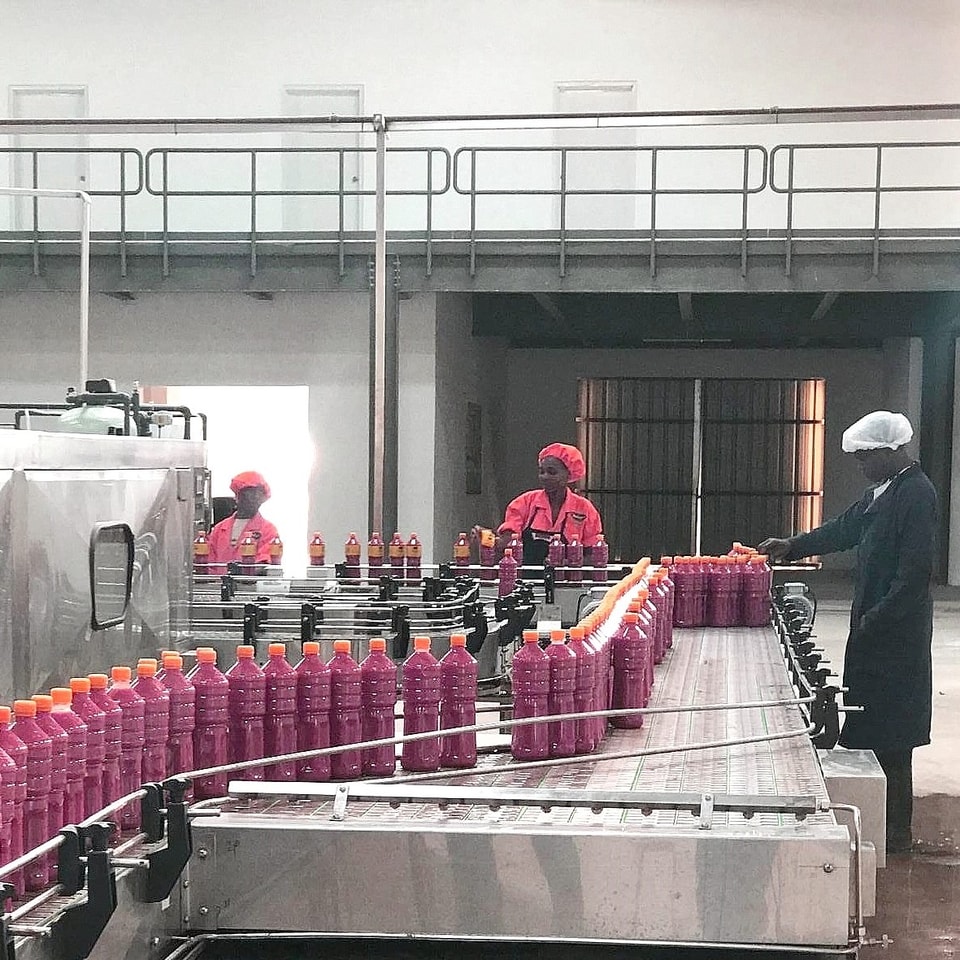
A high-tech tomato sauce processing plant built through automation and informatization
A tomato paste processing plant is a facility designed to transform fresh tomatoes into concentrated tomato paste, a versatile ingredient widely used in culinary applications worldwide. The process involves several stages to ensure high-quality output, hygiene, and efficiency.
Here's a comprehensive overview of the main components and operations in a typical tomato paste processing plant:
1. Receiving and Sorting• Reception: Tomatoes are delivered to the plant and offloaded into designated areas, where they are inspected for quality and sorted based on ripeness and size.• Sorting: Advanced sorting machinery uses cameras and sensors to automatically separate good tomatoes from those with defects, ensuring only high-quality tomatoes proceed to further processing.
2. Washing and Cleaning• Washing: Tomatoes pass through a series of washing systems, typically involving water sprays and brushes, to remove dirt, pesticides, and other contaminants.• Sanitizing: After washing, tomatoes may be treated with a mild sanitizing solution to eliminate surface microorganisms.
3. Crushing and Pulping• Crushing: The washed tomatoes are crushed to break them down into a pulp. Crushers or mills gently rupture the fruit, separating the flesh from the skin and seeds.• Dejuicing: The crushed pulp is pressed or screened to extract the juice, which is then sent to the next stage.
4. Heating and Evaporation• Preheating: Tomato juice is preheated to inactivate enzymes and improve the flavor profile.• Concentration: Using evaporators, the juice is heated under vacuum to remove excess water, concentrating it into paste. Falling film or rising film evaporators are common technologies employed.
5. Pasteurization• Sterilization: The concentrated paste undergoes high-temperature short-time (HTST) pasteurization or ultra-high temperature (UHT) treatment to destroy pathogens and increase shelf life.
6. Cooling and Packaging• Cooling: The hot paste is rapidly cooled to prevent spoilage and maintain quality.• Packaging: Once cooled, the paste is packed into various containers (cans, pouches, drums, etc.) using automated filling and sealing machines. Aseptic packaging is often used to ensure sterility.
7. Quality Control and Laboratory Testing• Testing: Throughout the process, samples are taken for quality checks, including pH, Brix (soluble solids content), color, and microbiological testing.• Final Inspection: Finished products are visually inspected before being dispatched.
8. Waste Management• Byproduct Utilization: Seeds, skins, and other residue can be processed into secondary products like animal feed or compost.
9. Maintenance and Sanitation• Regular cleaning and sanitation of equipment and facilities are critical to maintaining food safety standards.
10. Automation and Control Systems• Modern plants incorporate advanced automation and control systems, including PLCs and SCADA, to manage the entire process, ensuring consistency, efficiency, and traceability.
Setting up a tomato paste processing plant requires careful planning, adherence to food safety regulations, and investment in appropriate machinery and infrastructure. It's also essential to consider environmental sustainability practices, such as efficient water usage and waste management systems.
Tomato paste processing machine installation and debugging
Installing and debugging a tomato paste processing machine involves several steps to ensure that the equipment operates safely and efficiently.
Here’s a general guide on how this process might unfold:Installation Process
Site Preparation:• Ensure the facility meets the requirements for installing the machinery, including electrical supply, water supply, drainage, and space.• Prepare the foundation or mounting area as per the manufacturer's specifications to support the weight and stability of the machines.• Delivery and Unpacking:• Receive the machinery at the site and carefully unpack it, checking for any damages during transit.• Verify all components against the delivery list.• Assembly:• Assemble the machinery following the manufacturer’s instructions or with the assistance of their technical team if required.• Connect all the components, such as conveyor belts, processing units, and packaging machines, ensuring they are aligned properly.• Piping and Electrical Connections:• Install necessary piping for water, steam, and other utilities.• Connect electrical wiring, ensuring compliance with local safety codes.
Hygiene and Safety Setup:• Install any required safety devices and hygiene controls, such as emergency stop buttons and sanitization stations.• Documentation:• Keep detailed records of the installation, including serial numbers, installation dates, and any modifications made.Debugging Process1. Initial Checks:• Perform a visual inspection to ensure everything is assembled correctly and there are no obvious issues.• Check all connections for leaks or loose fittings.
Electrical Testing:• Test the electrical systems to confirm that all components receive power and function as intended.• Pneumatic and Hydraulic Testing:• If applicable, test pneumatic and hydraulic systems for leaks and proper operation.• Run Tests:• Conduct initial run tests using a small batch of tomatoes to check the performance of each component.• Observe the operation of the machine to ensure it runs smoothly and efficiently.• Calibration:• Adjust settings such as temperature, pressure, and speed based on the test results.• Calibrate sensors and control systems to optimize performance.• Process Optimization:• Work with the manufacturer’s technicians to fine-tune the process parameters for maximum efficiency and product quality.• Safety and Quality Assurance:• Confirm that all safety protocols are functioning and that the quality of the tomato paste meets standards.• Train staff on safety procedures and operation guidelines.• Documentation:• Record the results of the debugging process, including any adjustments made and their effects on the machine’s performance.
Final Inspection:• Have a final inspection conducted by an engineer or technician to ensure all systems are ready for full-scale production.• Training:• Provide training sessions for the operational team to ensure they understand how to operate and maintain the machine properly.• Maintenance Plan:• Develop a maintenance schedule to keep the machine running optimally and prevent breakdowns.
Shanghai Beyond Machinery Co., Ltd.
Beyond Machinery specializes in the design and manufacturing of tomato paste processing plant.Please contact us now, and our professional technical engineers will customize the equipment plan for tomato paste processing plant and provide a quotation. Please contact us now to obtain the latest equipment plan and quotation.
7/5, 2024
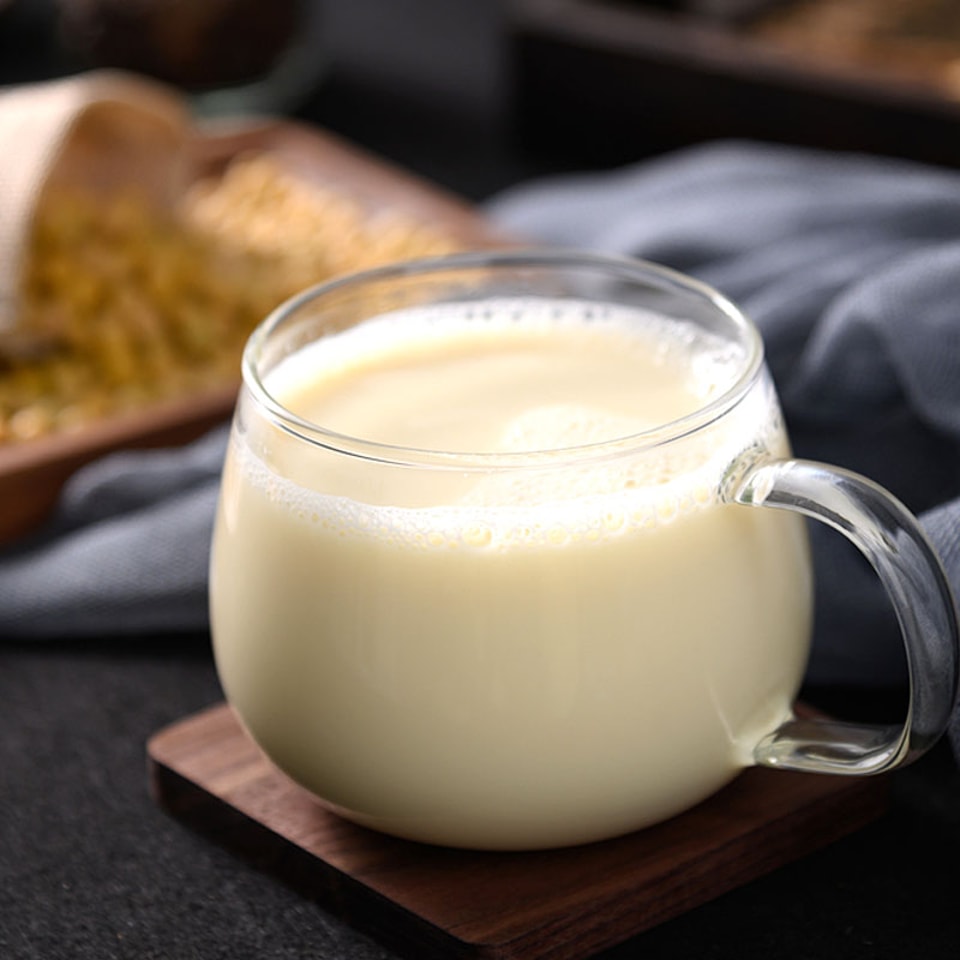
Milk's Timeless Journey: From Farm to Shelf with UHT Technology
UHT milk production machines are sophisticated pieces of equipment that must adhere to strict hygiene standards. They often feature integrated systems for cleaning and sterilization to ensure food safety and quality control. Depending on the scale of the operation, these machines can vary widely in size and throughput, from smaller units suitable for local dairies to massive industrial plants capable of processing millions of liters of milk per day.
If you're looking to set up a UHT milk production facility or simply want to understand more about the technology behind UHT processing, it's important to consider factors such as the type of milk being processed (whole, skimmed, flavored, etc.), the desired shelf life, and the target market's preferences.
Would you like to know more about the technical specifications of UHT machines, the cost implications of setting up a UHT processing line, or any other aspects of UHT milk production? I'm here to help with all your inquiries!Here's an illustration depicting a UHT milk production line, showcasing the sterilization, homogenization, and packaging processes.
In a real-world scenario, the UHT milk production line would integrate various machines and technologies to ensure the milk is treated at ultra-high temperatures and then quickly cooled and packed under sterile conditions to maintain its long shelf life.The process starts with raw milk being received and stored. It then goes through a series of treatments:
1.Homogenization: This breaks down fat globules to ensure a smooth texture.
2. Pasteurization/UHT Sterilization: The milk is heated to very high temperatures to eliminate pathogens and spoilage microorganisms.
3. Cooling: After sterilization, the milk is rapidly cooled to prevent recontamination.
4. Aseptic Filling and Packaging: The cooled milk is then filled into sterilized containers using aseptic techniques to prevent bacterial entry.
Each step in the process is critical for maintaining the safety and quality of the final product. UHT milk production lines are designed to handle large volumes efficiently while adhering to stringent hygiene and safety standards.
A UHT (Ultra High Temperature) milk production machine is designed to process milk through a series of steps that culminate in Ultra High Temperature treatment. This process extends the shelf life of milk without refrigeration, making it ideal for distribution over long distances and in areas where refrigeration might not be readily available.
Here's a breakdown of the typical steps involved in UHT milk processing:
1. Pre-treatment: Milk is first pre-treated, which includes standardization (to adjust fat content), homogenization (to break down fat globules for a smoother texture), and pasteurization (to kill off harmful bacteria).
2. UHT Processing: The pre-treated milk is heated to a very high temperature, usually around 135°C to 150°C, for a few seconds. This kills most bacteria and spores, ensuring a long shelf life.
3. Cooling: Immediately after UHT treatment, the milk is rapidly cooled back down to around 10°C to prevent re-contamination and maintain quality.
4. Packaging: UHT milk is then aseptically packaged, which means the milk and the packaging material are both sterilized before they come into contact with each other. This ensures that no bacteria can enter the package during the filling process.
5. Storage and Distribution: Once packaged, UHT milk can be stored at room temperature without spoiling for months, provided the packaging remains unopened.
Milk production machine
A milk production machine is an industrial equipment used in the dairy industry for processing raw milk into various dairy products.
These machines can handle different stages of milk production, including:
1. Milk Collection and Cooling Tanks: Used to collect fresh milk from cows and quickly cool it down to preserve freshness.
2. Pasteurizers: Heat the milk to a specific temperature to kill harmful bacteria while preserving the nutritional value and flavor of the milk.
3. Homogenizers: Break down fat globules in milk to prevent cream from separating out, ensuring a consistent texture.
4. Packaging Machines: Fill and seal containers with processed milk, ready for distribution.
5. UHT (Ultra High Temperature) Processing Plants: Heat milk to ultra-high temperatures for extended shelf life without refrigeration.
6. Cream Separators: Separate cream from milk to produce products like butter and cream.
7. Cheese Making Equipment: Used to make various types of cheese by coagulating milk proteins.
8. Yogurt Production Lines: Ferment milk to produce yogurt with added cultures.
9. Powdering Machines: Convert liquid milk into powdered form for easier storage and transportation.These machines are designed to operate efficiently and hygienically, adhering to food safety standards to ensure the quality and safety of dairy products.
If you have any further questions about the specifics of UHT milk production, the types of machinery used, or considerations for setting up a production facility, feel free to ask! I'm here to provide you with detailed information and support.
Shanghai Beyond Machinery Co., Ltd.
Beyond Machinery specializes in the design and manufacturing of milk production machine.Please contact us now, and our professional technical engineers will customize the equipment plan for milk production machine and provide a quotation. Please contact us now to obtain the latest equipment plan and quotation.
7/4, 2024
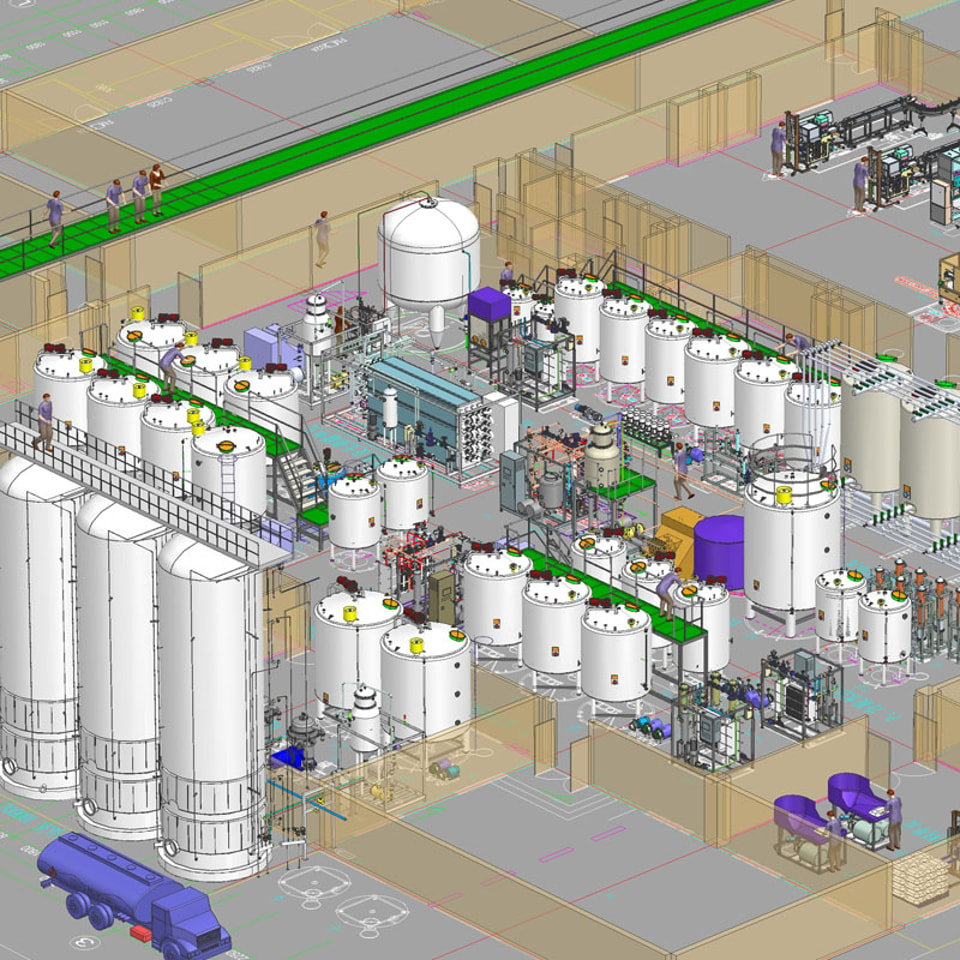
Dairy processing equipment and solutions for dairy applications
Dairy processing equipment encompasses a wide range of machinery and systems designed specifically for the efficient and hygienic transformation of raw milk into various dairy products. These include but are not limited to milk, yogurt, cheese, butter, ice cream, and dairy-based beverages. The solutions provided for dairy applications integrate advanced technology to ensure food safety standards, optimize production efficiency, and maintain product quality.
Here's an overview of some key equipment and solutions used in the dairy industry:
1. Milk Reception & Storage Systems: This includes equipment for receiving milk from farmers, cooling it rapidly to maintain freshness, and storing it in large refrigerated tanks before further processing.
2. Pasteurizers: These heat-treat milk to a specific temperature for a set period to kill harmful bacteria while preserving its nutritional value and flavor. There are two main types: batch pasteurizers for smaller operations and continuous flow pasteurizers for larger scale processing.
3. Homogenizers: Homogenization breaks down the fat globules in milk to a uniform size, preventing cream separation and giving the final product a consistent texture.
4. Separator: A centrifugal device that separates milk into cream and skim milk. It's crucial for producing various fat-content dairy products.
5. Fermentation Tanks (for Yogurt and Cheese Making): Specifically designed for controlled fermentation processes, these tanks maintain precise temperatures and conditions for bacterial cultures to ferment milk.
6. Cheese Making Equipment: This can range from simple vats for traditional cheese making to highly automated systems for large-scale production, including curd cutters, draining tables, and pressing machines.
7. Evaporators and Dryers: Used for concentrating milk into milk powder or other concentrated dairy products. Evaporation removes water, and dryers convert the concentrate into a dry, shelf-stable form.
8. Ice Cream Freezers and Continuous Freezing Lines: Specialized equipment for freezing and aerating ice cream mixtures to create the desired texture.
9. Packaging Machines: These automate the filling, sealing, and labeling of dairy products into various packaging formats, ensuring hygiene and extending shelf life.
10. Cleaning-in-Place (CIP) Systems: An integral part of any dairy plant, CIP systems automatically clean and sanitize processing equipment without disassembly, ensuring hygiene and compliance with food safety regulations.
11. Automation and Control Solutions: Advanced software and hardware systems for process control, monitoring, and data management, which help optimize production efficiency, reduce waste, and maintain product consistency
.
Dairy processing equipment suppliers often offer tailored solutions that can be customized to fit the specific needs and scale of a dairy operation, from small artisanal producers to large industrial plants. These solutions also adhere to strict hygienic design principles and comply with international food safety standards like HACCP and FDA regulations.
Complete milk processing plant equipment
A complete milk processing plant typically covers the entire process from receiving raw milk to packaging and leaving the factory, involving multiple stages of equipment and technology.
The following is a list of the main equipment required to form a complete milk processing factory, suitable for production needs of different scales:
1. Raw milk receiving and pretreatment area • Raw milk receiving tank: Receive and temporarily store raw milk, equipped with a rapid cooling system Raw milk pump: used to transport milk to the subsequent processing stage Raw milk testing laboratory: including milk composition analyzer, bacterial counter, etc., used to test the quality of raw milk Milk purifier: removes impurities such as dust and hair from milk Cooling system: Ensure temperature control of milk throughout the entire processing process.
2. Heat treatment and sterilization area • Pasteurization machine: adopts low-temperature long-term or high-temperature short-term sterilization methods to retain milk nutrition and kill harmful bacteria UHT (Ultra High Temperature Instantaneous Sterilization) Equipment: Used for producing sterile dairy products with a long shelf life Heat exchanger: used for heating and cooling milk, improving energy efficiency.
3. Homogenization and Standardization Zone • Homogenizer: Unifies the particle size of fat globules in milk, prevents fat from floating, and enhances taste Standardized equipment: Adjust the fat ratio of milk to meet the needs of different products.
4. Fermentation and processing area • Fermentation tank: used for the production of fermented dairy products such as yogurt and cheese, with temperature control function Cream separator: separates cream from milk and is used to produce butter, cream, etc Ice cream production line: including mixing, homogenization, maturation, freezing and other equipment.
5. Packaging area • Sterile filling machine: Fill milk or dairy products in a sterile environment to ensure product safety Sealing machine: Automatic sealing to maintain product sealing Labeling machine: Attach labels to packaging containers Packaging line: including wrapping machine, boxing machine, sealing machine, etc., to complete the final packaging.
6. Cleaning and Disinfection Area • CIP (In Place Cleaning) System: Automated cleaning and disinfection of various components in the production line to ensure hygiene in the production environment.
7. Quality Control and Laboratory • Microbial Testing Equipment: Detects microbial indicators in products to ensure food safety Nutrient analyzer: Analyze the nutritional content of the finished product.
8. Logistics and warehousing • Refrigerated warehouse: used to store raw milk and finished products, maintaining a constant low temperature Cold chain logistics: equipped with refrigerated transportation vehicles to ensure the quality of products during transportation.
The above equipment is configured based on the specific scale, product types, and market demands of the factory. Large factories may have more complex and highly automated production lines, while small or medium-sized factories may choose more compact and economical equipment combinations.
Milk processing equipment list
The following is a list of commonly used equipment in dairy processing, suitable for dairy production enterprises of different scales:
1. Raw milk receiving station: including milk tanker unloading equipment, raw milk receiving tank, and raw milk detection equipment (such as milk composition analyzer).
2. Storage equipment: Large milk storage tanks, usually equipped with cooling systems to keep milk fresh.
3. Pre processing equipment:
Milk purifier: removes impurities from milk, such as soil, hair, etc Centrifuge: can separate dairy products with different fat contents, such as producing skim milk or cream
Heat treatment equipment: • Pasteurization machine: kills most harmful microorganisms through low-temperature long-term or high-temperature short-term heating methods Ultra high temperature sterilization (UHT) equipment: used to produce sterile dairy products with a long shelf life Heat exchanger: used for heating or cooling milk, improving energy efficiency
Homogenizer: reduces the particle size of fat globules in milk, prevents fat from floating, improves taste and appearance Standardized equipment: Adjust the fat content of milk to ensure product consistency Fermentation equipment: used for producing fermented dairy products such as yogurt and cheese, requiring temperature and humidity control
Concentration and drying equipment: • Evaporator: used for producing concentrated milk, condensed milk, etc., evaporating water through heating Spray drying tower: the concentrated milk is made into milk powder, which is suitable for long-term storage and transportation.
Filling and packaging equipment: • Sterile filling machine: Fill milk or dairy products into packaging containers in a sterile environment Sealing machine, labeling machine, packaging machine: Complete the final packaging of the product Cleaning and disinfection equipment (CIP system): Automatically clean and disinfect all parts of the production line to ensure production hygiene Quality control and laboratory equipment: including microbiological testing equipment, composition analyzers, etc., to ensure product quality and safety Storage and logistics equipment: refrigerated warehouses, cold chain logistics vehicles, etc., used for storing and transporting dairy products.
The above equipment can choose different models and configurations based on actual production needs and scale. Small enterprises may prefer to choose multifunctional integrated equipment or small individual equipment to save costs and adapt to flexible production.
Shanghai Beyond Machinery Co., Ltd.
Beyond Machinery specializes in the design and manufacturing of dairy processing equipment.Please contact us now, and our professional technical engineers will customize the equipment plan for dairy processing equipment and provide a quotation. Please contact us now to obtain the latest equipment plan and quotation.
6/20, 2024

Spice Up Your Life: The Art of Seasoning Production
Seasoning food processing line usually refers to an automated or semi automated production line used for large-scale production of seasonings, such as soy sauce, vinegar, seasoning powder, sauce, and other products. The design and operation of such production lines may vary depending on the specific type of seasoning and production process, but generally include the following main steps:
1. Raw material processing: This step may include cleaning, screening, crushing or grinding raw materials to ensure that the quality of the raw materials meets the standards.
2. Fermentation: This process is crucial for seasonings that require fermentation, such as soy sauce and vinegar. During the fermentation process, specific microorganisms are introduced into the raw materials to promote the formation of flavor compounds.
3. Mixing and blending: According to the product formula, mix the processed raw materials with other ingredients (such as spices and preservatives) evenly.
4. Heating and sterilization: By heating, harmful microorganisms that may exist can be killed, while also helping seasonings achieve the desired taste and texture.
5. Filtering and clarification: Remove solid particles to make the seasoning clearer.
6. Packaging: Put seasoning into bottles, cans, or other containers, seal them, and prepare for sale.
7. Quality control: Conduct quality inspections at multiple stages of the production process to ensure that the final product meets food safety and quality standards. The design of seasoning food processing lines needs to consider factors such as hygiene, efficiency, and cost, while also complying with local food safety regulations.
Modern seasoning food processing lines often use advanced equipment and technology to improve production efficiency and product quality. If you are considering establishing such a production line, you may need to consult a professional food engineering consultant or equipment supplier for more detailed planning and design suggestions.
The seasoning food processing line involves various equipment, each with its specific functions to ensure the smooth progress of the entire production process.
The following are some common equipment and their uses on seasoning food processing lines:
Raw material processing equipment • Cleaning machine: used to clean raw materials, such as vegetables, grains, etc Crusher/Grinder: Crushes raw materials into the required size for subsequent processing Screening machine: Screen raw materials, remove impurities and particles that do not meet specifications. Fermentation equipment • Fermentation tank: used for seasonings such as soy sauce and vinegar that require fermentation, providing an environment for microbial growth and metabolism Stirrer: Mix the raw materials during the fermentation process to ensure even fermentation.
Mixing and blending equipment • Mixer: Mix multiple raw materials evenly in a certain proportion to ensure consistent taste of the product Ingredients system: Precisely measure the addition of additives such as spices, pigments, preservatives, etc. Heating and Sterilization Equipment • Sterilization Pot: High temperature sterilization of seasonings to extend their shelf life Heat exchanger: used for heating or cooling seasonings, controlling processing temperature. Filtering and Clarification Equipment • Filter: removes solid particles to ensure the clarity of seasoning Centrifuge: separates solid and liquid through centrifugal force to improve clarification efficiency.
Packaging equipment • Filling machine: Fill seasonings into bottles, bags, or other containers Sealing machine: Seals packaging containers to keep products fresh Labeling machine: Attach labels on packaging to indicate product information Packing machine: Assembles individual packaged products into boxes for easy transportation. Automation Control System • PLC Control System: Monitor and control various equipment on the production line to achieve automated production Sensors and monitoring equipment: Monitor parameters such as temperature, pressure, and flow to ensure stable production conditions.
Cleaning and Disinfection Equipment • CIP (Clean In Place) System: Internal cleaning and disinfection can be carried out without disassembling the equipment. Auxiliary equipment • Conveyor belt: connects various workstations to transport raw materials and products Storage tank: used for temporary storage of raw materials or semi-finished products.
When selecting and configuring these devices, it is necessary to consider the characteristics of the product, production scale, cost budget, and health and safety standards. In practical applications, customization and adjustment may also be necessary based on specific products and production processes.
The installation and debugging of seasoning food processing lines is a complex and meticulous process, involving multiple aspects such as mechanical installation, electrical installation, and program design.
The following are the basic steps and precautions for installation and debugging:
1. Planning and Design • Develop detailed installation plans and flowcharts based on factory layout and production needs Ensure that the size and location of all equipment match the production process, taking into account logistics flow, personnel operating space, and hygiene requirements.
2. Mechanical installation • Install each unit of equipment in sequence according to the equipment manual and design drawings, such as cleaning machines, crushers, fermentation tanks, mixers, filling machines, etc Use professional tools and methods to fix the equipment, ensure the stability of the mechanical structure, and avoid vibration and displacement Install conveyor belts, pipelines, and valves to ensure smooth material flow.
3. Electrical installation • Professional electricians shall lay cables and control circuits according to electrical drawings, and connect electrical components such as motors, sensors, controllers, etc Install and test electrical control systems, including PLC, HMI, frequency converter, etc., to ensure electrical safety and accurate signal transmission.
4. Program design and debugging • Write or import equipment control programs, set logic control, data acquisition, and alarm systems according to production processes Conduct preliminary program debugging, check if the linkage between devices is coordinated, and ensure that all functions operate as expected.
5. Single machine debugging • Conduct separate debugging on each device to check whether the mechanical action is smooth and whether the electrical control responds accurately Adjust equipment parameters such as speed, temperature, pressure, etc. until the optimal performance state is achieved.
6. System integration debugging • Connect all equipment and perform overall debugging of the production line, verifying the entire process from raw material input to finished product packaging Simulate actual production conditions, conduct no-load and load tests, and observe the stability, efficiency, and compatibility of the production line.
7. Fault detection and troubleshooting • Record and resolve all issues that arise during the debugging process, including mechanical lag, electrical faults, program bugs, etc Fine tune the equipment to optimize production efficiency and product quality.
8. Safety and Health Inspection • Confirm that all equipment installations comply with safety production standards, such as protective devices, emergency stop buttons, etc Thoroughly clean and disinfect to ensure that the production environment meets food safety requirements.
9. Training and Acceptance • Provide training to operators on equipment operation, maintenance, and safety regulations Organize relevant departments to conduct final acceptance of the production line, confirming compliance with design requirements and production standards.
After the above steps are completed, the seasoning food processing line can be officially put into production. In daily operations, regular maintenance and verification are also necessary to maintain the efficient and stable operation of the production line.
Shanghai Beyond Machinery Co., Ltd.
Beyond Machinery specializes in the design and manufacturing of Seasoning food processing line.Please contact us now, and our professional technical engineers will customize the equipment plan for Seasoning food processing line and provide a quotation. Please contact us now to obtain the latest equipment plan and quotation.
6/14, 2024
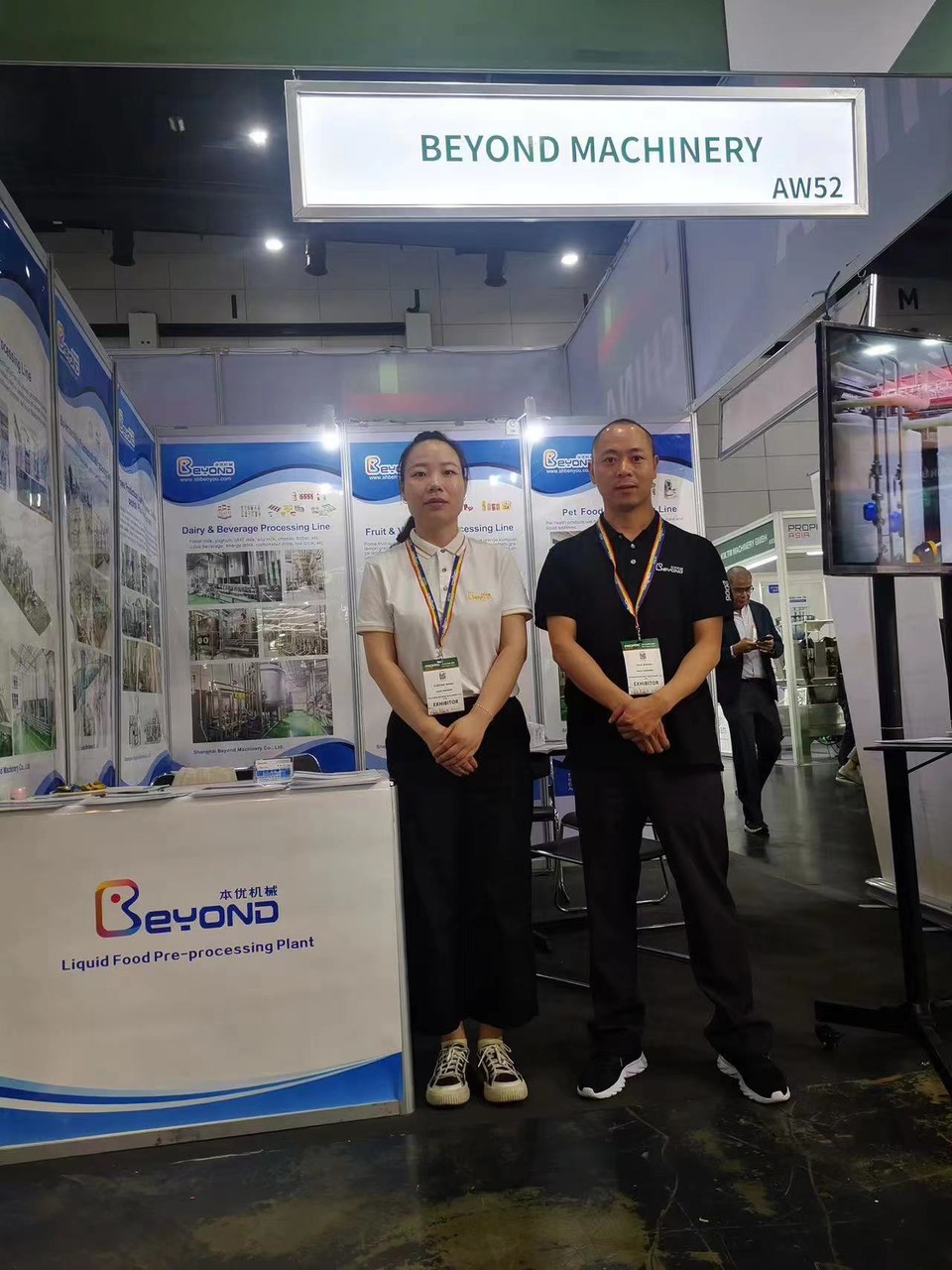
Overturning tradition and surpassing imagination - Beyond Machinery makes a stunning debut at PROPAK ASIA with the latest generation of intelligent pre-processing solutions!
In this rapidly changing era of technology, Shanghai Beyond Machinery Co., Ltd. has always been at the forefront of the industry, committed to providing the most efficient and intelligent food pre-treatment solutions for the global market. This time, we bring the latest technological achievements and make a strong debut at the largest processing and packaging technology exhibition in Asia - PROPAK ASIA!
Highlights and Reveals
Intelligent Fruit and Vegetable Processing Line: Experience our latest fully automated fruit and vegetable processing line, how to improve production efficiency while ensuring low cost and precise control of the production line.
Environmental production line solutions: In response to the call for a green earth, we have brought production line equipment that reduces material consumption and can be recycled, helping enterprises achieve sustainable development goals.
Customized service display for food production lines: No matter how unique your needs are, our professional team can provide one-on-one customization services, from design to implementation, escorting you throughout the process.
Live interactive experience: Attend the scene in person, participate in interactive demonstrations, and intuitively experience how Beyond Machinery integrates technology into every detail of the production line, making the future come now.
We not only showcase our products, but also showcase the future. Here, you will witness firsthand how technological innovation can drive the food processing industry into a new era of intelligence and sustainability.
Cooperation and communication, creating brilliance together
PROPAK ASIA is not only a stage to showcase the latest technology, but also a bridge for industry exchange and cooperation. We sincerely invite domestic and foreign partners, customers, and industry colleagues to visit the booth, jointly explore the trends, challenges, and opportunities of the packaging industry, and work together to open a new chapter of win-win cooperation.
Shanghai Beyond Machinery Co., Ltd.
Beyond Machinery specializes in the design and manufacturing of Fruit and Vegetable Processing Line.Please contact us now, and our professional technical engineers will customize the equipment plan for Fruit and Vegetable Processing Line and provide a quotation. Please contact us now to obtain the latest equipment plan and quotation.
6/14, 2024

Revolutionizing Production: The Technicalities Behind Blueberry Oatmeal Yogurt Processing Lines
Blueberry oat yogurt, as a healthy snack or breakfast choice that combines fruits, grains, and dairy products, integrates multiple stages of food processing in its production process, mainly including the following key steps:
Raw material preparation: • Milk source processing: Firstly, fresh or refrigerated milk needs to be collected and processed to ensure its quality meets food safety standards. This step may include filtering, standardization (adjusting fat content), pasteurization, etc.
• Blueberry processing: Fresh or frozen blueberries need to be cleaned, selected to remove impurities, and some may also need to be crushed into blueberry jam or blueberry granules, depending on the final product form.
Oat processing: Oats need to be baked, cut, or crushed to become ready to eat oatmeal and may be lightly seasoned Mixing ingredients: According to the formula, mix the processed milk, blueberry ingredients, oatmeal, fermentation agents (usually lactic acid bacteria), sweeteners (if needed), stabilizers, thickeners, etc. evenly.
• Fermentation: • Fill the mixed material into a container and then send it into the fermentation chamber to ferment at a suitable temperature (usually 42-45 ° C) for several hours until the desired acidity and texture are achieved Cooling and adding fruit ingredients: After fermentation is completed, the product needs to be cooled to stop the fermentation process and allow the yogurt to solidify. After cooling, according to the product design, blueberry granules, whole blueberries or blueberry sauce, as well as oatmeal can be added, sometimes before or after packaging.
• Packaging: In order to maintain product quality and extend shelf life, cooled blueberry oat yogurt will be automatically filled into pre disinfected packaging, such as plastic cups, bags, or bottles, and sealed.
• Quality inspection and delivery: The packaged products will undergo quality inspection, including appearance, taste, microbiological indicators, etc., to ensure compliance with food safety standards before they can be shipped for sale.
• Cold chain logistics: As yogurt is a perishable food, it needs to be transported and stored in a cold chain throughout the entire process from the factory to the hands of consumers, maintaining low temperatures to ensure product quality.
The use of automation equipment is crucial throughout the entire production process, including automated filling lines CIP (Clean in Place) system, temperature controlled fermentation chamber, rapid cooling equipment, and modern packaging line to ensure efficiency and hygiene standards.
Technical highlights of blueberry oat yogurt production line
The blueberry oat yogurt production line integrates modern food processing technology with the concept of healthy eating, and its technical highlights are mainly reflected in the following aspects:
1. Automation and Intelligence: The production line adopts a highly automated control system, which reduces manual intervention and improves production efficiency and safety throughout the entire process from raw material reception, processing, mixing, fermentation, filling to packaging. The intelligent management system can monitor the production status in real time, optimize the production process, and ensure product quality consistency.
2. Low temperature short-term sterilization technology (UHT): During the milk source processing stage, the use of low temperature short-term sterilization technology can effectively kill harmful microorganisms while retaining the natural nutrients and flavor of milk to the maximum extent, creating a good foundation for subsequent fermentation.
3. Aseptic filling technology: Ensure filling in a sterile environment, extend product shelf life, without the need for additional preservatives, and meet consumer demand for natural and healthy food.
4. Precision ingredient system: By utilizing advanced measurement and ingredient technology, we ensure that the proportion of blueberries, oats, and other excipients in each batch of products is accurate, ensuring the stability of product flavor and nutritional value.
5. Efficient mixing and homogenization technology: Through efficient mixing equipment, blueberry grains, oat fragments, and yogurt base are fully and uniformly mixed. At the same time, homogenization treatment improves the delicacy of yogurt taste, making it smoother.
6. Rapid fermentation and temperature control technology: Using an accurate temperature control system to maintain a constant fermentation temperature, accelerate the fermentation process of lactic acid bacteria, and ensure that the active ingredients in the fermentation process are maximized to enhance the nutritional value of yogurt.
7. Environmental and energy-saving design: Modern production lines focus on energy conservation and emission reduction, using energy-saving equipment and recycling systems to reduce water and energy consumption, and reduce the impact of production on the environment.
8. Flexibility and Customization: The production line has the ability to adjust flexibly and can quickly produce blueberry oat yogurt with different flavors and packaging specifications according to market demand, meeting the diverse needs of consumers.
9. Food Safety Traceability System: Establish a full chain traceability system from raw materials to finished products to ensure food safety. Once problems are found, they can be quickly identified and measures taken to protect consumer health.
These technological highlights not only improve the production efficiency and product quality of blueberry oat yogurt, but also enhance the market competitiveness and consumer trust of the product.
The installation and debugging of blueberry oat yogurt production line is a complex and specialized engineering process, involving multiple links and equipment. The following are the general steps of the process:
1. Planning and Design • Requirements Analysis: Firstly, it is necessary to clarify the production scale, product specifications, target market, and quality standards, which will determine the overall design of the production line Layout design: Based on the factory conditions, design the layout of the production line, including the raw material receiving area, pretreatment area, fermentation area, mixing area, filling area, packaging area, and quality control area Equipment selection: Select suitable equipment such as cleaning machines, sterilization machines, fermentation tanks, mixers, filling machines, sealing machines, labeling machines, and packaging machines.
2. Installation preparation • Infrastructure construction: Ensure that the factory meets hygiene standards, the floor, walls, and ceiling meet food processing requirements, and complete the installation of infrastructure such as water, electricity, and ventilation Equipment arrival inspection: After the equipment arrives at the site, an unboxing inspection is carried out to confirm the equipment model, quantity, and completeness of accessories, in order to avoid missing parts during installation.
3. Equipment installation, positioning and assembly: Install each equipment in place according to the design drawings, including fixation, horizontal adjustment, and connection work Pipeline laying: material conveying pipelines Lay and connect CIP cleaning pipelines, steam pipelines, condensate pipes, etc. to ensure no leaks Electrical and automation system installation: including electrical control cabinets, sensors PLC programming HMI human-machine interface, etc., to achieve automated control of the production line.
4. Debugging and optimization • Single machine debugging: Conduct separate debugging on each device to ensure that it can operate normally and achieve the predetermined performance indicators Linkage debugging: Connect various devices in series for whole line linkage debugging, check whether the connection of each link is smooth, and solve possible problems such as lagging and blockage Process debugging: Adjust the formula ratio, temperature, time and other parameters to ensure that the final product's taste, texture, and stability meet the expected standards Cleaning and disinfection: During and after the debugging process, thoroughly clean and disinfect the entire production line to ensure food safety.
5. Employee training • Operation training: Provide training to operators on equipment operation, maintenance, safety regulations, and other aspects Quality control: Train quality management personnel, establish and improve quality management systems, and ensure product quality.
6. Trial production and acceptance • Small batch trial production: Conduct small-scale trial production, collect data, evaluate production efficiency, product quality, and cost-effectiveness Formal acceptance: Based on the trial production results, adjust and optimize, and finally pass third-party testing or customer acceptance, officially put into production.
The entire installation and debugging process requires close cooperation from a professional team, and may also require technical support from the manufacturer. In addition, it is necessary to comply with local food safety regulations and industry standards.
Shanghai Beyond Machinery Co., Ltd.
Beyond Machinery specializes in the design and manufacturing of Yogurt Processing Lines.Please contact us now, and our professional technical engineers will customize the equipment plan for Yogurt Processing Lines and provide a quotation. Please contact us now to obtain the latest equipment plan and quotation.
5/31, 2024
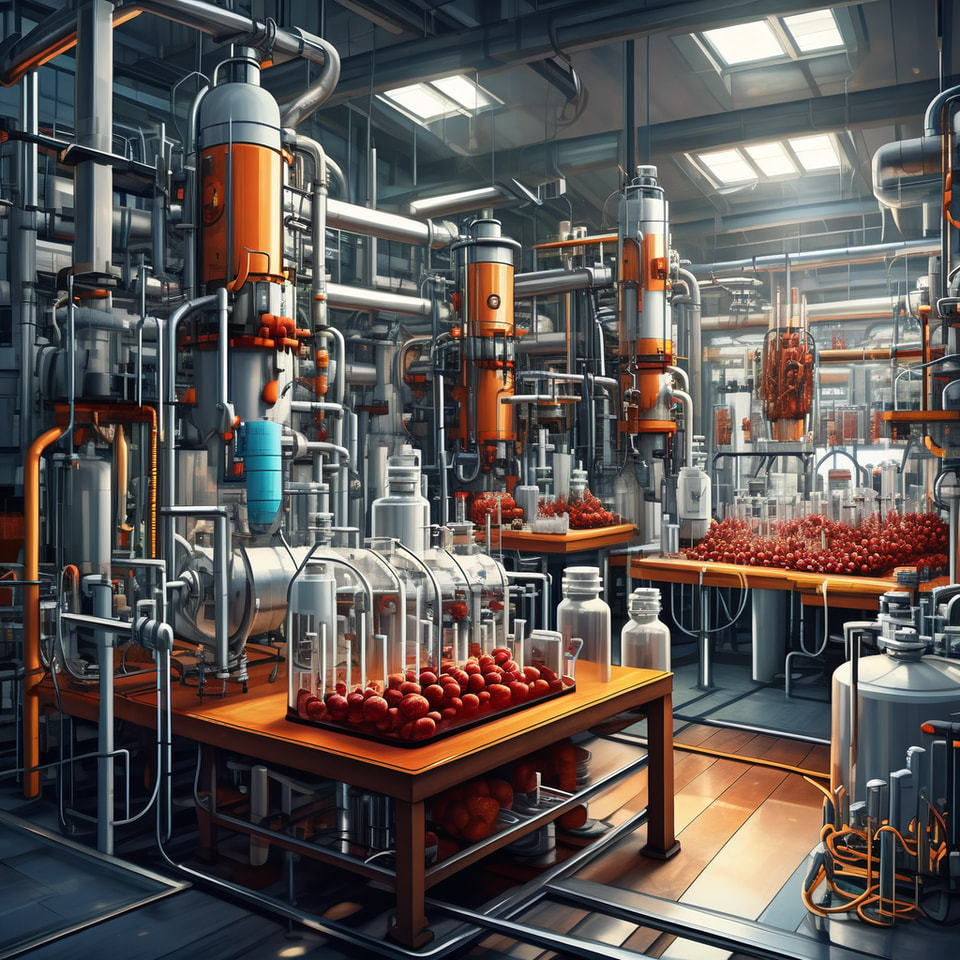
Microbial Factory: The Technological Charm of Efficient Biopharmaceutical Fermentation Tanks
The biopharmaceutical fermentation tank is an indispensable key equipment in the biopharmaceutical industry, mainly used for microbial or cell culture to produce biological products such as vaccines, antibodies, enzymes, bioactive substances, etc. This type of equipment is designed with precision and can provide a strictly controlled environment to optimize the fermentation process.
Here are some characteristics and information about biopharmaceutical fermentation tank equipment:
1. Design and structure: Fermentation tanks are usually made of stainless steel material, ensuring sterility and corrosion resistance. Milo plates or labyrinth jackets are often installed on the tank body, allowing heating or cooling media to circulate through, thereby achieving precise temperature control. This is crucial for the growth of aerobic and anaerobic microorganisms.
2. Specifications and application scope: The capacity of fermentation tanks is diverse, ranging from small laboratory fermentation tanks of 300 liters to industrial production fermentation tanks of 15000 liters or even larger, to meet the production needs of different scales. They are widely used in dairy products, beverages, and a wider range of biotechnology fields.
3. Control System: Modern fermentation tanks are equipped with advanced control systems for monitoring and adjusting thermal and biochemical parameters, such as temperature PH value, dissolved oxygen level, stirring speed, etc. ensure efficient and stable fermentation process. These systems help maintain ideal microbial growth conditions, improve product yield and quality.
4. Flexibility of operation: The fermentation tank can be divided into aerobic and anaerobic types according to the characteristics of the cultivated microorganisms, and has the function of air sterilization (i.e. empty tank sterilization) to ensure sterility before each use. During non use, it is necessary to drain the remaining water in the tank and pipeline to prevent pollution.
As one of the key equipment in the biotechnology industry, the biopharmaceutical fermentation tank integrates multiple advanced technologies to ensure efficient, safe, and controllable fermentation processes.
Here are some technical highlights:
1. Precision control and automation: Modern biopharmaceutical fermentation tanks are equipped with advanced control systems, such as PLC (Programmable Logic Controller) and DCS (Distributed Control System), which can accurately control the temperature during the fermentation process Key parameters such as pH value, dissolved oxygen (DO), stirring rate, pressure, etc. These systems can automatically adjust to ensure optimal fermentation conditions, improve product quality and yield.
2. Efficient heat exchange system: Fermentation tanks are usually designed with a Milo plate or labyrinth jacket structure, which can efficiently heat or cool, ensuring stable temperature control. This design allows the medium to circulate within the jacket, reducing energy consumption while improving reaction efficiency.
3. Aseptic operation and pollution prevention design: In order to avoid bacterial contamination, the fermentation tank adopts a strict aseptic design concept, including CIP (on-site cleaning) and SIP (on-site sterilization) systems, as well as advanced filtration and sealing technology, effectively preventing external pollutants from entering and ensuring the purity of the fermentation process.
4. Materials and Corrosion Resistance: The main materials of the fermentation tank are mostly made of high-quality stainless steel such as 304, 1cr18Ni9Ti, etc. These materials not only have strong corrosion resistance but also comply with GMP (Good Manufacturing Practice) standards, ensuring product safety and long-term stability of the equipment.
5. Modularization and flexibility: Many fermentation tanks are designed with a modular structure, which can quickly adjust capacity and configuration according to production needs, adapting to different stages from small-scale laboratory research to large-scale industrial production.
6. Energy conservation and emission reduction: Modern fermentation tank design focuses on energy efficiency, using energy-saving mixing systems and heat exchange technology to reduce energy consumption, while reducing production costs and environmental impact.
7. Online monitoring and data analysis: The integrated sensors and data collection system can monitor various indicators during the fermentation process in real time. Combined with bioinformatics analysis, it achieves refined management of the fermentation process and timely adjusts strategies to respond to abnormal situations.
8. Compatibility and Scalability: In order to adapt to the rapid development of the biopharmaceutical industry, the design of fermentation tanks considers compatibility with other biological manufacturing equipment and downstream processing systems, facilitating technological upgrades and process optimization.
These technological highlights have jointly driven the biopharmaceutical industry towards a more efficient, environmentally friendly, and intelligent direction.
Installation and commissioning of biopharmaceutical fermentation tanks
The installation and debugging of biopharmaceutical fermentation tanks are important steps to ensure their normal operation and achieve expected production goals, mainly including the following steps:
1. Location selection and size confirmation: Firstly, select a suitable installation location and determine its size based on the specifications and terrain conditions of the fermentation tank. This step requires consideration of the convenience of equipment feeding and discharging, maintenance space, and coordinated layout with other production equipment.
2. Basic construction: Prepare basic materials such as concrete or bricks according to the design drawings for basic construction. The foundation must be able to withstand the weight of the fermentation tank when fully loaded and the dynamic load generated during operation, ensuring stability and non tilting.
3. Tank installation: Place the fermentation tank on a prepared foundation and securely secure the tank with bolts. This step requires ensuring that the tank body is level to avoid problems caused by imbalance during subsequent operation.
4. Pipeline and system connection: connect the inlet and outlet of the fermentation tank, ventilation system, and possible sterile air supply system. All connecting parts must be sealed to prevent leakage, and pressure testing should be conducted to check for any air leakage.
5. Electrical and control system installation: Install electrical control components such as motors, controllers, and instruments, and complete the laying of electrical circuits. Conduct preliminary system debugging, including sensor calibration, program settings, etc., to ensure that the control system can accurately monitor and regulate the fermentation process.
6. Inspection and debugging: After all hardware installations are completed, conduct a comprehensive equipment inspection and confirm that there are no errors before starting debugging. This includes single machine trial operation, linkage trial operation, and testing under simulated fermentation conditions to ensure smooth operation of all systems, with various parameters such as temperature Control the pH value, dissolved oxygen, etc. within the predetermined range.
7. Sterility verification and cleaning: Before formal use, sterility verification is also required to ensure that the entire system is in a sterile state. At the same time, develop and implement CIP and SIP procedures to verify the effectiveness of cleaning and sterilization, and prepare for production.
8. Personnel training: Operators need to receive professional training to understand the operation process, maintenance points, and emergency measures of the fermentation tank, to ensure safe and efficient use of equipment.
During the installation and debugging process, strict adherence to the installation guidelines provided by the manufacturer and relevant national safety regulations should be followed. If necessary, professional technical personnel should be invited to provide guidance to ensure the safe and stable operation of the fermentation tank.
Shanghai Beyond Machinery Co., Ltd.
Beyond Machinery specializes in the design and manufacturing of biopharmaceutical fermentation tank.Please contact us now, and our professional technical engineers will customize the equipment plan for biopharmaceutical fermentation tank and provide a quotation. Please contact us now to obtain the latest equipment plan and quotation.
5/30, 2024
Beyond Machinery at the 30th Annual Conference of China Dairy Industry Association & 2024 China (International) Dairy Technology Expo
On this brilliant stage that gathers global dairy industry elites, Beyond Machinery, together with cutting-edge technology and excellent manufacturing, sincerely invites you to participate in the grand event of the 2023 China (International) Dairy Technology Expo.
As a leading mechanical equipment manufacturer in the industry, we not only participate in exhibitions, but also bring a feast of innovation and industrial upgrading in dairy processing technology.
Exploring Future Dairy Technology: At this expo, Beyond Machinery will unveil the mysterious veil of a series of revolutionary dairy processing equipment. Beyond Machinery showcases multiple innovative products on the exhibition stand, including steam direct injection sterilizers, vertical melting pots, vacuum mixers, and laboratory complete sets of equipment. Each product represents our ultimate pursuit of quality, aiming to help dairy enterprises improve production efficiency, ensure food safety, and achieve environmentally friendly and sustainable development.
At the Beyond Machinery booth, you will have the opportunity to experience how to achieve precise control and remote monitoring of the production process through advanced technologies such as the Internet of Things and big data. Our intelligent management system makes factory management more transparent and decision-making more scientific, leading the dairy industry into a new era of intelligent manufacturing.
Let's work together to create a win-win future. We believe that technological innovation is the core driving force behind the development of the industry. Beyond Machinery looks forward to in-depth communication with every participant, discussing industry trends together, sharing successful cases, and seeking opportunities for cooperation. Whether it's manufacturers seeking technological solutions or experts dedicated to dairy research, this will be an ideal platform to inspire inspiration and promote collaboration.
Exhibition Information Express
Time: May 27th to May 29th
Location: Changsha International Convention and Exhibition Center
Booth number: E3-4
Let's meet at the China (International) Dairy Technology Expo to witness how Beyond Machinery redefines the future of dairy processing in the name of technology. See you, never part!
Shanghai Beyond Machinery Co., Ltd.
Beyond Machinery specializes in the design and manufacturing of dairy processing equipment. Please contact us now, and our professional technical engineers will customize the equipment plan for dairy processing equipment and provide a quotation. Please contact us now to obtain the latest equipment plan and quotation.
5/28, 2024
