
Leading the Way: Beyond Machinery's Cutting-Edge Solutions at the 2024 CBB Exhibition
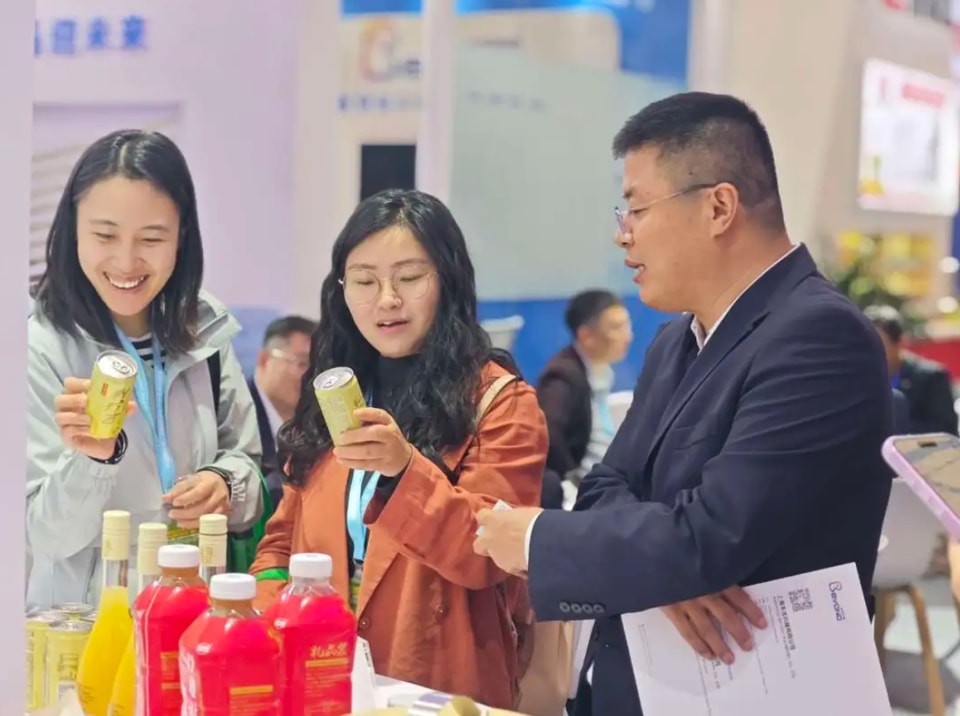
The China International Wine and Beverage Manufacturing Technology and Equipment Exhibition will be held at the Shanghai New International Expo Center from October 28th to 31st, 2024. At this exhibition, Beyond brought well-known Beyond products such as laboratory complete sets of equipment, 12T/H steam direct injection sterilization machine, 1T vacuum mixing machine, double channel pulping machine, deactivated pulping machine, 50L bioreactor, etc., witnessing the new innovation and breakthrough of Beyond liquid product technology together.
This year's China International Wine and Beverage Manufacturing Technology and Equipment Exhibition has ushered in an autumn craze, with an overwhelming number of attendees. Beyond Machinery closely follows the latest changes and trends in the liquid food industry, presenting high-end overall solutions at the China International Wine and Beverage Manufacturing Technology and Equipment Exhibition, jointly welcoming the rise of the liquid food related industry in the new era, injecting new momentum into the industry's development with better market response, and creating new opportunities.
Our high-performance liquid food related equipment has become a major highlight in the industry. In addition to eye-catching exhibits, the Beyond exhibition also features exciting activities such as on-site tasting and paying attention to gifts, allowing more customers and audiences to learn about Beyond products.
Many new and old customers and industry experts came to our booth to visit and negotiate, exchanging the latest information. Excellent performance products, warm and appropriate reception, thoughtful and attentive service, harmonious communication, have deepened the emotions and friendships with customers and friends.
The wonderful appearance of our excellent exhibits and the professional explanations of our technical and business personnel have attracted a large number of viewers to stop and watch, and engage in in-depth exchanges. Our staff and domestic and foreign clients jointly discussed the development trend of liquid product manufacturing such as alcohol and beverages, demonstrating our professional technical strength and wholehearted service spirit for customers, which has been unanimously recognized by many customers.
October 28th to October 31st
Shanghai New International Expo Center
Booth W5-B18
Beyond Machinery looks forward to your visit!
10/29, 2024
The Blueprint for Success: A Detailed Milk Processing Plant Layout and Equipment List
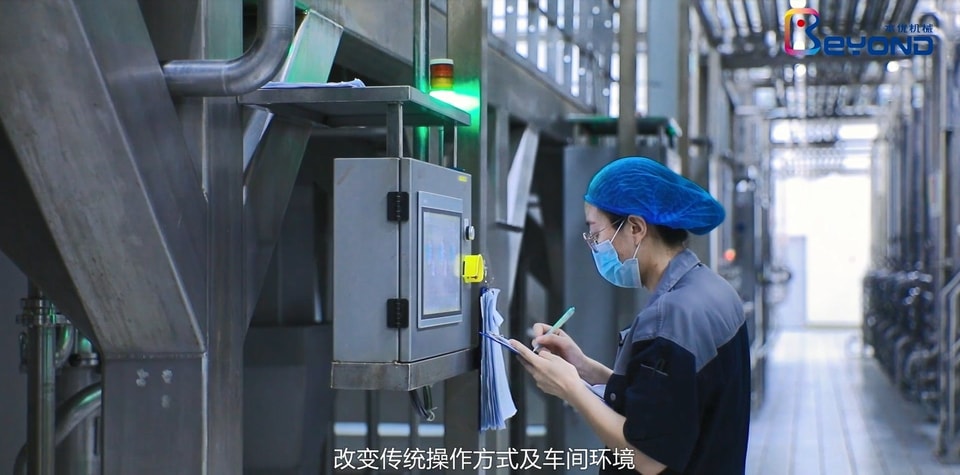
The layout design of dairy processing plants is very important, as it not only affects production efficiency, but also directly impacts product quality and hygiene safety. A typical layout of a dairy processing plant typically includes the following main areas:
1. Raw material receiving area: used for receiving and storing fresh milk or other raw materials.
2. Pre processing area: includes steps such as filtration, standardization (adjusting fat content), and pasteurization.
3. Processing area:
• Separation and standardization: Use a centrifuge to separate cream from skim milk and adjust the fat content according to product requirements.
Homogenization: By using high pressure to make fat globules smaller, it prevents fat from floating up and maintains the uniformity of the product.
• Heat treatment: such as pasteurization or ultra-high temperature instantaneous sterilization (UHT), to ensure product safety and sterility.
4. Fermentation/Maturation Zone: A place suitable for making fermented dairy products such as yogurt and cheese.
5. Packaging area: Complete the final packaging of the product, including filling, sealing, labeling and other processes.
6. Finished product storage and shipping area: Store packaged finished products and prepare them for shipment to the market.
7. Quality Control Laboratory: Testing raw materials and finished products to ensure compliance with food safety standards.
8. Office area: an office for management and technical personnel to use.
9. Auxiliary facilities: including changing rooms, restrooms, canteens, etc.
Design points
Clear streamline: Ensure smooth material flow from raw material receipt to finished product delivery, avoiding cross contamination.
Clear zoning: There should be clear isolation measures between different functional areas, especially between clean and non clean areas.
Easy to clean and maintain: The equipment layout should be convenient for daily cleaning and disinfection, reducing dead corners.
Compliance with regulations: All designs must comply with the requirements of local laws and regulations related to food safety production.
If you have specific project requirements or would like to learn more details, such as the layout of certain types of dairy production lines, please provide more information and I will do my best to provide you with more detailed guidance.
There are various types of dairy processing equipment, and the specific choice depends on the type of dairy products you want to produce (such as fresh milk, yogurt, cheese, etc.) and the production scale. The following is a list of the main equipment that a typical dairy processing plant may require:
1. Raw material reception and storage
Raw milk storage tank: used for temporarily storing milk collected from the farm.
Cooling equipment: Ensure that milk is kept at a low temperature during storage to prevent bacterial growth.
2. Preprocessing
Filter: Remove impurities and large particles from milk.
Standardized equipment: Adjust the fat content in milk to meet product requirements.
Pasteurization machine: kills most harmful microorganisms by heating while preserving nutrients as much as possible.
Homogenizer: Crush fat balls into smaller particles to make milk more uniform and stable.
3. Separation and concentration
Centrifugal separator: Separate cream and skim milk.
Evaporator: Concentrate milk or whey to reduce moisture content.
4. Fermentation
Fermentation tank: used for the fermentation process of fermented dairy products such as yogurt and cheese.
Incubator: Control temperature and humidity to provide suitable conditions for fermentation.
5. Heat treatment
Ultra high temperature instant sterilization (UHT) system: kills all microorganisms in a short period of time at extremely high temperatures, extending the shelf life of products.
Aseptic filling line: Filling is carried out in a sterile environment to ensure that the product is not contaminated.
6. Packaging
Filling machine: Automatically pour liquid dairy products into bottles, bags, or boxes.
Sealing machine: Seal containers to ensure the safety of products during transportation and storage.
Labeling machine: Attach labels to packaged products, including brand information, ingredient list, production date, etc.
Stacking machine: Stack packaged products into pallets for easy handling and storage.
7. Finished product storage
Cold storage/freezer: Provide storage environments at different temperatures according to product requirements.
Shelves: Used for storing finished products, facilitating management and shipping.
8. Quality control
Laboratory instruments: including microscopes, pH meters, fat analyzers, etc., used to detect the quality of raw materials and finished products.
Online detection system: Real time monitoring of key parameters on the production line, such as temperature, pressure, etc.
9. Auxiliary equipment
Cleaning and disinfection equipment: used for cleaning and disinfecting production equipment to ensure hygiene and safety.
Compressed air system: provides power for various pneumatic equipment.
Water treatment system: Ensure that the factory's water meets the process requirements.
Wastewater treatment facilities: Treat wastewater generated during the production process to protect the environment.
10. Other specialized equipment
Cheese manufacturing equipment: including rennet addition device, press machine, etc.
Ice cream production equipment: including mixers, aging tanks, hardening chambers, etc.
These are the main equipment commonly found in dairy processing plants. If you have specific needs or would like to learn more detailed information about a certain device, please let me know and I will further assist you.
Shanghai Beyond Machinery Co., Ltd.
Beyond Machinery specializes in the design and manufacturing of Milk Processing Plant.Please contact us now, and our professional technical engineers will customize the equipment plan for Milk Processing Plant and provide a quotation. Please contact us now to obtain the latest equipment plan and quotation.
10/29, 2024

Shanghai Beyond Machinery Shines at Canton Fair in October 2024
Guangzhou, China - In the golden autumn of October, the 136th China Import and Export Fair (Canton Fair), which attracted worldwide attention, grandly opened at the Pazhou Convention and Exhibition Center in Guangzhou, attracting thousands of companies from around the world to actively participate. At this international economic and trade event, Beyond Machinery Co., Ltd. from Shanghai became one of the highlights of the exhibition with its innovative technology and high-end manufacturing strength, showcasing the charm and strength of Chinese manufacturing.
Innovative products lead the industry trend
Shanghai Beyond Machinery, as a leading mechanical equipment manufacturer in China, made a brilliant appearance with its latest developed intelligent jujube processing line and a series of efficient and environmentally friendly mechanical equipment. The red date processing solutions exhibited by it have achieved full process automation from cleaning, grading, de nucleating to drying and packaging, greatly improving production efficiency and ensuring food safety and hygiene, winning widespread attention and high praise from domestic and foreign buyers.
Green environmental protection concept highlights corporate responsibility
Against the backdrop of green environmental protection becoming an increasingly global consensus, Beyond Machinery actively responds to the national "carbon peak and carbon neutrality" strategic goals, and the machinery and equipment launched adopt energy-saving designs, reducing energy consumption while paying more attention to waste disposal in the production process, demonstrating the company's commitment to sustainable development. At the exhibition site, the environmental protection equipment exhibition area of Beyond Machinery has become a hot spot for many exhibitors, reflecting the international market's recognition of China's green transformation in manufacturing.
Strengthening international cooperation and seeking future development together
The Canton Fair is known as the window for China's opening up to the outside world. Through this platform, Beyond Machinery has had in-depth exchanges and negotiations with potential customers from multiple countries and regions such as Europe, North America, and Southeast Asia. Through multiple B2B business matchmaking events, the company not only consolidated its relationships with existing partners, but also successfully explored emerging markets, laying a solid foundation for future international cooperation.
Voice of senior executives in enterprises
The exhibition manager of Beyond Machinery said in an interview, "Participating in the 2024 Canton Fair is an important market expansion opportunity for us. We hope to use this international platform not only to showcase our products and services, but more importantly, to convey our commitment to technological innovation and sustainable development. In the future, Beyond Machinery will continue to invest in research and development, provide more intelligent and green mechanical equipment for global customers, and work together to create a more prosperous global industrial chain
Looking ahead to the future, full of confidence
The successful debut at the Canton Fair not only enhanced the brand awareness of Shanghai Beyond Machinery, but also brought abundant international cooperation resources to the company. Facing the future, Beyond Machinery is full of confidence and will continue to uphold the spirit of craftsmanship, guided by market demand, continuously break through technological barriers, promote China's machinery and equipment manufacturing industry to the world, and contribute Chinese strength to global intelligent manufacturing.
Booth Number: 18.1D16
10/15, 2024
Shanghai Beyond Machinery Clinches Week three Sales Crown in Alibaba's September Procurement Festival
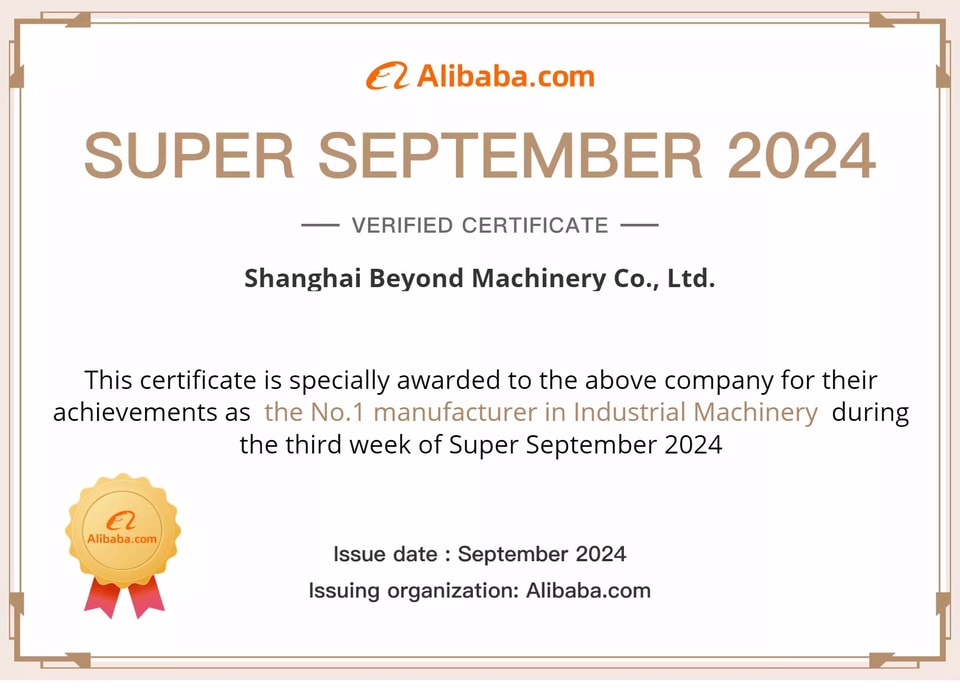
Shanghai, October 12, 2024- Shanghai Beyond Machinery Co., Ltd. stood out as the sales champion for the third week at this year's Alibaba September Purchasing Festival.
This annual event is the cornerstone of domestic and foreign market trade and commerce, witnessing unprecedented participation from domestic and foreign enterprises, making the achievements of Beyond Machinery even more remarkable.
Victory of Innovation and Quality
Shanghai Beyond Machinery is an advanced enterprise in the food machinery industry, occupying a place in the market. During the one month sales festival, it demonstrated its commitment to innovation and customer satisfaction by providing various high-quality products. It has been proven that the company's strategic focus on advanced technology and customization capabilities in production lines helps attract the attention of buyers seeking the most advanced solutions. Record breaking sales performance, Beyond Machinery's product line, including its newly launched energy-saving production line equipment and precision engineering machinery components, has experienced a surge in demand. The company has surpassed previous records, performed better than its competitors, and consolidated its advantageous position in the international market. This achievement highlights the effectiveness of the company's marketing strategy and the robustness of its supply chain management, particularly in the face of ongoing challenges posed by global supply chain disruptions. The success of Beyond Machinery can be attributed to its unwavering attention to customer needs.
By utilizing Alibaba's digital platform, the company has successfully established connections with a wide range of buyers, providing tailored solutions and 24/7 support. Factory visits, on-site customer demonstrations, virtual equipment visits, and real-time consultations are many interactive measures to enhance buyer experience and cultivate brand trust.
Enhance the image of China's manufacturing industry
The outstanding performance of the company not only highlights the success of its marketing strategy, but also makes significant contributions to enhancing the global image of "Made in China" products. The victory of Beyond Machinery proves the resilience and technological progress of China's manufacturing industry, and further consolidates the key position of Chinese manufacturing on the international manufacturing stage.
Looking ahead to the future, Shanghai Beyond Machinery will achieve even better results. The company plans to reinvest its earnings in future innovative research and development, and expand its global service network with the aim of maintaining its momentum and continuing to provide excellent services. The team of Beyond Machinery expresses gratitude for the steadfast support of all customers and partners, and looks forward to cultivating these relationships in the coming years.
In short, Beyond Machinery's victorious journey at Alibaba's September Procurement Festival is a beacon of industry strength and a proof of its strategic alignment with digital platforms. As the company prepares for future challenges and opportunities, he remains committed to driving the development of the machinery industry, cultivating partnerships, and rapidly growing himself.
10/12, 2024
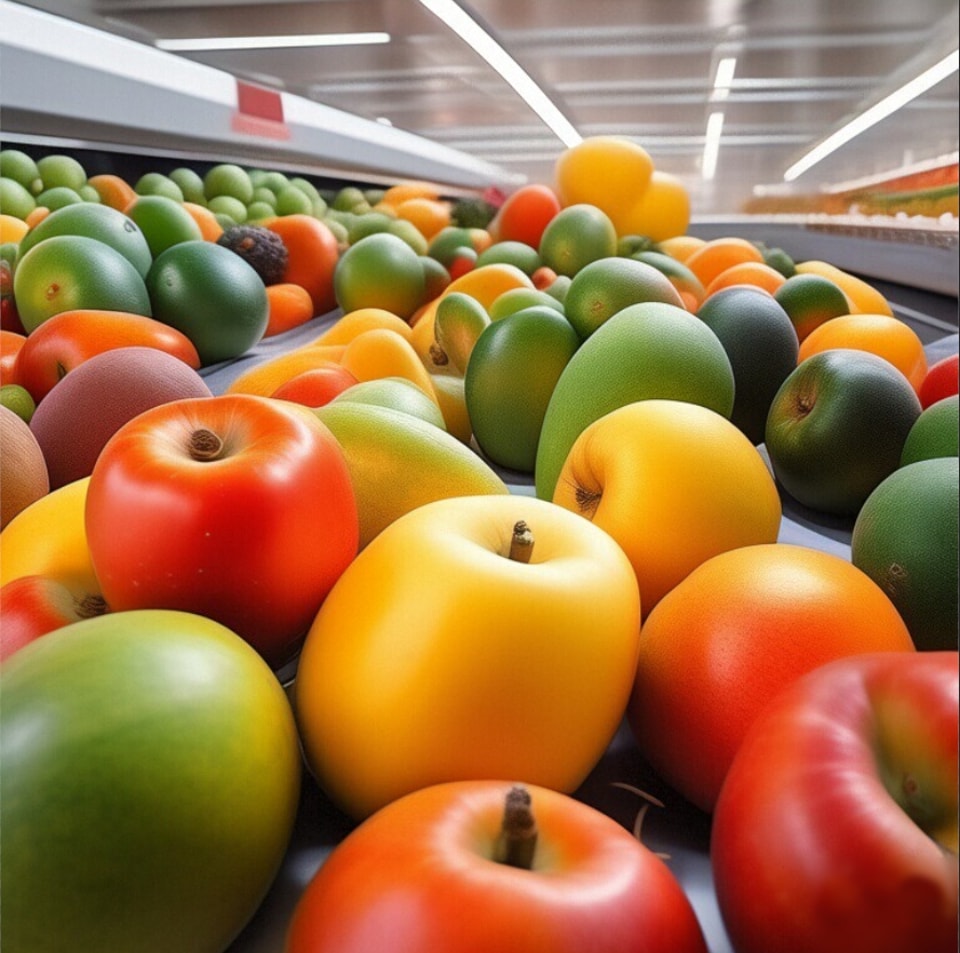
Juicy Paradise: Innovating Tropical Fruit Processing
The factory planning for tropical fruit processing lines is a comprehensive project that involves multiple aspects such as site layout, process design, equipment configuration, logistics flow, quality control, safety and hygiene. The following is a step-by-step planning guide:
1. Requirement analysis and goal setting:
• Clearly define the types of processed products (such as fresh fruit packaging, frozen products, juice, dried fruits, etc.) and target markets.
Evaluate expected output, product standards, and quality requirements.
• Determine initial and future capacity expansion plans.
2. Site selection and factory layout:
Choose a location with convenient transportation, close proximity to the raw material production area, and compliance with environmental protection requirements.
Plan the functional areas of the factory, such as raw material receiving area, pre-processing area, processing area, packaging area, refrigerated storage area, office area, etc., to ensure compliance with food safety regulations and reasonable pedestrian flow.
3. Process flow design:
Design a complete processing flow from raw material storage to finished product storage based on product type, including cleaning, grading, peeling and slicing, processing, packaging, refrigeration, and other links.
• Determine key equipment requirements, such as sorting machines, cutting machines, juicers, sterilizers, automatic packaging machines, etc.
4. Equipment selection and layout:
Select equipment that meets production efficiency and product quality requirements, consider automation and flexibility, and ensure ease of cleaning and maintenance.
Equipment layout should follow the principle of material flow, reduce the risk of cross contamination, and optimize logistics efficiency.
5. Planning of supporting facilities:
Ensure stable water, power, and gas supply, and plan reasonable waste disposal and environmental protection facilities.
Design appropriate temperature and humidity control measures, especially for refrigeration and freezing areas.
6. Safety management and quality control:
Establish quality monitoring points, equipped with necessary inspection instruments and laboratories.
Develop a safety production system, including employee training, emergency response plans, etc.
7. Economic feasibility analysis:
Detailed budget investment costs, including land, construction, equipment procurement, operating costs, etc.
Predicting economic benefits, including income forecasting, cost analysis, investment return cycles, etc.
8. Environmental and Social Responsibility:
Ensure that the factory design meets environmental standards and considers energy-saving and emission reduction measures.
• Consider social impact, promote local employment, and implement sustainable development strategies.
Considering the diversity of practical situations, you may consider hiring a professional factory planning and design company to conduct in-depth customized planning. They can provide more detailed engineering design drawings, equipment lists, and financial budget reports to ensure the smooth implementation and efficient operation of the project.
Tropical fruit processing line
The tropical fruit processing production line is a specialized system used for efficient extraction and processing of various tropical fruits, such as pineapples, mangoes, oranges, etc. This production line typically includes several key components and functions that can convert raw fruits into consumer products such as juice, pulp, concentrates, and jam.
1. Key equipment for tropical fruit processing production line
Regarding the equipment for tropical fruit processing lines, it usually involves multiple steps, including but not limited to:
Cleaning equipment: used to remove dirt and residual pesticides from the surface of fruits.
• Grading equipment: Automatically classify fruits based on their size, weight, or maturity.
Peeling and Core Removal Machine: Automatically removes the outer skin and internal hard core of specific fruits such as mangoes and pineapples.
Cutting equipment: Cut fruits into uniform sheets, blocks, or cubes to meet different processing needs.
• Juice extraction equipment: dedicated to extracting juice, maintaining natural color and nutrition.
• Freezing equipment: Quickly freeze fruits to lock in freshness, suitable for making frozen fruits.
Drying equipment: such as hot air drying, vacuum freeze-drying, etc., used for making dried fruits.
Packaging equipment: Automated packaging line to ensure product sealing and preservation.
2. Processing ability and efficiency
The production capacity of tropical fruit processing lines ranges from 1 ton to 60 tons per hour and can be customized according to production needs. Modern design emphasizes high efficiency and energy-saving features to ensure stable performance during operation.
3. Materials used
Due to its durability and corrosion resistance, most tropical fruit processing production lines use 304 stainless steel as the main material. This material is crucial for maintaining hygiene standards in food processing environments.
4. Application
The raw materials for tropical fruit processing lines mainly involve various fruits grown in tropical regions, which usually have bright colors, rich aromas, and unique tastes, including but not limited to the following categories:
1. Mango: With a soft texture and a moderate sweet and sour taste, it is commonly used to make jams, juices, dried fruits, and ice cream.
2. Pineapple: Sweet and sour, with coarse fiber, suitable for processing into juice, canned food, and candied fruits.
3. Bananas: Soft, glutinous, and sweet, easy to process, often made into dried banana slices, banana cakes, or added to baked goods.
4. Coconut: a versatile fruit. Coconut water can be consumed directly, and coconut meat can be used to make coconut milk, coconut paste, and candies.
5. Papaya: Rich in papain, it is commonly used in making beverages, jams, as well as in cooking and beauty products.
6. Durian: Known for its strong aroma and rich nutritional value, processed products include dried durian, durian ice cream, and durian cake.
7. Passion fruit (passion fruit): Sweet and sour, rich in vitamin C, widely used in fruit juice, yogurt, and tea drinks.
In terms of products, tropical fruits are processed into a variety of products aimed at meeting the needs of different markets and consumers, mainly including:
Fresh cut fruits: Fruit chunks or strips designed for instant convenience, cleaned, cut, and packaged Frozen fruits: Quickly frozen to lock in freshness for long-term preservation, widely used in the catering industry and home cooking.
• Fruit juice and pulp: Pure fruit or mixed fruit juice can be consumed directly as beverages and is also an important raw material for the food industry.
Dried fruits and candied fruits: extend shelf life through drying or sugar soaking, making them easy to carry and consume.
Canned products: Fruits are sealed in cans after pre-treatment and can be stored for a long time at room temperature.
Jam and jelly: used as bread spreads or dessert toppings to enhance food flavors.
Baking and Confectionery Products: Incorporating fruits into cakes, cookies, chocolates, etc. to increase flavor diversity.
5. Services Provided
We will provide additional services such as on-site installation, equipment debugging, and operator training to ensure smooth operation of the machining line after setup.
The installation and debugging of tropical fruit processing lines is a complex and professional process, typically involving the following key steps:
1. Preliminary planning: Select appropriate equipment models and production line configurations based on factory layout, production needs, and budget. This step may require close communication with suppliers to ensure that the equipment can meet the processing needs of specific fruits.
2. Infrastructure: Construct necessary infrastructure in the designated area, such as power supply, water supply and drainage system, ground hardening, etc., to ensure the ability to support the operation of the processing line.
3. Equipment arrival and inspection: After the equipment arrives at the site, a comprehensive inspection should be conducted to confirm that the equipment is undamaged, the accessories are complete, and the equipment specifications should be checked against the contract and technical documents.
4. Installation and assembly:
Install according to the installation guidelines and drawings provided by the equipment manufacturer, which usually includes equipment positioning, fixing, and pipeline connections (such as electricity, compressed air, water, etc.).
For complex automation equipment, professional technicians may be required for assembly and calibration to ensure coordinated work between various components.
5. Electrical and control system debugging:
Connect and test all electrical circuits, including programming and debugging of PLC control systems, to ensure that the control system can accurately receive signals and control equipment actions.
Verify sensors and actuators to ensure the accuracy of feedback and control instructions.
6. Single machine and linkage testing:
Firstly, conduct individual debugging on each device to verify its functionality, such as motor operation, conveyor belt transmission, cutting accuracy, etc.
Then conduct a trial run of the entire production line linkage, observe the coordination between various equipment, adjust synchronization and timing, and ensure smooth operation of the production line.
7. Performance testing and optimization: Through trial production, the actual processing capacity and finished product quality of the production line are tested, and equipment parameters are adjusted based on the test results to optimize the production process.
8. Operation training: Provide equipment operation and maintenance training to operators to ensure that they are proficient in equipment use and daily maintenance knowledge.
9. Acceptance and delivery: After all debugging and testing work is completed, organize both parties to conduct a formal acceptance of the production line. After passing the acceptance inspection, the project delivery is completed.
Please note that the specific installation and debugging details may vary depending on different equipment manufacturers and processing requirements. If you need detailed operation guidelines or encounter specific technical problems, it is recommended to directly contact the equipment supplier for technical support.
In summary, the tropical fruit processing production line is an integrated system aimed at effectively transforming raw tropical fruits into various processing forms while ensuring high quality and safety standards throughout the entire production process.
The application of information technology in tropical fruit processing lines is mainly reflected in automation control, quality monitoring, data analysis, and management information systems
1. Automation control system: Adopting PLC (programmable logic controller) and SCADA (monitoring and data acquisition) systems to achieve automation control of the production line. These systems can monitor various parameters during the processing, such as temperature, pressure, flow rate, etc., to ensure precise and controllable processing conditions, improve production efficiency and product quality.
2. Quality monitoring technology: Through machine vision technology and sensors, the size, color, defects, etc. of fruits are automatically detected to eliminate unqualified products. In addition, techniques such as near-infrared spectroscopy (NIR) are used to quickly determine the maturity and sugar content of fruits, ensuring consistent quality of processed materials.
3. Data analysis and prediction: Using big data and artificial intelligence algorithms to analyze production data, such as output, loss rate, cost, etc., to help enterprises optimize production planning, inventory management, and supply chain. Predictive models can help predict market demand, reduce excess production and inventory backlog.
4. Traceability management system: Establish a full traceability system from raw material procurement to finished product sales, using technologies such as QR codes and RFID to record information at each stage, ensuring food safety and enhancing consumer trust.
5. ERP (Enterprise Resource Planning) and MES (Manufacturing Execution System): Integrate internal resources of the enterprise, optimize production processes, achieve integrated operations from order management, production scheduling to logistics distribution, and improve overall operational efficiency.
In order to provide a precise customized solution for tropical fruit processing lines, I will need to know the following specific information:
1. Processing scale: What is your expected annual/monthly processing volume in tons? This will determine the capacity design of the production line.
2. Target products: The types of tropical fruits you plan to process and their main processed products (such as fresh cut, frozen, canned, juice, dried fruits, etc.).
3. Spatial layout: The available area and layout sketch of the processing workshop help to design the layout scheme of the production line.
4. Automation level: Do you prefer fully automated, semi automated, or manual production lines?
5. Budget Range: The investment budget range of the project helps recommend cost-effective equipment options.
6. Special requirements: Are there any specific quality standards, food safety certifications, or environmental requirements that need to be met?
Based on the above information, we can collaborate with our production line design team to customize a comprehensive solution for you, including equipment selection, layout design, process planning, and follow-up services.
Shanghai Beyond Machinery Co., Ltd.
Beyond Machinery specializes in the design and manufacturing of Tropical fruit processing plant.Please contact us now, and ourprofessional technical engineers will customize the equipment plan for Tropical fruit processing plant and provide a quotation.Please contact us now to obtain the latest equipment plan and quotation.
9/30, 2024

Juicing Up Efficiency: The Future of Citrus - Advanced Fruit Processing Plant
The citrus fruit processing production line mainly involves a series of processes from fruit receiving, cleaning, grading, juicing to filling and packaging. The following is a brief introduction to the main components and functions of the citrus fruit processing line:
1. Reception and cleaning system: The fruit is first sent to the cleaning machine through a conveyor belt to remove surface dust and pesticide residues. This stage may include multiple steps such as soaking, brushing, and spraying.
2. Grading and screening equipment: After cleaning, citrus fruits are automatically or manually graded based on size, color, and quality. Modern production lines often use photoelectric sorting machines, which can efficiently and accurately classify.
3. Peeling and Seed Removal: For citrus fruits that require peeling, use a peeling machine to remove the skin; For citrus fruits used for juice extraction, it is necessary to further remove the seeds through a seeder to maintain the purity of the juice.
4. Juice Extraction and Filtration: The processed citrus enters the juicer to extract juice, which is then filtered through a system to remove impurities such as pulp fibers and debris, ensuring clear juice.
5. Sterilization and cooling: The squeezed juice needs to undergo instantaneous high-temperature sterilization or cold sterilization treatment to ensure food safety and extend shelf life, followed by rapid cooling to maintain taste.
6. Filling and capping: The processed juice is automatically filled into pre treated packaging bottles or boxes through a sterile filling line, and immediately capped and sealed.
7. Packaging and palletizing: The filled products are labeled and boxed as needed, and finally automatically stacked by palletizing robots to prepare for leaving the factory.
8. Quality control and inspection: There are multiple testing points throughout the entire processing process to ensure that the product quality meets food safety standards.
If you want to obtain detailed equipment recommendations, cost estimates, or production line layout designs, it is recommended to consult professional food processing equipment suppliers or engineering design companies directly. They can provide personalized solutions based on your specific needs and budget.
The main raw materials for the citrus fruit processing production line are various citrus fruits, including but not limited to oranges, pomelos, lemons, grapefruits, oranges, etc. These fruits are rich in water, vitamin C, and other nutrients, making them very suitable for producing fruit juice and pulp products.
Characteristics of raw materials:
Diversity: Different types of citrus fruits bring different tastes and aromas, laying the foundation for product diversification.
• Seasonality: Citrus fruits are mostly harvested seasonally, and storage or year-round supply strategies need to be considered.
Quality requirements: Freshness, maturity, appearance damage, and pest and disease conditions directly affect processing quality.
Final product scope:
1. Freshly squeezed fruit juice: Pure fruit juice that has not been concentrated or reduced, retaining the original flavor and nutrition of the fruit.
2. Concentrated fruit juice: obtained by evaporating water, easy to store and transport, and can be restored into beverages in the later stage.
3. Fruit pulp products: such as canned oranges, grapefruit tea, etc., containing fruit pulp or granules, suitable for direct consumption or cooking.
4. Jam and jelly: made by adding sugar and coagulants, often used as dessert ingredients.
5. Spices and essence: lemon juice, orange peel essential oil, etc., which are widely used in beverage, baking and cosmetics industries.
6. Utilization of by-products: The fruit peel can be used to extract essential oils and pectin, while the seeds may be used to extract vegetable oil or as feed materials.
Based on market research and consumer preferences, factories can flexibly adjust their product structure and develop high value-added products that meet market demand.
The technical key points of citrus fruit processing line involve improving efficiency, ensuring quality, and energy conservation and emission reduction. The following are some key technical points:
1. Intelligent sorting technology: Advanced optical sensing and artificial intelligence algorithms are used to quickly and accurately grade citrus fruits, ensuring the accuracy of fruit size, color, and defect detection, and improving product uniformity.
2. Efficient juicing and minimizing fruit loss rate: Using low-speed juicing technology to reduce fruit pulp damage while maximizing juice extraction rate. Some devices also use back pressure juicing to reduce pulp residue and improve juice purity.
3. Aseptic processing technology: Strict aseptic control is implemented throughout the entire chain from fruit reception to final packaging, using UHT instant sterilization technology or cold sterilization technology to ensure the safety and sterility of juice and extend shelf life.
4. Energy saving and environmental protection technologies: Optimize energy management of production lines, such as using energy-saving motors, recycling waste heat energy from processing, and implementing wastewater treatment and recycling systems to reduce environmental pollution.
5. Integration of Automation and Information Technology: The production line is highly automated, combined with MES (Manufacturing Execution System) and ERP (Enterprise Resource Planning) systems, to achieve full traceability and intelligent management from raw material storage to finished product release.
6. Rapid cooling and preservation technology: After juicing, quickly cool to the appropriate temperature to lock in fresh taste and nutrients. Vacuum or inert gas filling technology is used to extend the freshness of the product.
7. Quality control and sensory evaluation system: Online monitoring equipment such as pH value and Brix degree (sugar content) detection is set up at various stages of production, combined with artificial sensory evaluation, to ensure that the product meets high quality requirements.
8. High value utilization of by-products: Research and development technology is used to process by-products such as fruit peels and pomace, extract high value-added products such as pectin, essential oils, and dietary fiber, and achieve comprehensive utilization of resources.
Mastering and applying these technical points can significantly improve the comprehensive efficiency of citrus fruit processing lines, meeting the market's demand for high-quality, healthy, and safe citrus products.
The installation and debugging of citrus fruit processing line is a complex and delicate process, which can be roughly divided into the following steps:
1. Preliminary planning: Confirm the layout design of the production line to ensure maximum space utilization while leaving maintenance channels. According to the equipment list, check whether the site's infrastructure such as electricity, water sources, and drainage meet the requirements.
2. Infrastructure construction: Complete basic construction such as ground leveling, waterproofing, and anti-static treatment according to equipment installation requirements. If necessary, build equipment support platforms or lifting facilities.
3. Equipment arrival and inspection: After the equipment arrives at the site, organize unpacking and acceptance, check for any transportation damage, and verify the consistency of the equipment model, specifications, and contract.
4. Installation and positioning: A professional team installs each component of the production line one by one according to the drawings, including cleaning machines, peeling machines, juicers, sterilizers, filling machines, etc., to ensure that all equipment is correctly fixed and aligned.
5. Pipeline and electrical connection: Lay water pipes, gas pipes, and cables, connect transmission pipelines and control systems between various equipment, perform insulation testing and grounding treatment.
6. System debugging:
Single machine debugging: Conduct separate operation tests on each device to check whether the motor operation, valve control, sensor feedback, and other functions are normal.
Linkage debugging: Simulate the production process, conduct a whole line linkage test, observe whether each link is smoothly connected, whether the parameter settings are reasonable, and adjust to the optimal state.
Cleaning and hygiene verification: Run CIP (Clean in Place) system to ensure that the hygiene conditions of the production line meet food safety standards.
7. Performance testing and optimization: Through actual feeding, key indicators such as production capacity, yield, and energy consumption are tested, and equipment parameters are fine tuned based on test results until they meet design requirements.
8. Operation training: Provide systematic training for operators, covering equipment operation, daily maintenance, troubleshooting, and other content to ensure a smooth transition of the production line to daily operation.
9. Acceptance and delivery: Organize the customer to conduct final acceptance, confirm that all functions meet the standards, officially deliver for use, and provide subsequent technical support and warranty services.
Ensure that safety operating procedures are followed throughout the entire installation and commissioning process, and invite technical personnel from the manufacturer to provide on-site guidance if necessary to ensure the smooth implementation of the project and the long-term stable operation of the production line.
In order to provide the most suitable customized citrus fruit processing line solution for your needs, I need to understand the following key information points:
1. Expected output: What is your planned daily or annual processing capacity for citrus fruits?
2. Product direction: What types of products do you mainly want to produce? For example, freshly squeezed fruit juice, concentrated fruit juice, canned fruit pulp, etc.
3. Space and budget: Your existing factory space and investment budget range.
4. Degree of automation: Are production lines inclined towards fully automatic, semi-automatic, or manual operation?
5. Special requirements: Are there any specific technical requirements or industry standards that need to be met?
After providing the above information, I will integrate relevant resources based on your actual needs and design a detailed customized plan for you. This may include content such as production line layout design, selection of core equipment, cost-benefit analysis, etc.
Shanghai Beyond Machinery Co., Ltd.
Beyond Machinery specializes in the design and manufacturing of citrus juice processing plant.Please contact us now, and ourprofessional technical engineers will customize the equipment plan for citrus juice processing plant and provide a quotation.Please contact us now to obtain the latest equipment plan and quotation.
9/27, 2024
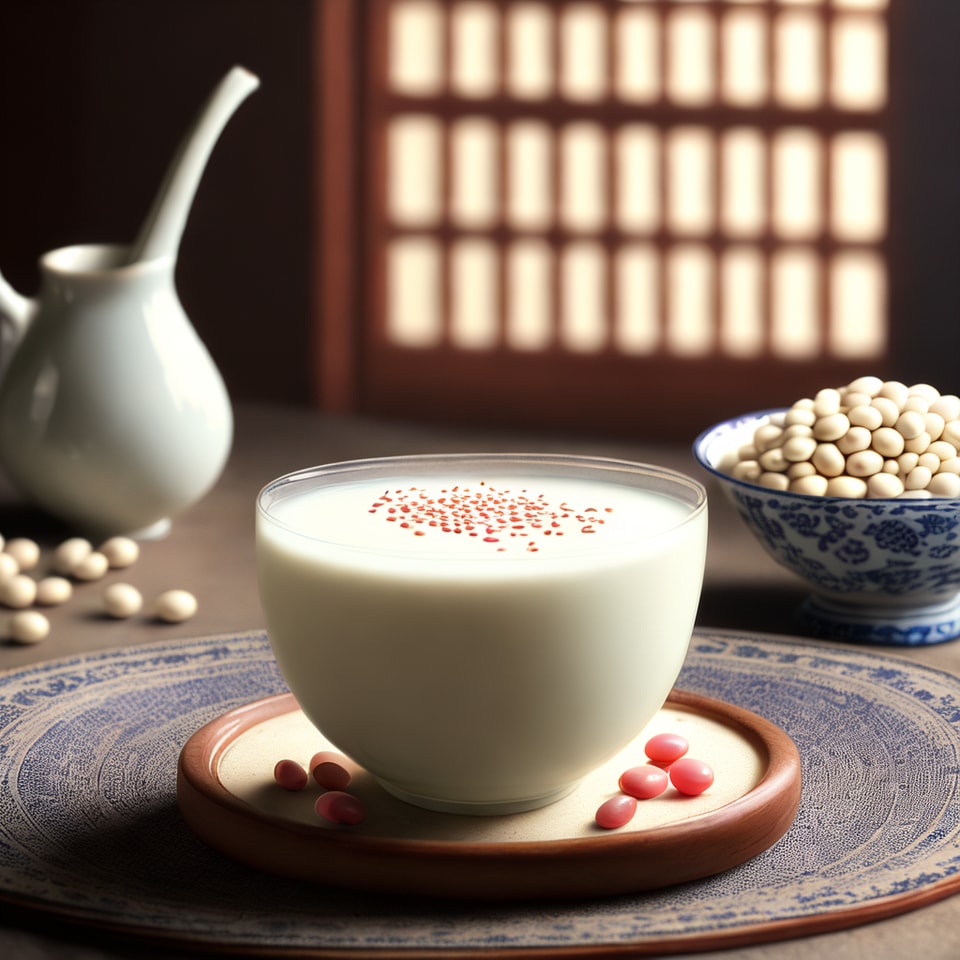
Unlocking Nutritious Goodness: Innovative Solutions for Your Soy Milk Processing Line
The soy milk processing line is a comprehensive system designed to convert raw soybeans into high-quality soy milk. This process involves several critical stages, each of which plays a vital role in ensuring the final product meets health standards and consumer expectations. Below is a detailed breakdown of the main components and steps involved in the soy milk processing line.
1. Soybean Cleaning
The first step in the processing line is cleaning the soybeans to remove impurities such as stones, dirt, and debris. This is typically achieved using various cleaning equipment, including destoners, magnetic separators, and air cleaning machines. Effective cleaning is crucial as it ensures that only high-quality soybeans are used in subsequent processes.
2. Soaking
Once cleaned, the soybeans are soaked in water to soften them. This soaking process enhances the extraction of milk by breaking down the cell structure of the beans. The soaking can be done using hot water at temperatures around 60°C for 1-2 hours or through other methods depending on production needs.
3. Grinding
After soaking, the beans are ground into a slurry using a grinder or mill. The grinding process involves mixing the soaked beans with water to create a smooth paste or slurry that facilitates further extraction of soy milk.
4. Separation
The next step involves separating the liquid soy milk from the solid soybean pulp (okara). This can be accomplished using separation devices such as centrifuges or filter presses. The goal here is to extract as much liquid as possible while discarding or repurposing the remaining solids.
5. Heating and Pasteurization
To ensure safety and extend shelf life, the extracted soy milk must be heated to kill any harmful bacteria present in it. This heating can be performed using heat exchangers or pasteurization units where temperatures are raised significantly for a specified duration.
6. Flavoring and Fortification
At this stage, manufacturers may choose to enhance the taste and nutritional profile of their soy milk by adding flavors (like vanilla or chocolate), sweeteners (such as sugar), or fortifying ingredients (like calcium or vitamins). Mixing equipment is used to ensure these additives are thoroughly blended into the soy milk.
7. Homogenization
Homogenization is an essential step that breaks down fat droplets within the soy milk, resulting in a smoother texture and preventing separation during storage. A homogenizer applies pressure to achieve this uniform consistency.
8. Filtration and Sterilization
Further filtration may be necessary to remove any remaining impurities from the soy milk before sterilization if long shelf life is desired. Ultra-high temperature (UHT) processing may be employed at this stage to ensure that all microorganisms are eliminated effectively.
9. Packaging
Finally, after all processing steps have been completed, the finished soy milk is packaged into containers such as cartons, bottles, or pouches using filling and sealing machines designed for efficiency and hygiene purposes.
Overall, each component of a soy milk processing line works together seamlessly to produce high-quality soy milk efficiently while maintaining food safety standards throughout production.
Soy Milk Processing Equipment
The soy milk processing equipment is designed to efficiently convert raw soybeans into a high-quality soy milk product. The complete set of equipment typically includes the following key components:
1. Soybean Washing Machine This machine cleans the soybeans by removing dust, microorganisms, and impurities such as rocks and metals. It consists of spray pipes, a drum, an overflow tank, and a bean suction pump. The capacity ranges from 100 kg to 500 kg per hour.
2. Soybean Soaking Machine The soaking machine softens the soybean cell structure to improve dispersion and increase protein yield. There are various soaking methods, but hot water soaking is commonly used for its efficiency. This machine has a production capacity of 200 kg to 2000 kg per hour.
3. Vacuum Soybean Absorber This equipment transports cleaned soybeans to the next processing stage using vacuum technology, which eliminates manual handling and enhances production efficiency.
4. Triple Soy Milk Refiner and Fiber Separator Unit This unit refines the soaked soybeans into a slurry while separating okara (the fibrous byproduct). It operates automatically with sensors that control the feeding process and ensure continuous operation.
5. Colloid Mill + Decanter Extraction An alternative method for extracting soy milk involves grinding the soaked beans in a colloid mill followed by separation using a decanter centrifuge. This method is suitable for higher capacity production.
6. Soy Milk Cooker This optional equipment uses high-temperature steam to heat the soybean slurry, inactivating enzymes that contribute to undesirable flavors while also sterilizing the mixture.
7. Soy Milk Blending and Formulation Tank System In this system, additional ingredients such as sugar and flavorings are mixed with the raw soy milk to enhance taste and nutritional value.
8. Soy Milk Homogenizer, Degasser, and Sterilizer Unit This unit deodorizes, homogenizes, sterilizes, and cools the soy milk in one process step, ensuring product safety and quality.
9. Soy Milk Filling Machine After processing, the soy milk is packaged in glass bottles or flexible pouches. Depending on packaging type, secondary sterilization may be required to extend shelf life.
10. CIP Online Cleaning System A crucial component for maintaining hygiene standards in food processing; this system ensures that all equipment can be cleaned without disassembly.
The entire production line can be customized based on specific requirements such as desired output capacity (ranging from 500 LPH to 20,000 LPH) and product specifications (pure soy milk vs blended beverages).
Overall, these machines work together seamlessly to produce high-quality soy milk while maximizing efficiency and minimizing labor costs through automation.
Advantages of Beyond Mechanical Soybean Deactivation Softening Grinding Machine Equipment
The grinding equipment provided by domestic traditional equipment manufacturers has a particle size of 0.15mm to 0.3mm after crushing and grinding, and the dry protein content in soybean residue after protein extraction is about 27%.
Through in-depth research, Beyond Machinery has improved the grinding gear structure of the coarse grinder, making it more durable and capable of crushing, softening, and conveying; We have redeveloped the "Integrated Multi stage Grinding and Grinding Machine for High frequency Vibration Vacuum Extraction of Positive and Negative Teeth", which is more conducive to the separation of protein and fiber after precision grinding. The particle size can reach 0.05-0.10mm after precision grinding, and the dry protein content in soybean residue after protein extraction is ≤ 22%, increasing the protein utilization rate by 5%. At the same time, the internal structure of the inactivation machine was optimized and designed. Through the internal axis heating structure design, steam can enter through the axis to heat the surface of Douban, solving the problem of insufficient internal Douban heating in the past. Three simultaneous heating methods, namely the inactivation machine outer shell layer, inner axis cavity, and steam direct injection, were realized to more uniformly inactivate enzymes and passivate the Douban surface, which is more conducive to subsequent processing, improvement of product flavor, and extension of shelf life.
The "three simultaneous heating methods of deactivating the outer shell layer, inner shaft cavity, and steam direct injection" and the "integrated multi-stage grinding and refining machine with positive and negative teeth high-frequency oscillation vacuum extraction" of this unit are the first of their kind in China (not available internationally).
Technical Description of Soybean Inactivation Grinding Machine
1. Scope of application: "Soybean deactivation softening and grinding unit" is the latest deactivation and grinding integrated machine independently developed by Beyond Machinery, it has advanced performance, stability and reliability, high protein extraction rate, easy use and maintenance, and is compatible with other products such as oats.The pulp production of cereal products has achieved leading levels in protein yield and residue protein in the industry.
2. Process flow: Peeling Douban → Heating and inactivating enzymes on the inner and outer shells → Steam jet heating and inactivating enzymes → Hot water and alkaline water on beans flap softening → primary crushing and coarse grinding → secondary softening maintenance → secondary high-frequency extraction and fine grinding → horizontal screw separation.
3. Technical description: After peeling, Douban is fed into a spiral deactivation machine through a rotating discharge valve. The surface of Douban is subjected to enzyme inactivation and passivation through three heating methods: the outer shell layer, inner shaft chamber, and steam direct injection hole of the deactivation machine to improve the taste and flavor of the product. In addition, weak alkaline water and hot water are added to soften the bean cloves, which are then ground in a first stage coarse mill. After the first stage grinding, they enter a holding tube for secondary soaking and softening, and then enter a second stage precision mill for grinding. The precision mill adopts a new technology of high-frequency oscillation vacuum extraction with positive and negative teeth, effectively improving protein utilization.
4. Equipment parameters: Grinding capacity of 4-6t/h and 8-10t/h;
Grinding concentration of 9-11%;
Grinding fineness of 0.05-0.1mm;
Steam consumption is 300kg/h;
Configure power of 94kw and 132kw; Material SUS304, hard alloy steel.
5. Validation parameters: ① Deactivation tube: capable of 1.0~1.5t/h peeling Douban, heating temperature (at the steam nozzle) 120 ℃, Douban surface temperature 90~100 ℃, rotating heating time 40 seconds; Heat the water and grind the slurry at a temperature of 80-85 ℃.
② Coarse grinding: feed particles of 5-40mm, discharge particles of 0.5-2mm; The material of the rotor and stator is hard alloy steel surface hardening and quenching treatment; Water to material ratio of 1: 4-6 t/h and 8-10 t/h for slurry grinding; The motor power is 55kw and 75kw.
③ Fine grinding: feed particles 0.5-2mm; Discharge particles of 0.05-0.1mm; The material of the rotor and stator is hard alloy steel surface hardening and quenching treatment; Water to material ratio of 1: 4-6 t/h and 8-10 t/h for slurry grinding; The motor power is 37kw and 55kw.
④ Slag protein: In small-scale experiments, slag protein detection showed a dry residue of 22%; Large scale experimental residue protein detection results in a dry residue of 15% to 17%; The average dry residue in the continuous 6-hour test residue protein detection is ≤ 22% (occasional occurrence of 25.7%, analyzed as caused by insufficient water addition).
Note: When fully utilizing soybean flour, fine grinding is not used, and the material is directly discharged from coarse grinding. The particle size is generally 0.5-2mm, and the water to material ratio is 1:1.5.
Raw materials and final products of soy milk processing line
Raw Materials: The primary raw material used in the soy milk processing line is soybeans (Glycine max). These soybeans are selected based on their quality, with the ideal variety being those with a clear hylem, which is considered more flavorful. The soybeans undergo several preparation steps before they can be processed into soy milk:
Cleaning: The soybeans are cleaned to remove impurities such as stones, dirt, and debris using various cleaning equipment like destoners and magnetic separators.
Soaking: The cleaned soybeans are soaked in water to soften them, which enhances the extraction of milk during grinding. This soaking process typically uses hot water at a ratio of 1:3 (soybeans to water) for optimal results.
Grinding: After soaking, the beans are ground into a slurry, which is essential for extracting the liquid soy milk.
Separation: Following grinding, the slurry is separated into liquid soy milk and solid pulp (okara) using centrifuges or filter presses.
Flavoring and Fortification: Depending on the desired product specifications, additional ingredients such as sweeteners, flavors, vitamins, and minerals may be added to enhance taste and nutritional value.
Final Products: The final products of the soy milk processing line can vary based on formulation and processing methods. They include:
Pure Soy Milk: An emulsion made by extracting protein from soybeans with water while removing dregs; it contains no less than 8% soybean solids.
Blended Soy Milk: This type includes added ingredients like sugar, refined vegetable oil, minerals, and vitamins; it has a soybean solids content of more than 5%.
High Solids and High Fiber Soy Milk: Made from whole soybeans with a high fiber content due to a water extraction ratio of 1:5.
Sour Soy Milk Beverage: Fermented pure soy milk that contains lactic acid or sour agents; it has a minimum soybean solid content of 4%.
Juice Soy Milk Beverage: A beverage that combines concentrated juice or original juice with pure soymilk; it must contain at least 2.5% juice and 2% soybean solids.
Soy Milk Powder: Produced through processes like vacuum concentration and spray drying; this powder contains functional peptides beneficial for health.
Okara: The byproduct from the separation process that can be used as animal feed or in other food products due to its high fiber content.
These products can be packaged in various forms such as bottles, tin cans, stand-up pouches, or aseptic cartons depending on market requirements.
Shanghai Beyond Machinery Co., Ltd.
Beyond Machinery specializes in the design and manufacturing of soy milk processing plant.Please contact us now, and ourprofessional technical engineers will customize the equipment plan for soy milk production plant and provide a quotation.Please contact us now to obtain the latest equipment plan and quotation.
9/14, 2024
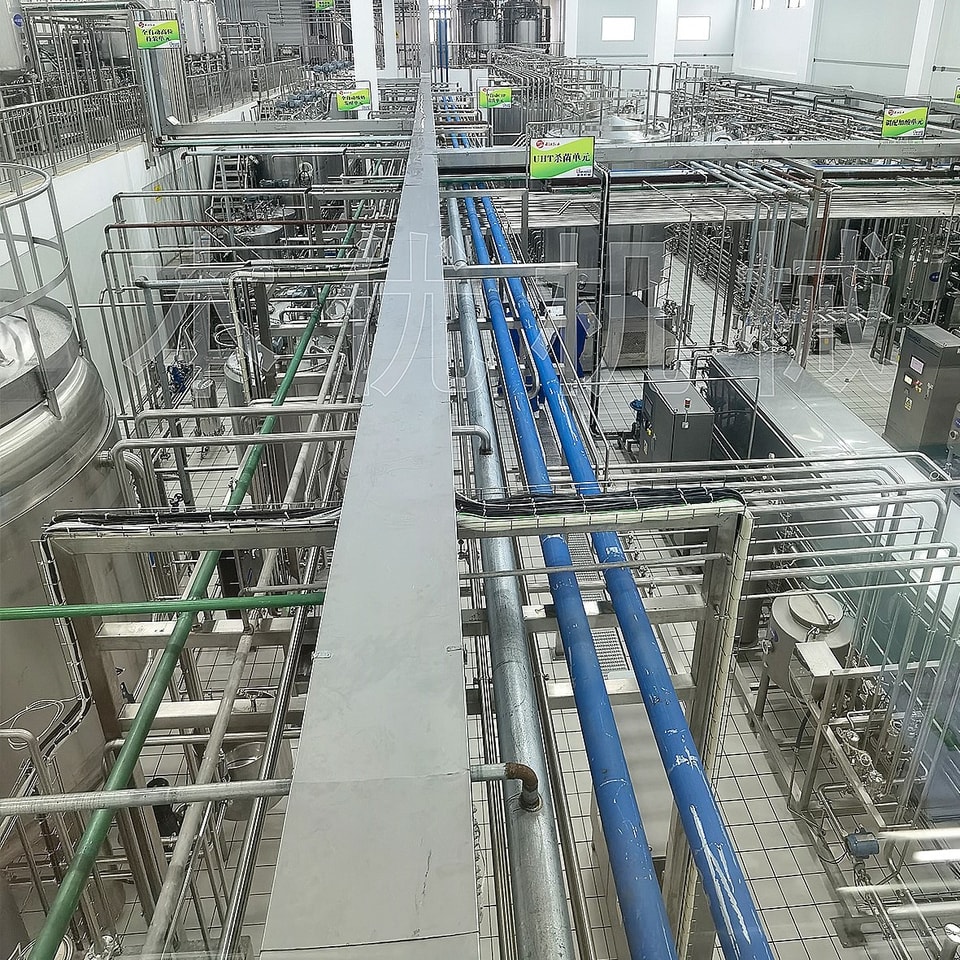
From Pasture to Profit: Launch Your Own Dairy Empire
Starting your own milk production plant is a comprehensive venture that involves careful planning, substantial investment, and adherence to strict regulatory standards.
Here's a step-by-step guide on how you could approach this:
1. Market Research & Feasibility Study: Begin by conducting thorough market research to understand the demand for milk products in your target area, competition, potential customers, and pricing strategies. Assess the feasibility of the project, including financial projections and return on investment (ROI).
2. Business Plan Development: Draft a detailed business plan outlining your vision, objectives, marketing strategies, operational plans, financial forecasts, and risk management strategies.
The cost of setting up a milk production plant can vary widely depending on several factors such as the scale of production, automation level, equipment quality, and whether you're purchasing new or used machinery. To provide a rough estimate:
a. Equipment Costs: A small-scale mini dairy plant could start from around $10,000 to $50,000 for basic equipment like pasteurizers, chillers, storage tanks, and packaging machines. For a medium-sized operation with more advanced technology, the cost could range from $100,000 to $1 million. Large-scale plants with high automation can run into tens of millions.
b. Infrastructure: Renovating or constructing a suitable facility can add significantly to the initial outlay, which could be anywhere from $5,000 to hundreds of thousands, depending on the existing state of the site and required modifications.
c. Operating Costs: Don't forget to budget for ongoing expenses like raw milk purchase, utilities (water, electricity), labor, maintenance, quality control, and marketing. These can amount to a substantial portion of your overall expenses.
d. Permits and Licenses: Legal and regulatory compliance costs can also accumulate, including obtaining licenses, permits, and certifications. While these may not be as substantial as other costs, they are necessary expenditures.
3. Legal & Regulatory Compliance: Register your business and obtain all necessary permits and licenses from local health departments, agricultural authorities, and any other relevant bodies. Familiarize yourself with food safety regulations, environmental laws, and industry standards.
4. Site Selection & Plant Layout: Choose a location that ensures easy access to raw milk supply, has good transportation links, and is suitable for setting up a hygienic processing facility. Design the plant layout considering workflow efficiency, sanitation, and space for future expansion.
The basic working principle of a Milk Production Plant involves several core steps, from raw milk reception, pretreatment, standardization, sterilization, filling to packaging. Here is a brief explanation of its main process:
a. Raw milk receiving and storage: Fresh milk is collected from the pasture and transported to the factory by refrigerated transport vehicles. At the receiving station, milk will undergo quality testing, including fat content, protein content, microbiological indicators, etc. Qualified milk will be pumped into milk storage tanks for temporary storage.
b. Pretreatment: milk is extracted from milk storage tank, filtered to remove impurities such as hair, dust, etc., and then degassed to remove oxygen in milk, prevent oxidation and deterioration, and reduce the generation of foam. Next, the milk will be heated to a certain temperature for the first sterilization (usually low-temperature pasteurization), killing some bacteria while retaining the original flavor and nutritional content of the milk.
c. Standardization: This step is to adjust the fat content in milk to meet specific product specifications (such as full fat, low-fat, skim milk). By using centrifugal separation technology, milk is divided into two parts: fat rich cream layer and skim milk, and then re mixed according to the required ratio.
d. Homogenization: In order to prevent fat from floating up and forming a milk fat layer, milk is subjected to high-pressure homogenization treatment, which breaks down large fat globules into small particles, evenly distributing fat in the milk and improving the stability and taste of the product.
e. High temperature sterilization/ultra-high temperature sterilization (HTST/UHT): According to product requirements, milk will be further subjected to high temperature short-term sterilization (HTST) or ultra-high temperature sterilization (UHT). HTST is typically used for pasteurized milk with a shorter shelf life, while UHT is used to produce milk that can be stored at room temperature, thoroughly sterilized at extremely high temperatures in a short period of time, and quickly cooled and sealed to extend the shelf life.
f. Filling and sealing: Milk that has been sterilized enters a sterile filling machine and is filled into pre disinfected packaging containers such as plastic bottles, paper boxes, or glass bottles in a sterile environment. The containers are immediately sealed and sealed to maintain sterility.
g. Packaging and Inspection: The filled milk undergoes automatic inspection to ensure that each package is sealed properly and meets hygiene standards, and then undergoes packaging, labeling, coding, and other operations to prepare for delivery.
h. Warehousing and distribution: Finally, the finished milk is sent to the warehouse for shipment, or directly loaded onto delivery vehicles and delivered to retailers, supermarkets, or direct consumers. The above is the basic workflow and principles of a milk production plant. I hope this can help you understand how milk comes from the farm to your hands.
5. Equipment Sourcing: Based on your production scale and product range, identify and purchase or lease the necessary equipment, including milk reception systems, pre-treatment units, pasteurizers, homogenizers, filling machines, packaging equipment, and a CIP system.
The main equipment of a milk production plant includes the following key parts:
a. Raw milk receiving and storage system: including milk tanker receiving station, raw milk storage tank, refrigeration equipment, etc., to ensure that milk is stored at a suitable temperature and kept fresh.
b. Preprocessing equipment: • Filter: used to remove impurities from milk, such as fragments, hair, etc Degassing device: removes oxygen from milk through vacuum or physical methods.
c. Standardized equipment: Separators and mixing equipment used to adjust the fat content in milk to meet different product specifications.
d. Homogenizer: Refining the fat globules in milk through high pressure to improve product stability and taste.
e. Sterilization equipment: • Pasteurization machine (HTST): used for low-temperature and long-term sterilization to maintain the original flavor of milk Ultra high temperature sterilizer (UHT): Instantaneous high-temperature sterilization enables products to be stored at room temperature for a long time.
f. Filling and capping system: Aseptic filling machine and capping machine ensure rapid filling and sealing of milk under sterile conditions.
g. Packaging equipment: including automatic labeling machines, inkjet printers, wrapping machines, etc., to complete the outer packaging of products.
h. Cleaning and Disinfection Equipment (CIP System): Used for cleaning and disinfecting various containers and pipelines on the production line to ensure the hygiene and safety of the production environment.
i. Automation control system: including PLC programming logic controller, SCADA monitoring system, etc., to achieve automation control and monitoring of the production process.
j. Testing and laboratory equipment: such as mass spectrometers, biochemical analyzers, etc., used for quality testing of raw materials and finished products to ensure food safety. These devices together form a complete milk processing chain, from raw material reception to finished product packaging, every step is crucial.
6. Supply Chain Setup: Establish relationships with dairy farmers or suppliers to ensure a consistent and high-quality milk supply. Plan for storage facilities and cold chain logistics.
7. Staffing & Training: Hire a skilled workforce, including production managers, quality control personnel, machine operators, and administrative staff. Provide them with comprehensive training on hygiene practices, equipment operation, and safety protocols.
8. Quality Control & Testing: Set up an in-house laboratory or partner with certified labs to perform regular quality checks on incoming milk and finished products, adhering to food safety standards.
9. Marketing & Sales Strategy: Develop a robust marketing plan to create brand awareness, build relationships with distributors, retailers, and potentially directly with consumers. Explore online sales channels as well.
10. Launch & Continuous Improvement: Once operations begin, gather customer feedback, monitor performance metrics, and continuously improve processes and products to stay competitive.This is a high-level overview, and each step involves many sub-steps and considerations. It's advisable to consult with industry experts, financial advisors, and legal professionals throughout the process.
Shanghai Beyond Machinery Co., Ltd.
Beyond Machinery specializes in the design and manufacturing of milk production plant.Please contact us now, and ourprofessional technical engineers will customize the equipment plan for milk production plant and provide a quotation.Please contact us now to obtain the latest equipment plan and quotation.
9/5, 2024

Crafting Your Perfect Brew: Advanced Apple Cider Production Lines & State-of-the-Art Cider Processing Plants
The principle of apple cider production line mainly involves multiple continuous steps of converting fresh apples into alcoholic beverages. Here is a brief analysis of its core components:
1. Raw material preparation and cleaning: Firstly, fresh apples are carefully selected to remove rotten or unqualified fruits, and then thoroughly cleaned to remove surface dirt and pesticide residues.
2. Crushing and juicing: The cleaned apples are sent to a crusher, where they are crushed into puree, and then juice is squeezed out through a press. This process may be divided into two stages, first crushing and then juicing, to improve the efficiency of juice extraction.
3. Clarification and filtration: The squeezed apple juice usually contains pulp, skin fragments, and other suspended solids, which need to be clarified through natural sedimentation or the addition of clarifying agents. Then, impurities are removed through a filtration system to obtain clear juice.
4. Fermentation: The clarified juice is added to brewing yeast to begin the fermentation process. At this stage, yeast converts the sugar in the juice into alcohol and carbon dioxide. The fermentation temperature and time need to be strictly controlled to ensure the flavor and alcohol content of apple cider.
5. Maturation and Seasoning: After initial fermentation, apple cider may be transferred to oak barrels or other containers for maturation to enhance flavor and taste. During this period, sugar, acidity regulators, or other ingredients can be added as needed for seasoning.
6. Sterilization and bottling: After maturation, apple cider needs to undergo sterilization treatment to kill residual yeast and other microorganisms, ensuring product stability and extending shelf life. Finally, sterilized apple cider is filled into bottles or other containers, sealed and ready for sale.
The entire apple cider production line integrates automation equipment, such as PLC control system, to monitor and regulate temperature, pressure, flow and other parameters in each link, ensuring efficient, hygienic and stable product quality in the production process.
The technical highlights of the apple cider production line are mainly reflected in the following aspects:
1. Automation and Intelligence: Modern apple cider production lines widely adopt automation control systems, such as PLC and SCADA systems, to achieve full monitoring and precise control from raw material processing to finished product packaging. The application of intelligent sensors and machine vision technology can detect product quality in real time, ensuring production efficiency and consistency.
2. Energy saving and environmental protection technologies: Advanced energy-saving technologies and equipment, such as heat recovery systems, are used to recover and reuse energy during fermentation and sterilization processes, reducing energy consumption. At the same time, the wastewater treatment system ensures that the emissions during the production process meet environmental standards and achieve green production.
3. Rapid fermentation technology: Using specific yeast strains and temperature control technology to accelerate the fermentation process can not only shorten the production cycle, but also optimize the flavor and aroma of apple cider, while maintaining the stability of the wine body.
4. Quality maintenance and aseptic filling: Adopting aseptic filling technology to ensure that apple cider is not contaminated by microorganisms during the filling process and extend the shelf life. Combined with instant high-temperature sterilization (UHT) or cold sterilization technology, apple cider preserves its natural flavor and nutritional components to the greatest extent possible.
5. Flexible production mode: The production line design supports quick switching between different product types or formulas, meeting diverse market demands and achieving flexible production of small batches and multiple varieties.
6. Data analysis and traceability system: The integrated data collection and analysis system can track production data in real time for quality management and optimization, while achieving full chain traceability of products and enhancing consumer trust.
These technological highlights not only improve the efficiency and quality of apple cider production, but also meet the high standards of modern manufacturing for sustainable development and food safety.
The production process of apple cider can be roughly divided into the following key steps:
1. Raw material reception and cleaning: After fresh apples arrive at the factory, they are first classified and screened to remove unqualified fruits. Subsequently, the apples are subjected to high-pressure spraying or soaking cleaning to remove surface contaminants.
2. Crushing and juicing: The cleaned apples are sent to a crusher to crush the pulp, and then the juice is extracted through a belt or screw juicer, which may be accompanied by enzyme treatment to improve juice yield and clarity.
3. Juice adjustment and clarification: The extracted juice needs to undergo quality testing and adjust the pH and sugar content to suitable fermentation standards. Next, the suspended particles are precipitated through physical settling or the addition of clarifying agents, and then solid impurities are removed through a filtration system to obtain clear fruit juice.
4. Alcohol fermentation: The adjusted juice is transferred to a fermentation tank and inoculated with selected yeast strains for alcohol fermentation. During the fermentation period, the temperature is strictly controlled and usually lasts for several days to two weeks, during which alcohol and carbon dioxide are produced.
5. Post fermentation and maturation: After the main fermentation is completed, apple cider may need to undergo a period of post fermentation and maturation to enhance flavor complexity. This stage may be carried out in stainless steel tanks or oak barrels, which can provide additional aroma and taste.
6. Filtration and stabilization: After aging, apple cider is finely filtered to remove residual yeast and protein to prevent turbidity during subsequent storage. When necessary, cold stabilization or the use of additives will be carried out to further ensure stability.
7. Seasoning and Mixing: Depending on the product style, apple cider may be seasoned at this stage, including adding sugar, acid, spices, etc., as well as mixing between different batches to maintain product consistency.
8. Sterilization and filling: The final product undergoes pasteurization or sterile filtration to ensure microbial safety, and then is filled into bottles, cans, or other packaging containers under sterile conditions.
9. Inspection and packaging: The filled apple cider needs to undergo quality inspection, including appearance, alcohol content, microbiological indicators, etc. Qualified products are labeled, packaged, and prepared for factory distribution.
The above is an overview of the basic process flow of apple cider production line.
The energy-saving and environmental protection measures for apple cider production lines mainly focus on the following aspects:
1. Energy recovery system: By installing heat exchangers, the production line can recover a large amount of thermal energy generated during fermentation and sterilization processes, which can be reused to preheat raw materials or maintain constant temperature requirements during the production process, thereby significantly reducing energy consumption.
2. Efficient steam system: Using efficient steam boilers and pipeline insulation technology to reduce heat loss during steam transmission, while accurately controlling steam usage to ensure efficient energy utilization.
3. Wastewater treatment and recycling: The production line is equipped with wastewater treatment facilities to purify the wastewater generated during the production process. After reaching a certain standard, it is reused for cleaning fruits or cooling processes, reducing the consumption of fresh water resources.
4. LED lighting and intelligent control: Adopting LED lighting system to replace traditional lighting, combined with light sensing and time program automatic control switch, reducing unnecessary energy waste.
5. Biological treatment technology: When possible, use biological treatment technology to treat organic waste, convert it into fertilizer or bioenergy, and achieve resource recycling.
6. Environmentally friendly materials and packaging: Prioritize the use of recyclable or biodegradable materials in the production process to reduce the use of non environmentally friendly materials such as plastics.
At the same time, promote lightweight packaging and reusable packaging solutions to reduce environmental burden. Through these comprehensive energy-saving and environmental protection measures, the apple cider production line can ensure product quality while minimizing its impact on the environment, in line with the concept of modern green manufacturing.
The operation and maintenance of apple cider production lines involve multiple aspects such as daily operating procedures, equipment maintenance, and troubleshooting. The following are some basic guiding principles:
Operating procedures:
1. Training and certification: Ensure that all operators have received professional training, are familiar with the layout of the production line, the functions and operating procedures of each equipment, and hold corresponding operating qualifications.
2. Pre startup inspection: Before each startup, check whether the equipment connections are secure, whether there are leaks in the circuits and pipelines, whether the emergency stop button functions properly, and confirm that the raw materials and auxiliary materials are ready.
3. Operate according to regulations: Follow the equipment operation manual, start and run the production line according to established procedures, monitor various parameters (such as temperature, pressure, flow) to ensure they are within the set range.
4. Recording and Reporting: Detailed recording of key data during the production process, such as raw material usage, output, energy consumption, etc., and regular reporting to superiors. Any abnormal situations should be reported immediately.
Maintenance and upkeep:
1. Daily cleaning: After production, thoroughly clean the inside and outside of the equipment to avoid bacterial growth or corrosion caused by juice residue.
2. Regular lubrication: Lubricate rotating parts according to the maintenance plan to reduce wear and extend equipment life.
3. Parts inspection and replacement: Regularly inspect the wear of vulnerable parts (such as sealing rings and filter screens), replace damaged parts in a timely manner, and prevent major failures caused by minor issues.
4. Preventive maintenance: Implement regular equipment inspection and maintenance plans, and use predictive maintenance techniques (such as vibration analysis and oil analysis) to detect potential faults early.
5. Software and system upgrades: Regularly update control system software and security patches to maintain efficient and stable operation of the production line.
Troubleshooting:
1. Emergency stop: In case of an emergency, the emergency stop button should be pressed immediately to ensure personnel safety.
2. Fault diagnosis: Based on equipment alarm information or fault symptoms, refer to the fault troubleshooting manual for preliminary diagnosis.
3. Professional maintenance: For complex faults, it is necessary to promptly contact a professional maintenance team for handling to avoid greater damage caused by non professional operations.
4. Fault recording and analysis: Detailed recording of the occurrence, handling process, and results of each fault, conducting root cause analysis, and taking measures to prevent similar faults from happening again.
By strictly implementing operating procedures and maintenance measures, the operational efficiency and service life of apple cider production lines can be effectively improved, ensuring product quality and production safety.
The main raw material for apple cider production line is fresh or refrigerated apples, and sometimes other fruits, spices and other additives are added according to the product characteristics. Apples should be selected from varieties with high sugar content, moderate acidity, and rich aroma to ensure the quality of apple cider. During the raw material processing, in addition to apples, auxiliary materials such as water, yeast, clarifying agents, and sulfur dioxide (used as preservatives and antioxidants) are also required. Some high-end products may also add sugar to adjust sweetness in the later stage, or use oak slices, vanilla beans, etc. to add complex flavor layers.
Regarding products, the apple cider production line can produce a diverse range of end products, mainly including:
1. Dry apple cider: low sugar content, high acidity, emphasizing the natural flavor of apples.
2. Sweet apple cider: retains a certain amount of sugar, suitable for consumers who enjoy sweetness.
3. Sparkling apple cider: Adding carbon dioxide through secondary fermentation or carbonation treatment to enhance the refreshing sensation of the drink.
4. Iced apple cider: Pressed with frozen apples, the sugar and flavor of the juice are concentrated due to the freezing of water.
5. Aged apple cider: After long-term aging in oak barrels or bottles, a deeper level of taste and aroma is developed.
6. Fruit blended apple cider: Add other fruits (such as strawberries and blueberries) and ferment them together with apples to create a unique fruity flavor.
Each product will have different packaging forms based on market positioning and consumer preferences, such as glass bottles, cans, plastic bottles, or barrels, to meet the needs of different sales channels such as retail, catering, and export.
The main equipment of the apple cider production line includes the following core parts:
1. Fruit receiving and cleaning equipment: used to receive raw apples, which are sent to the cleaning machine through a conveyor belt to remove surface dirt and residual pesticides.
2. Crushing and juicing machine: The cleaned apples are sent to the crusher for crushing, and then the apple juice is extracted through the juicing mechanism. This process may include crushers, screw juicers, or belt juicers.
3. Fermentation tank: After extracting apple juice and adding yeast, it is sent to the fermentation tank for alcohol fermentation. The fermentation tank needs to have temperature control function to ensure that the fermentation process is carried out at a suitable temperature.
4. Filtration and clarification system: After fermentation is completed, solid residues, yeast cells, and other suspended solids in the liquor need to be removed through a filter and clarification equipment to improve the transparency and stability of apple cider.
5. Wine storage tank: The clarified apple cider is transferred to a wine storage tank for maturation or short-term storage, ready for subsequent filling. Some products may still require seasoning or adding carbon dioxide to create bubbles at this stage.
6. Filling and capping machine: Fill mature apple cider into bottles, cans or other containers, and seal them to ensure the hygiene and freshness of the product.
7. Labeling and packaging line: The products that have been filled are labeled by a labeling machine and then packaged through a packaging line to form the final sales unit.
8. Inspection equipment: including finished product detectors, microbiological testing equipment, etc., used to ensure that the quality of finished products meets food safety standards.
9. Control system: The entire production line is usually equipped with an automated control system, such as a PLC control panel, to monitor and regulate the operating status of various equipment, achieving automated management of the production process.
These devices can be standalone manually operated machines or highly integrated fully automated assembly lines, depending on the scale and level of automation of the production line.
Customized services for apple cider production lines can be tailored to meet customer needs, covering various scales from small-scale handmade brewing systems to large-scale industrial production lines. The customization process is roughly as follows:
1. Requirement analysis: Firstly, communicate deeply with the customer to understand their production capacity requirements, factory conditions, budget range, product positioning (high-end, mid-range, or economical), and special technical requirements (such as energy conservation and emission reduction, automation level).
2. Scheme design: Based on demand analysis, the manufacturer will design a production line layout diagram, including equipment selection, process planning, capacity matching, energy consumption assessment, and environmental protection plan. This step may involve multiple discussions and adjustments until the solution meets all key requirements of the client.
3. Equipment customization and procurement: Based on the design plan, customize or purchase corresponding equipment, such as fermentation tanks made of specific materials, specially designed presses, efficient filtration systems, and packaging lines that meet the customer's brand positioning. The selection of suppliers should consider cost-effectiveness, delivery time, and after-sales service.
4. Installation and commissioning: After the production line equipment arrives at the site, a professional team is responsible for installation and commissioning to ensure the smooth operation of each equipment and the entire system. At the same time, conduct trial production and adjust process parameters to the optimal state.
5. Employee training: Provide professional training to customers' operators and maintenance teams, covering equipment operation, daily maintenance, troubleshooting, and safety production knowledge, to ensure a smooth transition of the production line to daily operation.
6. After sales service and technical support: Provide a long-term after-sales service agreement, including regular inspections, rapid response maintenance, parts supply, and technical upgrade support, to ensure the long-term efficient and stable operation of the production line.
Shanghai Beyond Machinery Co., Ltd.
Beyond Machinery specializes in the design and manufacturing of Cider Processing Plants.Please contact us now, and ourprofessional technical engineers will customize the equipment plan for Cider Processing Plants and provide a quotation.Please contact us now to obtain the latest equipment plan and quotation.
8/29, 2024
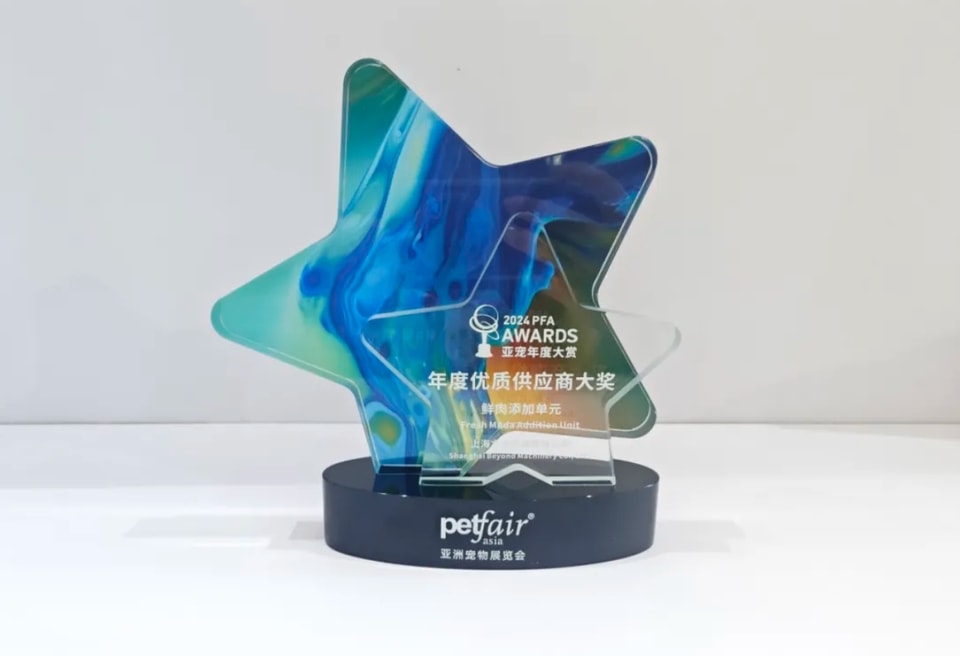
Beyond Machinery Shines at the 2024 Shanghai Asia Pet Expo: Precision Engineering Meets Pet Affection Moments
In this loving and innovative August, Beyond Machinery Honor landed at the 2024 Asia Pet Expo (Shanghai). As a model of the perfect integration of precision engineering and pet care, we witness the leap in the quality of pet life together with our customers.
Technological innovation, born for pets
Explore Beyond's latest pet wet food equipment, which integrates intelligent perception, environmental protection, and energy conservation, redefining the technological boundaries of pet food. Every design originates from a meticulous understanding and care for pets.
Precise craftsmanship, nurturing every favor
From precise parts to smooth operation, Beyond Machinery carves every product with the heart of a craftsman. At the exhibition site, you will witness firsthand how these masterpieces that integrate art and technology gently safeguard the happy moments of every furry child.
Exhibition scene
In this year's PFA Awards competition, Beyond Machinery won the Annual Quality Supplier Award.
With the increasing demand for pet food quality and safety, the market demand for pet food machinery is also growing, and the pet food manufacturing industry is moving towards a new era of digitization and intelligence. As a professional supplier of automation machinery equipment, Beyond can provide key technologies and equipment for pet food processing, such as fresh meat addition production lines, wet grain processing production lines, and flavoring agent production lines.
We have face-to-face communication with customers from all over the country, and there is a constant stream of visitors seeking exhibition consultation. Our on-site staff have always been enthusiastic and patient in communicating with customers, providing comprehensive explanations on product performance, process control, and after-sales service. While customers have gained an understanding of our excellent equipment, they have also given our company high praise and appreciation.
Although the exhibition has ended, our good interaction and communication with customers have never stopped. Beyond Machinery specializes in designing and developing pet wet food production lines. If you have any needs in this area, please contact us. Beyond Machinery will provide you with the latest equipment customization solutions and the best prices.
8/28, 2024

Revolutionizing Tea Infusions: Insights into the High-Tech Beverage Processing Line
The tea beverage production and processing line is a systematic process of extracting and processing effective ingredients from tea leaves into commercial beverages. The specific steps include the following key stages:
1. Raw material reception and pretreatment: • Raw material inspection to ensure the freshness and quality of tea leaves Clean and remove surface dust and impurities, and dry if necessary.
2. Extraction: • Soaking extraction: Soak tea leaves in hot water to extract tea soup. Temperature and time are adjusted according to the type of tea to maximize the extraction of effective ingredients such as tea polyphenols and catechins Continuous extraction: In large-scale production, continuous extraction equipment may be used to improve efficiency.
3. Filtration and clarification: Use a multi-stage filtration system (such as diatomaceous earth filtration and membrane filtration) to remove tea residue and small particles, ensuring that the tea soup is clear and transparent Further purification may require centrifugal separation or the use of clarifying agents.
4. Blending and Seasoning: Add sugar, acidifiers, spices, or other additives to the tea soup according to specific blending directions to adjust the taste and flavor Conduct sensory tests on taste and color to ensure compliance with product standards.
5. Homogenization and Standardization: Use a homogenizer to evenly distribute beverage ingredients, especially for products containing milk or fruit granules Standardized processing ensures the consistency of ingredients in each batch of products.
6. Sterilization and Cooling: Using UHT (Ultra High Temperature Instant Sterilization) or pasteurization methods to eliminate bacteria and ensure the safety and shelf life of beverages Quick cooling to prevent bacterial growth and maintain the flavor of the beverage.
7. Aseptic filling and sealing: Fill into pre disinfected bottles, cans or paper boxes in a sterile environment, seal immediately to avoid secondary contamination.
8. Packaging and palletizing: The automatic packaging production line completes processes such as labeling, wrapping, and packing Use palletizing robots to stack finished products and prepare for shipment.
9. Quality control and inspection: Conduct microbiological and physicochemical index testing on finished products to ensure compliance with food safety standards and internal quality requirements of the enterprise.
10. Warehousing and Logistics: Store in a warehouse with suitable temperature and humidity, waiting for shipment Organize efficient logistics distribution to ensure timely delivery of products to sales points or customers.
The entire tea beverage production and processing line emphasizes automation and standardized operations to ensure production efficiency and product quality.
Equipment for tea beverage processing line
The tea beverage processing line involves various professional equipment to ensure that every step from raw material processing to finished product packaging is efficient and meets food safety standards.
The following is a list of core equipment:
1. Raw material processing equipment: • Tea screening machine: used to remove impurities and screen out tea that meets specifications Cleaning machine: Clean tea leaves to ensure the cleanliness of the raw materials.
2. Extraction equipment: • Continuous extraction machine: Soaking tea leaves through hot water circulation to continuously extract tea soup Extraction tank: used for batch extraction and temperature control to ensure extraction efficiency and quality.
3. Filtration equipment: • Diatomaceous earth filter: preliminary filtration of large particle impurities Membrane filtration system: Fine filtration, such as reverse osmosis membrane and ultrafiltration membrane, enhances the purity of tea soup.
4. Mixing system: • Ingredient tank: Accurately add sugar, acid taste agents and other auxiliary materials according to the formula Blender: Ensure that all components are evenly mixed.
5. Homogenizer: For beverages containing milk or fruit pellets, use a homogenizer to make the product texture uniform.
6. Sterilization equipment: UHT sterilizer: Ultra high temperature instantaneous sterilization, maintaining the original flavor of the beverage while ensuring safety Cooling device before aseptic filling: Quickly cool the sterilized tea soup to prepare for aseptic filling.
7. Aseptic filling machine: • Automatically completes filling and sealing, ensuring a sterile environment throughout the entire process.
8. Packaging equipment: • Labeling machine: Automatically apply product labels. • Film wrapping machine: shrink wrap the product to prevent dust and moisture Packing machine: Automatically loads products into cardboard or plastic boxes.
9. Stacking robot: responsible for automatic stacking of finished products to improve warehouse utilization.
10. Testing equipment: • Online monitoring device: monitors various parameters during the production process, such as temperature and pH value Laboratory testing equipment: microbiological testing of finished products, analysis of physical and chemical indicators, etc., to ensure product quality.
These devices are interconnected to form a complete automated production line, improving production efficiency and ensuring the quality and stability of tea beverages.
Information Technology of Tea Beverage Processing Line
The application of information technology in tea beverage processing lines mainly focuses on automation control, data collection and analysis, and quality traceability systems to improve production efficiency, ensure product quality, and achieve refined management.
Specifically, it includes:
1. Automation Control System (PLC/SCADA): Using Programmable Logic Controller (PLC) and Supervisory Control and Data Acquisition System (SCADA) to achieve automated control and monitoring of the production line. These systems can monitor the real-time operation status and production parameters of equipment, and adjust them in a timely manner to maintain optimal production conditions.
2. Enterprise Resource Planning System (ERP): Integrate information from production, procurement, inventory, sales, and other processes to optimize resource allocation and improve overall operational efficiency. ERP systems can also help management make more accurate decisions.
3. Manufacturing Execution System (MES): A system located between ERP and workshop level control, focusing on the management and optimization of the production execution process, including production scheduling, material tracking, performance analysis, etc., to ensure accurate execution of production instructions.
4. Intelligent sensors and the Internet of Things (IoT): Various sensors such as temperature, pressure, and flow sensors are deployed at key nodes of the production line to collect real-time production data and transmit it to the central management system through IoT technology, achieving remote monitoring and preventive maintenance.
5. Big data and artificial intelligence (AI): Using big data analysis technology to process production data, identify production bottlenecks, predict faults, optimize energy consumption, etc. AI algorithms can also be used for quality control, such as visual inspection of the quality of tea raw materials and consistency of finished product color.
6. Quality traceability system: By assigning a unique identifier to each product or packaging and combining it with an information system to record data from the entire production process, it achieves full chain traceability from raw materials to finished products, improves food safety levels, and quickly responds to market recall demands.
The integrated application of these information technologies enables the tea beverage processing line to achieve high automation and intelligence, enhancing production flexibility and response speed while ensuring product quality and safety.
The main raw materials for the tea beverage processing line include:
1. Tea: As a basic ingredient, different types of tea (such as green tea, black tea, oolong tea, etc.) give tea beverages unique flavors and colors.
2. Water: High quality water sources are crucial for the taste of tea beverages and usually require purification treatment.
3. Sugar: Used to regulate sweetness, it can be sucrose, fructose, or other sweeteners.
4. Sour agents: such as citric acid, malic acid, etc., used to balance the taste of tea drinks and make them more refreshing.
5. Spices and natural extracts: used to enhance or adjust the aroma of tea beverages, such as lemon oil, jasmine extract, etc.
6. Additives: such as preservatives, stabilizers, emulsifiers, etc., used to improve product stability and extend shelf life.
7. Nutritional Fortification Ingredients: Some health oriented tea drinks may contain added nutrients such as vitamins and minerals.
The final product comes in various forms, including but not limited to:
Bottled/canned tea beverages: the most common form, easy to carry and store, suitable for various consumption scenarios.
Tea concentrate: used in the catering industry to prepare tea drinks, ensuring consistency in taste.
Ready to drink tea: No need to brew, open the lid and drink immediately, convenient and fast Sugar free/low sugar tea drinks: Adapt to healthy eating trends and reduce sugar intake.
Functional tea drinks: added with specific ingredients claiming to have specific health benefits, such as aiding digestion, refreshing the mind, etc.
Fruit flavored tea drinks: Combining tea and fruit flavors, providing a more diverse selection.
The entire production process, from the selection of raw materials to the formation of the final product, reflects the pursuit of quality and innovation.
The environmental protection technology of the tea beverage processing line mainly focuses on energy conservation and emission reduction, resource recycling, and waste reduction. Specific measures include:
1. Energy management system: Adopt efficient and energy-saving production equipment, such as variable frequency drives, LED lighting, etc., to reduce electricity consumption. At the same time, establish an energy management system to monitor energy usage and optimize the energy structure, such as utilizing renewable energy sources such as solar and wind power.
2. Water resource recycling: Through an efficient water resource management system, the recovery and reuse of production water can be achieved. For example, using technologies such as reverse osmosis and ultrafiltration to treat wastewater to meet the standards of reuse, it is used for cleaning equipment or cooling cycles that do not directly contact products.
3. Greening of packaging materials: Use biodegradable or easily recyclable materials as product packaging, such as paper packaging, PLA (polylactic acid) bioplastics, etc., to reduce the generation of plastic waste.
4. Waste management and resource recycling: Implement waste classification management, comprehensively utilize tea leaves, filter waste, etc. generated during the production process, such as converting them into organic fertilizers, biomass fuels, etc.
5. Emission control and purification treatment: Ensure that the discharge of exhaust gas and wastewater meets environmental standards, and use advanced exhaust gas purification systems and wastewater treatment facilities, such as installing wet dust collectors, activated carbon adsorption devices to treat VOCs (volatile organic compounds), and biochemical treatment technologies to reduce COD (chemical oxygen demand).
6. Environmental Management System Certification: Implement the ISO 14001 environmental management system, continuously improve environmental performance, conduct regular environmental impact assessments, and ensure that production activities minimize their impact on the environment.
The application of these environmental protection technologies not only helps to protect the environment, but also enhances the corporate social responsibility image, which is beneficial for sustainable development in the long run.
The installation and debugging of a tea beverage processing line is a complex and precise process, typically involving the following key steps:
1. Preliminary planning: Develop a detailed installation plan based on factory layout, production capacity requirements, product types, etc. This includes production line layout design, water and electricity supply planning, environmental hygiene considerations, and safety compliance assessments.
2. Infrastructure construction: Ground leveling and moisture-proof treatment shall be carried out in the designated area, and necessary infrastructure such as drainage system, electrical wiring, and compressed air supply shall be constructed.
3. Equipment entry and assembly: • Equipment inspection: Before the equipment arrives at the site, an open box inspection is carried out to confirm that the equipment is intact and the accessories are complete Lifting in place: Use professional equipment to lift large machines such as extraction tanks, filling machines, etc. to the predetermined position Fine assembly: Assemble each component according to the manufacturer's drawings and instructions, including pipeline connections, electrical wiring, etc.
4. System integration: Ensure that all standalone equipment is properly connected, including material conveying systems, CIP (CIP) systems, steam and cooling water systems, automation control systems, etc., and perform interface testing.
5. Single machine debugging: Conduct separate functional tests on each device, such as running no-load tests to check whether the motor operation, valve switches, sensor feedback, etc. are normal.
6. Linkage test run: After successful single machine debugging, conduct a whole line linkage test run, observe the coordinated operation between various equipment, adjust parameters to achieve the best matching state.
7. Production test: Input a small amount of raw materials for actual production tests to inspect product quality, such as color, taste, microbial indicators, etc., while verifying the stability and efficiency of the production line.
8. Performance optimization and calibration: Based on the trial production results, fine tune the production line, which may include adjusting equipment parameters, optimizing process flow, etc.
9. Operation training: Provide training to operators on equipment operation, maintenance, troubleshooting, and other aspects to ensure that they are proficient in operating the new production line.
10. Acceptance and Delivery: After completing all debugging and achieving the expected goals, the final acceptance will be organized, with the participation of the manufacturer, customer, and third-party organizations. After confirmation, the product will be officially delivered for use.
The entire installation and debugging process requires close cooperation between the manufacturer, equipment supplier, and customer to ensure that the project is completed on time and with quality.
Shanghai Beyond Machinery Co., Ltd.
Beyond Machinery specializes in the design and manufacturing of tea beverage processing line.Please contact us now, and ourprofessional technical engineers will customize the equipment plan for tea beverage processing line and provide a quotation.Please contact us now to obtain the latest equipment plan and quotation.
8/14, 2024
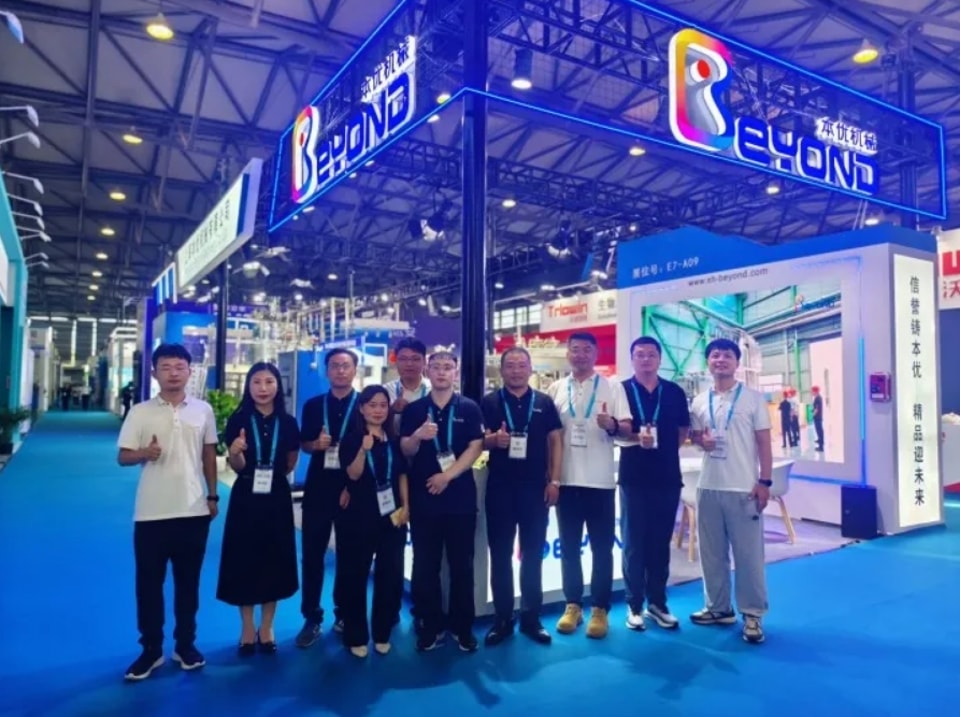
Shanghai International Biofermentation Expo | Uniting with You at the Forefront of Progress!
The 13th Shanghai International Fermentation Products and Technology Equipment Exhibition will be held at the Shanghai New International Expo Center from August 7th to 9th, 2024. BIO CHINA Bio Fermentation Exhibition is a large-scale exhibition platform for the bio fermentation industry in Asia. This exhibition brings together numerous internationally renowned brands in the fields of bio fermentation, biotechnology, medicine, biopharmaceuticals, and bioengineering to explore growth points, breakthroughs, and innovations in the new era.
Exhibition scene
This year's BIO CHINA Biological Fermentation Exhibition has ushered in a summer craze, and the hot weather has not affected the emotions of visitors. The number of people on site is overwhelming, and the enthusiasm remains undiminished. Beyond Machinery closely follows the latest changes and trends in the biological fermentation industry, and presents a new overall solution at the BIO CHINA biological fermentation exhibition. Together, we welcome the rise of the biological fermentation industry in the new era, inject new momentum into the industry's development with better market response, and create new opportunities.
Exhibition Direct Strike
Equipment such as bioreactors, 50L fermentation double units, 100-1000L fully automatic fermentation systems, and 1T/H fully automatic digestion systems participated in this exhibition. Beyond has been deeply cultivating and advancing in the industry and market, accumulating a wealth of industry experience.
The wonderful appearance of our excellent exhibits and the professional explanations of our technical and business personnel have attracted a large number of viewers to stop and watch, and engage in in-depth exchanges. Our staff and domestic and foreign clients jointly discussed the development trend of the biological fermentation industry, demonstrating our professional technical strength and wholehearted service spirit to customers, which has been unanimously recognized by many clients.
At this conference on fermentation products and technical equipment, we have gained a deeper understanding of the current industry development and future directions. Our company's R&D team will continuously improve and vigorously promote and perfect the biopharmaceutical and biological fermentation industry chain based on customer needs. Contribute our best efforts to China's biological fermentation industry!
Shanghai Beyond Machinery Co., Ltd.
Beyond Machinery specializes in the design and manufacturing of fermentation equipments.Please contact us now, and ourprofessional technical engineers will customize the equipment plan for fermentation equipments and provide a quotation.Please contact us now to obtain the latest equipment plan and quotation.
8/8, 2024
