

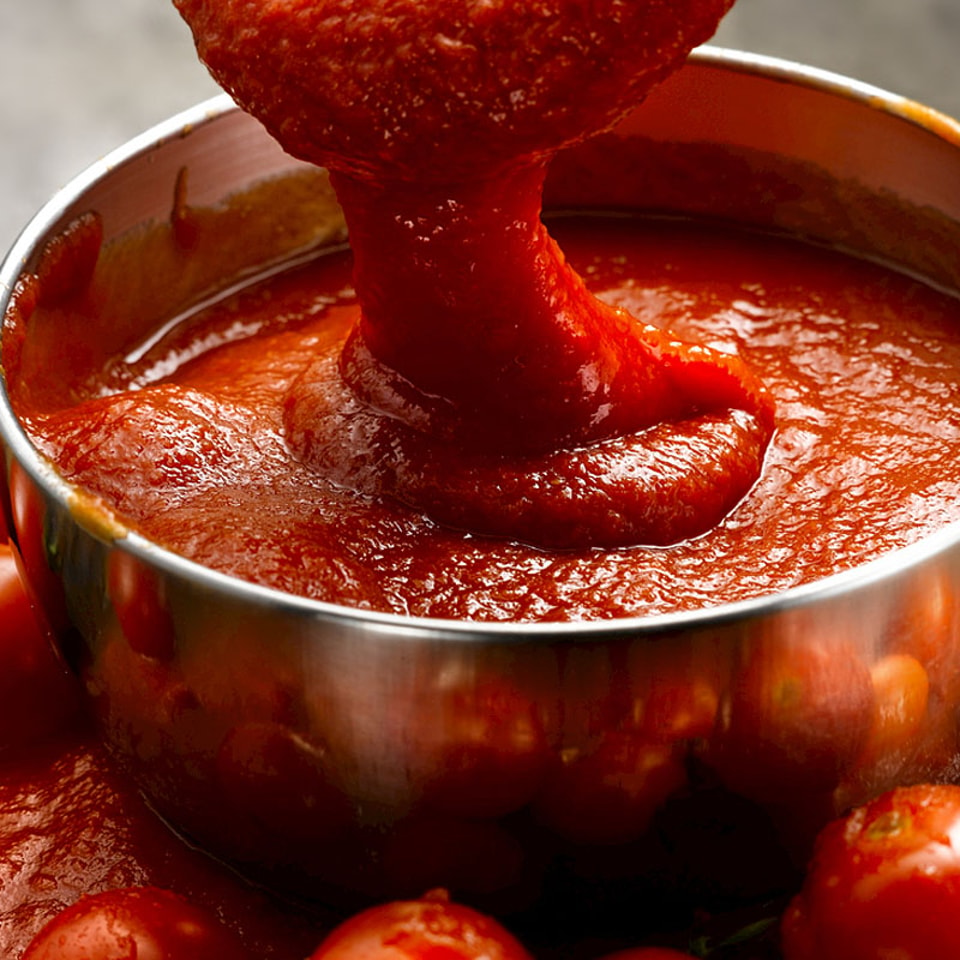
Tomato preparations solutions,Processing lines for tomato preparations
Fully automated production line customization: According to the specific needs of users, we provide a complete set of automated equipment and services from raw material processing to final product packaging.
•
Flexible procurement options: Help customers achieve cost-effective procurement strategies through standardized production processes.
•
Diversified product lines: Support the production of a variety of tomato products, including but not limited to ketchup, tomato sauce, canned tomato and juice, etc.
•
High quality standard design: The production line and related equipment are designed and manufactured in accordance with international high standards to ensure the output of high-quality products.
•
Particle standardization technology: The particle size in tomato products can be adjusted to meet the needs of different consumers for product texture.
•
Natural flavor retention: Using specific shear rates and gentle mixing technology to complete the processing while retaining the natural flavor of the raw materials.
•
Turnkey engineering service: Provide one-stop service from project planning to installation and commissioning to reduce the burden on customers.
The tomato processing and production process covers the main steps from raw material processing to finished product packaging:
Tomato Processing and Production Technology
1. Raw material receiving and cleaning:
After being transported to the processing plant, freshly picked tomatoes undergo preliminary screening to remove impurities, bad fruits, and other non-conforming products.
Use specialized cleaning equipment to thoroughly remove surface dirt and pesticide residues, ensuring hygiene and safety.
2. Enhancement and sorting:
After cleaning, tomatoes enter the sorting process through a conveyor belt and are classified according to their size, color, and other characteristics.
The automated sorting system can efficiently identify and eliminate products that do not meet standards, ensuring the quality of subsequent processing.
3. Crushing and pulping:
The sorted tomatoes are sent to the crusher and crushed into small pieces or directly made into a paste.
This step is crucial for preparing products such as tomato sauce and tomato sauce, as it helps to extract juice and fiber.
4. Enzymatic hydrolysis (optional):
In some cases, specific enzymes are added to break down large molecular substances, such as gum, to improve the taste and texture of the product.
The enzymatic hydrolysis process can be carried out under mild conditions without damaging the natural flavor of tomatoes.
5. Separation:
The mixture after beating enters a centrifuge or other type of separation device, from which solid particles (fruit pulp) and liquid parts (juice) are separated.
This process provides the basic materials for the subsequent different processing steps.
6. Concentration:
Remove excess moisture through evaporation or other physical methods to achieve the desired concentration of tomato products.
During the concentration process, precise control of temperature and time is required to avoid excessive heating and loss of nutrients.
7. Sterilization:
By utilizing High Temperature Transient Sterilization (HTST) or Ultra High Temperature Sterilization (UHT) technology, potential pathogenic bacteria can be effectively killed and the shelf life can be extended.
Ensure that the product can be stored for a long time without the addition of preservatives.
8. Aseptic filling:
Quickly fill processed tomato products into sealed containers in a sterile environment to prevent external microbial contamination.
The filling speed and accuracy directly affect the quality and packaging efficiency of the final product.
9. Packaging:
Choosing appropriate packaging materials and technologies not only protects product quality, but also attracts consumers to purchase.
Various forms including traditional glass bottles, metal cans, as well as modern plastic bags, paper boxes, etc., meet different market demands.
10. Quality inspection and warehousing:
Each batch of products must undergo strict quality inspection to ensure compliance with food safety standards.
Qualified products will be stored properly in warehouses, waiting to be distributed to retailers or sold directly to consumers.
Solutions and Value Added Services
Customized production line design:
Tailored a complete tomato processing production line according to the actual needs of customers, covering all necessary equipment and technical support.
• Technical support and training:
Provide comprehensive technical guidance and employee training services to help customers quickly master equipment operation and maintenance skills.
• Optimize cost structure:
By introducing advanced production processes and management models, we assist customers in reducing production costs and improving economic efficiency.
Sustainable development plan:
Promote the application of environmentally friendly packaging materials and explore the possibility of waste recycling to support green manufacturing.
In order to better assist you in understanding the processing production lines of tomato products, the following is an overview of the main processing production lines for different types of tomato products:
1. Tomato sauce production line
• Raw material processing:
• Receive fresh or refrigerated tomato ingredients.
Clean, sort, and remove impurities.
• Crushing and pulping:
Use a crusher to break tomatoes into small pieces.
The beater is further refined into a uniform slurry.
• Concentration:
Remove excess moisture through an evaporator to achieve the desired concentration (typically between 24% and 36%).
During the concentration process, temperature and time need to be controlled to maintain nutrient content.
• Sterilization:
Through high-temperature instantaneous sterilization (HTST) or ultra-high temperature sterilization (UHT), ensure product safety.
• Aseptic filling:
Fill the concentrated tomato sauce into bottles or other containers under sterile conditions.
• Packaging:
Choose appropriate packaging materials such as glass bottles, metal cans, etc. for sealed packaging.
2. Tomato sauce production line
• Raw material processing:
• Similar to the initial processing steps of tomato sauce.
• Chop and mix:
Cut the tomatoes into smaller chunks and mix them with other ingredients such as onions, garlic, spices, etc.
• Cooking and seasoning:
Boil at a specific temperature while adding appropriate amounts of salt, sugar, and other seasonings to enhance the flavor.
Grinding and screening:
Use a grinder to finely grind coarse particles, and then use a screening device to remove larger solid residues.
Sterilization and filling:
It also needs to be sterilized and filled in a sterile environment.
• Packaging:
Common packaging forms include plastic bottles, glass bottles, etc.
3. Tomato canning production line
• Raw material processing:
Fresh tomatoes are washed, peeled, sliced, or canned whole.
Add liquid medium:
Add water, salt water, sugar water, or tomato juice as filling solution as needed.
• Exhaust and sealing:
Vacuum the can to remove air and immediately seal it.
• Sterilization:
Perform high-pressure steam sterilization on sealed cans to ensure long-term storage safety.
• Cooling and labeling:
After sterilization, the canned food is quickly cooled and labeled for shipment.
4. Tomato juice production line
• Raw material processing:
Like other production lines, starting from cleaning and sorting.
• Juice extraction and filtration:
Extract juice using a juicer and remove pulp and large molecular substances through multi-stage filtration.
• Degassing and clarification:
Remove dissolved gases and clarify juice to improve transparency.
Sterilization and filling:
After necessary sterilization treatment, sterile filling technology is used.
• Packaging:
You can choose PET bottles, paper boxes, or other forms suitable for long-distance transportation and storage.
Characteristics and advantages of production line
• High degree of automation:
The entire process is highly automated, reducing the uncertainty caused by manual intervention and improving production efficiency.
Strict hygiene standards:
Each step follows strict hygiene standards to ensure the safety of the product.
• Strong flexibility:
The production line configuration can be adjusted according to market demand to adapt to products of different specifications and varieties.
• Energy saving and environmental protection:
Introduce new energy-saving technologies and equipment to reduce energy consumption and carbon emissions.
Shanghai Beyond Machinery Co., Ltd.
Beyond Machinery specializes in the design and manufacturing of tomato processing and production equipment.Please contact us now, and ourprofessional technical engineers will customize the equipment plan for Tomato processing and production and provide a quotation.Please contact us now to obtain the latest equipment plan and quotation.
1/24, 2025
Revolutionizing Dairy: Advanced Equipment for Recombined Milk Production
Recombined Milk Processing Equipment Recombined milk refers to a dairy product made by recombining skim milk powder, cream and other ingredients, adding water and other ingredients, and undergoing a series of processing techniques. The following are typical equipment and functions required in the recombined milk processing process:
1. Raw material preparation and mixing
•Dry Blender:
•Used to evenly mix dry substances such as skim milk powder, milk powder, sugar, stabilizer, etc.
•Ensure that the ingredients are evenly distributed to avoid agglomeration.
•Liquid Mixing Tank:
•Add water and cream or other liquid ingredients to the mixing tank for preliminary mixing.
•Equipped with a stirrer to ensure that the liquid and dry substances are fully mixed.
2. Preheating and homogenization
•Preheater:
•Preheat the mixed emulsion, usually to 40°C to 50°C.
•Maintain uniform temperature during heating to prevent local overheating.
•Homogenizer:
•Pass the emulsion through a valve with a tiny aperture under high pressure to break the fat globules and evenly disperse them.
•Ensure the product has a delicate taste and extend the shelf life.
3. Pasteurization
•Pasteurizer:
•Pasteurize the reconstituted milk, usually heating it to 72°C to 75°C for 15 to 20 seconds.
•Kill harmful microorganisms and retain nutrients and flavor.
•Plate Heat Exchanger:
•Used for heat exchange during heating and cooling to improve energy efficiency.
•Achieve rapid heating and cooling to ensure product quality.
4. Cooling and Storage
•Cooling System:
•Use a plate heat exchanger or cooling tower to quickly cool the pasteurized emulsion.
•Cool to about 4°C to prevent bacteria from reproducing.
•Cold Storage Tank:
•Store the cooled emulsion in a low-temperature environment to maintain the freshness of the product.
• Check the temperature regularly to ensure that the storage conditions are appropriate.
5. Packaging
• Aseptic Filler:
• Fill reconstituted milk into packaging containers such as cartons and plastic bottles under a sterile environment.
• Ensure aseptic operation during the filling process to avoid contamination.
• Sealer:
• Automatically seal the packaging container to ensure a good seal and prevent leakage.
• Mark the production date, shelf life and other information for easy traceability.
6. Quality Control and Testing
• Laboratory Testing Equipment:
• Including microbial detectors, physical and chemical analyzers, etc., for regular sampling and testing of product quality.
• Testing items include microbial indicators, nutrients, heavy metals, etc.
• Automated Control System:
• Use PLC or DCS system to monitor parameters such as temperature, pressure, flow and other parameters during the production process.
• Real-time data acquisition and remote monitoring to ensure that the production process is stable and controllable.
7. Environmental protection and safety
•Wastewater Treatment System:
•Treat wastewater generated during the production process to ensure that the discharge meets the standards.
•Recycle cleaning water to reduce water waste.
•Air Pollution Control Equipment:
•Reduce odor and harmful gas emissions generated during the production process.
•Use clean energy (such as solar energy and natural gas) to reduce carbon emissions.
Customize the process of recombining milk processing equipment according to your needs. The following is the detailed process flow and customized equipment required for the recombining milk processing plant. This process will ensure that the production process is efficient, safe, and meets food safety standards.
1. Project planning and design
• Requirement analysis:
Set daily production targets.
Confirm the product variety (such as whole fat reconstituted milk, low-fat reconstituted milk, flavored reconstituted milk, etc.).
Analyze the market and customer needs.
• Factory location and layout:
Choose a location with convenient transportation, sufficient water sources, and stable power supply.
Reasonable planning of functional areas such as production workshops, warehouses, laboratories, and offices.
• Material selection and procurement:
Select suitable key equipment such as dry mixers, liquid mixing tanks, homogenizers, pasteurizers, etc. based on production capacity.
Purchase auxiliary equipment such as high-quality filters, cooling systems, packaging materials, etc.
2. Preparation and mixing of raw materials
Dry mixer:
Used for uniformly mixing dry matter such as skim milk powder, milk powder, sugar, stabilizers, etc.
Ensure even distribution of ingredients and avoid clumping.
Liquid Mixing Tank:
Add water, cream, or other liquid ingredients to the mixing tank for pre mixing.
Equipped with a mixer to ensure good mixing of liquids and dry matter.
3. Preheating and homogenization
Preheater:
The mixed lotion is preheated, usually to 40 ° C to 50 ° C.
Maintain a uniform temperature during heating to avoid local overheating.
Homogenizer:
• Make the high-pressure lotion pass through the micropore valve, decompose the fat ball and disperse evenly.
Ensure that the product has a delicate taste and extend its shelf life.
4. Pasteurization
• Pasteurization machine:
Recombinant milk is pasteurized, typically heated to 72 ° C to 75 ° C and held for 15 to 20 seconds.
Kill harmful microorganisms and maintain nutrition and flavor.
Plate Heat Exchanger:
Used for heat exchange during heating and cooling processes to improve energy efficiency.
Allow for rapid heating and cooling to ensure product quality.
5. Cooling and storage
Cooling System:
• Use plate heat exchanger or cooling tower to quickly cool lotion after pasteurization.
• Cool to about 4 ° C to prevent bacterial growth.
Cold Storage Tank:
• Store the cooled lotion in a low temperature environment to keep the product fresh.
Regularly check the temperature to ensure suitable storage conditions.
6. Packaging
Aseptic filling machine (aseptic filling machine):
In a sterile environment, pack the reconstituted milk into packaging containers such as paper boxes, plastic bottles, etc.
Ensure sterile operation during the filling process to avoid contamination.
Sealing machine:
Automatically seal packaging containers to ensure good sealing and prevent leakage.
Record the production date, shelf life, and other information for traceability purposes.
7. Quality control and inspection
Laboratory Testing Equipment:
Including microbial detectors, physical and chemical analyzers, etc., used for regular sampling to test product quality.
The detection elements include microbial indicators, nutritional components, heavy metals, etc.
Automatic Control System:
Use PLC or DCS system to monitor temperature, pressure, flow and other parameters during the production process.
Real time data collection and remote monitoring ensure a stable and controllable production process.
8. Environmental protection and safety
Wastewater Treatment System:
Treat the wastewater generated during the production process to ensure that the discharge meets the requirements.
Recycling clean water to reduce water waste.
• Exhaust gas treatment equipment (air pollution control equipment):
Reduce odors and harmful gas emissions generated during the production process.
Reduce carbon emissions by using clean energy sources such as solar energy and natural gas.
9. Project implementation and debugging
Installation and debugging:
After equipment installation, conduct comprehensive debugging to ensure that each link works properly.
Conduct pilot production, adjust parameters, and optimize production processes.
• Staff training:
Train operators to operate and maintain equipment.
Training includes daily maintenance, troubleshooting, safety practices, etc.
10. Continuous improvement and optimization
• Feedback mechanism:
Establish a problem feedback mechanism to promptly collect issues and suggestions related to the production line.
Regularly evaluate production efficiency and product quality, and continuously optimize the process flow.
• Technological upgrade:
Pay attention to the latest technology and industry development trends, and timely introduce new technologies and equipment.
Improve the level of production automation, reduce labor costs, and enhance production efficiency.
Through the customized design of the above process, the restructured dairy processing plant can efficiently and safely produce high-quality products, meet market demand, and ensure consumer health.
Shanghai Beyond Machinery Co., Ltd.
Beyond Machinery specializes in the design and manufacturing of recombined Recombined milk processing equipment.Please contact us now, and ourprofessional technical
engineers will customize the equipment plan for Recombined milk processing plant and provide a quotation.Please contact us now to obtain the latest
equipment plan and quotation.
1/22, 2025
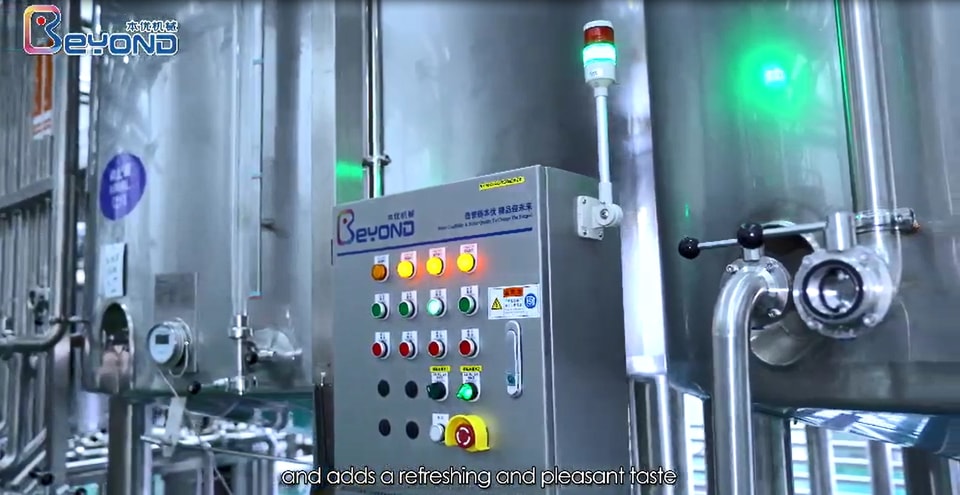
Dairy Excellence: A Comprehensive List of Essential Processing Equipment
To help you better understand the various types of equipment required in the milk processing process, the following is a detailed list of milk processing equipment. These equipment cover the entire production process from raw material processing to finished product packaging:
1. Raw material receiving and storage
• Raw milk cooling tank: used to quickly cool the raw milk just collected to maintain its freshness.
• Refrigerated storage tank: long-term storage of cooled raw milk to ensure stable temperature.
• Filters and centrifuges: remove impurities and fat globules to improve milk purity.
2. Pretreatment
• Standardization equipment: adjust the fat content and other components in milk.
• Homogenizer: use high pressure to evenly distribute fat globules to prevent stratification.
• Pasteurizer: gently heat and sterilize milk to retain more nutrients.
3. Main processing equipment
• Ultra-high temperature instant sterilization (UHT) equipment: instant high temperature sterilization to extend shelf life.
• Fermentation tank: used to make fermented dairy products such as yogurt, providing a suitable fermentation environment.
• Concentration equipment: such as evaporators, used to reduce water content and increase concentration.
4. Packaging equipment
• Aseptic filling machine: fills the processed milk into the packaging container under aseptic conditions.
• Sealing machine: seals the packaging container to ensure the safety and shelf life of the product.
• Labeling machine: adds labels to the packaging, marking brand information, production date, etc.
5. Quality control
• Laboratory testing instruments: such as microbiological detectors, chemical analyzers, etc., to ensure that product quality meets standards.
• Online monitoring system: real-time monitoring of key parameters in the production process, such as temperature, pH value, etc.
6. Cleaning and maintenance
• CIP (cleaning in place) system: automatically cleans the internal pipes and contact surfaces of production equipment to ensure hygiene standards.
• UV sterilizer: installed in key locations, using ultraviolet light to kill bacteria and other harmful microorganisms.
7. Auxiliary facilities
• Compressed air system: provides power source for certain equipment.
• Refrigeration unit: provides cold capacity support for cooling and refrigeration equipment.
• Wastewater treatment system: treats wastewater generated during the production process to ensure environmentally friendly discharge.
8. Automation control system
• PLC control system: realizes automated operation of the production line to improve efficiency and accuracy.
•SCADA system: remotely monitor and manage the entire production process.
Key equipment introduction
Dairy blending equipment plays a crucial role in dairy processing, ensuring even distribution of ingredients in milk and its derivatives such as yogurt, cream, cheese, etc. This type of equipment not only improves production efficiency, but also ensures product quality and consistency. The following is a detailed description of dairy mixing equipment:
1. Main types
According to different application requirements and technical characteristics, dairy mixing equipment can be divided into the following categories:
Horizontal Screw Blender:
Applicable materials: powder and granular materials, such as milk powder, lactose, etc.
Working principle: The material is pushed from one end to the other through a rotating screw, while achieving rolling and shearing effects to fully mix the material.
Vertical Mixer:
Applicable materials: Mixing of liquids and solids, such as mixing concentrated milk with stabilizers.
Working principle: Using a vertically installed mixing shaft, the rapid rotation of the blades creates strong turbulence in the container, achieving efficient mixing.
Cone Screw Blender:
Applicable materials: powders and fine particulate materials, such as milk powder, whey powder, etc.
Working principle: The conical hopper and double helix design can achieve uniform mixing of materials in a short period of time, especially suitable for products with high-precision requirements.
3D Motion Blender:
Applicable materials: dairy products that require high-precision mixing, such as special formula milk powder.
Working principle: Through the composite motion in three directions, the material forms a complex flow path inside the container, thereby achieving more uniform mixing.
Fluidized Bed Blender:
Applicable materials: Heat sensitive materials, such as certain functional dairy products.
Working principle: By blowing animal materials with gas to form a fluidized state, mild and uniform mixing is carried out during this process to avoid damage to heat sensitive components.
2. Key characteristics
The key characteristics of dairy mixing equipment include:
Efficient and uniform: Ensure that various components are evenly distributed in the shortest possible time, improving production efficiency.
• Health and safety: Equipment materials are usually made of food grade stainless steel, which is easy to clean and disinfect and meets strict hygiene standards.
• Automation control: Modern hybrid equipment is often equipped with PLC control systems, which can achieve precise time and speed control, ensuring consistent quality of each batch of products.
• Multifunctionality: Some devices can adapt to multiple materials and formulas to meet the production needs of different products.
3. Application scenarios
Dairy mixing equipment is widely used in the following areas:
Milk powder production: used to mix various ingredients such as skim milk powder, lactose, vitamins, etc. evenly to ensure nutritional balance.
Yogurt manufacturing: Mix fermentation bacteria, sweeteners, fruit granules and other ingredients evenly to enhance taste and flavor.
• Cheese processing: Used in the cheese making process to mix milk, salt, and other additives to ensure consistency in quality and taste.
Liquid milk processing: Before pasteurization or UHT treatment, various additives are thoroughly mixed with milk to ensure stable product quality.
4. Maintenance and upkeep
In order to ensure the long-term stable operation and efficient performance of dairy mixing equipment, daily maintenance and regular upkeep are crucial:
• Cleaning and hygiene: Residual materials should be promptly cleaned after each use to prevent clumping or deterioration, which may affect the mixing effect for the next time.
Lubrication inspection: Regularly inspect the transmission components of the equipment, such as bearings, gears, etc., add an appropriate amount of lubricating oil to reduce wear.
Sealing inspection: Ensure that all seals are intact and prevent material leakage or external impurities from entering.
Electrical system: Regularly inspect electrical components such as motors and control systems to ensure their normal operation and avoid safety hazards.
Calibration testing: Regularly calibrate parameters such as mixing time and speed to ensure that the equipment is always in optimal working condition.
Dairy buffering equipment
Dairy buffering equipment plays a crucial role in the processing of dairy products, especially in temporarily storing and regulating material flow in production lines. This type of equipment ensures the continuity and stability of the production process, avoiding production interruptions or quality issues caused by changes in upstream or downstream processes. The following is a detailed description of dairy buffering equipment:
1. Main types
According to different application requirements and technical characteristics, dairy buffering equipment can be divided into the following categories:
Buffer Tanks:
Applicable scenarios: Suitable for temporary storage of liquid materials such as milk, yogurt base, cream, etc.
Working principle: Store a certain amount of material in a large capacity storage tank and adjust the flow difference between upstream and downstream processes. Buffer tanks are usually equipped with stirring devices to prevent material sedimentation or stratification.
Online Buffer Systems:
Applicable scenarios: Suitable for continuous production lines, such as between processes such as pasteurization, UHT treatment, filling, etc.
Working principle: Automatic material switching and flow regulation are achieved through pipeline and valve systems to ensure the smooth operation of the production line. This type of system is usually integrated with automation control systems and can adjust buffer capacity in real-time according to actual needs.
Mobile Buffer Stations:
Applicable scenarios: Suitable for production environments that require flexible deployment, such as small factories or temporary production lines.
Working principle: Adopting movable small buffering equipment, it is convenient to move between different workstations to meet the changing production needs. These types of devices typically have independent operating systems and control panels.
Static Mixers:
Applicable scenarios: Suitable for materials that require slight mixing, such as liquid milk with added stabilizers or pigments.
Working principle: By fixing a special structure inside the pipeline, uniform mixing is achieved during material flow, while also providing a certain buffering effect to reduce pressure fluctuations.
2. Key characteristics
The key characteristics of dairy buffering equipment include:
Flow regulation: It can store a large amount of materials in a short period of time, regulate the flow difference between upstream and downstream processes, and ensure the continuity of the production process.
• Temperature control: Some buffering devices are equipped with heating or cooling systems to ensure that materials maintain a suitable temperature during storage and prevent quality changes.
• Health and safety: Equipment materials are usually made of food grade stainless steel, which is easy to clean and disinfect and meets strict hygiene standards.
• Automation control: Modern buffering equipment is often equipped with PLC control systems, which can achieve precise liquid level monitoring and flow control, ensuring consistent quality of each batch of products.
• Multifunctionality: Some devices can adapt to multiple materials and formulas to meet the production needs of different products.
3. Application scenarios
Dairy buffering equipment is widely used in the following areas:
Liquid milk production: used to regulate material flow before and after pasteurization or UHT treatment to ensure smooth operation of the production line.
Yogurt manufacturing: During the material transportation process before and after fermentation, it plays a buffering and flow regulation role to avoid affecting the fermentation effect.
Cheese processing: Used for storing and regulating materials between ingredient mixing and shaping processes to ensure the continuity of the production process.
Ice cream production: It plays a buffering and flow regulating role between raw material mixing and freezing processes, ensuring consistency in product quality.
4. Maintenance and upkeep
In order to ensure the long-term stable operation and efficient performance of dairy buffering equipment, daily maintenance and regular upkeep are crucial:
• Cleanliness: Residual materials should be promptly cleaned after each use to prevent clumping or spoilage, which may affect the next production.
Lubrication inspection: Regularly inspect the transmission components of the equipment, such as mixing shafts, gears, etc., add an appropriate amount of lubricating oil to reduce wear.
Sealing inspection: Ensure that all seals are intact and prevent material leakage or external impurities from entering.
Electrical system: Regularly inspect electrical components such as motors and control systems to ensure their normal operation and avoid safety hazards.
Calibration testing: Regularly calibrate parameters such as liquid level sensors and flow meters to ensure that the equipment is always in optimal working condition.
Dairy Separation Equipment
Dairy Separation Equipment plays a crucial role in dairy processing, mainly used to separate different components such as fat, protein, lactose, etc. from milk or other dairy products. These devices not only improve product quality, but also optimize the production process, ensuring the stability and consistency of the final product. The following is a detailed description of dairy product separation equipment:
1. Main types
According to different separation principles and technical characteristics, dairy separation equipment can be divided into the following categories:
Centrifugal separator:
• Applicable scenarios: Widely used for the separation of skim milk, cream, casein, etc.
Working principle: Using centrifugal force generated by high-speed rotation to separate liquid or solid components with different densities. Common centrifugal separators include disc centrifuges and tube centrifuges.
Disc Stack Centrifuge: Suitable for large-scale continuous production, increasing separation area and improving separation efficiency through multiple conical discs.
Tubular Bowl Centrifuge: Suitable for the separation of small batches or special materials, with a simple structure and easy operation.
Membrane Filtration System:
Applicable scenarios: Used for ultrafiltration, microfiltration, nanofiltration and other processes to separate whey protein, lactose and other components.
Working principle: By utilizing the selective permeation properties of semi permeable membranes, substances of different molecular weights are separated. Common membrane separation technologies include:
Ultrafiltration (UF): used for concentrating and clarifying dairy products to remove large molecular impurities.
Microfiltration (MF): used to remove bacteria and particulate matter, extending product shelf life.
Nanofiltration (NF): used to regulate the mineral and salt content in dairy products.
• Evaporator:
Applicable scenarios: Used for concentrating liquid milk, whey, etc., reducing moisture content.
Working principle: By heating, water evaporates, thereby increasing the concentration of dairy products. Common types of evaporators include:
Multiple Effect Evaporator: By connecting multiple evaporators in series, it fully utilizes steam heat energy and improves energy utilization efficiency.
Vacuum Evaporator: Evaporates in a low-pressure environment to lower the boiling point and avoid the influence of high temperature on thermosensitive components.
• Settling Tank:
Applicable scenarios: Used for preliminary separation of heavier solid particles, such as impurities in colostrum.
Working principle: By gravity settling, denser particles settle to the bottom of the container, and the upper clear liquid is collected for subsequent processing.
2. Key characteristics
The key characteristics of dairy separation equipment include:
Efficient Separation: Able to achieve precise separation of multiple components in a short period of time, improving production efficiency.
• Health and safety: Equipment materials are usually made of food grade stainless steel, which is easy to clean and disinfect and meets strict hygiene standards.
• Automation control: Modern separation equipment is often equipped with PLC control systems, which can achieve precise control of operating parameters and ensure consistent quality of each batch of products.
• Multifunctionality: Some devices can adapt to multiple materials and formulas to meet the production needs of different products.
Energy saving and efficient: Adopting advanced separation technology and processes to reduce energy consumption and improve resource utilization.
3. Application scenarios
Dairy separation equipment is widely used in the following areas:
• Skimmed milk production: Separate the fat in milk through a centrifuge to prepare skim milk or low-fat milk.
• Cream making: Concentrate the fat in milk into cream, which is used to make high-fat dairy products such as butter and ice cream.
Whey processing: Extracting whey protein through membrane separation technology for the production of functional foods and health supplements.
Cheese processing: During the cheese making process, casein and other components are separated to ensure the texture and flavor of the cheese.
Dairy product concentration: By using evaporation concentration equipment to reduce the moisture in dairy products, concentrated dairy products such as condensed milk and formula milk are prepared.
4. Maintenance and upkeep: In order to ensure the long-term stable operation and efficient performance of dairy separation equipment, daily and regular maintenance are crucial:
• Cleanliness: After each use, residual materials should be promptly cleaned to prevent clumping or deterioration, which may affect the separation effect next time.
Lubrication inspection: Regularly inspect the transmission components of the equipment, such as bearings, gears, etc., add an appropriate amount of lubricating oil to reduce wear.
Sealing inspection: Ensure that all seals are intact and prevent material leakage or external impurities from entering.
Electrical system: Regularly inspect electrical components such as motors and control systems to ensure their normal operation and avoid safety hazards.
Calibration testing: Regularly calibrate parameters such as sensors and flow meters to ensure that the equipment is always in optimal working condition.
Special note: For milk processing plants of different sizes and types, the specific configuration may be different. Small farms or family workshops may not need a full set of equipment, while large industrial production enterprises require a more comprehensive and efficient combination of equipment.
Shanghai Beyond Machinery Co., Ltd.
Beyond Machinery specializes in the design and manufacturing of dairy equipments.Please contact us now, and ourprofessional technical engineers will customize the equipment plan for dairy production line and provide a quotation.Please contact us now to obtain the latest equipment plan and quotation.
1/20, 2025
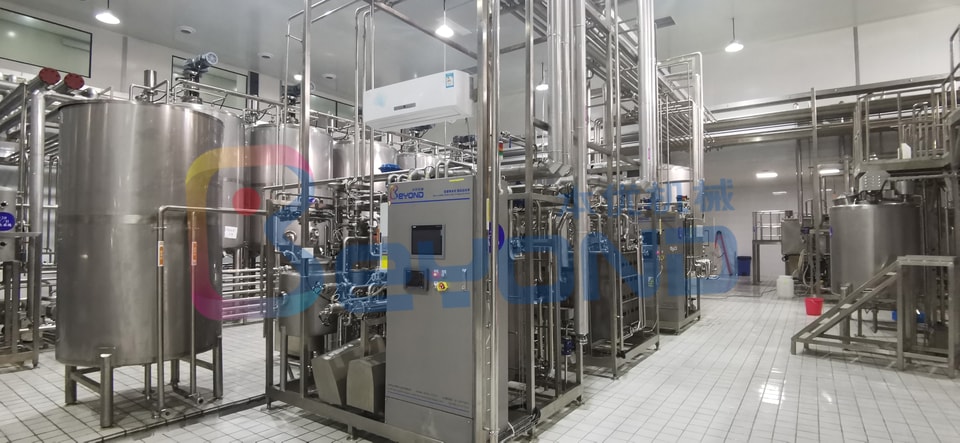
Dairy Equipment Manufacturers in 2025: Innovations and Trends Shaping the Future
The dairy industry is undergoing significant transformations, driven by technological advancements, changing consumer preferences, and increasing environmental concerns. By 2025, dairy equipment manufacturers are expected to play a pivotal role in revolutionizing this sector through innovative solutions that enhance efficiency, sustainability, and product quality. This article explores the key trends and innovations that will shape the future of dairy equipment manufacturing.
Advancements in Automation and Robotics
One of the most significant trends in 2025 will be the widespread adoption of automation and robotics in dairy processing plants. Advanced robots equipped with artificial intelligence (AI) and machine learning algorithms can perform complex tasks with precision and speed. These robots can handle raw milk reception, cleaning, mixing, pasteurization, packaging, and even quality control. The integration of AI-driven systems ensures real-time monitoring and optimization of production processes, leading to higher yields and reduced operational costs.
Automation also extends to maintenance and predictive analytics. Sensors embedded in machinery continuously monitor performance and predict potential failures, enabling proactive maintenance and minimizing downtime. This level of automation not only enhances productivity but also improves worker safety by reducing human exposure to hazardous environments.
Emphasis on Sustainability and Green Manufacturing
Environmental sustainability is becoming increasingly important for dairy equipment manufacturers. By 2025, companies will focus on developing eco-friendly technologies that reduce energy consumption and minimize waste. For example, heat recovery systems capture and reuse excess heat generated during processing, significantly lowering energy bills. Water recycling systems treat and reuse wastewater, reducing freshwater usage and ensuring compliance with stringent environmental regulations.
In addition, manufacturers are exploring renewable energy sources such as solar and wind power to power their facilities. Some companies are even experimenting with biogas production from organic waste, turning a byproduct into a valuable resource. Such initiatives align with global efforts to combat climate change and promote circular economies.
Enhanced Food Safety and Quality Assurance
Food safety remains a top priority for dairy processors. In 2025, dairy equipment manufacturers will introduce cutting-edge technologies to ensure the highest standards of hygiene and quality. Advanced sterilization methods, such as ultraviolet (UV) light and pulsed electric fields (PEF), offer non-thermal alternatives to traditional pasteurization, preserving more nutrients and extending shelf life.
Moreover, blockchain technology will play a crucial role in traceability and transparency. Blockchain platforms provide an immutable record of every step in the supply chain, from farm to table. This transparency builds consumer trust and enables quick responses to food safety incidents. Additionally, IoT sensors and smart packaging can monitor temperature and other critical parameters throughout transportation and storage, ensuring products remain fresh and safe.
Customization and Flexibility
Consumer demand for diverse and personalized dairy products is driving the need for flexible manufacturing systems. By 2025, dairy equipment manufacturers will offer modular and scalable solutions that can easily adapt to different product lines and batch sizes. Flexible production lines enable rapid switching between various recipes and formulations, accommodating seasonal and regional preferences.
Furthermore, digital twins—virtual replicas of physical systems—will allow manufacturers to simulate and optimize production processes before implementation. This approach reduces trial-and-error, speeds up time-to-market, and ensures optimal performance from day one.
Conclusion
By 2025, dairy equipment manufacturers will be at the forefront of innovation, delivering advanced technologies that transform the dairy industry. Automation, sustainability, enhanced food safety, and customization will be the cornerstones of this transformation. As these manufacturers continue to push boundaries, they will not only meet the evolving needs of consumers and regulators but also contribute to a more sustainable and efficient food production system. The future of dairy equipment manufacturing looks promising, with endless opportunities for growth and improvement.
Shanghai Beyond Machinery Co., Ltd.
Beyond Machinery specializes in the design and manufacturing of milk production line.Please contact us now, and ourprofessional technical engineers will customize the equipment plan for milk production line and provide a quotation.Please contact us now to obtain the latest equipment plan and quotation.
12/31, 2024
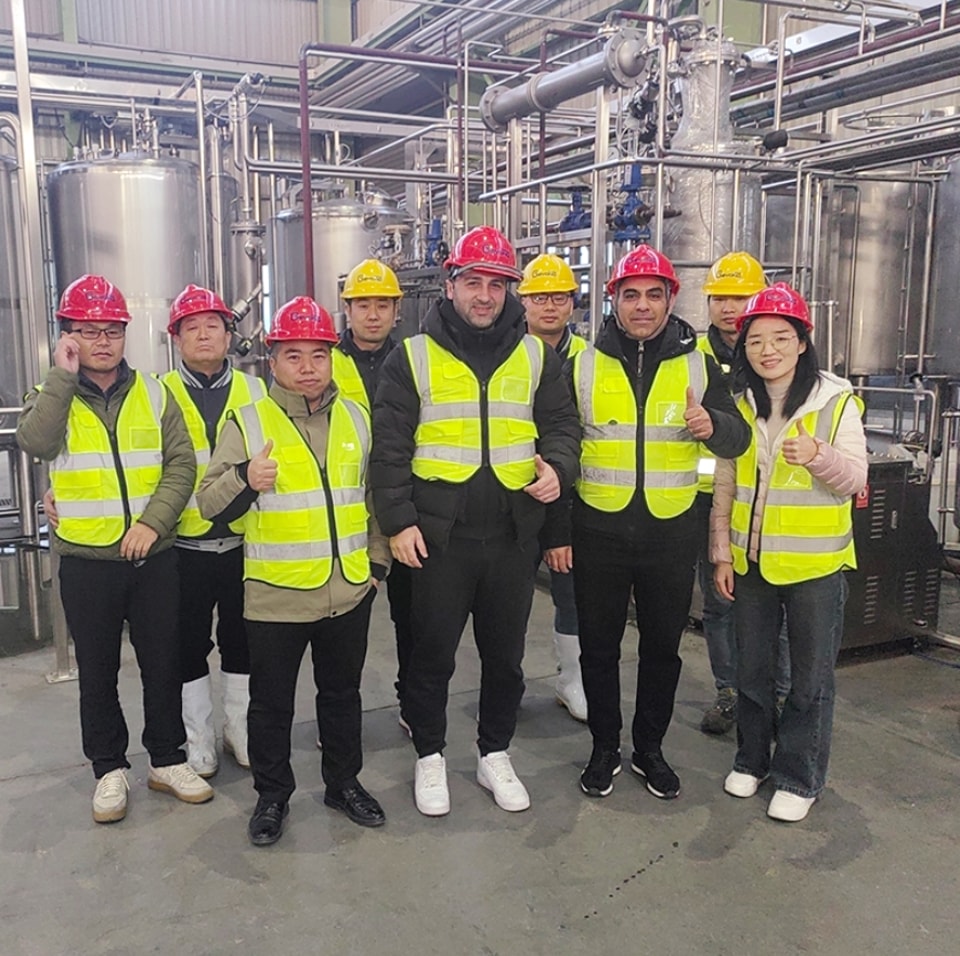
Beyond Machinery successfully delivered a milk coffee production line to Azerbaijan
Recently, Beyond Machinery Co., Ltd. announced the successful delivery and installation of an advanced milk coffee production line to Azerbaijan, marking another major breakthrough for the company in the international market. This production line not only meets the demand for high-quality milk coffee in the Azerbaijan market, but also demonstrates Beyond Machinery's strong strength and technical level in the field of automated production equipment.
Project Background
Azerbaijan is a country located in the South Caucasus region. In recent years, its economy has developed rapidly, and consumers' demand for high-quality beverages has increased. In order to meet this market demand, a well-known local food company decided to introduce an advanced milk coffee production line to improve product quality and production efficiency. After many investigations and comparisons, the company finally chose Beyond Machinery as its partner.
Production Line Features
The milk coffee production line tailored by Beyond Machinery for Azerbaijan customers has the following significant features:
1. Fully automated operation: The production line adopts an advanced automated control system to achieve full process automation from raw material processing to finished product packaging, greatly improving production efficiency and product quality.
2. High efficiency and energy saving: The production line adopts an energy-saving design, which reduces energy consumption, reduces production costs, and meets environmental protection requirements.
3. Precision control: Through precise sensors and control systems, precise control of each step of the production process is ensured, ensuring the stability and consistency of the product.
4. Flexible configuration: The production line can be flexibly configured according to customer needs, supporting the production of a variety of products to meet the needs of different markets.
5. Safe and reliable: The production line adopts multiple safety protection measures to ensure the safety of operators and the smooth progress of the production process.
Project implementation
During the implementation of the project, the Beyond Machinery team worked closely with Azerbaijan customers to ensure that every link meets the highest standards. From scheme design, equipment manufacturing to on-site installation and commissioning, Beyond Machinery's professional team participated in the whole process to ensure the smooth progress of the project.
1. Scheme design: Beyond Machinery has developed a detailed production line design plan based on the specific needs of customers, and has conducted many technical exchanges and optimizations.
2. Equipment manufacturing: The company strictly manufactures equipment in accordance with international standards to ensure the quality and performance of each piece of equipment.
3. On-site installation: Beyond Machinery sent an experienced team of engineers to Azerbaijan to carry out on-site installation and commissioning to ensure the normal operation of the production line.
4. Training support: In order to help customers better use and maintain the production line, Beyond Machinery also provides comprehensive operation training and technical support services.
Customer feedback
Azerbaijan customers spoke highly of Beyond Machinery's production line. They said that this production line not only improved the quality and production efficiency of the products, but also greatly shortened the production cycle, bringing significant economic benefits to the company. The customer also said that in the future, Beyond Machinery will continue to maintain close cooperation with Beyond Machinery to jointly explore a broader market.
Future Outlook
The successful delivery of Beyond Machinery not only consolidates its position in the international market, but also lays a solid foundation for the company's further development in the field of food and beverage equipment. The company will continue to uphold the business philosophy of "innovation, quality, and service" and continue to launch more high-quality products and services to meet the diverse needs of global customers.
Conclusion
The successful cooperation between Beyond Machinery and Azerbaijan customers is not only a model of mutual benefit and win-win for both parties, but also an important breakthrough for China's manufacturing industry in the international market. With the continuous expansion of the global market, Beyond Machinery will continue to be committed to technological innovation and quality improvement to provide customers with more high-quality products and solutions.
Shanghai Beyond Machinery Co., Ltd.
Beyond Machinery specializes in the design and manufacturing of milk coffee production line.Please contact us now, and ourprofessional technical engineers will customize the equipment plan for milk coffee production line and provide a quotation.Please contact us now to obtain the latest equipment plan and quotation.
12/24, 2024
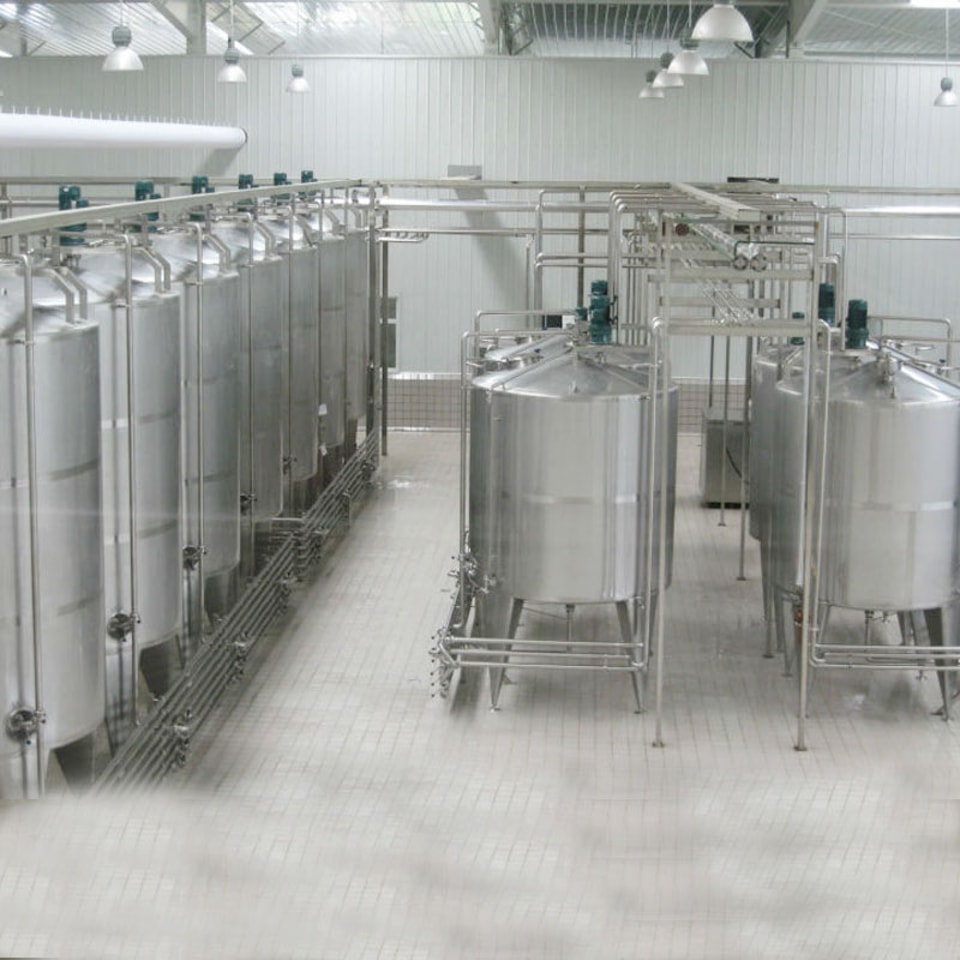
The Inside Story: Understanding the Investment in Milk Processing Plant Equipment
The cost of establishing a milk processing factory varies due to various factors, including factory size, equipment selection, geographical location, production capacity, and required technological level. Here are some major cost factors and their approximate ranges to help you better understand and plan:
1. Land and buildings
Land acquisition: Land costs vary greatly depending on geographical location. The land prices in suburban areas of cities may range from several hundred to several thousand dollars per square meter.
Construction costs: including factory building, offices, warehouses, etc. In general, the construction cost may range from $1000 to $3000 per square meter.
2. Equipment cost
Pasteurizer: The price of a small pasteurizer may range from $10000 to $50000, while a large equipment may cost up to hundreds of thousands of dollars.
Homogenizer: The price of small homogenizers ranges from several thousand to tens of thousands of dollars, while large equipment may be more expensive.
Filters: priced between a few hundred to several thousand dollars.
Cooling system: including plate heat exchangers, priced between several thousand to tens of thousands of dollars.
Packaging machine: The price of an automatic packaging machine may range from tens of thousands of dollars to tens of thousands of dollars.
CIP cleaning system: priced between several thousand to tens of thousands of dollars.
3. Other equipment and facilities
Storage tank: used for storing raw milk and finished milk, priced between several thousand to tens of thousands of dollars.
Conveyor system: used for material transportation, priced between several thousand to tens of thousands of dollars.
Laboratory equipment: used for quality testing, priced between several thousand to tens of thousands of dollars.
4. Installation and commissioning
Installation costs: including equipment installation, pipeline laying, electrical connections, etc., generally accounting for 10% -20% of the total equipment cost.
Debugging costs: including equipment debugging, testing, and verification, generally accounting for 5% -10% of the total equipment cost.
5. License and Certification
Government licensing: Depending on regulations in different countries and regions, certain licensing fees may need to be paid.
Certification fees: Certification fees such as HACCP, ISO, etc. can range from several thousand to tens of thousands of dollars.
6. Initial operating costs
Raw material procurement: In the initial stage, a certain amount of raw milk needs to be reserved.
Employee training: Train operators to ensure proper operation of equipment.
Marketing: including brand building and marketing expenses.
7. Operating costs
Energy costs: including water, electricity, gas, and other expenses.
• Labor costs: including wages, benefits, etc.
• Maintenance costs: Regular maintenance and upkeep of equipment to ensure normal operation.
Example of Cost Estimation: Assuming you plan to establish a medium-sized milk processing plant with an annual production capacity of 5000 tons, the following is a rough cost estimate:
Land and buildings: $500000
Equipment cost: 1000000 US dollars
• Other equipment and facilities: $300000
Installation and debugging: $200000
License and Certification: $50000
• Initial operating cost: $100000
• Operating costs (first year): $500000
Total: Approximately $2650000 Notes
Market research: Conduct detailed market research to understand local market demand and competition before deciding to invest.
Financial planning: Develop a detailed financial plan, including funding sources, investment return rates, etc.
Compliance with regulations: Ensure that all operations comply with local laws and regulations to avoid unnecessary legal risks.
I hope this information can help you better plan and make decisions. If you need more detailed data or specific quotations, please contact us.
Shanghai Beyond is a professional dairy processing equipment manufacturer, providing solutions for dairy processing production lines ranging from small to large. Here are some detailed information about us:
Company Profile
Main business: design, manufacture, and sales of dairy processing equipment, food processing equipment, and beverage processing equipment.
• Product range:
Pasteurization machine: Low temperature long time (LTLT) and high temperature short time (HTST) pasteurizers.
Homogenizer: High pressure homogenizer, suitable for the dairy and beverage industries.
Filters: Various types of filters used to remove impurities from milk.
• Cooling system: Plate heat exchangers and other cooling equipment.
Packaging machine: automatic and semi-automatic packaging machines, suitable for packaging needs of different capacities.
CIP cleaning system: a fully automatic cleaning system to ensure the hygiene and cleanliness of equipment.
advantage
Advanced technology: Adopting internationally advanced design concepts and technologies to ensure the efficiency, reliability, and safety of equipment.
Customized services: Provide personalized solutions and equipment configurations based on the specific needs of customers.
After sales service: Provide comprehensive after-sales service and technical support to ensure the normal operation of customers' equipment.
Quality assurance: Strictly implement the ISO9001 quality management system to ensure that product quality meets international standards.
Product Case
Small milk processing plants: provide complete pasteurization, homogenization, cooling, and packaging production lines, suitable for small farms and family farms.
Medium sized dairy processing plants: provide larger scale production lines suitable for medium-sized dairy enterprises and cooperatives.
Large dairy processing plants: providing comprehensive dairy processing solutions suitable for large dairy enterprises.
Shanghai Beyond Machinery Co., Ltd.
Beyond Machinery specializes in the design and manufacturing of milk processing plant.Please contact us now, and ourprofessional technical engineers will customize the equipment plan for milk processing plant and provide a quotation.Please contact us now to obtain the latest equipment plan and quotation.
12/16, 2024
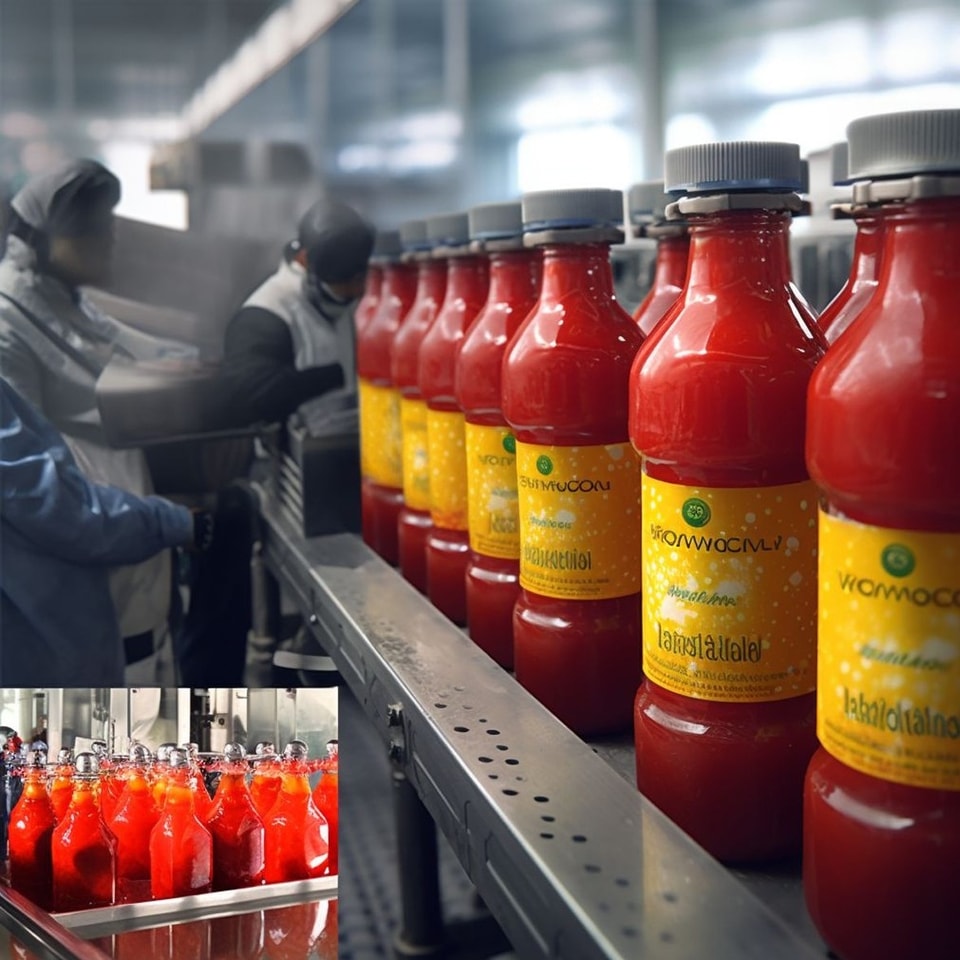
Innovative Solutions for Tomato Paste Production: Case Studies from Leading Factories
Specific application cases of large-scale industrial tomato sauce processing factories, which usually adopt advanced technology and automated production lines to achieve efficient and high-quality production and meet large-scale market demand.
Case 1: A globally leading tomato product manufacturer - a seasoning group
Background:
• Company name: Seasoning Group
• Product type: Various tomato products, including tomato sauce, tomato sauce, tomato puree, etc
• Production scale: Leading globally with multiple large processing plants
Main equipment:
• Raw material receiving and cleaning: Fully automatic cleaning line equipped with conveyor belt and high-pressure spray system to ensure thorough cleaning of tomatoes.
• Crushing and pretreatment: Large crushers can quickly crush tomatoes into pulp while removing impurities.
Boiling and Concentrating: A multifunctional continuous boiling pot equipped with a steam heating system for efficient concentration.
Seasoning and mixing: A large mixing tank used to add various seasonings and mix them evenly.
• Filtration: An efficient centrifugal filter machine is used to remove the skin and seeds, ensuring the delicacy of tomato sauce.
• Filling and sealing: The fully automatic filling and sealing machine can quickly and accurately fill tomato sauce into bottles and seal them.
Sterilization: High temperature instantaneous sterilization equipment (UHT) ensures product safety and shelf life.
• Cooling: The rapid cooling system quickly cools the sterilized tomato sauce to room temperature.
• Packaging: Fully automatic packaging line, including labeling machines, packing machines, etc., to achieve complete packaging of finished products.
• Refrigeration and Storage: Large refrigerated warehouses ensure the freshness of products during storage and transportation.
technological process:
1. Raw material receiving and cleaning: Tomatoes enter the fully automatic cleaning line through a conveyor belt and are thoroughly cleaned by a high-pressure spray system.
2. Crushing and pretreatment: The cleaned tomatoes enter a large crusher and are crushed into a slurry.
3. Boiling and Concentrating: Tomato paste enters a multifunctional continuous boiling pot and is boiled and concentrated to the desired concentration through a steam heating system.
4. Seasoning and mixing: The concentrated tomato paste is poured into a large mixing tank, and various seasonings are added and evenly mixed.
5. Filtration: The mixed tomato sauce is filtered through an efficient centrifugal filter to remove the skin and seeds, resulting in a delicate tomato sauce.
6. Filling and sealing: Tomato sauce is filled into bottles and sealed using a fully automatic filling and sealing machine.
7. Sterilization: The sealed bottle enters the high-temperature instantaneous sterilization equipment (UHT) for sterilization treatment.
8. Cooling: The sterilized bottle is rapidly cooled to room temperature through a rapid cooling system.
9. Packaging: After cooling, the bottles enter the fully automatic packaging line and complete the packaging steps such as labeling and packing.
10. Refrigeration and Storage: Packaged finished products are stored in large refrigerated warehouses to ensure their freshness and shelf life.
Case 2: A regional large-scale tomato product manufacturer - a large food company
Background:
• Company name: A large food company
• Product type: Various tomato products, including tomato sauce, tomato puree, tomato juice, etc
• Production scale: Regional large-scale processing plants
Main equipment:
Raw material receiving and cleaning: Fully automatic cleaning line equipped with conveyor belt and high-pressure spray system.
• Crushing and pretreatment: Large crushers can quickly crush tomatoes and remove impurities.
Boiling and Concentrating: A multifunctional continuous boiling pot equipped with a steam heating system.
Seasoning and mixing: A large mixing tank used to add various seasonings and mix them evenly.
• Filtration: Efficient centrifugal filter to remove fruit peels and seeds.
• Filling and sealing: Fully automatic filling and sealing machine, capable of high-speed and precise filling and sealing.
Sterilization: High temperature instantaneous sterilization equipment (UHT) ensures product safety and shelf life.
• Cooling: The rapid cooling system quickly cools the sterilized tomato sauce to room temperature.
• Packaging: Fully automatic packaging line, including labeling machines, packing machines, etc.
• Refrigeration and Storage: Large refrigerated warehouses ensure the freshness and shelf life of products.
technological process:
1. Raw material receiving and cleaning: Tomatoes enter the fully automatic cleaning line through a conveyor belt and are thoroughly cleaned by a high-pressure spray system.
2. Crushing and pretreatment: The cleaned tomatoes enter a large crusher and are crushed into a slurry.
3. Boiling and Concentrating: Tomato paste enters a multifunctional continuous boiling pot and is boiled and concentrated to the desired concentration through a steam heating system.
4. Seasoning and mixing: The concentrated tomato paste is poured into a large mixing tank, and various seasonings are added and evenly mixed.
5. Filtration: The mixed tomato sauce is filtered through an efficient centrifugal filter to remove the skin and seeds, resulting in a delicate tomato sauce.
6. Filling and sealing: Tomato sauce is filled into bottles and sealed using a fully automatic filling and sealing machine.
7. Sterilization: The sealed bottle enters the high-temperature instantaneous sterilization equipment (UHT) for sterilization treatment.
8. Cooling: The sterilized bottle is rapidly cooled to room temperature through a rapid cooling system.
9. Packaging: After cooling, the bottles enter the fully automatic packaging line and complete the packaging steps such as labeling and packing.
10. Refrigeration and Storage: Packaged finished products are stored in large refrigerated warehouses to ensure their freshness and shelf life.
Case 3: A Modern Tomato Products Processing Factory - A Food Factory
Background:
• Company name: A certain food factory
• Product type: Various tomato products, including tomato sauce, tomato puree, tomato soup, etc
• Production scale: modern large-scale processing plants
Main equipment:
Raw material receiving and cleaning: Fully automatic cleaning line equipped with conveyor belt and high-pressure spray system.
• Crushing and pretreatment: Large crushers can quickly crush tomatoes and remove impurities.
Boiling and Concentrating: A multifunctional continuous boiling pot equipped with a steam heating system.
Seasoning and mixing: A large mixing tank used to add various seasonings and mix them evenly.
• Filtration: Efficient centrifugal filter to remove fruit peels and seeds.
• Filling and sealing: Fully automatic filling and sealing machine, capable of high-speed and precise filling and sealing.
Sterilization: High temperature instantaneous sterilization equipment (UHT) ensures product safety and shelf life.
• Cooling: The rapid cooling system quickly cools the sterilized tomato sauce to room temperature.
• Packaging: Fully automatic packaging line, including labeling machines, packing machines, etc.
• Refrigeration and Storage: Large refrigerated warehouses ensure the freshness and shelf life of products.
technological process:
1. Raw material receiving and cleaning: Tomatoes enter the fully automatic cleaning line through a conveyor belt and are thoroughly cleaned by a high-pressure spray system.
2. Crushing and pretreatment: The cleaned tomatoes enter a large crusher and are crushed into a slurry.
3. Boiling and Concentrating: Tomato paste enters a multifunctional continuous boiling pot and is boiled and concentrated to the desired concentration through a steam heating system.
4. Seasoning and mixing: The concentrated tomato paste is poured into a large mixing tank, and various seasonings are added and evenly mixed.
5. Filtration: The mixed tomato sauce is filtered through an efficient centrifugal filter to remove the skin and seeds, resulting in a delicate tomato sauce.
6. Filling and sealing: Tomato sauce is filled into bottles and sealed using a fully automatic filling and sealing machine.
7. Sterilization: The sealed bottle enters the high-temperature instantaneous sterilization equipment (UHT) for sterilization treatment.
8. Cooling: The sterilized bottle is rapidly cooled to room temperature through a rapid cooling system.
9. Packaging: After cooling, the bottles enter the fully automatic packaging line and complete the packaging steps such as labeling and packing.
10. Refrigeration and Storage: Packaged finished products are stored in large refrigerated warehouses to ensure their freshness and shelf life.
Success factors
Technological innovation: Adopting advanced production equipment and technology to improve production efficiency and product quality.
Quality control: Strict production process management and quality testing ensure that products meet international standards.
Market expansion: Expand the market through various channels, including supermarkets, catering industry, food processing plants, etc.
Supply chain management: Optimize supply chain management to ensure stable supply of raw materials and cost control.
These cases demonstrate typical applications of large-scale industrial tomato sauce processing factories, and we hope this information is helpful to you.
Shanghai Beyond Machinery Co., Ltd.
Beyond Machinery specializes in the design and manufacturing of tomato paste processing plant.Please contact us now, and ourprofessional technical engineers will customize the equipment plan for tomato paste processing plant and provide a quotation.Please contact us now to obtain the latest equipment plan and quotation.
12/12, 2024
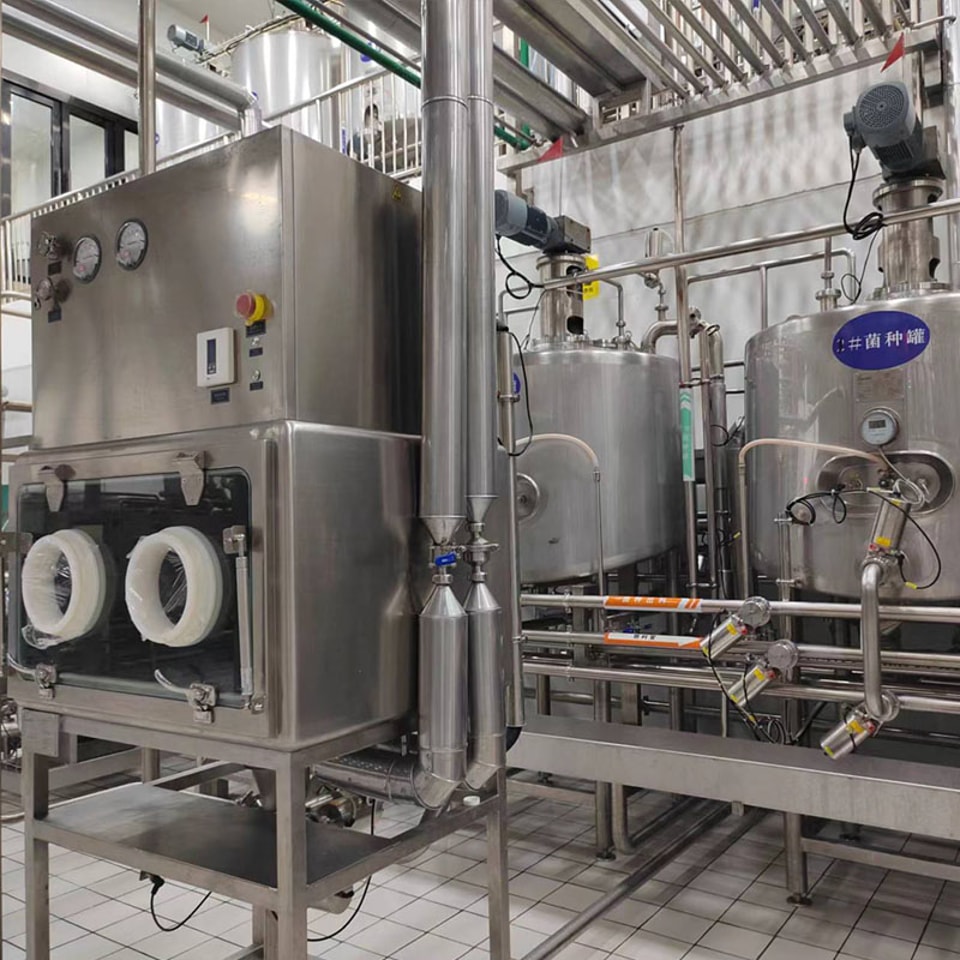
Scaling Up with Simplicity: Case Studies in Efficient Small-Scale Yoghurt Production
Small yogurt production equipment is very common in small dairy enterprises and family farms, and they usually have the characteristics of low investment costs, easy operation and maintenance. The following are some application cases of small-scale yogurt production equipment, demonstrating their usage in different scenarios.
Case 1: Family Farm - Farmer's Self Production and Self Sales Background:
• Company name: Happiness Farm
• Product type: Natural yogurt
• Production scale: Small scale
Production equipment:
Fermentation tank: A small stainless steel fermentation tank with a capacity of 100-500 liters, equipped with temperature control function.
Blender: A manual or electric mixer used to mix raw milk and fermenting agents.
Pasteurization machine: a small pasteurizer used for preliminary sterilization of raw milk.
Filling machine: a manual or semi-automatic filling machine used to fill yogurt into containers.
• Refrigeration equipment: a small refrigerated warehouse used to store fermented yogurt.
technological process:
1. Raw milk receiving and inspection: manual sampling to ensure the quality of raw milk.
2. Pasteurization: Use a small pasteurizer to sterilize raw milk, typically at a temperature of 85 ° C for 15 minutes.
3. Cooling: Quickly cool the sterilized milk to 40-45 ° C and prepare to add the fermenting agent.
4. Inoculate the fermentation agent: Add the fermentation agent to the cooled milk and stir thoroughly.
5. Fermentation: Pour the mixed milk into a fermentation tank, control the temperature at 40-45 ° C, and ferment for 4-6 hours.
6. Cooling: After fermentation is complete, cool the yogurt to around 4 ° C and stop the fermentation process.
7. Filling: Use manual or semi-automatic filling machines to fill yogurt into containers.
8. Storage: Store the filled yogurt in the refrigerator and keep it at a low temperature.
Success factors:
• Raw milk quality: Strictly control the quality of raw milk to ensure the taste and safety of the product.
Market positioning: Positioned as a healthy and natural product, attracting consumers who value health.
• Sales channels: Sell products through local farmers' markets, social media, and other channels.
Case 2: Community Dairy Processing Workshop - Background of Small and Micro Enterprises Supported by the Community:
• Company Name: Community Dairy Workshop
• Product type: Yogurt with multiple flavors
• Production scale: Small scale
Production equipment:
Fermentation tank: Stainless steel fermentation tank with a capacity of 500-1000 liters and temperature control function.
Blender: An electric mixer used for mixing raw milk and fermenting agents.
Pasteurization machine: a small pasteurizer used for preliminary sterilization of raw milk.
Filling machine: a semi-automatic filling machine used to fill yogurt into containers.
• Refrigeration equipment: Medium sized refrigerated storage for storing fermented yogurt.
technological process:
1. Raw milk receiving and inspection: manual sampling to ensure the quality of raw milk.
2. Pasteurization: Use a small pasteurizer to sterilize raw milk, typically at a temperature of 85 ° C for 15 minutes.
3. Cooling: Quickly cool the sterilized milk to 40-45 ° C and prepare to add the fermenting agent.
4. Inoculate the fermentation agent: Add the fermentation agent to the cooled milk and stir thoroughly.
5. Fermentation: Pour the mixed milk into a fermentation tank, control the temperature at 40-45 ° C, and ferment for 4-6 hours.
6. Cooling: After fermentation is complete, cool the yogurt to around 4 ° C and stop the fermentation process.
7. Seasoning and mixing: Add fruit, honey and other seasonings according to different taste requirements and mix them together.
8. Filling: Use a semi-automatic filling machine to fill yogurt into containers.
9. Storage: Store the filled yogurt in the refrigerator and keep it at a low temperature.
Success factors:
• Product diversity: We offer a variety of flavors of yogurt to meet the needs of different consumers.
Community support: Relying on the support of the community, establish stable sales channels.
Quality control: A strict quality control system ensures the safety and taste of the product.
Case 3: Start up Dairy Enterprise - Innovative Yogurt Product Background:
• Company name: Innovative Dairy Company
• Product type: Functional yogurt (such as probiotic yogurt, low sugar yogurt)
• Production scale: Small scale
Production equipment:
Fermentation tank: Stainless steel fermentation tank with a capacity of 500-1000 liters and temperature control function.
Blender: An electric mixer used for mixing raw milk and fermenting agents.
Pasteurization machine: a small pasteurizer used for preliminary sterilization of raw milk.
Filling machine: a semi-automatic filling machine used to fill yogurt into containers.
• Refrigeration equipment: Medium sized refrigerated storage for storing fermented yogurt.
• Testing equipment: Small laboratory testing equipment used to test the quality of products.
technological process:
1. Raw milk receiving and inspection: manual sampling to ensure the quality of raw milk.
2. Pasteurization: Use a small pasteurizer to sterilize raw milk, typically at a temperature of 85 ° C for 15 minutes.
3. Cooling: Quickly cool the sterilized milk to 40-45 ° C and prepare to add the fermenting agent.
4. Inoculate the fermentation agent: Add the fermentation agent to the cooled milk and stir thoroughly.
5. Fermentation: Pour the mixed milk into a fermentation tank, control the temperature at 40-45 ° C, and ferment for 4-6 hours.
6. Cooling: After fermentation is complete, cool the yogurt to around 4 ° C and stop the fermentation process.
7. Functional ingredient addition: Add probiotics, low sugar and other ingredients according to product requirements.
8. Filling: Use a semi-automatic filling machine to fill yogurt into containers.
9. Testing: Use small laboratory testing equipment to conduct quality testing on products.
10. Storage: Store the filled yogurt in the refrigerator and keep it at a low temperature.
Success factors:
Innovative products: Develop functional yogurt with unique selling points to meet specific market demands.
Market positioning: Accurately target consumers and carry out effective market promotion.
Quality control: A strict quality control system ensures the safety and taste of the product.
These cases demonstrate the application of different types of small-scale yogurt production equipment in different scenarios, helping small businesses and family farms achieve efficient and low-cost yogurt production.
Shanghai Beyond Machinery Co., Ltd.
Beyond Machinery specializes in the design and manufacturing of small scale yoghurt production equipment.Please contact us now, and ourprofessional technical engineers will customize the equipment plan for small scale yoghurt production equipment and provide a quotation.Please contact us now to obtain the latest equipment plan and quotation.
12/11, 2024
Maximizing Efficiency and Quality: Case Studies of Milk Processing Equipment
Milk processing equipment plays a crucial role in the dairy industry, covering the entire production process from receiving, storing, pre-processing, processing, packaging to finished products of raw milk. Here are some typical application cases of milk processing equipment:
1. Pasteurization equipment
1.1 Case Background
• Customer: A large dairy product company
• Product: Pasteurized milk
• Production capacity: 100 tons per day
1.2 Production Process
1. Raw milk reception: Receive fresh raw milk from the pasture.
2. Inspection: Conduct quality testing on raw milk to ensure compliance with standards.
3. Filtration: Remove impurities from raw milk.
4. Standardization: Adjust the fat content to meet product standards.
5. Homogenization: Refining fat particles and improving taste through a homogenizer.
6. Pasteurization: Use pasteurization equipment to sterilize milk at low temperatures for a long time, preserving its nutritional content.
7. Cooling: Quickly cool the sterilized milk to the appropriate temperature.
8. Filling: Fill the cooled milk into a packaging container.
9. Sealing: Seal the packaging container.
10. Packaging: Wrap the sealed product externally.
11. Storage and transportation: Store finished products in refrigerated warehouses and transport them to sales points.
1.3 Key equipment
Pasteurization equipment: used for low-temperature and long-term sterilization.
Homogenizer: used for homogenization treatment.
• Cooler: Used for rapid cooling.
Filling machine: used for filling.
Sealing machine: used for sealing packaging containers.
2. Ultra high temperature instantaneous sterilization equipment (UHT)
2.1 Case Background
• Customer: An internationally renowned dairy product brand
• Product: Long shelf life milk
• Production capacity: 200 tons per day
2.2 Production Process
1. Raw milk reception: Receive fresh raw milk from the pasture.
2. Inspection: Conduct quality testing on raw milk to ensure compliance with standards.
3. Filtration: Remove impurities from raw milk.
4. Standardization: Adjust the fat content to meet product standards.
5. Homogenization: Refining fat particles and improving taste through a homogenizer.
6. Ultra high temperature instantaneous sterilization: Use UHT equipment to sterilize milk at high temperature for a short period of time, ensuring that the product is stored at room temperature for a long time.
7. Cooling: Quickly cool the sterilized milk to the appropriate temperature.
8. Aseptic filling: Fill cooled milk into packaging containers in a sterile environment.
9. Sealing: Seal the packaging container.
10. Packaging: Wrap the sealed product externally.
11. Storage and transportation: Store finished products in a room temperature warehouse and transport them to sales points.
2.3 Key Equipment
UHT equipment: used for high-temperature short-term sterilization.
Homogenizer: used for homogenization treatment.
• Cooler: Used for rapid cooling.
Aseptic filling machine: used for aseptic filling.
Sealing machine: used for sealing packaging containers.
3. Yogurt production line
3.1 Case Background
• Customer: A local dairy company
• Product: Yogurt
• Production capacity: 50 tons per day
3.2 Production Process
1. Raw milk reception: Receive fresh raw milk from the pasture.
2. Inspection: Conduct quality testing on raw milk to ensure compliance with standards.
3. Filtration: Remove impurities from raw milk.
4. Standardization: Adjust the fat content to meet product standards.
5. Heating: Heat the raw milk to the appropriate fermentation temperature.
6. Vaccination: Add fermentation agents such as lactic acid bacteria.
7. Fermentation: Fermentation is carried out under constant temperature conditions.
8. Cooling: Cool the fermented yogurt to a suitable temperature.
9. Mixing: Mix the yogurt evenly.
10. Filling: Fill yogurt into packaging containers.
11. Sealing: Seal the packaging container.
12. Packaging: Wrap the sealed product externally.
13. Storage and transportation: Store finished products in refrigerated warehouses and transport them to sales points.
3.3 Key Equipment
Fermentation tank: used for fermentation.
Heater: used for heating.
• Cooler: Used for cooling.
Blender: used for mixing.
Filling machine: used for filling.
Sealing machine: used for sealing packaging containers.
4. Milk powder production line
4.1 Case Background
• Customer: A manufacturer of infant formula milk powder
• Product: Infant formula milk powder
• Production capacity: 30 tons per day
4.2 Production Process
1. Raw milk reception: Receive fresh raw milk from the pasture.
2. Inspection: Conduct quality testing on raw milk to ensure compliance with standards.
3. Filtration: Remove impurities from raw milk.
4. Standardization: Adjust the fat content to meet product standards.
5. Concentration: Concentrate the raw milk through an evaporator.
6. spray drying: dry the concentrated milk spray into powder.
7. Cooling: Cool the powder to a suitable temperature.
8. Mixing: Add nutrients such as vitamins and minerals.
9. Filling: Fill the mixed milk powder into a packaging container.
10. Sealing: Seal the packaging container.
11. Packaging: Wrap the sealed product externally.
12. Storage and transportation: Store finished products in a dry and ventilated warehouse and transport them to sales points.
4.3 Key equipment
Evaporator: used for concentration.
• spray drying tower: used for spray drying.
• Cooler: Used for cooling.
Blender: used for mixing nutritional components.
Filling machine: used for filling.
Sealing machine: used for sealing packaging containers.
Success factors
Equipment selection: Choose high-quality equipment that is suitable for production needs.
Process optimization: Continuously optimize the production process to improve production efficiency and product quality.
Quality control: A strict quality control system ensures product quality at every stage.
Environmental protection: Take measures to reduce wastewater and exhaust emissions and protect the environment.
Employee training: Regularly train employees to improve their operational skills and safety awareness.
I hope these application cases of milk processing equipment can provide you with reference and assistance. If you have more specific needs or questions, please feel free to let me know at any time!
Shanghai Beyond Machinery Co., Ltd.
Beyond Machinery specializes in the design and manufacturing of milk processing equipment.Please contact us now, and ourprofessional technical engineers will customize the equipment plan for milk processing equipment and provide a quotation.Please contact us now to obtain the latest equipment plan and quotation.
12/10, 2024
Crafting Delight: Inside the Plum Jam Production Line
The plum jam production line is an automated equipment system specifically designed for producing plum jam. This production line covers multiple key steps from raw material processing to final product packaging, including raw material receiving, cleaning, de nucleating, shredding, preheating, pulping, concentration, sterilization, cooling, filling, sealing, labeling, and boxing. By adopting advanced automation control, efficient raw material processing, vacuum concentration, continuous sterilization, and intelligent packaging technology, the production line can ensure the quality, safety, and consistency of jam. At the same time, the production line also pays attention to energy utilization and environmental protection, achieving sustainable production through measures such as waste heat recovery, wastewater treatment, and green packaging.
The use of advanced technology and equipment in the design and implementation of plum jam production lines can significantly improve production efficiency, product quality, and safety. Here are some key technological highlights:
1. High degree of automation
•
Automated control system: PLC (programmable logic controller) and SCADA (data acquisition and monitoring control system) are used to achieve automated control of the production line, reducing manual intervention and improving production efficiency and stability.
•
Robot technology: Introducing robots in the packaging and boxing process to improve work efficiency and reduce labor intensity.
2. Efficient raw material processing
•
Multi level cleaning system: using a combination of bubble cleaning machine and spray cleaning machine to effectively remove soil and impurities on the surface of plums, ensuring the cleanliness of raw materials.
•
Efficient Core Removal Machine: Using advanced core removal machines, plum pits can be quickly and accurately removed, reducing raw material loss.
3. Advanced processing technology
•
Preheating and pulping: Use a steam preheater to preheat plums, making them easier to mash. An efficient blender can grind plums into a delicate pulp, enhancing the taste of jam.
•
Vacuum concentration: Using a vacuum evaporator for concentration, jam can be quickly concentrated at lower temperatures, retaining more natural flavors and nutrients.
•
Continuous sterilization: Using a continuous sterilization line, jam is subjected to high-temperature instantaneous sterilization to ensure food safety while reducing the impact on jam flavor.
4. Intelligent packaging and inspection
•
Automatic filling machine: Using high-precision automatic filling machines to ensure consistent capacity of each jam bottle and improve packaging quality.
•
Sealing and labeling: Using a screw cap sealing machine and a heat sealing machine to ensure the sealing of the packaging. Automatic labeling machines can quickly and accurately apply labels, improving production efficiency.
•
Online detection: Set up weight detection, metal detection and other online detection equipment on the packaging line to ensure the quality and safety of each product.
5. Environmental protection and energy conservation
•
Wastewater treatment: equipped with a wastewater treatment system to treat the wastewater generated during the production process, discharge it in compliance with standards, and reduce environmental pollution.
•
Energy recovery: Waste heat recovery technology is adopted in the preheating and concentration stages to improve energy utilization efficiency and reduce production costs.
6. Data management and traceability
•
Production data management: MES (Manufacturing Execution System) is used to collect and manage real-time data during the production process, achieving transparency and traceability of the production process.
•
Product quality traceability: Through barcode or QR code technology, each batch of products is identified to achieve full traceability from raw materials to finished products, ensuring product quality.
7. Safety and hygiene
•
Sanitary design: The equipment on the production line is made of stainless steel material, with a simple design that is easy to clean and disinfect, and meets GMP (Good Manufacturing Practice) requirements.
•
Safety protection: Install safety protection devices at critical locations, such as emergency stop buttons, safety doors, etc., to ensure the safety of operators.
8. Flexible production
•
Modular design: The production line adopts modular design, which can flexibly adjust equipment configuration according to different production needs and adapt to the production of multiple products.
•
Quick Line Switching: By using standardized interfaces and quick replacement devices, quick switching between different products can be achieved, improving production flexibility.
9. Intelligent maintenance
•
Remote monitoring: Through IoT technology, remote monitoring and fault diagnosis of production equipment can be achieved, problems can be detected and solved in a timely manner, and downtime can be reduced.
•
Preventive maintenance: Using big data analysis technology to analyze the operational data of equipment, predict potential failures, perform maintenance in advance, and extend equipment lifespan.
Plum jam production line: raw materials and products
1. Raw materials
•
Plums: Choose fresh and moderately ripe plums as the main ingredient. Plums should be free from pests and diseases, have bright colors, and have a good taste.
•
Water: Used for cleaning plums and other purposes in the production process, the water quality should meet food production standards.
•
Sugar: Used to adjust the sweetness of jam, common sugars include white sugar, brown sugar, honey, etc.
•
Lemon juice: Adding lemon juice can increase the acidity of jam, make the taste more rich, and also have a certain preservative effect.
•
Spices (optional): According to product requirements, some spices such as cinnamon, vanilla, etc. can be added to enhance flavor.
2. Product
•
Plum jam: The finished plum jam should have the following characteristics:
•
Color: Deep red or purple red, with uniform color.
•
Taste: Delicate, smooth, with a certain thickness, non stick to teeth.
•
Flavor: Sweet with a hint of acidity, rich fruit aroma, and no off flavors.
•
Shelf life: Under appropriate conditions, it can usually be stored for 6-12 months.
•
Packaging: Common packaging forms include glass bottles, plastic bottles, aluminum foil bags, etc. The packaging should be well sealed, moisture-proof, and oxidation resistant.
Energy utilization and environmental protection are crucial aspects in the design and operation of plum jam production lines. Here are some key energy and environmental measures and technologies:
1. Energy utilization
•
Efficient boiler system: using efficient steam boilers to provide the heat energy required for production. Efficient boilers can reduce fuel consumption and improve thermal efficiency.
•
Waste heat recovery: In the preheating and concentration stages, waste heat recovery technology is used to reuse the generated waste heat and reduce energy consumption. For example, waste heat can be transferred to cold water through a heat exchanger for preheating raw materials or cleaning water.
•
Variable frequency drive technology: Variable frequency drive technology is used in equipment such as motors and pumps to adjust power according to actual needs and reduce unnecessary energy waste.
•
Energy saving lighting: Use energy-saving lighting equipment such as LED to reduce lighting energy consumption.
2. Environmental protection
•
Wastewater treatment: Equipped with a wastewater treatment system to treat the wastewater generated during the production process, ensuring compliance with environmental discharge standards. Common treatment methods include physical methods (precipitation, filtration), chemical methods (neutralization, coagulation), and biological methods (activated sludge, biofilm).
•
Waste gas treatment: During the concentration and sterilization process, some volatile organic compounds (VOCs) may be generated. Using technologies such as activated carbon adsorption and catalytic combustion to treat exhaust gases and reduce their impact on the environment.
•
Solid waste treatment: Reasonably handle solid waste generated during the production process, such as plum pits, fruit peels, etc. Resource utilization can be achieved through composting, biomass energy conversion, and other methods.
•
Noise control: During equipment design and installation, measures such as shock absorption and sound insulation are taken to reduce noise pollution, protect the working environment and the quality of life of surrounding residents.
3. Green packaging
•
Degradable materials: Use biodegradable or recyclable packaging materials to reduce the generation of plastic waste. For example, bio based plastics or paper packaging can be chosen.
•
Lightweight design: Optimize packaging design, reduce the use of packaging materials, and lower carbon emissions during transportation.
•
Reuse: Encourage consumers to reuse packaging containers and reduce the waste of disposable packaging.
4. Environmental monitoring and management
•
Online monitoring: Set up online monitoring equipment during the production process to monitor real-time emissions of wastewater, exhaust gas, etc., to ensure compliance with environmental standards.
•
Environmental Management System: Establish and improve an environmental management system, such as ISO 14001, develop environmental protection policies and procedures, conduct regular environmental audits and improvements.
•
Employee training: Regularly provide environmental awareness and skills training to employees to improve their environmental awareness and operational level.
5. Continuous improvement
•
Energy audit: Conduct regular energy audits to evaluate energy utilization efficiency, identify areas for improvement, and develop energy-saving measures.
•
Technological innovation: Continuously pay attention to and introduce new energy-saving and environmental protection technologies to enhance the green level of production lines.
•
Social responsibility: Actively participate in environmental protection activities in the community and industry, fulfill corporate social responsibility, and establish a good corporate image.
Customizing a plum jam production line is a complex process involving multiple steps, including raw material processing, processing, packaging, and more. Here is a detailed customized solution to help you plan and implement this project:
1. Requirement analysis
•
Product Objective: Determine the type of plum jam you wish to produce (such as plain, low sugar, organic, etc.).
•
Production scale: Determine the daily or hourly production capacity.
•
Quality standards: Clarify the quality standards of the product, including taste, color, nutritional content, etc.
•
Market positioning: Determine the target market and consumer group of the product.
2. Process flow design
Raw material processing
•
Raw material receiving: Set up a raw material receiving area to ensure the freshness and hygiene of the raw materials.
•
Cleaning: Use a cleaning machine to remove dirt and impurities from the surface of raw materials.
•
De nucleate: Use a de nucleating machine to remove plum pits.
•
Chop: Chop the pitted plums into small pieces for subsequent processing.
machining
•
Preheating: Use a preheater to heat the chopped plums, making them easier to process.
•
Beating: Use a beater to mash the heated plums into a pulp.
•
Concentrate: Use an evaporator to concentrate the slurry to the desired concentration, forming jam.
•
Sterilization: Use sterilization equipment to sterilize concentrated jam at high temperatures to ensure food safety.
•
Cooling: Cool the sterilized jam to a suitable temperature.
packing
•
Filling: Use a filling machine to fill jam into bottles or bags.
•
Sealing: Use a sealing machine to seal the packaging to ensure sealing.
•
Labeling: Use a labeling machine to attach labels to the packaging, indicating product information.
•
Packing: Pack the packaged jam into boxes and prepare for shipment.
3. Equipment selection
•
Raw material receiving area: conveyor belt, storage bin.
•
Cleaning machine: Bubble cleaning machine or spray cleaning machine.
•
De nuclear machine: an efficient de nuclear machine.
•
Chopper: Multi functional chopper.
•
Preheater: Steam preheater or hot water preheater.
•
Beating machine: Efficient beating machine.
•
Evaporator: Vacuum evaporator or thin film evaporator.
•
Sterilization equipment: high-pressure sterilization pot or continuous sterilization line.
•
Cooling equipment: Plate heat exchanger or cooling tower.
•
Filling machine: Automatic filling machine.
•
Sealing machine: rotary sealing machine or heat sealing machine.
•
Labeling machine: automatic labeling machine.
•
Packing machine: Automatic packing machine.
4. Technical consultation and evaluation
•
Cost assessment: Evaluate the cost of equipment, including purchase cost, installation cost, operating cost, and maintenance cost.
•
Technical evaluation: Evaluate the technical performance of equipment to ensure that it meets production requirements and quality standards.
5. Scheme confirmation
•
Technical exchange: Conduct detailed technical exchanges with suppliers to confirm the specific configuration and technical details of the equipment.
•
Contract signing: Sign a contract with the supplier to clarify the rights and obligations of both parties.
6. Production and manufacturing
•
Production preparation: The supplier prepares for production based on the confirmed plan, including raw material procurement, component processing, etc.
•
Assembly and debugging: After the equipment is assembled, preliminary debugging is carried out to ensure the normal operation of each component.
7. Installation and debugging
•
On site installation: Transport the equipment to your factory for on-site installation.
•
System debugging: Debugging the entire production system to ensure smooth operation of every link.
•
Performance testing: Conduct performance testing to ensure that the equipment achieves the expected production efficiency and product quality.
8. Training and Acceptance
•
Operation training: The supplier provides training to your operators to ensure they are proficient in operating the equipment.
•
Equipment acceptance: Conduct a comprehensive acceptance of the equipment to ensure that it meets the technical requirements and performance indicators stipulated in the contract.
9. Post service
•
Technical support: Suppliers provide necessary technical support to solve problems that arise during equipment operation.
•
Maintenance and upkeep: Regularly maintain and upkeep equipment to extend its service life.
Matters needing attention
•
Regulatory compliance: Ensure that the design and production of equipment comply with local food safety regulations and standards.
•
Environmental protection: Consider the environmental performance of equipment and reduce the discharge of wastewater and exhaust gas.
•
Safety measures: Ensure the safety performance of the equipment and prevent accidents during operation.
I hope the above plan can help you smoothly customize an efficient plum jam production line.
Shanghai Beyond Machinery Co., Ltd.
Beyond Machinery specializes in the design and manufacturing of plum jam production line.Please contact us now, and ourprofessional technical engineers will customize the equipment plan for plum jam production line and provide a quotation.Please contact us now to obtain the latest equipment plan and quotation.
11/25, 2024
Maximizing Efficiency in Orange Processing: A Complete Guide
The citrus industry, particularly the orange processing sector, is a vital part of the global food and beverage market. An efficient and modern orange processing plant is essential for ensuring the highest quality of products, from fresh oranges to juices, concentrates, and other derivatives. This guide will provide a comprehensive overview of what to consider when setting up or purchasing an orange processing plant, the key components of such a facility, and the benefits it can bring to your business.
1. Introduction to Orange Processing Plants
An orange processing plant is a specialized facility designed to handle the entire process of converting raw oranges into various end products, such as fresh fruit, juice, concentrate, and essential oils. The plant typically includes several stages, including receiving, sorting, washing, extracting, pasteurizing, and packaging. Each stage is crucial for maintaining the quality and safety of the final product.
2. Key Components of an Orange Processing Plant
2.1 Receiving and Sorting
•Receiving Area: This is where raw oranges are received and inspected for quality. The area should be equipped with scales, conveyors, and inspection stations.
•Sorting Equipment: Oranges are sorted based on size, color, and quality. Advanced optical sorters and grading machines use cameras and sensors to ensure only the best fruit is processed.
2.2 Washing and Sanitizing
•Washing Stations: Oranges are washed to remove dirt, pesticides, and other contaminants. High-pressure water jets and brushes are commonly used.
•Sanitizing Systems: Post-washing, oranges are sanitized using chlorine or other approved sanitizers to eliminate any remaining bacteria.
2.3 Extracting and Juicing
•Juice Extractors: These machines are designed to efficiently extract juice from the oranges. Modern extractors minimize pulp and maximize juice yield.
•Pulp Separators: After extraction, the juice is separated from the pulp. Centrifuges and filters are used to achieve this separation.
2.4 Pasteurization and Sterilization
•Pasteurization Systems: Juice is heated to a specific temperature to kill harmful microorganisms. Flash pasteurization and high-temperature short-time (HTST) pasteurization are common methods.
•Sterilization Equipment: For long-term storage, juice may be sterilized using ultra-high-temperature (UHT) processing.
2.5 Concentration and Drying
•Evaporators: Juice is concentrated by removing water through evaporation. Multiple-effect evaporators and falling film evaporators are widely used.
•Dryers: For producing dried orange products, spray dryers and freeze dryers are employed to remove moisture while preserving flavor and nutrients.
2.6 Packaging and Storage
•Packaging Machines: Juice and other products are packaged in bottles, cartons, or cans. Automated filling and sealing lines ensure consistent and hygienic packaging.
•Storage Facilities: Products are stored in refrigerated or ambient conditions, depending on the type of product. Proper temperature control is essential to maintain quality.
3. Benefits of a Modern Orange Processing Plant
3.1 Increased Efficiency
•Automation: Modern plants use advanced automation systems to streamline processes, reducing labor costs and increasing throughput.
•Energy Efficiency: Energy-efficient equipment and systems, such as heat recovery systems and optimized motors, help reduce operational costs.
3.2 Enhanced Product Quality
•Quality Control: State-of-the-art quality control systems, including inline monitoring and testing, ensure that products meet the highest standards.
•Consistency: Automation and standardized processes result in consistent product quality, which is crucial for brand reputation and customer satisfaction.
3.3 Scalability
•Modular Design: Many modern plants are designed with modular components, allowing for easy expansion and upgrades as your business grows.
•Flexibility: The ability to switch between different product lines (e.g., juice, concentrate, essential oils) provides flexibility and diversification opportunities.
4. Considerations When Setting Up an Orange Processing Plant
4.1 Site Selection
•Location: Choose a location that is close to the source of raw materials (oranges) and has good transportation links for distribution.
•Infrastructure: Ensure the site has access to reliable utilities, such as electricity, water, and waste management facilities.
4.2 Regulatory Compliance
•Health and Safety Standards: Adhere to local and international health and safety regulations, such as HACCP (Hazard Analysis and Critical Control Points) and GMP (Good Manufacturing Practices).
•Environmental Regulations: Comply with environmental regulations, including wastewater treatment and disposal.
4.3 Technology and Equipment
•State-of-the-Art Machinery: Invest in the latest technology and equipment to ensure efficiency and quality. Consider factors such as maintenance requirements and lifespan.
•Integration and Compatibility: Ensure that all equipment is compatible and can be integrated into a seamless system.
5. Conclusion
Investing in a modern and efficient orange processing plant is a strategic decision that can significantly enhance your operations and ensure the highest quality of products. By considering the key components, benefits, and factors outlined in this guide, you can make an informed choice that aligns with your business goals. Whether you are a small-scale producer or a large citrus company, a well-designed orange processing plant can help you achieve higher quality, greater efficiency, and increased profitability.
Shanghai Beyond Machinery Co., Ltd.
Beyond Machinery specializes in the design and manufacturing of plum orange processing plant.Please contact us now, and ourprofessional technical engineers will customize the equipment plan for orange processing plant and provide a quotation.Please contact us now to obtain the latest equipment plan and quotation.
11/9, 2024
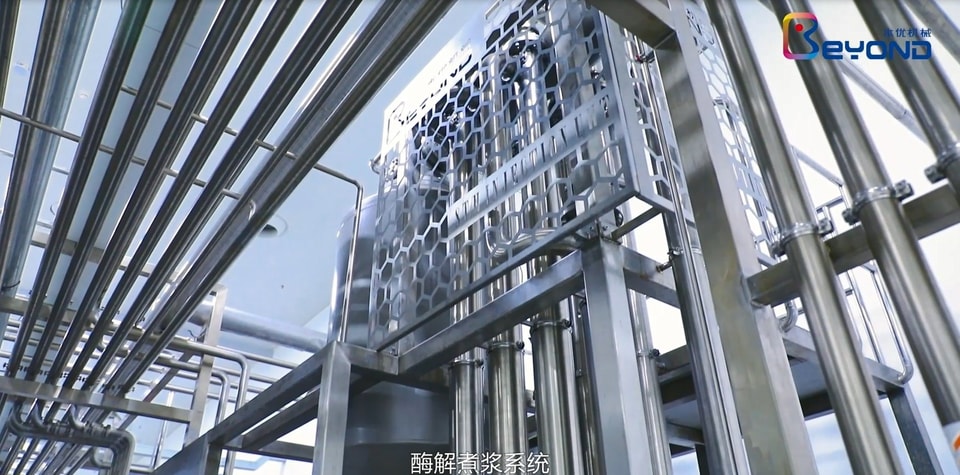
Milk Processing Plant for Sale: A Comprehensive Guide
In the ever-evolving dairy industry, the efficiency and quality of milk processing are paramount. Investing in a state-of-the-art milk processing plant can significantly enhance your operations, ensuring that you meet the highest standards of production and safety. This guide will provide you with a comprehensive overview of what to consider when purchasing a milk processing plant, the key components of such a facility, and the benefits it can bring to your business.
1. Introduction to Milk Processing Plants
A milk processing plant is a facility designed to handle the entire process of converting raw milk into various dairy products. This includes pasteurization, homogenization, and packaging. The primary goal is to ensure that the final products are safe, high-quality, and ready for distribution.
2. Key Components of a Milk Processing Plant
2.1 Raw Milk Reception and StorageThe first step in the milk processing chain is the reception and storage of raw milk. This involves:
•Reception Tanks: These tanks receive the raw milk from farms and transport vehicles.
•Cooling Systems: To maintain the milk at a safe temperature (typically around 4°C) until it is processed.
2.2 PasteurizationPasteurization is a critical step in ensuring the safety and shelf-life of dairy products. The main types of pasteurization include:
•High-Temperature Short-Time (HTST): Heats the milk to 72°C for 15 seconds.
•Ultra-High Temperature (UHT): Heats the milk to 135°C for 2-5 seconds, resulting in a longer shelf life.
2.3 HomogenizationHomogenization breaks down the fat globules in milk, creating a uniform consistency and preventing cream separation. This process involves:
•Homogenizers: High-pressure devices that force milk through tiny orifices, breaking down the fat globules.
2.4 StandardizationStandardization ensures that the milk has a consistent fat content. This is achieved by:
•Centrifuges: Separate the cream from the skim milk, allowing for precise blending to achieve the desired fat percentage.
2.5 PackagingPackaging is the final step in the milk processing chain.
It involves:
•Filling Machines: Automatically fill bottles, cartons, or other containers with the processed milk.
•Sealing Machines: Seal the containers to ensure product integrity and prevent contamination.
3. Benefits of Investing in a Milk Processing Plant
3.1 Enhanced Product QualityA modern milk processing plant employs advanced technologies to ensure that the final products meet the highest quality standards. This includes:
•Advanced Filtration Systems: Remove impurities and bacteria.
•Quality Control Systems: Monitor the entire process to detect and correct any issues.
3.2 Increased EfficiencyAutomated systems and high-capacity equipment can significantly increase the efficiency of your operations. This results in:
•Higher Throughput: Process more milk in less time.
•Reduced Labor Costs: Minimize the need for manual labor.
3.3 Cost SavingsEnergy-efficient and low-maintenance equipment can lead to significant cost savings over time. This includes:
•Energy-Efficient Machinery: Reduce energy consumption.
•Longer Equipment Lifespan: Lower maintenance and replacement costs.
3.4 ScalabilityA well-designed milk processing plant can be easily scaled up as your business grows. This allows you to:
•Expand Production Capacity: Add more equipment and lines as needed.
•Diversify Product Range: Introduce new dairy products without major disruptions.
4. Factors to Consider When Purchasing a Milk Processing Plant
4.1 Size and CapacityDetermine the size and capacity of the plant based on your current and future production needs. Consider:
•Current Demand: How much milk do you currently process?
•Future Growth: What is your projected growth over the next few years?
4.2 Technology and AutomationInvest in a plant that incorporates the latest technology and automation. This will:
•Improve Efficiency: Streamline processes and reduce errors.
•Enhance Quality Control: Ensure consistent product quality.
4.3 Energy EfficiencyChoose equipment that is energy-efficient to reduce operational costs. Look for:
•Energy Star Ratings: Certifications that indicate energy efficiency.
•Low-Maintenance Designs: Equipment that requires minimal upkeep.
4.4 After-Sales SupportEnsure that the supplier offers comprehensive after-sales support, including:
•Training Programs: For your staff to operate and maintain the equipment.
•Warranty and Maintenance Services: To keep your plant running smoothly.
5. Conclusion
Investing in a milk processing plant is a significant decision that can greatly impact the success of your dairy business. By considering the key components, benefits, and factors outlined in this guide, you can make an informed choice that aligns with your business goals. Whether you are a small-scale producer or a large dairy company, a modern and efficient milk processing plant can help you achieve higher quality, greater efficiency, and increased profitability.
For more information or to discuss your specific needs, contact us today. We are here to help you revolutionize your dairy operations with a top-notch milk processing plant.
Shanghai Beyond Machinery Co., Ltd.
Beyond Machinery specializes in the design and manufacturing of milk processing plant.Please contact us now, and ourprofessional technical engineers will customize the equipment plan for milk processing plant and provide a quotation.Please contact us now to obtain the latest equipment plan and quotation.
11/9, 2024
