

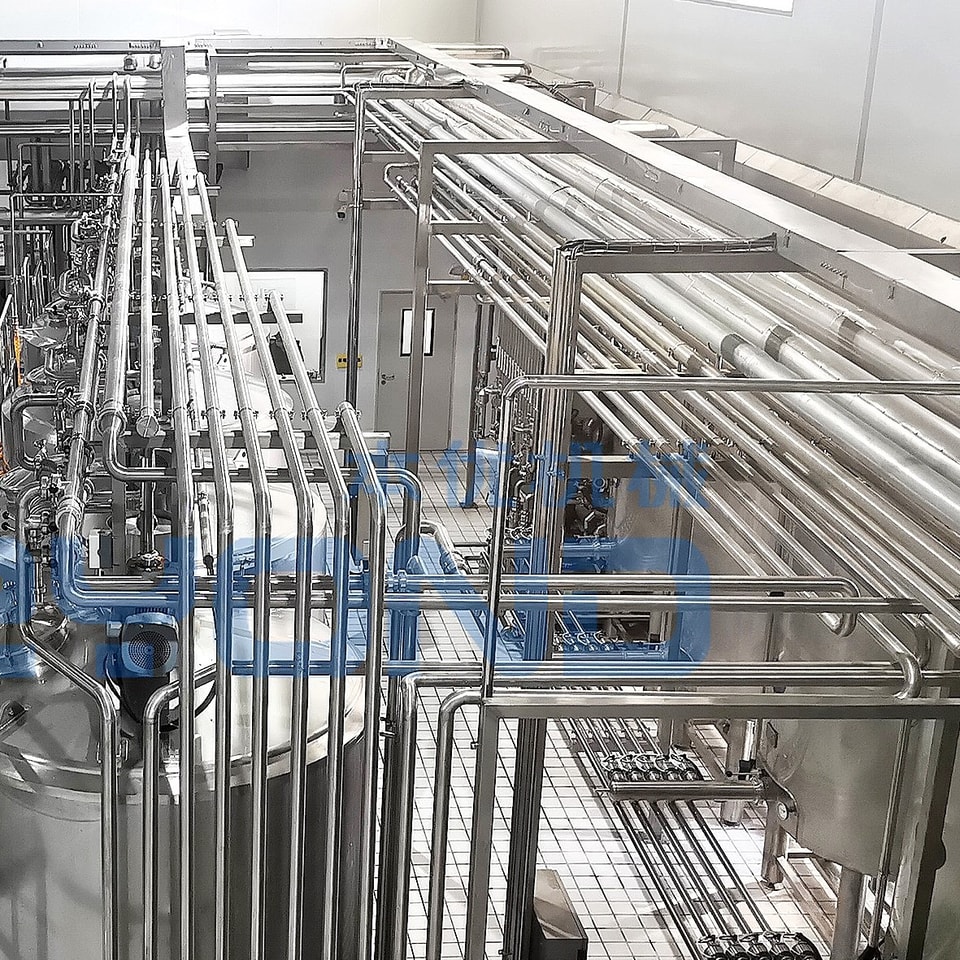
Milk Products Processing Plant: The Heart of Dairy Innovation
In the dynamic world of food production, the dairy industry stands out as a cornerstone of nutritional excellence. At the core of this industry are milk products processing plants, dairy product manufacturing plants, and dairy milk making factories—facilities that transform raw milk into a diverse array of products that grace tables worldwide. These plants are not just factories; they are hubs of innovation, quality control, and sustainability, ensuring that dairy products meet the highest standards of safety, nutrition, and taste.
The Role of Milk Products Processing Plants
Milk products processing plants are the initial stage in the dairy production chain. These facilities receive raw milk from dairy farms, where it undergoes a series of treatments to ensure it is safe for consumption and suitable for further processing. The primary processes include pasteurization, homogenization, and standardization. Pasteurization involves heating the milk to specific temperatures to eliminate harmful bacteria, while homogenization ensures a smooth texture by breaking down fat globules. Standardization adjusts the fat and protein content to meet regulatory and product specifications.
Dairy Product Manufacturing Plants: Diversifying Dairy
Once the milk has been processed, it moves to dairy product manufacturing plants. Here, the milk is transformed into a wide range of products, each requiring specialized equipment and techniques. For instance, yogurt production involves fermenting milk with specific cultures, while cheese making requires coagulating the milk and aging the curds. These plants are equipped with advanced machinery such as fermentation tanks, cheese presses, and packaging lines to handle the complexities of each product.
Dairy Milk Making Factories: From Liquid to Powder
Dairy milk making factories take the transformation a step further by converting liquid milk into powdered form. This process involves evaporating the water content from the milk and then drying it into a fine powder. The resulting milk powder has a longer shelf life and is easier to transport and store. These factories are equipped with evaporators and spray dryers that meticulously control the drying process to preserve the nutritional value and flavor of the milk.
Technological Advancements and Sustainability
Modern dairy plants are at the forefront of technological innovation. Automation and digitalization have revolutionized the industry, allowing for precise control over every step of the production process. Advanced monitoring systems ensure consistent quality, while energy-efficient technologies reduce the environmental footprint of these facilities. The integration of renewable energy sources and waste management systems further enhances their sustainability.
Quality Control and Safety
Ensuring the safety and quality of dairy products is paramount. Milk products processing plants, dairy product manufacturing plants, and dairy milk making factories adhere to stringent hygiene standards and regulatory requirements. Regular testing and inspection protocols are in place to monitor the presence of pathogens and ensure that products are free from contaminants. The use of high-quality materials in equipment construction and the implementation of cleaning-in-place (CIP) systems further safeguard the integrity of the final products.
Future Trends and Innovations
As consumer preferences evolve, dairy plants are adapting to meet new demands. There is a growing emphasis on producing organic and non-GMO products, as well as developing plant-based alternatives. Research and development efforts are focused on enhancing the nutritional profile of dairy products, such as fortifying milk with vitamins and minerals. Additionally, the industry is exploring innovative packaging solutions to extend the shelf life of products while minimizing environmental impact.
Conclusion
Milk products processing plants, dairy product manufacturing plants, and dairy milk making factories are the backbone of the dairy industry. They play a crucial role in transforming raw milk into a variety of high-quality products that meet consumer needs and regulatory standards. By embracing technological advancements and prioritizing sustainability, these facilities are not only meeting current demands but also paving the way for a brighter, more sustainable future in dairy production.
Shanghai Beyond Machinery Co., Ltd.
Beyond Machinery specializes in the design and manufacturing of Dairy product manufacturing plant Machines.Please contact us now, and our professional technical engineers will customize the equipment plan for Dairy product manufacturing plant and provide a quotation.Please contact us now to obtain the latest equipment plan and quotation.
4/9, 2025

Milk Powder Processing Plant: A Comprehensive Overview
In the dynamic landscape of the dairy industry, the production of milk powder has emerged as a cornerstone for meeting global demands for shelf-stable dairy products. Milk powder factories, also known as milk powder plants or processing plants, play a pivotal role in transforming fresh milk into a versatile, long-lasting powder that can be easily transported and stored. This article delves into the intricacies of milk powder processing plants, highlighting their significance, technological advancements, and the future trajectory of this essential industry.
The Significance of Milk Powder Processing Plants
Milk powder processing plants are integral to the dairy sector, offering a solution to the challenges of milk preservation and distribution. By converting liquid milk into a powdered form, these facilities extend the product's shelf life, making it accessible to consumers in regions where fresh milk supply is limited. Moreover, milk powder serves as a fundamental ingredient in a myriad of food products, from infant formulas and nutritional supplements to baked goods and confectionery.
Technological Advancements in Milk Powder Processing
The evolution of milk powder processing plants is marked by significant technological strides aimed at enhancing efficiency, quality, and sustainability. Modern plants are equipped with state-of-the-art machinery that facilitates the entire production process, from raw milk reception to the final packaging of milk powder.
1. Raw Milk Reception and Pre-treatment**: Fresh milk is received from dairy farms and stored in refrigerated tanks to maintain its freshness. The milk undergoes purification, clarification, and standardization to adjust the fat and protein content to desired levels.
2. Pasteurization: To ensure safety and extend shelf life, milk is heated to specific temperatures, typically 72-75°C for 15-20 seconds (HTST) or 135°C for a few seconds (UHT), effectively eliminating harmful bacteria.
3. Homogenization: Milk is homogenized to break down fat globules, ensuring a smooth texture and improved stability.
4. Evaporation and Drying: The milk is concentrated using evaporators to remove excess water. Subsequently, the concentrated milk is sprayed into a hot air chamber in a spray drying tower, where it is rapidly dried into fine powder.
5. Cooling and Packaging: The dried powder is cooled to room temperature and screened to remove any large particles. The final product is then packaged into various formats, such as plastic bags, paper boxes, or metal cans, ready for distribution.
Future Trajectory and Sustainability
As the global demand for milk powder continues to rise, milk powder processing plants are poised to embrace further innovation. The focus on sustainability is driving the adoption of energy-efficient technologies and eco-friendly practices. Automation and digitalization are enhancing production efficiency, while stringent quality control measures ensure that every batch of milk powder meets the highest standards of safety and nutrition.
In conclusion, milk powder processing plants are at the forefront of the dairy industry's efforts to meet consumer needs and environmental challenges. By leveraging advanced technology and adhering to stringent quality standards, these facilities are ensuring that milk powder remains a vital and versatile component of the global food supply.
Shanghai Beyond Machinery Co., Ltd.
Beyond Machinery specializes in the design and manufacturing of Milk powder processing plant equipment.Please contact us now, and our professional technical engineers will customize the equipment plan for Milk powder plant and provide a quotation.Please contact us now to obtain the latest equipment plan and quotation.
3/29, 2025
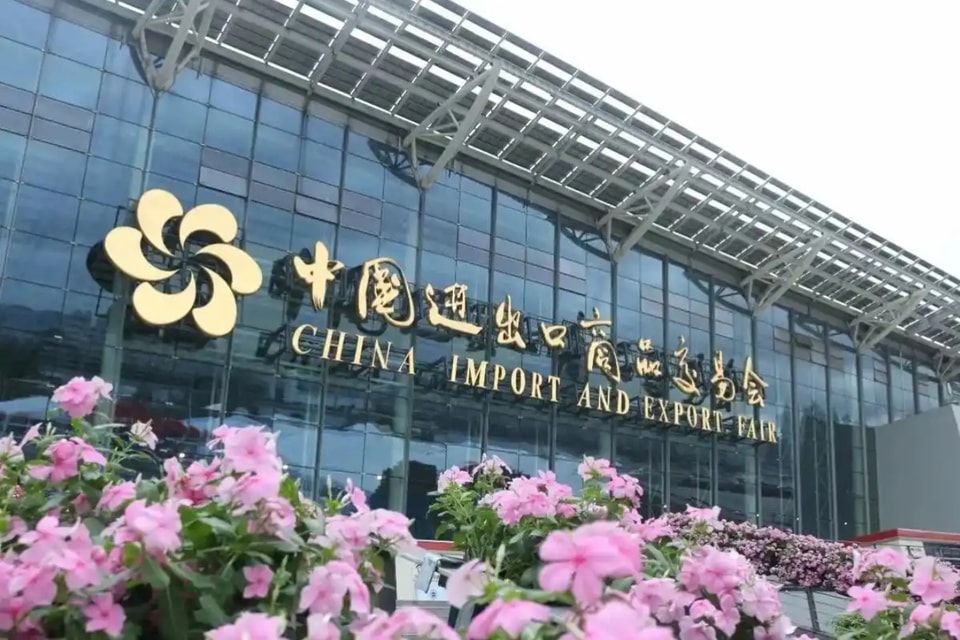
Beyond Machinery Set to Showcase Innovative Solutions at the 137th Canton Fair 2025 (April 15-19)
Discover Cutting-Edge Technology and Expertise at Booth 18.1D27-28
Guangzhou, China — Shanghai Beyond Machinery Co., Ltd., a leading player in the global food machinery industry, is thrilled to announce its participation in the 137th China Import and Export Fair (Canton Fair). Taking place from April 15 to 19, 2025, the event will unfold at the Guangzhou International Convention and Exhibition Center. Visitors are invited to explore Beyond Machinery’s latest innovations, industry solutions, and cutting-edge technologies at Booth 18.1D27-28, where the company will demonstrate its commitment to advancing manufacturing efficiency and sustainability.
---
About us
Founded in 2005, Shanghai Beyond Machinery has dedicated itself to designing, developing, and manufacturing high-performance industrial machinery and automation systems. With a focus on precision engineering, energy efficiency, and customized solutions, the company serves clients across automotive, electronics, food packaging, and textile industries worldwide. Its portfolio includes automated assembly lines, CNC machining centers, conveyor systems, and IoT-enabled smart factories.
---
Highlights of Beyond Machinery’s Canton Fair 2025 Exhibit
1. Smart Manufacturing Solutions
- Showcase cutting-edge AI-driven automation systems that optimize production workflows and reduce downtime.
- Demonstrate energy-efficient machinery designed to meet global sustainability standards, including ISO 14001-certified models.
2. Customized Industrial Equipment
- Highlight tailored solutions for niche industries, such as food-safe packaging machines and automotive component assembly systems.
- Present case studies of successful projects implemented for international clients.
3. R&D Innovations
- Introduce next-generation robotic arms with enhanced precision and adaptability for complex manufacturing tasks.
- Display prototypes of AI-powered quality control systems that ensure flawless product inspection.
4. Sustainability Initiatives
- Share Beyond’s roadmap for achieving carbon neutrality by 2030, including circular economy partnerships and eco-friendly material sourcing.
---
Why Visit Booth 18.1D27-28?
- Interactive Demos: Experience live demonstrations of Beyond’s machinery in action.
- Expert Consultations: Engage with engineers and technical specialists for personalized solutions.
- Networking Opportunities: Connect with global buyers, distributors, and industry partners.
- Exclusive Offers: Limited discounts on new equipment purchases and aftersales services for attendees.
---
Booth Location & Accessibility
- Booth Number: 18.1D27-28 (Hall 18, Section 1, Desk D27-28)
- Address: Guangzhou International Convention and Exhibition Center, No. 105, Guangzhou North Road, Tianhe District, Guangzhou, China
- Transportation Tips:
- Metro: Exit at Canton Fair Station (Line 8) and follow signs.
- Shuttle Bus: Available from all major subway stations to the exhibition center.
---
Contact Information
For pre-event inquiries or to schedule a meeting, contact Benyou Machinery’s team:
- Email: master@shbenyou.com
- Phone: +86-21-67322591
- Website: www.shbenyou.com
- WeChat/ WhatsApp: +86-15618668723
3/21, 2025
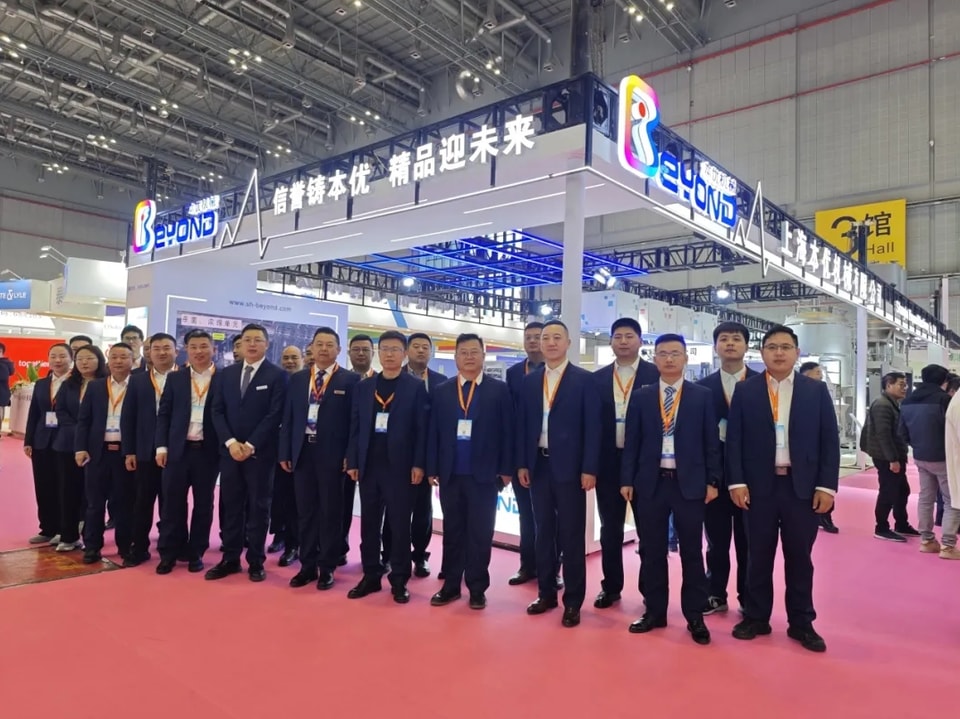
Shanghai Beyond Machinery Co., Ltd. Showcases Advanced Equipment at FIC 2025
Shanghai, March 10, 2025 — Shanghai Beyond Machinery Co., Ltd. made a remarkable appearance at the 2025 International Food Additives and Ingredients Exhibition (FIC 2025), held from March 8 to 10, 2025, at the Shanghai New International Expo Centre. This prestigious event, known as the beacon of China's food industry, attracted numerous industry leaders and professionals.
Innovative Display and Expertise At FIC 2025, Shanghai Beyond Machinery showcased a range of cutting-edge products and solutions, including:
1T Fully Automatic Tubular Sterilizer: Designed for high-efficiency sterilization, this machine ensures product safety and quality.
Inactivation Grinder: Used for grinding and processing various food materials, ensuring uniform particle size.
130L Melting Pot: Ideal for melting and mixing ingredients, providing precise temperature control.
50L Laboratory Sterilizer: Suitable for small-scale production and laboratory testing, ensuring accurate sterilization.
50L Bioreactor: Designed for fermentation processes, providing optimal conditions for microbial growth.
Double-Channel Pulp Machine: Efficient in processing fruits and vegetables, ensuring high yield and quality.
Blanching and Stretching Machine: Used for blanching and stretching food materials, enhancing texture and flavor.
2T Vacuum Blender: Ensures uniform mixing of ingredients, suitable for large-scale production.
Spray Drying Tower Model: Demonstrates the process of converting liquid into powder, ideal for food processing.
Evaporator Model: Showcases the evaporation process, crucial for concentrating liquids.
These exhibits highlighted the company's commitment to innovation and excellence in food processing technology.
Engaging with Industry Leaders The company's booth at Pavilion N2 (Booth No. 2A01) was a hub of activity, drawing a steady stream of visitors. Throughout the exhibition, Shanghai Beyond Machinery engaged in productive discussions with domestic and international experts, sharing insights on future food industry trends and exploring application solutions for different production scales. These interactions not only provided valuable market feedback but also laid the groundwork for future collaborations.
Commitment to Quality and Innovation Shanghai Beyond Machinery is dedicated to offering comprehensive solutions for food and beverage processing, with a focus on advanced, efficient, and intelligent production lines. The company's participation in FIC 2025 reaffirmed its position as a key player in the food processing machinery sector, committed to driving industry progress through continuous innovation.
Looking Ahead As FIC 2025 drew to a close, Shanghai Beyond Machinery expressed its gratitude to all attendees and looked forward to future opportunities to contribute to the food industry's growth. The company's presence at the event underscored its ongoing efforts to meet market demands and set new benchmarks in food processing technology.
For more information about Shanghai Beyond Machinery Co., Ltd. and its participation in FIC 2025, please visit their official website or contact them directly.
3/21, 2025
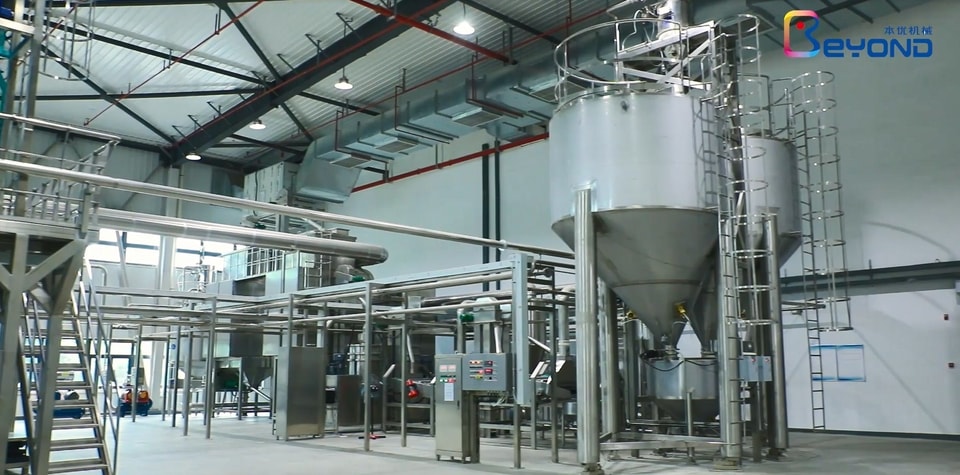
Milk Factory Machines: Driving the Evolution of Pasteurization Plants
In the dynamic world of dairy processing, the integration of advanced milk factory machines and pasteurization plants has become a cornerstone of modern food safety and efficiency. As consumer demand for high-quality, safe dairy products continues to grow, the evolution of pasteurization plants is driven by the need for innovation and reliability. At the heart of this transformation are the sophisticated machines that power these plants, ensuring that every drop of milk meets the highest standards of quality and safety.
The Role of Milk Factory Machines
Milk factory machines are the backbone of any dairy processing facility. These machines are designed to handle various stages of milk processing, from initial reception and storage to final packaging. Each machine plays a crucial role in ensuring that milk is processed efficiently and safely, meeting both regulatory requirements and consumer expectations.
Receiving and Storage Systems
The journey of milk begins at the receiving stage, where raw milk is tested for quality and safety. Advanced milk factory machines ensure that milk is stored at optimal temperatures, preventing bacterial growth and maintaining freshness. Automated storage systems not only streamline the process but also enhance traceability and accountability.
Standardization and Homogenization
Milk factory machines are equipped with sophisticated systems for standardizing milk, adjusting fat content, and homogenizing the product. Homogenization is a critical step that breaks down fat globules, ensuring a smooth and consistent texture. This process not only improves the sensory qualities of milk but also extends its shelf life.
Pasteurization and UHT Processing
The core of any pasteurization plant is the pasteurization process, which involves heating milk to specific temperatures to eliminate harmful pathogens. Milk factory machines in these plants are designed to handle both high-temperature short-time (HTST) and ultra-high temperature (UHT) processes. These machines ensure that milk is heated uniformly, maintaining its nutritional value while ensuring safety.
Evaporation and Drying
For products like powdered milk, milk factory machines include evaporators and spray dryers. These machines remove excess moisture, converting liquid milk into a powder form that is easier to store and transport. The precision of these machines ensures that the final product retains its nutritional profile and quality.
Packaging and Quality Control
The final stage in milk processing involves packaging and quality control. Milk factory machines are equipped with state-of-the-art packaging systems that ensure products are sealed in a sterile environment, extending their shelf life. Automated quality control systems monitor every step of the process, ensuring that only the highest quality products reach consumers.
Driving the Evolution
The evolution of pasteurization plants is driven by continuous innovation in milk factory machines. Modern machines are designed with advanced technologies that enhance efficiency, reduce energy consumption, and improve product quality. Here are some key factors driving this evolution:
Automation and Digitalization
Modern milk factory machines are equipped with advanced automation systems that reduce the need for manual intervention. These systems not only improve efficiency but also enhance accuracy and consistency. Digitalization allows for real-time monitoring and data analysis, enabling operators to make informed decisions and optimize processes.
Energy Efficiency
With increasing focus on sustainability, milk factory machines are designed to be energy-efficient. Advanced heat recovery systems and energy-efficient motors reduce the overall energy consumption of pasteurization plants, making them more environmentally friendly.
Hygiene and Safety
Ensuring food safety is paramount in dairy processing. Milk factory machines are designed with hygiene in mind, featuring easy-to-clean surfaces and automated cleaning systems. These machines comply with stringent food safety regulations, ensuring that every product is safe for consumption.
Flexibility and Scalability
Modern milk factory machines are designed to be flexible and scalable, allowing pasteurization plants to adapt to changing market demands. Whether processing whole milk, skim milk, or specialized products like organic or lactose-free milk, these machines can be configured to meet specific requirements.
Conclusion
The integration of advanced milk factory machines into pasteurization plants is driving a new era of efficiency and safety in dairy processing. These machines not only enhance the quality and safety of dairy products but also support the industry's move towards sustainability and innovation. As technology continues to advance, the future of pasteurization plants looks promising, with milk factory machines at the forefront of this exciting evolution.
Shanghai Beyond Machinery Co., Ltd.
Beyond Machinery specializes in the design and manufacturing of Milk Factory Machines.Please contact us now, and our professional technical engineers will customize the equipment plan for Milk Factory and provide a quotation.Please contact us now to obtain the latest equipment plan and quotation.
3/12, 2025
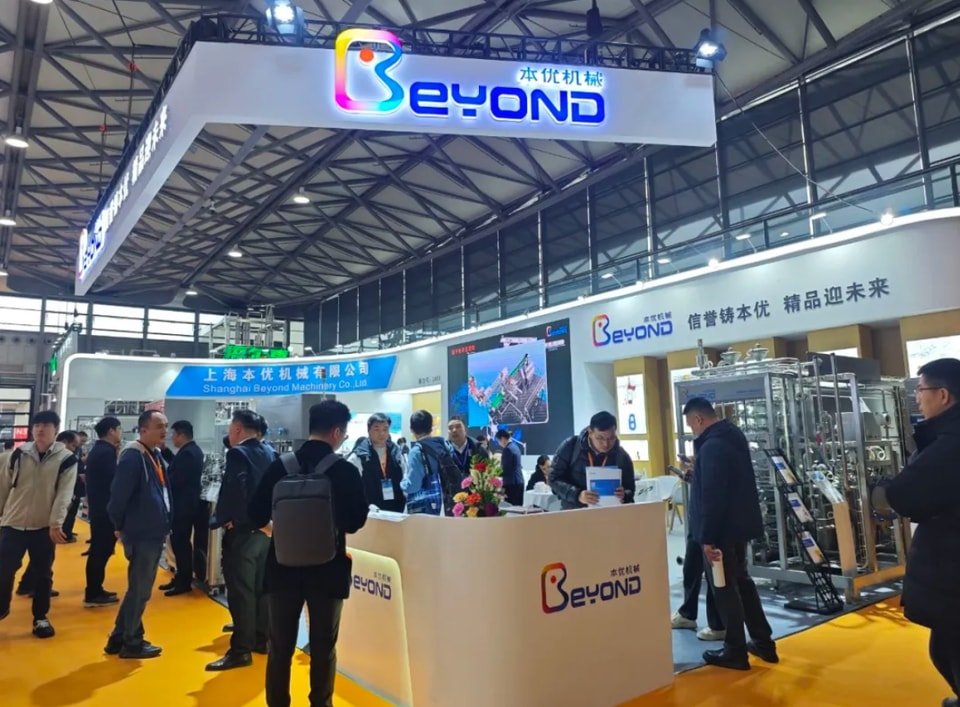
Beyond Machinery Leads the Way with Advanced Solutions at CBST 2025
Shanghai, March 5, 2025 — Shanghai Beyond Machinery Co., Ltd. made a remarkable appearance at the 13th China International Beverage Industry Science and Technology Exhibition (CBST 2025), held from March 5 to 7, 2025, at the Shanghai New International Expo Centre. This prestigious event, known as the beacon of China's beverage industry, attracted numerous industry leaders and professionals.
Innovative Display and Expertise
At CBST 2025, Shanghai Beyond Machinery showcased a range of cutting-edge products and solutions, including laboratory equipment sets, double-channel pulpers, fully automatic tubular sterilizers, 50L bioreactors, spray drying tower models, and evaporator models. These exhibits highlighted the company's commitment to innovation and excellence in beverage processing technology.
Engaging with Industry Leaders
Our booth at N2 Pavilion (Booth No. 2A01) was a hub of activity, drawing a steady stream of visitors. Throughout the exhibition, Shanghai Beyond Machinery engaged in productive discussions with domestic and international experts, sharing insights on future beverage industry trends and exploring application solutions for different production scales. These interactions not only provided valuable market feedback but also laid the groundwork for future collaborations.
Commitment to Quality and Innovation
Shanghai Beyond Machinery is dedicated to offering comprehensive solutions for food and beverage processing, with a focus on advanced, efficient, and intelligent production lines. The company's participation in CBST 2025 reaffirmed its position as a key player in the beverage processing machinery sector, committed to driving industry progress through continuous innovation.
Looking Ahead
As CBST 2025 drew to a close, Shanghai Beyond Machinery expressed its gratitude to all attendees and looked forward to future opportunities to contribute to the beverage industry's growth. The company's presence at the event underscored its ongoing efforts to meet market demands and set new benchmarks in beverage processing technology.
3/6, 2025
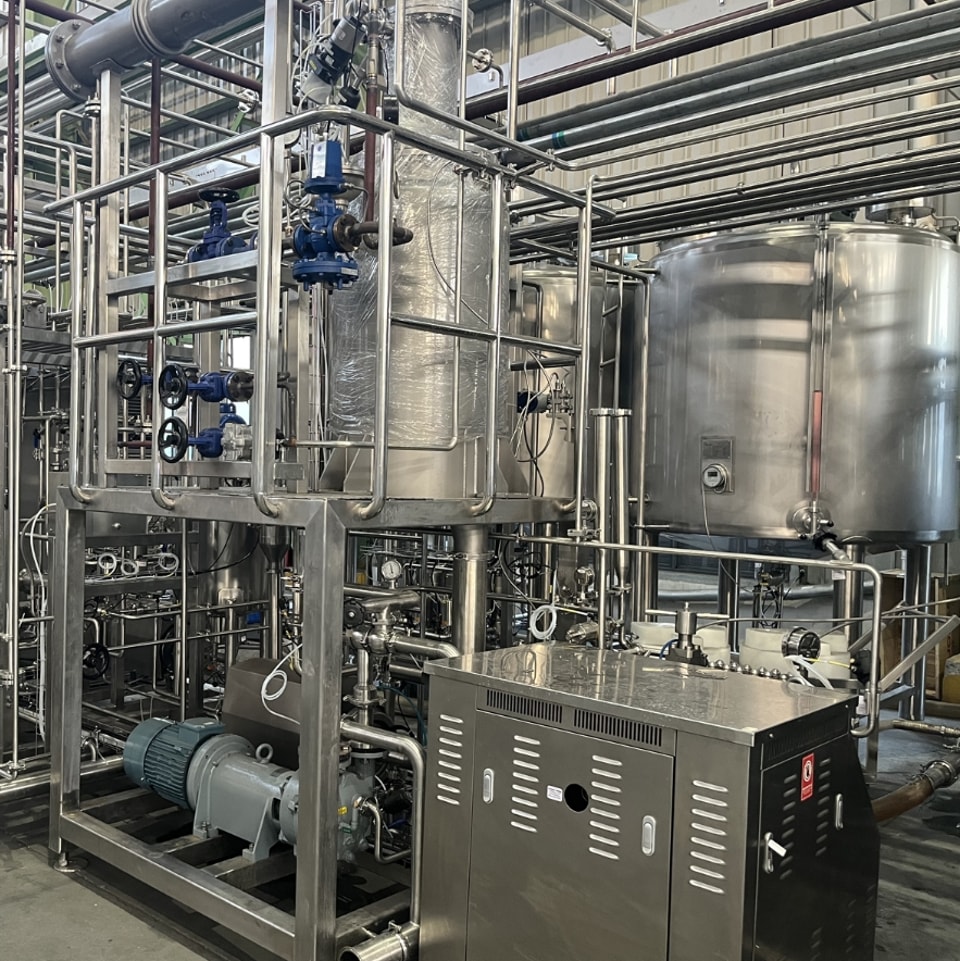
The Evolution of Dairy Processing: Trends and Innovations in Cow Milk Factories, Milk Production Factories, and Milk Dairy Plants by 2025 Introduction
As we approach the mid-point of the decade, the dairy industry is undergoing a transformative phase. With the increasing global demand for dairy products, alongside stringent environmental regulations and consumer preferences shifting towards sustainable practices, the landscape of cow milk factories, milk production factories, and milk dairy plants is evolving rapidly. By 2025, these facilities are expected to integrate advanced technologies that not only enhance efficiency but also prioritize sustainability and safety.
Technological Advancements
In 2025, the adoption of Industry 4.0 technologies is set to revolutionize operations within dairy processing plants. Automation, artificial intelligence (AI), and Internet of Things (IoT) devices are being integrated into daily processes to improve productivity while reducing human error. For example, robotic milking systems allow cows to be milked at their convenience, leading to increased milk yield without compromising animal welfare. Furthermore, AI-powered predictive maintenance can detect potential machinery failures before they occur, minimizing downtime and ensuring continuous operation.
Sustainability Initiatives
Environmental consciousness has become a cornerstone of modern dairy production. By 2025, many milk production factories will have transitioned to renewable energy sources such as solar or wind power, significantly lowering carbon footprints. Additionally, water conservation efforts through innovative recycling methods and waste management strategies aimed at reducing methane emissions from livestock will play crucial roles in achieving sustainability goals. Some companies are exploring biogas generation from manure as an alternative energy source, contributing positively to both cost savings and ecological balance.
Consumer Safety and Quality Assurance
Consumer trust remains paramount in the food industry. To address this concern, stricter quality control measures are being implemented across all stages of milk processing—from raw material sourcing to finished product packaging. Advanced analytics enable real-time monitoring of critical parameters like temperature, pH levels, and microbial content during production runs. Blockchain technology is also gaining traction for its ability to provide transparent supply chain tracking, assuring consumers about the origin and safety of dairy products.
Market Dynamics and Future Outlook
The global dairy market continues to grow steadily, driven by population expansion and rising disposable incomes especially in developing regions. However, challenges persist with fluctuating raw material costs and competitive pricing pressures. In response, businesses must innovate constantly to stay relevant. Research into plant-based alternatives offers promising avenues for diversification, catering to health-conscious consumers seeking nutritious options beyond traditional animal-derived products. Moreover, collaborations between academia and industry stakeholders foster knowledge exchange and accelerate R&D activities focused on breakthroughs in dairy science.
Conclusion
By 2025, the convergence of cutting-edge technology, eco-friendly practices, enhanced food safety standards, and adaptive business models promises a bright future for cow milk factories, milk production factories, and milk dairy plants worldwide. As pioneers in innovation continue pushing boundaries, we anticipate witnessing unprecedented advancements that redefine how milk is produced and consumed globally.
Shanghai Beyond Machinery Co., Ltd.
Beyond Machinery specializes in the design and manufacturing of Milk dairy plant equipment.Please contact us now, and our professional technical engineers will customize the equipment plan for milk dairy plant and provide a quotation.Please contact us now to obtain the latest equipment plan and quotation.
3/6, 2025
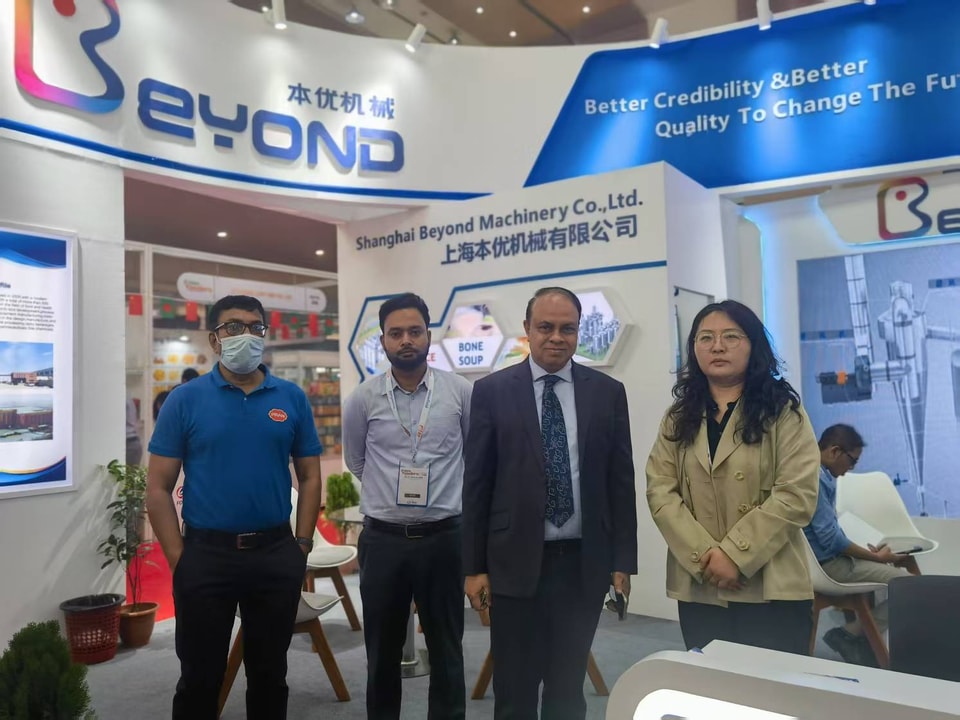
Beyond Machinery Participates in BAPA-Foodpro Expo 2025 in Bangladesh
Dhaka, Bangladesh, February 25, 2025 – Shanghai Beyond Machinery Co., Ltd., a leading provider of comprehensive mango juice processing equipment, proudly participated in the prestigious BAPA-Foodpro Expo held from February 25th to 27th, 2025, in Dhaka, Bangladesh.
Showcasing Cutting-edge Technology and Innovation
At this year's expo, Shanghai Beyond Machinery presented its latest advancements in food processing technology. The company highlighted its complete line of fruit juice processing equipment, which covers every step from raw material preparation to final product packaging. This includes advanced machinery for washing, peeling, cutting, pulping, filtering, concentrating, blending, sterilizing, filling, sealing, and packaging.
Commitment to Quality and Customer Satisfaction
Shanghai Beyond Machinery is renowned for our commitment to delivering high-quality products and exceptional customer service. During the exhibition, representatives from the company engaged with potential clients and industry experts, demonstrating their dedication to meeting diverse market needs. Visitors were impressed by the efficiency, reliability, and versatility of the displayed equipment, which promises to significantly enhance productivity and product quality for food manufacturers.
Strengthening Global Presence
Participating in the BAPA-Foodpro Expo 2025 marks an important milestone for Shanghai Beyond Machinery as it continues to expand its global footprint. By showcasing its innovative solutions at international platforms, the company aims to establish stronger partnerships and tap into emerging markets. The event provided an excellent opportunity for networking and learning about the latest trends and challenges in the food processing industry.
Looking Ahead
As the expo came to a successful close, Shanghai Beyond Machinery expressed its gratitude to all attendees who visited their booth and showed interest in their offerings. Moving forward, the company will continue to invest in research and development to bring even more advanced and environmentally friendly technologies to the market. We are committed to supporting the growth of the food industry not only in Bangladesh but also worldwide.
2/27, 2025
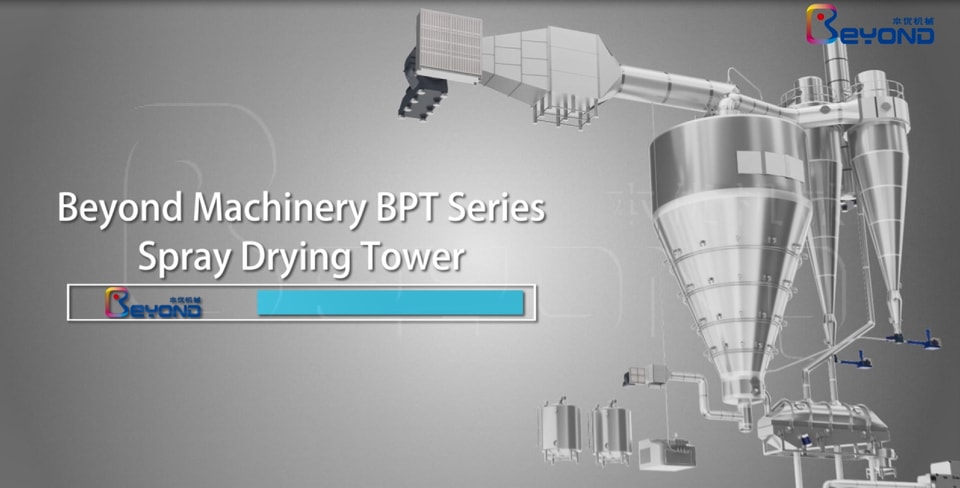
The Art of Spray Drying: Crafting High-Quality Powders for Every Industry
Introduction
Shanghai Beyond Machinery Co., Ltd. is excited to unveil its latest innovation in the field of drying technology: the Spray Drying Tower. This state-of-the-art equipment is designed to revolutionize the production of powdered products across various industries, including food, pharmaceuticals, and chemicals.
Principles of Operation
The Spray Drying Tower operates on the principle of transforming liquid feedstock into fine powder by rapidly evaporating moisture. The process begins with the atomization of the liquid using high-speed centrifugal or pressure nozzles, which create a fine mist. This mist is then introduced into a drying chamber where it comes into contact with hot air, leading to rapid evaporation and the formation of dry powder.
Advanced Technology
Shanghai Beyond’s Spray Drying Tower incorporates several advanced features to enhance efficiency and product quality:
Internal Heating System: Unlike traditional models, this tower heats the air internally, reducing heat loss and improving energy efficiency.
Multi-Stage Drying: The tower includes an integrated fluidized bed and external vibrating fluidized bed for secondary and tertiary drying, ensuring optimal moisture removal and product consistency.
Low-Temperature Auxiliary Drying: This feature allows for gentle drying of heat-sensitive materials, preserving their nutritional and functional properties.
Applications Across Industries
The versatility of the Spray Drying Tower makes it suitable for a wide range of applications:
Food Industry: Ideal for producing powdered milk, soy powder, and other food additives.
Pharmaceuticals: Used for drying active pharmaceutical ingredients (APIs) and creating microencapsulated products.
Chemical Industry: Efficient in producing fine powders of various chemicals, including catalysts and pigments.
Customization for Your Needs
Recognizing the diverse requirements of our clients, Shanghai Beyond offers fully customizable Spray Drying Towers:
Capacity and Size: Tailored to meet specific production volumes, from small-scale operations to large industrial setups.
Material Handling: Options for different types of feedstock, including viscous liquids and suspensions.
Energy Efficiency: Customizable heating and drying parameters to optimize energy consumption.
Conclusion
The introduction of the Spray Drying Tower by Shanghai Beyond Machinery Co., Ltd. represents a significant leap forward in drying technology. With its innovative design, advanced features, and wide range of applications, this equipment is set to enhance production processes and deliver high-quality powdered products across multiple industries.
We invite you to explore the possibilities with our new Spray Drying Tower and discover how it can transform your production capabilities. For more information, visit our official website or contact our sales team.
2/22, 2025

Bone Broth Processing Line: A Comprehensive Guide to Quality and Innovation
Introduction to the Bone Broth Processing
Bone broth has long been celebrated for its rich flavor, nutritional benefits, and healing properties. To meet the growing demand for this versatile product, our state-of-the-art bone broth processing line offers a seamless blend of traditional craftsmanship and cutting-edge technology. Designed to produce high-quality bone broth on a large scale while maintaining the integrity and nutritional value of the ingredients, our processing line is tailored to meet the needs of modern consumers.
Key Equipment in the Bone Broth Processing Line
Our bone broth processing line incorporates advanced machinery that ensures efficiency, precision, and safety throughout the production process. The main equipment includes:
1. Preparation Station: Equipped with automated cleaning and cutting systems, this station prepares bones and vegetables for cooking.
2. Cooking Vessels: Large-capacity stainless steel tanks designed for slow-cooking at controlled temperatures to extract maximum nutrients from the bones.
3. Filtration System: Multi-stage filtration units that remove impurities while preserving essential minerals and proteins.
4. Cooling Tunnel: Rapid cooling technology to quickly lower the temperature of the broth, ensuring freshness and extending shelf life.
5. Packaging Machinery: Automated filling and sealing machines that package the broth into various formats such as bottles, pouches, or cans, depending on customer preferences.
Advanced Technology Applications
The integration of innovative technologies in our bone broth processing line sets us apart from traditional methods:
•Automated Control Systems: Computerized controls monitor and adjust parameters like temperature, pressure, and cooking time, ensuring consistent quality across batches.
•Energy Efficiency: Optimized energy consumption through smart sensors and efficient heating elements reduces environmental impact and operating costs.
•Traceability and Safety: Advanced tracking systems ensure full traceability of raw materials and finished products, adhering to strict food safety standards.
Raw Materials and Products
We source only the finest raw materials for our bone broth, including:
•High-Quality Bones: From pasture-raised animals, providing a rich source of collagen, gelatin, and essential minerals.
•Fresh Vegetables and Herbs: Locally sourced organic produce enhances flavor and adds valuable antioxidants.
The finished products are diverse, catering to different consumer preferences:
•Classic Bone Broth: Unflavored, perfect for culinary applications.
•Flavored Varieties: Infused with herbs, spices, or vegetables for unique taste profiles.
•Functional Broths: Enhanced with additional health benefits, such as probiotics or superfoods.
Customization Process
Understanding that each client has unique requirements, we offer a flexible customization process:
1. Consultation: Initial discussions to understand specific needs, including flavor preferences, packaging options, and any special dietary requirements.
2. Feasibility Study: Our technical team evaluates the feasibility of the requested customizations and provides detailed recommendations.
3. Prototype Development: Small-scale production of customized samples for client approval.
4. Adjustments and Optimization: Based on feedback, adjustments are made until the desired outcome is achieved.
5. Full-Scale Production: Once the client is satisfied, the customized recipe moves into full-scale production.
Shanghai Beyond Machinery Co., Ltd.
Beyond Machinery specializes in the design and manufacturing of bone broth processing equipment.Please contact us now, and our professional technical engineers will customize the equipment plan for bone broth processing plant and provide a quotation.Please contact us now to obtain the latest equipment plan and quotation.
2/12, 2025

Where Freshness Meets Flavor: The Heart of Our Milk Processing Plant
Flavored Milk Drinks Processing Plant Brief Introduction
1. Overview: Flavored Milk Drinks Processing Plant refers to a facility that specializes in producing milk drinks with various flavors. These plants receive fresh milk and process it into milk drink products with various flavors by adding different natural or artificial flavorings, sweeteners and other ingredients such as fruit juice, chocolate powder, etc. to meet the preferences and market needs of different consumers.
2. Main Processes:
• Raw Material Receiving and Inspection:
• After fresh milk is transported from the dairy farm to the processing plant, it is first subjected to strict quality inspection to ensure that it meets food safety standards.
• Other ingredients such as sugar, flavors, pigments, etc. are also subject to strict incoming inspection.
• Pretreatment:
• Filtration and Standardization: Remove impurities and adjust the fat content to meet the required formula requirements.
• Pasteurization or Ultra High Temperature Sterilization (UHT): Heat the milk to kill potential harmful microorganisms and extend the shelf life.
• Mixing and Blending:
• Mix the pretreated milk with other ingredients in a specific proportion.
•Add vitamins, minerals or other functional ingredients to increase the nutritional value of the product.
•Homogenization:
•Use a homogenizer to break up the fat globules in the mixture to prevent stratification and make the product more stable and smooth.
•Cooling:
•The mixture after heat treatment needs to be quickly cooled to a suitable temperature, usually below 4°C, to maintain taste and quality.
•Packaging:
•The cooled flavored milk beverage is filled into various forms of packaging containers, such as cartons, plastic bottles, glass bottles, etc., ready for distribution.
•Storage and distribution:
•The finished product is stored in a low temperature environment and quickly distributed to retailers or consumers through a cold chain logistics system.
3. Key equipment:
a. Raw material receiving and inspection equipment:
•Quality testing instruments: Used to test the quality of fresh milk and other ingredients, including fat content, protein content, microbiological indicators, etc.
•Automatic sampler: Ensure that each incoming goods can be effectively sampled and tested.
b. Pretreatment equipment:
•Filters and centrifuges: Used to remove impurities in milk and adjust the fat content.
•Pasteurizer or ultra-high temperature sterilization (UHT) equipment: Heat treat milk to kill potential harmful microorganisms and extend shelf life.
c. Mixing and blending equipment:
•Mixing tank: Used to mix milk and other ingredients in a specific proportion.
•Batching system: Includes precise metering devices to ensure that each ingredient is added accurately according to the formula.
•Pipeline transportation system: Connects various processing units to ensure smooth material transmission.
d. Homogenization equipment:
•Homogenizer: Breaks up the fat globules in the mixed liquid to prevent stratification and make the product more stable and smooth.
e. Cooling equipment:
•Cooling tank: Used to quickly reduce the temperature of the mixed liquid after heat treatment. It usually adopts a jacket design with cooling water or refrigerant circulation inside.
•Plate heat exchanger: Can efficiently exchange heat and quickly cool down.
f. Packaging equipment:
•Automated filling production line: Including carton filling machine, plastic bottle filling machine, glass bottle filling machine, etc., choose the appropriate equipment according to different packaging needs.
•Sealing machine and labeling machine: Complete the sealing and labeling of packaging containers.
g. Storage and distribution equipment:
•Refrigerated and frozen storage facilities: Used for storage of finished products in low temperature environments to ensure product quality.
•Cold chain logistics vehicles: Ensure that the product maintains a suitable temperature during transportation.
h. Quality control and testing equipment:
•Laboratory analysis instruments: Used for quality testing of finished products to ensure compliance with food safety standards.
•HACCP system monitoring equipment: Real-time monitoring of key control points in the production process to ensure that every link is under control.
i. Cleaning and maintenance equipment:
•CIP (cleaning in place) system: used for automatic cleaning of equipment, reducing manual intervention and improving hygiene standards.
•Disinfection equipment: ensures the sanitary conditions of production equipment and environment to prevent cross contamination.
4. Safety and quality control:
•Flavored milk beverage processing plants must strictly comply with food safety regulations and implement the HACCP (Hazard Analysis and Critical Control Points) system to ensure that every production link is under control.
•Periodically sample and test finished products to ensure that they meet relevant national and industry standards.
5. Innovation and trends:
•Healthy trends: Consumers are paying more and more attention to health, so functional flavored milk beverages such as low sugar, no added preservatives, and rich in probiotics are gradually becoming popular.
•Environmentally friendly packaging: Using recyclable materials or reducing packaging waste has become one of the directions of industry development.
•Personalized customization: Some brands have begun to provide customized services, allowing consumers to choose their favorite flavor combinations to enhance the consumer experience.
6. Flavored Milk Drinks Processing Plant Raw Materials and Products
1. Raw Materials The raw materials required to produce flavored milk drinks mainly include the following categories:
1. Fresh milk:
• Source: Fresh raw milk purchased directly from dairy farms.
• Quality requirements: Must meet food safety standards and undergo strict quality testing to ensure that it is free of pollution and pathogens, and that the fat content and protein content meet specific requirements.
2. Sweeteners:
• Sugars (such as sucrose, glucose, fructose): provide sweetness and improve taste.
• Low-calorie sweeteners (such as aspartame, erythritol, stevia): used to produce low-sugar or sugar-free products to meet health needs.
3. Flavors and flavorings:
• Natural flavors (such as strawberry flavor, chocolate powder, vanilla extract): give products a unique flavor.
• Artificial flavors: added as needed to enhance or adjust the flavor of the product.
4. Pigments:
• Natural pigments (such as fruit juice, vegetable juice, anthocyanins, etc.): used to increase the visual appeal of the product.
•Synthetic coloring: used in some cases, but must comply with food safety regulations.
5. Emulsifiers and stabilizers:
•Common emulsifiers (such as lecithin, monoglyceride): help maintain the stability of the mixture and prevent stratification.
•Common stabilizers (such as carrageenan, agar, guar gum): improve the texture and shelf life of the product.
6. Vitamins and minerals:
•Common added ingredients (such as vitamin A, D, calcium, iron, etc.): increase the nutritional value of the product and cater to healthy consumption needs.
7. Other functional ingredients:
•Probiotics: contribute to intestinal health and are often used in functional beverages.
•Dietary fiber: increase satiety and promote digestion.
2. Products
There are many types of flavored milk beverages, which are mainly divided into the following categories:
1. Ordinary flavored milk:
•Typical flavors: strawberry, chocolate, vanilla, coffee, etc.
•Features: suitable for mass consumption, rich taste, and balanced nutrition.
2. Low-sugar/sugar-free milk drinks:
•Features: Low-calorie sweeteners are used, suitable for health-conscious consumers.
•Target market: Fitness enthusiasts, diabetics, etc.
3. Functional milk drinks:
•Probiotic milk: Add probiotics to help maintain intestinal health.
•High-calcium milk: Rich in calcium, suitable for children and the elderly.
•Fortified vitamin milk: Add multiple vitamins to enhance immunity.
4. Organic milk drinks:
•Features: Use organically certified raw materials, do not contain harmful chemicals, and are more environmentally friendly and healthy.
•Target market: Consumers who pay attention to organic food.
5. Customized milk drinks:
•Features: Allow consumers to choose different flavor combinations, and even customize packaging designs to enhance personalized experience.
•Target market: Young consumers who pursue uniqueness and personalization.
3. Critical control points in the production process In order to ensure the quality and safety of the products, the flavored milk beverage processing plant sets up multiple critical control points (HACCP) throughout the production process, including:
•Raw material inspection: Ensure that each batch of milk and other ingredients meets quality standards.
• Heat treatment process: effectively kill harmful microorganisms through pasteurization or ultra-high temperature sterilization (UHT).
• Mixing and homogenization: ensure that all ingredients are evenly mixed and the product texture is smooth.
• Cooling and storage: quickly cool down and maintain a low temperature environment to extend the shelf life.
• Packaging and sealing: ensure that the finished product is not contaminated during the packaging process and the seal is tight.
• Finished product testing: sample and test each bottle of finished product to ensure that it meets food safety standards.
7.Flavored Milk Drinks Processing Plant Advanced Technology
In the field of flavored milk drinks processing, with the advancement of science and technology and the diversification of consumer demand, factories continue to introduce advanced technologies to improve production efficiency, product quality and safety. The following are some advanced technologies and innovations in current flavored milk drinks processing plants:
1. Automation and intelligent control system
• Intelligent production line: Through the integration of PLC (programmable logic controller) and SCADA (supervisory control and data acquisition system), the production equipment can be automatically controlled and monitored in real time. Operators can remotely manage the entire production process through the central control room.
• Robotic technology: used in packaging, handling and other links to reduce manual intervention and improve production efficiency and precision.
2. Advanced sterilization technology
• Ultra-high temperature instantaneous sterilization (UHT): Heat milk to above 135°C in a very short time, cool it quickly, effectively kill microorganisms, and maximize the retention of nutrients in milk.
• Pulsed electric field treatment (PEF): Use high-frequency pulsed electric fields to destroy the cell walls of microorganisms to achieve a sterilization effect with little impact on product quality.
• Microwave sterilization: Quickly and evenly heat the liquid, with the characteristics of high efficiency and energy saving.
3. Efficient homogenization technology
• High-pressure homogenizer: Use a high-pressure pump to pump the mixed liquid into a narrow channel, and break the fat globules into smaller particles under extremely high pressure, significantly improving the stability of the product.
• Ultrasonic homogenization: Use the cavitation effect generated by ultrasonic vibration to further refine the fat globules and enhance the smoothness of the taste.
4. Precision batching and mixing technology
• Automatic batching system: Equipped with high-precision weighing sensors to ensure that each raw material is added accurately according to the formula to avoid human errors.
• Online mixing equipment: Through dynamic mixers or static mixers, materials can be mixed instantly and evenly to shorten the production cycle.
5. Cleaning and sanitation guarantee
• CIP (cleaning in place) system: Realize fully automatic cleaning of production equipment, reduce downtime, and improve hygiene standards.
• Aseptic filling technology: Perform filling operations in an aseptic environment to prevent secondary contamination and extend the shelf life of products.
6. Green sustainable development technology
• Energy-saving and emission reduction measures: Optimize energy use, such as using heat recovery devices, solar power supply systems, etc. to reduce carbon emissions.
•Environmentally friendly packaging materials: Promote the use of degradable and recyclable packaging materials, reduce plastic waste, and respond to environmental protection calls.
7. Quality inspection and traceability system
•Online testing instruments: such as near-infrared spectrometers, X-ray detectors, etc., are used to monitor product quality parameters in real time to ensure that every bottle of product meets the standards.
•Blockchain traceability system: Record the entire process information from raw material procurement to finished product sales, improve transparency, and facilitate consumers to inquire about product sources and quality status.
8. Personalized customization platform
•Flexible production line: Support multi-variety small batch production to meet the market demand for personalized products.
•Customized service platform: Through e-commerce platforms or mobile applications, consumers are allowed to choose different flavor combinations and even participate in product design to increase interactivity and brand loyalty.
The application of these advanced technologies not only improves the modernization level of flavored milk beverage production, but also provides consumers with higher quality, safer and more personalized beverage options.
8.Flavored Milk Drinks Processing Plant Customization Process
In order to meet the diverse needs of the market and consumers' requirements for personalized products, the flavored milk beverage processing plant can provide customized services. The following are the detailed steps of the customization process:
1. Demand research and communication
• Customer demand collection: Through questionnaires, face-to-face interviews or online platforms, understand the personalized needs of customers, including taste preferences, packaging design, functional ingredients (such as probiotics, vitamins, etc.), special process requirements, etc.
• Feasibility assessment: Based on the information provided by the customer, the factory technical team conducts a preliminary assessment to confirm whether these customized needs can be achieved and gives a specific technical solution.
2. Signing a contract
• Determine the details of the cooperation: The two parties reach an agreement on product specifications, production quantity, delivery time, price terms, etc., and sign a formal cooperation agreement.
• Pay a deposit: The customer pays a certain proportion of the advance payment as agreed to start the project.
3. Product research and development
• Formula development: Professional food R&D personnel prepare suitable formulas according to customer needs to ensure the taste, nutritional value and safety of the product.
• Sample production: Small batch trial production of customized products, and make samples for customers to taste and feedback.
• Adjustment and optimization: According to customer feedback, continuously adjust the formula and production process until satisfactory results are achieved.
4. Production line preparation
• Equipment debugging: Check whether the production equipment is operating normally, and modify or upgrade it if necessary to adapt to the special requirements of new products.
• Personnel training: Provide targeted training for operators to ensure that they are familiar with new production processes and technical points.
5. Batch production
• Raw material procurement: Purchase high-quality raw materials according to the formula requirements to ensure that each batch of products meets the standards.
• Formal production: After all preparations are completed, start batch production of customized products.
• Quality monitoring: Strictly implement the HACCP management system, strengthen quality inspection during the production process, and ensure stable and reliable product quality.
6. Finished product inspection and packaging
• Factory inspection: Strict factory inspection of each batch of finished products, including sensory indicators, physical and chemical indicators, microbial indicators, etc., to ensure that the product is safe and qualified.
• Personalized packaging: According to customer needs, choose appropriate packaging materials and designs, such as bottle type, label, gift box, etc., to enhance the attractiveness of the product.
7. Logistics and distribution
• Warehouse management: Store finished products properly in a constant temperature warehouse to avoid direct sunlight and humid environment affecting product quality.
• Transportation arrangement: Arrange professional cold chain logistics vehicles for delivery according to the time and place specified by the customer to ensure that the products are delivered fresh.
8. After-sales service
• Customer support: Provide detailed instructions and technical guidance to help customers store and enjoy products correctly.
• After-sales feedback: Regularly visit customers to collect usage experience and improvement suggestions to provide reference for subsequent optimization of products and services.
Through the above customization process, the flavored milk beverage processing plant can not only meet the personalized needs of customers, but also establish long-term and stable cooperative relationships, enhance brand image and market competitiveness. If you have more specific questions or need further information, please feel free to let me know!
Shanghai Beyond Machinery Co., Ltd.
Beyond Machinery specializes in the design and manufacturing of Flavored milk drinks processing plant.Please contact us now, and our professional technical engineers will customize the equipment plan for Flavored milk drinks processing plant and provide a quotation.Please contact us now to obtain the latest equipment plan and quotation.
2/10, 2025
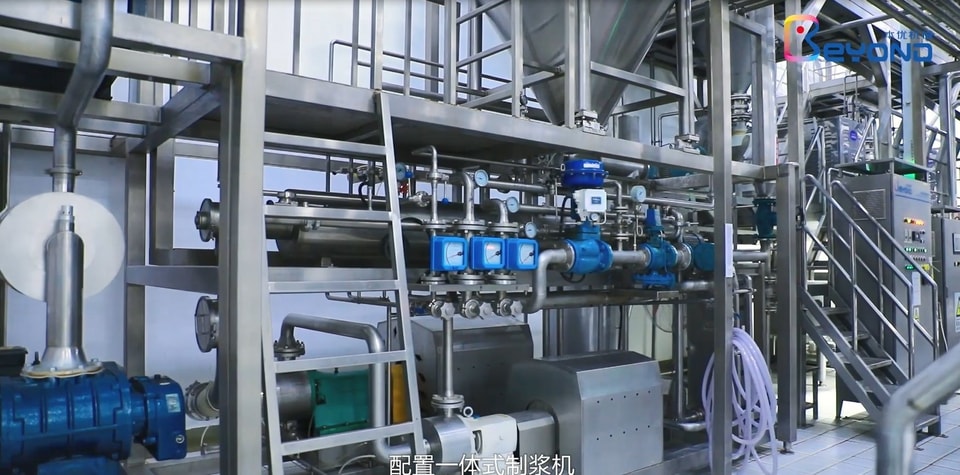
Empowering Dairy Innovation: End-to-End Solutions for Sustainable Milk Processing
Overview of dairy turnkey project
Dairy Turnkey Projects refer to a one-stop solution provided to dairy processing enterprises from design, construction to commissioning and delivery. This project covers all aspects of dairy production, including factory site selection, building design, equipment procurement and installation, production line debugging, employee training, etc., ensuring that customers can directly put the project into operation after completion. The following is the detailed content of the dairy turnkey project:
1、 Project Planning and Design
1. Requirement analysis:
Determine the annual output, processing capacity, and main production equipment of the factory based on the customer's business scale, market positioning, and product line requirements.
• Consider the possibility of future expansion and ensure that the design is flexible and scalable.
2. Raw materials and products in dairy turnkey projects
a、Raw material
In the turnkey dairy project, selecting high-quality raw materials is the foundation for ensuring product quality and safety. The following are common dairy processing materials:
1. Fresh milk:
• Source: Usually purchased directly from dairy farms.
Quality requirements: It is necessary to comply with national or regional food safety standards, such as protein content, fat content, microbial limits, etc.
• Storage conditions: It must be stored at low temperatures (usually 4 ° C) and processed as soon as possible.
2. Other dairy ingredients:
• Whey: a liquid separated from the cheese making process, which can be used to produce whey powder, whey protein, etc.
Defatted milk powder: a basic ingredient used to prepare whole milk powder, yogurt, and other products.
• Cream: Used for producing high-fat dairy products such as butter and ice cream.
3. Auxiliary materials and additives:
Carbohydrates: such as sucrose, glucose, etc., used for seasoning and increasing sweetness.
Stabilizers and thickeners, such as carrageenan and pectin, are used to improve the texture and taste of products.
• essence and pigment: used to give products specific flavor and color.
Probiotics: Used for fermenting dairy products (such as yogurt), it helps promote intestinal health.
b、Product
The dairy turnkey project can produce a wide variety of final products, covering various types of dairy products. Here are some of the main product types and their characteristics:
1. Liquid milk:
Pasteurized milk: Through low-temperature or high-temperature sterilization treatment, it retains more nutrients and is suitable for daily household consumption.
UHT milk: After undergoing ultra-high temperature instantaneous sterilization treatment, it can be stored at room temperature for a long time, making it convenient for transportation and storage.
2. Fermented dairy products:
Yogurt: Fermented by adding probiotics, it has rich nutritional value and health benefits.
Kefir: a fermented dairy beverage originating from the Caucasus region, containing a variety of active microbial communities that are beneficial for intestinal health.
3. Cheese products:
Hard cheese: such as Cheddar cheese, Parmesan cheese, etc., suitable for long-term storage, with a rich taste.
Soft cheese: such as Brie cheese, Camembert cheese, etc., with delicate taste and unique flavor.
4. Milk powder and dairy based products:
• Whole milk powder: It is made from concentrated fresh milk by spray drying, which is convenient for storage and transportation, and is widely used in food industry and household consumption.
Infant formula milk powder: specially designed for infants, added with various vitamins and minerals to meet their growth and development needs.
5. Ice cream and other frozen dairy products:
Ice cream: a popular cold drink made by freezing and stirring a mixture of cream, sugar, egg yolks, and other ingredients.
Ice cream stick: Similar to ice cream, but with a fixed shape, easy to carry and consume.
6. Special purpose dairy products:
Low fat dairy products: such as low-fat milk, low-fat yogurt, etc., suitable for people who are concerned about health and weight management.
Organic dairy products: raw materials produced using organic agriculture methods, emphasizing natural and chemical free additives.
The relationship between raw materials and products in dairy turnkey projects, the selection and processing of raw materials directly affect the quality and characteristics of the final product. Therefore, the project team will carefully design production processes based on market demand and customer requirements to ensure that each product meets the expected quality standards. Meanwhile, the rational utilization of by-products (such as whey) can also help improve the economic benefits and environmental protection level of the project.
If you have more specific or special requirements, please provide more detailed information to further optimize the project plan.
2. Site selection and layout:
Choose a suitable geographical location, considering factors such as transportation convenience, raw material supply, and energy acquisition.
Conduct a detailed site assessment, including geological survey, environmental impact assessment, etc.
Design a reasonable factory layout, optimize logistics routes, and improve production efficiency.
3. Process flow design:
Develop a detailed production process flowchart, covering raw material reception, pretreatment, sterilization, homogenization, packaging, and other stages.
Ensure that each process step complies with food safety standards and industry norms.
4. Equipment selection and configuration:
The key equipment in the dairy turnkey project is to select appropriate equipment to ensure the efficient, safe, and stable operation of the factory. The following are the key equipment and their functions commonly used in the processing of dairy products:
1. Raw material receiving and pre-processing equipment
Raw material storage tank: used to store fresh milk or other raw materials, equipped with a temperature control system to maintain optimal storage conditions.
Filters and centrifuges: Remove impurities and large particulate matter from raw materials to ensure the purity of subsequent processing.
2. Sterilization equipment
Pasteurization machine: Sterilize milk by using low temperature for a long time or high temperature for a short time, retaining more nutrients.
UHT (Ultra High Temperature Instant Sterilization) equipment: heats milk to above 135 ° C in a very short period of time, then rapidly cools it to ensure long-term preservation.
3. Homogenization equipment
Homogenizer: By using high pressure to break fat balls into smaller particles, it prevents fat from floating up, making the product more uniform and stable.
4. Fermentation and concentration equipment
Fermentation tank: used for the production of fermented products such as yogurt, providing suitable temperature and environmental conditions to promote microbial growth.
Evaporative concentrator: It increases the concentration of products such as condensed milk and powdered milk by evaporating some of the water.
5. Filling and packaging equipment
Filling machine: Automatically pour processed dairy products into packaging containers to ensure aseptic operation and sealing.
• Packaging machine: Packaging products after filling, including different types of packaging materials such as paper boxes, plastic bottles, glass bottles, etc.
6. Quality testing equipment
Laboratory analytical instruments: used to detect quality indicators of dairy products, such as protein content, fat content, microbial limits, etc.
Online detection system: Real time monitoring of product quality on the production line to ensure that each batch of products meets the standards.
7. Automation control system
PLC (Programmable Logic Controller): Achieve automated control of the entire production line, improve production efficiency and management level.
SCADA (Data Acquisition and Monitoring System): Collect various data on the production line for centralized management and remote monitoring.
8. Environmental protection and energy-saving equipment
Wastewater treatment equipment: Treat the wastewater generated during the production process to ensure that the discharge meets the standards.
• Exhaust gas treatment system: Reduce the emission of harmful gases such as volatile organic compounds (VOCs).
Waste heat recovery device: Utilizing waste heat from the production process for secondary utilization, saving energy.
Equipment selection principles
1. Efficient and energy-saving: Choose equipment with high energy efficiency to reduce energy consumption and operational costs.
2. Reliable and durable: Choose well-known brands and high-quality equipment to ensure long-term stable operation.
3. Easy to maintain: The equipment has a simple structure, is easy to clean and maintain, and reduces downtime.
4. Strong flexibility: Adjust equipment configuration flexibly according to different production process requirements to adapt to multi variety production.
5. High degree of intelligence: equipped with automated control and remote monitoring functions, improving management efficiency.
By selecting and configuring these key equipment reasonably, the dairy turnkey project can ensure that every link from raw material processing to finished product packaging is efficient, safe, and reliable, ultimately providing customers with high-quality products and excellent services.
2、 Engineering construction and installation
1. Civil construction:
Carry out infrastructure construction according to the design plan, including the construction of buildings such as factories, warehouses, and office buildings.
Ensure that the construction quality meets national and local building standards, especially safety measures such as waterproofing and fire prevention.
2. Construction of public facilities:
Install basic infrastructure such as water supply, power supply, gas supply, and sewage treatment to ensure the normal operation of the factory.
Construct environmental protection facilities, such as exhaust gas treatment systems and wastewater treatment stations, to ensure emissions meet standards.
3. Equipment installation and debugging:
Transport the selected equipment to the site and install and debug it according to technical requirements.
Conduct trial operation on key equipment to check if the performance indicators meet the design requirements.
Install necessary safety protection devices to ensure the safety of operators.
3、 Production preparation and start-up
1. Employee training:
Provide comprehensive training for newly recruited operators and technicians, including theoretical knowledge and practical operational skills.
The training content covers equipment use, maintenance, quality control, safety production, and other aspects.
2. Raw material procurement:
Establish long-term cooperative relationships with suppliers to ensure stable supply of raw materials.
Conduct strict quality inspections on raw materials to ensure they meet production standards.
3. Trial production and adjustment:
Conduct small-scale trial production, collect data and analyze it to identify potential issues.
Based on the trial production results, fine tune the process parameters and equipment to ensure stable product quality.
4. Formal production:
After comprehensive acceptance, the factory officially entered the stage of large-scale production.
Establish a comprehensive quality management system, conduct regular internal audits and external certifications.
4、 Subsequent services and support
1. Technical support:
Provide long-term technical support services, including equipment maintenance, software upgrades, etc.
Assist in solving various technical difficulties encountered during the production process.
2. Maintenance and upkeep:
Develop a detailed equipment maintenance plan and conduct regular inspections and maintenance.
Reserve necessary spare parts to ensure quick repair in case of equipment failure.
3. Continuous improvement:
Collect customer feedback and continuously optimize production processes and management procedures.
Pay attention to industry trends and technological advancements, timely introduce new technologies and concepts, and maintain the competitiveness of the enterprise.
5、 Investment and return
Investing in turnkey dairy projects can bring significant returns, but it also comes with certain risks. The following is a detailed analysis of the investment and return of the dairy turnkey project:
In terms of investment:
Construction investment: including land acquisition, construction projects, equipment procurement, etc. For example, a typical dairy product project may require an investment of 45.0858 million yuan, of which the fixed assets investment accounts for 74.48%.
Operating funds: used for daily operations such as raw material procurement, personnel salaries, etc. Working capital typically accounts for 25.52% of total investment.
Technology research and development: an important investment area for improving product quality and production efficiency.
Market expansion: including advertising and channel construction to increase product awareness and market share.
In terms of returns:
Economic benefits: Achieve revenue growth through product sales. For example, a project may achieve an annual operating income of 82.97 million yuan and a net profit of 13.3661 million yuan after reaching production capacity.
Investment return rate: usually around 29.65%, with an investment payback period of approximately 4.87 years.
Brand building: Enhancing the company's visibility and reputation in the market.
Scale expansion: laying the foundation for enterprises to enter new markets or launch new products.
Risk factors:
Market risk: Fluctuations in market demand and price competition may affect product sales and profits.
Technical risk: Technological innovation may cause existing equipment and processes to fall behind.
Policy and regulatory risks: Changes in international trade policies and industry standards may increase operating costs.
Supply chain risk: Unstable supply of raw materials and transportation issues may affect production.
Investors should fully consider these factors when making decisions, conduct comprehensive market analysis and risk assessment, in order to develop reasonable investment strategies.
Through the dairy turnkey project, customers can save on tedious construction and preparation work and focus on the development of their core business. This one-stop solution not only improves the success rate of the project, but also greatly shortens the construction period and reduces investment risks. If you have more specific or special requirements, please provide more detailed information to further optimize the project plan.
Shanghai Beyond Machinery Co., Ltd.
Beyond Machinery specializes in the design and manufacturing of dairy turnkey projects.Please contact us now, and our professional technical engineers will customize the equipment plan for dairy turnkey projects and provide a quotation.Please contact us now to obtain the latest equipment plan and quotation.
2/7, 2025
