

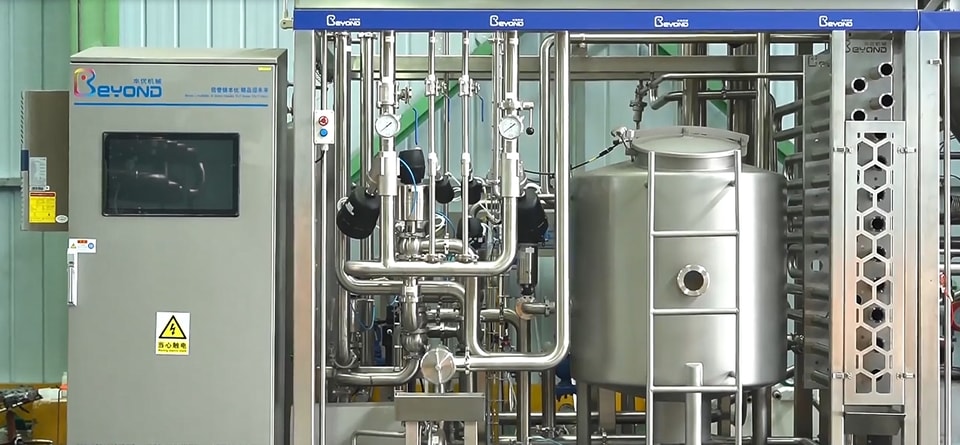
The Role of Pasteurization Machines in Modern Food Production
In the global landscape of industrial food processing, pasteurization machines have emerged as indispensable tools, safeguarding the quality and safety of a wide array of products. From dairy to beverages and beyond, these machines employ precise thermal processes to eliminate harmful pathogens while preserving the nutritional value and flavor of the products.
Types of Pasteurization Machines
Milk Pasteurizer Machines
Milk pasteurization is a thermal process designed to kill harmful bacteria such as E. coli, Listeria, and Salmonella, ensuring the milk is safe for consumption without affecting its taste or nutritional content. There are several types of milk pasteurizers:
Batch Pasteurizers: These heat milk in tanks at 63°C for 30 minutes, making them ideal for small-scale dairy operations.
High-Temperature Short Time (HTST): This method heats milk to 72°C for 15 seconds, then rapidly cools it, and is commonly used in larger facilities.
Ultra-High Temperature (UHT): UHT pasteurization heats milk to 135–150°C for 2–5 seconds, allowing for unrefrigerated storage for up to six months. This method is particularly useful for products like milk, cream, and other dairy products, as well as juices and beverages.
UHT Pasteurizer
UHT pasteurization, also known as ultra-pasteurization, is a process where milk or other dairy products are heated to 280°F (138°C) for just two seconds, then quickly cooled. This method extends the shelf life of products significantly, often up to 60-90 days without refrigeration. UHT pasteurizers are equipped with aseptic filling machines to package the product in sterile conditions, ensuring long-term stability.
Applications in Food Production
Pasteurization machines are utilized across various sectors of the food industry:
Dairy Products: Milk, yogurt, cheese, and ice cream are commonly pasteurized to eliminate pathogens and extend shelf life.
Beverages: Fruit juices, wines, and beers benefit from pasteurization to inhibit enzyme activity and prolong their shelf life.
Other Foods: Pasteurization is also applied to seafood, pickles, jams, and snack foods to ensure safety and maintain quality.
Industrial Considerations
When selecting a pasteurization machine, several factors must be considered:
Capacity: Machines are available in various capacities, from small-scale operations to large industrial plants.
Energy Efficiency: UHT and HTST pasteurizers often utilize thermal vapor recompression (TVR) or mechanical vapor recompression (MVR) to enhance energy efficiency.
Material: All equipment in contact with food products is typically made from high-grade stainless steel (304 or 316) to ensure durability and compliance with food safety standards.
Automation: Modern pasteurization lines are fully automated, reducing labor costs and increasing efficiency.
Conclusion
Pasteurization machines, including milk pasteurizers and UHT pasteurizers, play a crucial role in the food industry by ensuring the safety and quality of products. Whether for small-scale operations or large industrial plants, these machines offer tailored solutions to meet diverse production needs. As technology advances, pasteurization processes continue to evolve, balancing efficiency with the preservation of product integrity.
Shanghai Beyond Machinery Co., Ltd.
Beyond Machinery specializes in the design and manufacturing of Milk pasteurizers.Please contact us now, and our professional technical engineers will customize the equipment plan for Milk pasteurizers and provide a quotation.Please contact us now to obtain the latest equipment plan and quotation.
6/16, 2025

Cream Manufacturing: Innovations for a Brighter Dairy Future
As a leading manufacturer of dairy processing equipment, we stand at the forefront of innovation in the cream manufacturing industry. Our advanced cream processing plants and machines are meticulously designed to deliver high-quality cream products with unparalleled efficiency and precision. From milk cream processing to the final packaging, our solutions are tailored to meet the evolving needs of modern dairy producers.
Cream Manufacturing Process: Precision and Quality
Our cream manufacturing journey begins with the careful selection of high-quality raw milk. This milk undergoes rigorous testing for purity and safety before entering our state-of-the-art processing plants. The milk is then separated to extract the cream, a process that requires precise control to ensure the highest quality product.
Our cream processing plants feature advanced separators that efficiently separate cream from milk. These separators are designed for high efficiency and low energy consumption, ensuring that the cream is extracted with minimal waste. The extracted cream is then pasteurized to eliminate harmful bacteria while preserving its natural nutrients and flavor.
Cream Processing Machines: Advanced Technology for Modern Dairy Production
Our cream processing machines are equipped with the latest technology to ensure consistent quality and maximum yield. The pasteurized cream is homogenized to ensure a smooth and consistent texture. This process is crucial for creating a uniform product that meets the highest standards of quality.
Our machines also include advanced cooling systems that rapidly cool the cream to the desired temperature. This step is essential for maintaining the cream's freshness and extending its shelf life. The cooled cream is then ready for further processing or packaging.
Cream Processing Plant: Comprehensive Solutions for Dairy Producers
Our cream processing plants are designed to handle the entire production process, from raw milk intake to final packaging. These plants are equipped with advanced systems for milk reception, separation, pasteurization, homogenization, and packaging.
Our packaging lines are automated and capable of handling various formats, ensuring that the cream is securely and hygienically packaged for distribution. We use advanced packaging technology to extend the shelf life of the products, making them convenient for transportation and storage.
Commitment to Quality and Innovation
At our core, we are committed to providing innovative solutions that enhance the efficiency and quality of cream manufacturing. Our machines are designed for ease of use, low maintenance, and high reliability, ensuring minimal downtime and maximum productivity.
Whether you are looking to expand your existing cream production line or start a new venture, our comprehensive solutions are tailored to meet your specific needs. From initial consultation and design to installation and after-sales support, we provide end-to-end services to ensure your success in the competitive dairy market.
Our commitment to quality and innovation ensures that our cream processing plants and machines deliver top-tier performance, helping you produce high-quality cream products efficiently and reliably.
Shanghai Beyond Machinery Co., Ltd.
Beyond Machinery specializes in the design and manufacturing of cream processing machine.Please contact us now, and our professional technical engineers will customize the equipment plan for cream processing plant and provide a quotation.Please contact us now to obtain the latest equipment plan and quotation.
6/10, 2025
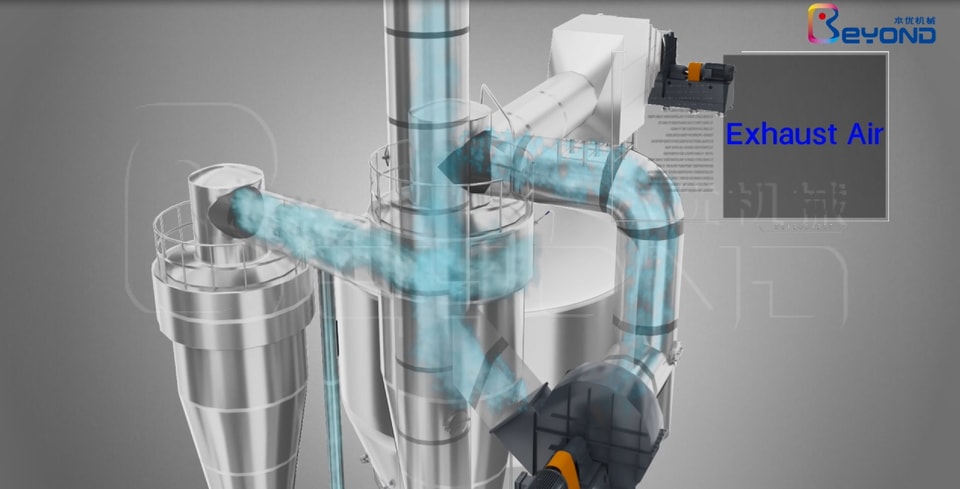
From Milk to Magic Powder: The Journey of Milk Powder Production
The milk powder production line is a sophisticated system
designed to convert fresh milk into powdered form while retaining its
nutritional value and quality. This process involves several stages, including
raw milk acceptance, standardization, preheating, homogenization,
sterilization, concentration, and drying.The resulting milk powder is
lightweight, has a long shelf life, and is easy to transport and store.
Key Components of
a Milk Powder Production Line
Raw Milk Acceptance System
The process begins with the acceptance of raw milk, which
is then stored in tanks. This system ensures that the milk is of high quality
and free from contaminants.
Standardization and Preheating
Raw milk is standardized to achieve the desired fat and
protein content. It is then preheated to prepare it for further processing.
Homogenization and Sterilization
Homogenization ensures that the fat globules in the milk
are evenly distributed, while sterilization eliminates harmful bacteria and
extends the shelf life of the product.
Concentration and Drying
The milk is concentrated using a vacuum evaporator, which
removes excess water while preserving the milk's nutritional value. The
concentrated milk is then dried using advanced spray drying equipment,
resulting in fine milk powder.
Packaging and Quality Control
The final milk powder product is packaged in various
formats, such as tinplate cans, plastic aluminum foil composite bags, and
carton boxes.The entire production process is monitored by a CIP cleaning
system and strict quality control measures to ensure the final product meets
high standards.
Milk Powder Plant
Project Cost
Setting up a milk powder production plant involves
significant capital investment. The cost includes land and site development,
civil works, machinery and equipment, packaging materials, and working capital.For
example, a typical dairy processing plant project may require an investment of
around 255.15 lakhs for site development, civil works, plant and machinery,
vehicles, and miscellaneous fixed assets.
Operating Costs
and Financial Considerations
Operating a milk powder plant involves ongoing expenses
such as raw materials, labor, utilities, packaging, and maintenance.The cost of
raw milk, which is a major input, can vary depending on market conditions.Other
variable costs include packaging materials, chemicals, and transportation.
Conclusion
A milk powder production line is a complex but essential
system for converting fresh milk into a versatile and long-lasting product. The
initial investment and operating costs are significant, but the demand for milk
powder in various applications, such as food manufacturing and animal feed, makes
it a potentially profitable venture.With the right planning and management, a
milk powder manufacturing plant can be a successful addition to the dairy
processing industry.
Shanghai Beyond Machinery Co., Ltd.
Beyond Machinery specializes in the design and manufacturing of Milk powder processing plant equipment.Please contact us now, and our professional technical engineers will customize the equipment plan for Milk powder plant and provide a quotation.Please contact us now to obtain the latest equipment plan and quotation.
6/4, 2025
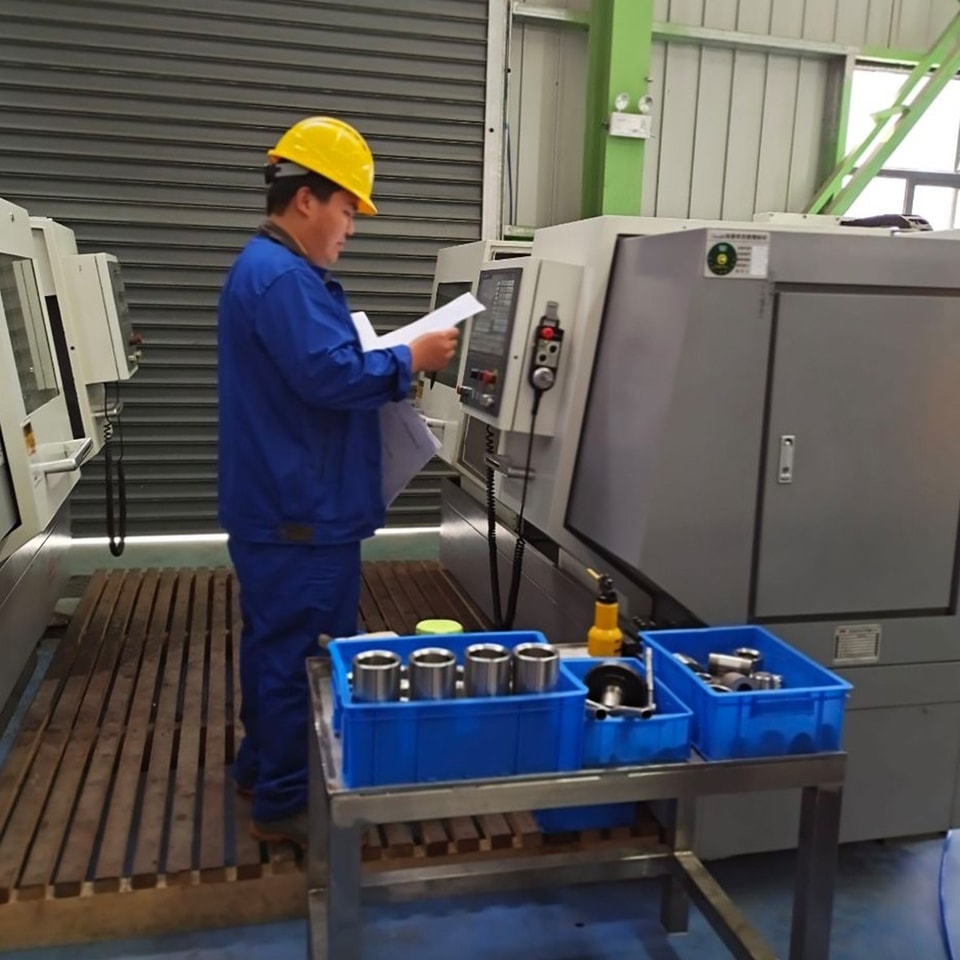
Jiangsu Beyond Machinery Co., Ltd. Achieves Triple International Certifications
Jiangsu Beyond Machinery Co., Ltd., a leading machinery manufacturer in China, has recently announced the successful acquisition of three major international certifications: ISO 9001 Quality Management System, ISO 14001 Environmental Management System, and ISO 45001 Occupational Health and Safety Management System. This achievement marks a significant milestone in the company's commitment to excellence in quality, environmental responsibility, and workplace safety.
Commitment to Quality: ISO 9001 Certification
The ISO 9001 certification is an internationally recognized standard that ensures a company's products and services meet the highest quality standards. Jiangsu Beyond Machinery Co., Ltd. has demonstrated its dedication to continuous improvement and customer satisfaction by achieving this prestigious certification. The company has implemented a comprehensive quality management system that covers all aspects of its operations, from product design and development to manufacturing and after-sales service. This certification not only enhances the company's reputation but also provides its customers with the assurance that they are receiving products and services of the highest quality.
Environmental Responsibility: ISO 14001 Certification
In an era where environmental sustainability is of paramount importance, Jiangsu Beyond Machinery Co., Ltd. has taken a proactive approach by obtaining the ISO 14001 certification. This certification signifies the company's commitment to minimizing its environmental impact and promoting sustainable practices throughout its operations. The company has established an environmental management system that includes regular monitoring and evaluation of its environmental performance. By implementing measures to reduce waste, conserve energy, and minimize pollution, Jiangsu Beyond Machinery Co., Ltd. is setting an example for other businesses in the industry to follow.
Workplace Safety: ISO 45001 Certification
The safety and well-being of employees are of utmost importance to Jiangsu Beyond Machinery Co., Ltd. The company's achievement of the ISO 45001 certification highlights its dedication to providing a safe and healthy working environment for all its staff. The ISO 45001 standard focuses on the prevention of work-related injuries and illnesses by identifying and managing occupational health and safety risks. Jiangsu Beyond Machinery Co., Ltd. has implemented a robust occupational health and safety management system that includes regular training, risk assessments, and the provision of necessary safety equipment. This certification not only protects the company's employees but also enhances its overall corporate social responsibility.
A Bright Future Ahead
The acquisition of these three international certifications is a testament to Jiangsu Beyond Machinery Co., Ltd.'s ongoing commitment to excellence. By adhering to the highest standards in quality, environmental responsibility, and workplace safety, the company is well-positioned to continue its growth and success in the global market. As the demand for sustainable and high-quality products increases, Jiangsu Beyond Machinery Co., Ltd. is poised to meet and exceed customer expectations, while also contributing to a safer and more sustainable future for all.
In conclusion, Jiangsu Beyond Machinery Co., Ltd.'s achievement of the ISO 9001, ISO 14001, and ISO 45001 certifications is a significant accomplishment that reflects the company's values and dedication to continuous improvement. This triple certification will undoubtedly strengthen the company's position in the industry and provide a solid foundation for its future success.
5/27, 2025

The Evolution of Coconut Processing Machinery in Southeast Asia
Southeast Asia is the world's largest coconut producer, with nearly 90% of global coconut trees located in the Asia-Pacific region. The coconut industry in this area has a long history and has been constantly evolving with the development of technology. Among the various coconut products, coconut milk is one of the most popular and widely consumed. This article will explore the development of coconut milk extraction, processing, and production machines in Southeast Asia.
Coconut Milk Extraction Machines
Traditional Methods
In the past, coconut milk extraction was a labor-intensive process. People used to grate the coconut meat by hand and then squeeze the milk out using a cloth. This method was time-consuming and had a low extraction rate.
Modern Extraction Machines
With the advancement of technology, various modern coconut milk extraction machines have been developed. One of the most popular types is the hydraulic coconut milk press machine. This machine can automatically and continuously extract coconut milk from crushed coconut meat, with a high juice extraction rate of 65%-68%. It is made of 304 stainless steel, ensuring hygiene and durability. Another common type is the screw press, which is designed for efficient separation of liquids from solids. The machine incorporates an open bottom section with a screen to allow loose liquid to drop through immediately. Most of the dewatering takes place in the center portion of the device, in a specially designed screw.
Coconut Milk Processing Machines
Filtration and Homogenization
After extraction, coconut milk needs to be processed to ensure its quality and stability. Filtration is an essential step to remove fine impurities. Duplex filters composed of two stainless steel filters are commonly used. They can accurately ensure filtering accuracy and allow for rapid replacement of the filter bag. Homogenization is another crucial process. Homogenizers can make the ingredients in coconut milk disperse more evenly and dissolve more fully. This process helps to improve the stability of coconut milk and enhance its silky taste.
Sterilization
Sterilization is vital to kill bacteria and other harmful microorganisms in coconut milk. Tubular sterilizers are widely used in the industry. They can instantly sterilize the coconut milk while preserving its nutritional value. Some advanced processing lines also adopt UHT (Ultra-High Temperature) sterilization machines, which can kill most microorganisms in a short time and ensure the safety and shelf life of the product.
Coconut Milk Production Machines
Integrated Production Lines
Modern coconut milk production has become highly automated and integrated. A typical production line includes coconut pre-treatment (such as dehusking, deshelling, and washing), milk harvest and filtering, milk blending, sterilization, and filling. All the main equipment in these lines are made of high-quality food-grade stainless steel, meeting the sanitary requirements of food processing. For example, the dehusking machine uses a rotating roller with teeth knives to remove the husk or coir from raw coconuts. The deshelling machine detaches the hard shell from dehusked coconuts with high precision.
Advanced Technologies
Some production lines also incorporate advanced technologies such as PLC (Programmable Logic Controller) systems to achieve automatic operation. By setting the running parameters, the entire production process can be controlled and monitored efficiently. These software tools help achieve accurate and precise results in the design of coconut milk production lines.
Conclusion
The development of coconut milk extraction, processing, and production machines in Southeast Asia has significantly improved the efficiency and quality of coconut milk production. From traditional manual methods to modern automated machines, the industry has made great progress. With the continuous advancement of technology, we can expect even more efficient and innovative machines to The development of coconut milk extraction, processing, and production machines in Southeast Asia has significantly improved the efficiency and quality of coconut milk production. From traditional manual methods to modern automated machines, the industry has made great progress. With the continuous advancement of technology, we can expect even more efficient and innovative machines to emerge in the future, further promoting the growth of the coconut milk industry in Southeast Asia.
Shanghai Beyond Machinery Co., Ltd.
Beyond Machinery specializes in the design and manufacturing of Coconut milk production machine.Please contact us now, and our professional technical engineers will customize the equipment plan for Coconut milk production and provide a quotation.Please contact us now to obtain the latest equipment plan and quotation.
5/26, 2025
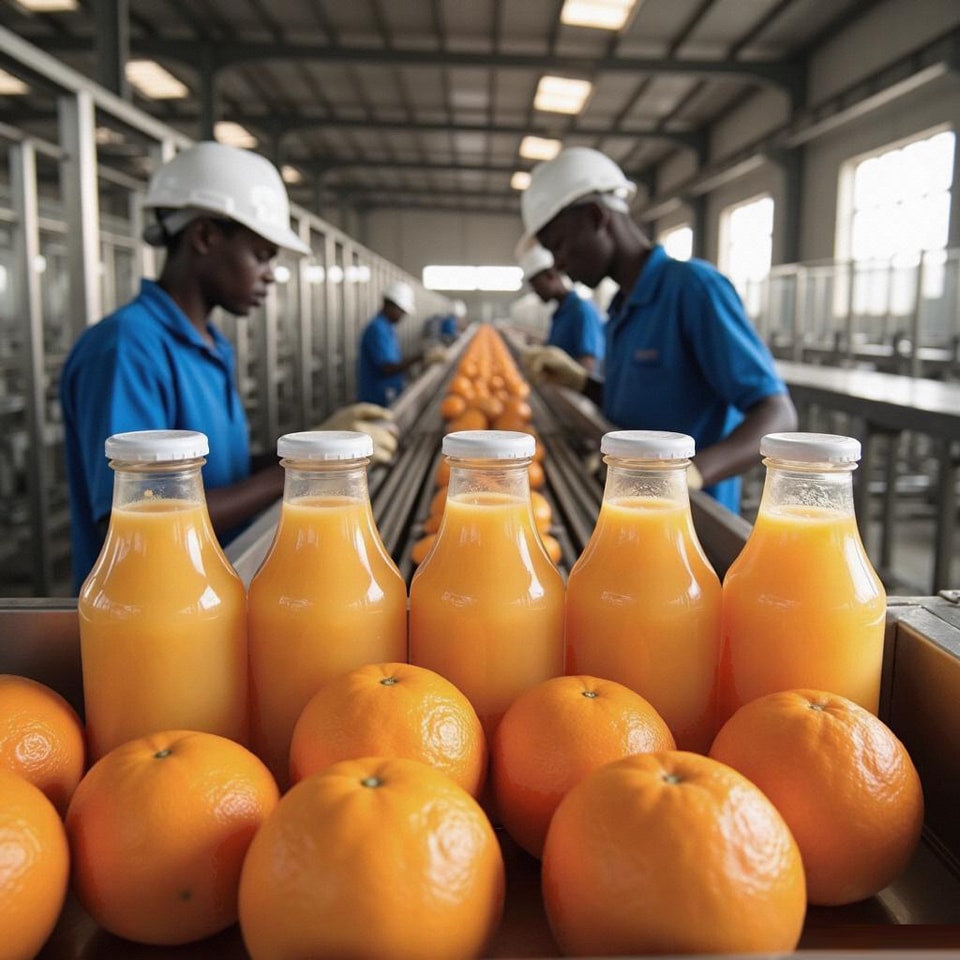
Orange Juice Manufacturing: Africa's Emerging Market
Orange juice manufacturing is a sophisticated process that transforms fresh oranges into a nutritious and refreshing beverage. This process involves several key stages, each designed to ensure the quality, safety, and shelf life of the final product. In recent years, the orange juice market in Africa has seen significant growth, driven by increasing consumer demand for healthy and natural beverages. This article explores the production process and the unique challenges and opportunities in the African market.
Orange Juice Production Process
1. Raw Material Preparation and Washing:
- Selection: Fresh, ripe oranges are carefully selected to ensure high quality.
- Washing: Oranges are thoroughly washed to remove dirt, debris, and pesticide residues. Specialized fruit washing machines are used to ensure hygiene.
2. Juice Extraction:
- Mechanical Extraction: Modern juicers, such as screw juicers and centrifugal juicers, are used to extract juice efficiently.
- Squeezer-Type Extractor: This type of extractor is designed for whole fruit and can handle different sizes of citrus fruits.
- Roller Half Cutting Extractor: Suitable for smaller citrus fruits, this extractor cuts the fruit in half and extracts juice under pressure.
3. Filtration and Pulp Removal:
- Vibrating Screens: Used to remove large particles such as pulp and seeds.
- Centrifugal Separators: Further clarify the juice by removing fine impurities.
4. Pasteurization:
- HTST Pasteurization: The juice is heated to 91-95°C for 15-30 seconds to eliminate harmful bacteria while preserving flavor.
- UHT Pasteurization: For longer shelf life, the juice is heated to over 120°C for 3-10 seconds.
5. Cooling and Storage:
- The juice is quickly cooled to maintain freshness and nutritional value.
6. Concentration and Dilution (Optional):
- For easier transportation and storage, the juice may be concentrated by removing water content.
7. Packaging and Sealing:
- The final product is packaged into various containers such as bottles, cartons, or tetra packs.
Equipment Required for Orange Juice Production
- Juicers: Essential for extracting juice from oranges.
- Filters: Remove pulp and impurities to ensure a smooth texture.
- Pasteurization Machines: Ensure the safety and shelf life of the juice.
- Cooling Systems: Maintain the freshness of the juice.
- Concentrators: Reduce the volume of juice for easier handling.
- Packaging Machines: Bottle or can the juice for distribution.
African Orange Juice Market
The African market for orange juice is experiencing significant growth, driven by increasing consumer demand for healthy and natural beverages. Key factors contributing to this growth include:
- Health Consciousness: African consumers are becoming more health-conscious, driving demand for natural and nutritious beverages.
- Urbanization: Rapid urbanization in Africa is increasing the demand for convenient, ready-to-drink beverages.
- Economic Growth: Rising incomes in many African countries are enabling consumers to spend more on premium beverages.
Challenges and Opportunities
- Challenges: High production costs, limited access to advanced technology, and infrastructure constraints pose challenges to the orange juice industry in Africa.
- Opportunities: The growing demand for natural and organic products presents significant opportunities for local and international producers to expand their market share.
Conclusion
The production of orange juice is a complex process that requires precise control and advanced technology. From washing and juicing to pasteurization and packaging, each step is crucial for producing high-quality orange juice. Modern manufacturing lines are designed to be efficient, hygienic, and capable of meeting the growing demand for this popular beverage. In Africa, the orange juice market is experiencing significant growth, driven by increasing consumer demand for healthy and natural beverages. By leveraging advanced machinery and stringent quality control measures, orange juice manufacturing plants can efficiently produce safe, nutritious, and delicious orange juice that meets global standards.
Shanghai Beyond Machinery Co., Ltd.
Beyond Machinery specializes in the design and manufacturing of orange juice processing plant.Please contact us now, and our professional technical engineers will customize the equipment plan for orange juice processing plant equipments and provide a quotation.Please contact us now to obtain the latest equipment plan and quotation.
5/22, 2025
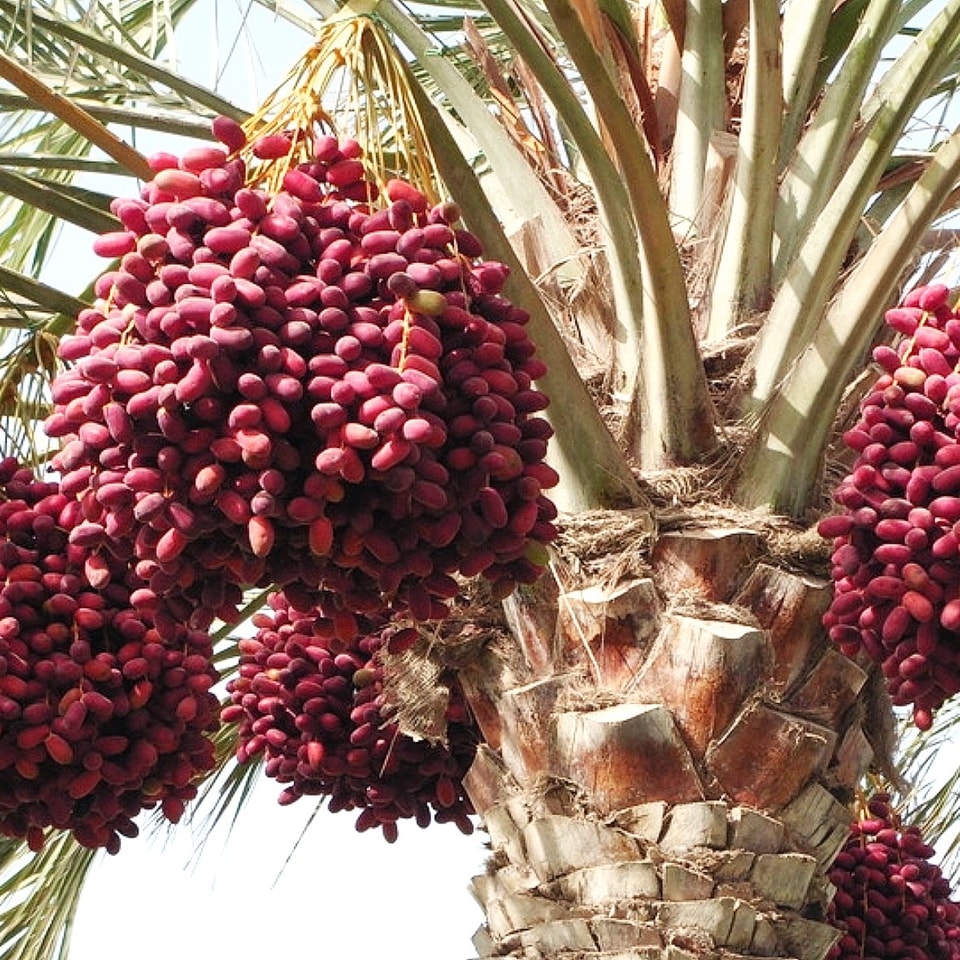
Unlocking the Sweetness: A Deep Dive into Date Palm Juice Processing
Date palm juice processing lines are designed to efficiently transform fresh date fruits into a variety of high-quality products, including date syrup, date juice, and date paste. These lines integrate advanced technology to ensure efficiency, quality, and safety in the production process.
Key Steps in Date Palm Juice Processing
1. Fruit Washing:
- Date fruits are thoroughly washed to remove dirt, dust, and impurities. This step is crucial for maintaining the hygiene and quality of the final product.
2. Pitting and Slicing:
- The pits or seeds of the dates are removed using automated equipment. This process ensures that the juice is free from any solid impurities.
3. Juice Extraction:
- The pitted dates are crushed or pulped to extract the juice. This can be achieved using pressing, milling, or enzymatic treatment.
4. Filtration and Clarification:
- The extracted juice is passed through filters to remove any remaining solids or impurities, ensuring a clear and smooth final product.
5. Pasteurization:
- To ensure safety and extend the shelf life of the juice, it is pasteurized by heating it to a specific temperature for a predetermined time.
6. Concentration:
- If a concentrated date juice is desired, the juice can be evaporated under vacuum to remove water content, resulting in a higher concentration of flavors and nutrients.
7. Packaging:
- The final product is filled into bottles, cans, or tetra packs. These containers are then sealed and labeled before being packaged into boxes or cartons for storage or transportation.
Technical Highlights
- Automation and Control Systems: Modern date palm juice processing lines incorporate automation and control systems to monitor and regulate various stages of the process, ensuring efficiency and consistency in production.
- Energy Efficiency: Advanced energy management technology is used to achieve efficient utilization and conservation of energy.
- Health and Safety: The design and operation of the processing line comply with relevant standards for food processing, ensuring the final product is safe for consumption.
Conclusion
Date palm juice processing lines are essential for transforming fresh date fruits into high-quality products. By leveraging advanced technology and stringent quality control measures, these lines ensure that date juice and related products meet global standards for safety, nutrition, and taste.
Shanghai Beyond Machinery Co., Ltd.
Beyond Machinery specializes in the design and manufacturing of date palm processing plant.Please contact us now, and our professional technical engineers will customize the equipment plan for Date palm juice extraction equipments and provide a quotation.Please contact us now to obtain the latest equipment plan and quotation.
5/19, 2025
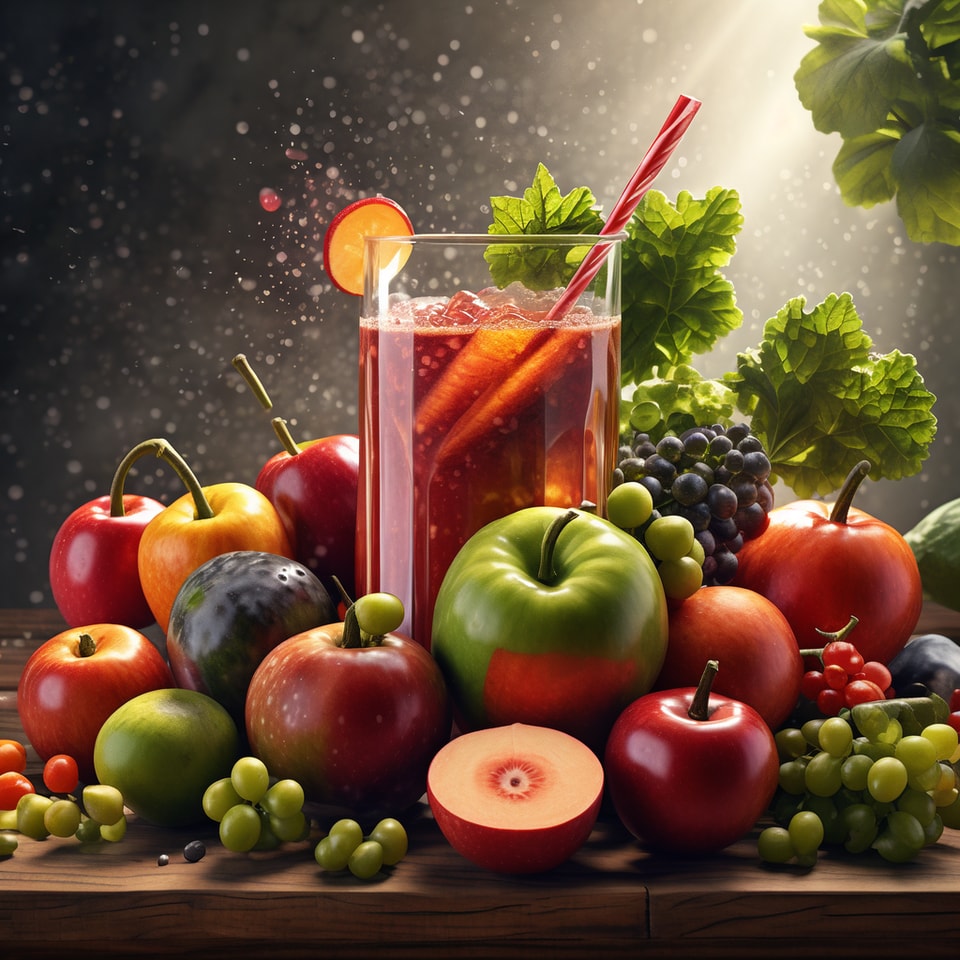
Turning Fruit into Gold: The Magic of Modern Fruit Juice Production Lines
The global demand for fresh and nutritious fruit juices has led to significant advancements in juice production technology. Modern juice production lines are designed to efficiently transform raw fruits into high-quality, shelf-stable products. This article provides an in-depth look at the technology and processes involved in juice production, focusing on apple juice and general fruit juice production lines.
Key Components of a Juice Production Line
1. Raw Material Reception and Storage
- Fresh fruits, such as apples, are received and stored in a controlled environment to maintain freshness.
- Fruits are inspected for quality and sorted to remove any damaged or unripe pieces.
2. Washing and Cleaning
- Fruits are thoroughly washed to remove dirt, pesticides, and any foreign particles.
- Automated washing machines use water jets and brushes to ensure the fruits are clean.
3. Crushing and Pulp Extraction
- The cleaned fruits are crushed to extract the juice. For apples, this often involves a combination of grinding and pressing.
- The extracted pulp is then separated from the juice using centrifugal separators or filters.
4. Clarification and Filtration
- The juice is clarified to remove any remaining solid particles and improve its clarity.
- Advanced filtration systems, such as membrane filters, are used to ensure the juice is free from impurities.
5. Pasteurization
- To ensure safety and extend shelf life, the juice is pasteurized. This involves heating the juice to a specific temperature for a set period to kill harmful bacteria.
- Pasteurization methods include high-temperature short-time (HTST) and ultra-high temperature (UHT) processes.
6. Cooling and Packaging
- After pasteurization, the juice is rapidly cooled to maintain its quality and freshness.
- The final product is packaged in various formats, such as PET bottles, glass bottles, Tetra Paks, or stand-up pouches.
Apple Juice Production Line
1. Preparation of Apples
- Apples are washed, sorted, and crushed to extract the juice.
- The crushed apples are pressed to release the juice, which is then collected in tanks.
2. Clarification and Filtration
- The apple juice is clarified using centrifugal separators to remove any solid particles.
- The clarified juice is then filtered through membrane filters to ensure it is clear and free from impurities.
3. Pasteurization
- The apple juice is pasteurized using HTST or UHT methods to ensure it is safe for consumption.
- Pasteurization also helps to preserve the natural flavor and nutritional content of the juice.
4. Cooling and Packaging
- The pasteurized apple juice is cooled quickly to maintain its quality.
- The juice is then packaged into bottles, cartons, or pouches and stored in a cool, dark place until ready for distribution.
Fruit Juice Production Line
1. Raw Fruit Processing
- Various fruits, such as oranges, pineapples, and mangoes, are processed to extract their juice.
- Each fruit requires specific handling and processing techniques to maximize juice yield and quality.
2. Juice Extraction
- The fruits are crushed and pressed to extract the juice. The method varies depending on the type of fruit.
- The extracted juice is collected and stored in tanks for further processing.
3. Clarification and Filtration
- The juice is clarified and filtered to remove any solid particles and impurities.
- Advanced filtration systems ensure the juice is clear and has a consistent texture.
4. Pasteurization
- The fruit juice is pasteurized to eliminate harmful bacteria and extend its shelf life.
- Pasteurization methods include HTST and UHT, depending on the desired shelf life and product characteristics.
5. Cooling and Packaging
- The pasteurized fruit juice is cooled quickly to maintain its qualit Cooling and Packaging
The pasteurized fruit juice is cooled quickly to maintain its quality and freshness.
The final product is packaged in various formats, such as PET bottles, glass bottles, Tetra Paks, or stand-up pouches.
Conclusion
Modern juice production lines integrate advanced technology to ensure high efficiency, product quality, and safety. Whether producing apple juice or a variety of fruit juices, these lines are designed to meet the growing demand for fresh and nutritious beverages. By leveraging advanced technology and stringent quality control measures, juice production plants can efficiently produce high-quality products that meet global standards.
Shanghai Beyond Machinery Co., Ltd.
Beyond Machinery specializes in the design and manufacturing of apple juice production plant.Please contact us now, and our professional technical engineers will customize the equipment plan for fruit juice processing plant and provide a quotation.Please contact us now to obtain the latest equipment plan and quotation.
5/10, 2025
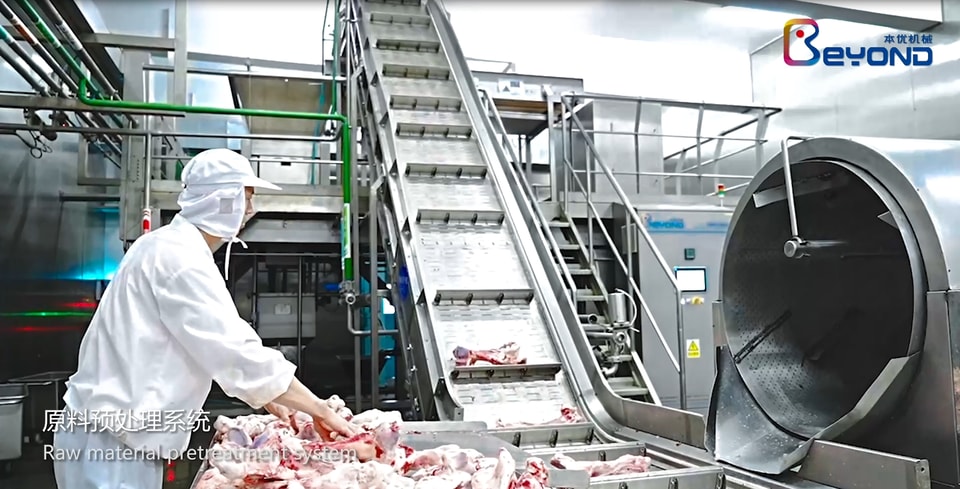
Seasoning Production Line: Innovations in Flavor Enhancement
Introduction
In the culinary world, the art of flavor enhancement is as crucial as the ingredients themselves. Seasoning production lines, broth processing equipment, and bone soup processing machines are at the forefront of this culinary evolution. These technologies are designed to streamline the production of high-quality seasonings and broths, ensuring consistency, efficiency, and flavor excellence.
Seasoning Production Line: A Symphony of Flavors
A seasoning production line is a sophisticated system that transforms raw ingredients into a wide array of seasonings and flavorings. This process involves several stages, each meticulously controlled to ensure the highest quality output.
1. Raw Material Preparation:
- High-quality raw materials such as spices, herbs, and salts are selected and stored in controlled environments to maintain freshness.
- Ingredients are cleaned and pre-processed to remove any impurities.
2. Mixing and Blending:
- The raw materials are mixed and blended in precise proportions using advanced mixing equipment. This ensures uniform distribution of flavors and textures.
- Some production lines incorporate high-shear mixers to achieve a fine, homogeneous blend.
3. Drying and Cooling:
- The blended seasoning is then dried to remove excess moisture, ensuring a longer shelf life and preventing spoilage.
- Cooling systems are used to bring the product to room temperature, ready for packaging.
4. Packaging:
- The final seasoning is packaged in various formats, such as sachets, jars, or bulk containers, ensuring convenience and ease of use for consumers and chefs alike.
Broth Processing Equipment: The Essence of Flavor
Broth processing equipment is designed to extract the maximum flavor from ingredients while maintaining the nutritional value of the broth. This equipment is essential in the production of high-quality broths, stocks, and soups.
1. Extraction and Concentration:
- Ingredients such as vegetables, bones, and herbs are placed in large extraction tanks where they are simmered to extract flavors.
- The broth is then concentrated using evaporation techniques to enhance flavor intensity.
2. Filtration and Clarification:
- The extracted broth is filtered to remove solid particles, ensuring a clear and smooth liquid.
- Clarification processes may include centrifugation or membrane filtration to remove fine particles and impurities.
3. Pasteurization and Sterilization:
- The broth is pasteurized to eliminate harmful bacteria and ensure food safety.
- Some broths undergo UHT (Ultra-High Temperature) sterilization to extend shelf life without refrigeration.
4. Packaging:
- The final product is packaged in aseptic containers, ensuring the broth remains fresh and safe for consumption.
Bone Soup Processing Machine: Unlocking Rich Flavors
Bone soup processing machines are specialized equipment designed to extract the rich flavors and nutrients from bones, creating a deeply flavored broth. These machines are essential in the production of traditional and gourmet soups.
1. Bone Preparation:
- Bones are cleaned and pre-processed to remove any residual meat or connective tissue.
- The bones are then crushed or cut into smaller pieces to increase surface area for flavor extraction.
2. Simmering and Extraction:
- The bones are simmered in large tanks with water and aromatic ingredients to extract collagen and flavors.
- The simmering process can last several hours, ensuring a rich and flavorful broth.
3. Cooling and Filtration:
- The simmered broth is cooled rapidly to stop the cooking process and preserve flavor.
- The broth is then filtered to remove bone fragments and other solids, leaving a clear, flavorful liquid.
4. Packaging and Storage:
- The final bone broth is packaged in aseptic containers or frozen for long-term storage.
- Aseptic packaging ensures the broth remains safe and fresh without the need for preservatives.
Technological Advancements and Future Trends
- Automation: Modern seasoning production lines and broth processing equipment are increasingly automated, reducing labor costs and increasing production efficiency.
- Energy Efficiency: Advanced technologies such as heat recovery systems and energy-efficient evaporators are being integrated to reduce operational costs.
- Customization: Equipment can be tailored to meet specific production needs, including different capacities and product types.
- Sustainability: There is a growing focus on eco-friendly practices and materials to reduce the environmental impact of production processes.
Conclusion
The integration of advanced seasoning production lines, broth processing equipment, and bone soup processing machines is transforming the culinary landscape. These technologies ensure that flavor enhancement is not only efficient but also of the highest quality. By leveraging these innovations, manufacturers can produce a wide range of seasonings and broths that meet global standards and consumer demands.
Shanghai Beyond Machinery Co., Ltd.
Beyond Machinery specializes in the design and manufacturing of bone soup processing machine.Please contact us now, and our professional technical engineers will customize the equipment plan for broth processing equipment and provide a quotation.Please contact us now to obtain the latest equipment plan and quotation.
4/25, 2025
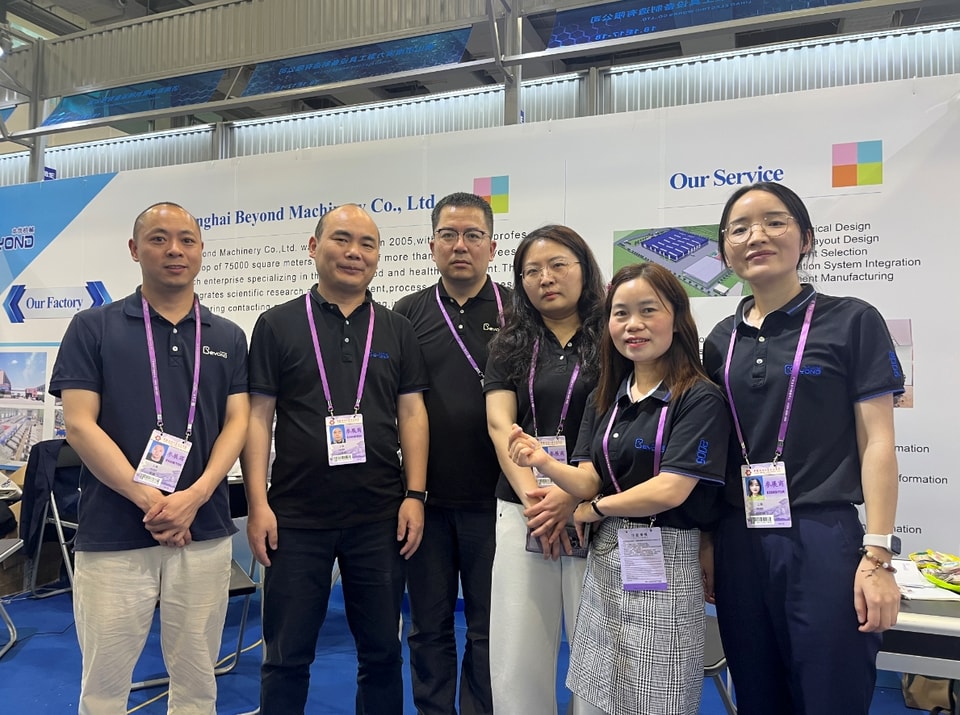
Shanghai Beyond Machinery Achieves Great Success at the 137th Canton Fair
Guangzhou, April 15-19, 2025 — Shanghai Beyond Machinery Co., Ltd. emerged as a standout participant at the 137th Canton Fair, Our company showcased innovative 50L Laboratory Sterilizer, attracting significant attention and acclaim from industry professionals and visitors alike.
Innovative Display and Expertise
The 50L Laboratory Sterilizer was the centerpiece of Shanghai Beyond Machinery's exhibition. This state-of-the-art equipment is designed for small-scale production and laboratory testing, ensuring precise sterilization and high-quality results. The machine's advanced features, including automated temperature control and real-time monitoring, were highlighted during the event, demonstrating the company's commitment to innovation and excellence.
Engaging with Industry Leaders
Throughout the exhibition, Shanghai Beyond Machinery's booth was a hub of activity, drawing a steady stream of visitors. The company engaged in productive discussions with domestic and international experts, sharing insights on future trends in food processing technology and exploring potential collaborations. These interactions not only provided valuable market feedback but also laid the groundwork for future partnerships.
Commitment to Quality and Innovation
Shanghai Beyond Machinery's participation in the 137th Canton Fair reaffirmed its position as a key player in the food processing machinery sector. The company's focus on advanced technology and stringent quality control measures ensures that its products meet the highest standards of safety and efficiency.
Looking Ahead
As the Canton Fair 2025 drew to a close, Shanghai Beyond Machinery expressed its gratitude to all attendees and looked forward to future opportunities to contribute to the industry's growth. Our company's presence at the event underscored our ongoing efforts to meet market demands and set new benchmarks in food processing technology.
Beyond Machinery warmly invites customers to visit our company to witness firsthand the future of food processing. Together, let's explore how advanced machinery can drive the industry forward.
4/23, 2025
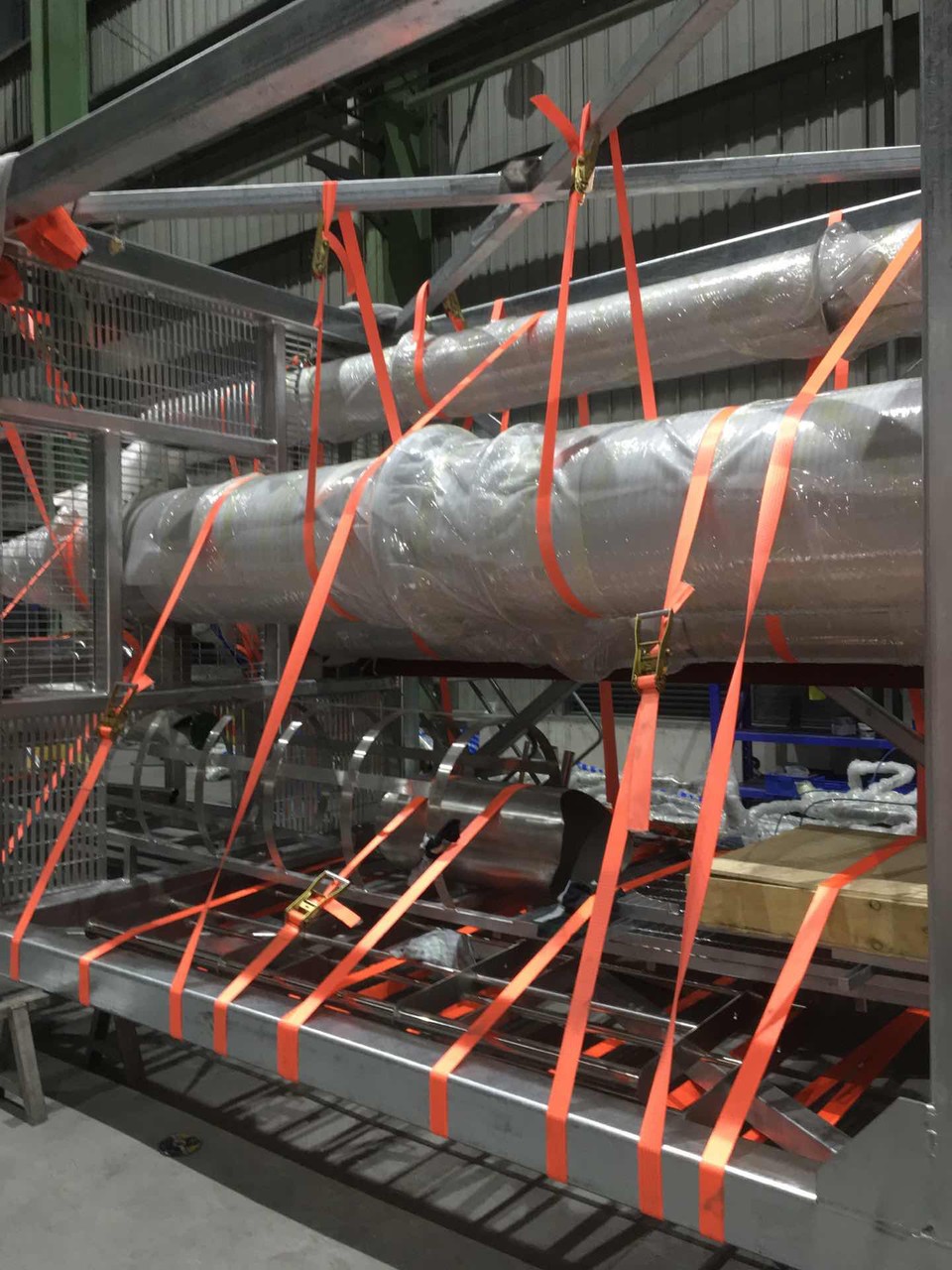
Triplex Falling Film evaporator: A Technical Overview
Introduction
A triplex falling Film evaporator is a highly efficient piece of equipment designed to evaporate and concentrate liquid solutions. This device is widely used in various industries, including dairy, pharmaceuticals, and food processing, due to its ability to handle a wide range of materials while maintaining high efficiency and low energy consumption.
Working Principle
The triplex falling film evaporator operates on the principle of falling film evaporation. It involves the following steps:
1. Feed Introduction: The liquid solution is introduced at the top of the evaporator.
2. Falling Film Formation: The liquid is distributed evenly across the heating tubes, forming a thin film that flows downward under the influence of gravity.
3. Evaporation: As the liquid flows down the tubes, it is heated, causing a portion of the liquid to evaporate. The vapor rises and is separated from the liquid in the separator.
4. Multiple Effects: In a triplex system, the vapor from the first effect is used to heat the liquid in the second effect, and so on. This cascading effect maximizes energy efficiency by reusing the heat from the vapor.
5. Condensation: The vapor is condensed back into liquid form, which can be reused or discharged.
Key Components
- Heating Chambers: These chambers contain the tubes where the liquid flows and evaporates.
- Separation Chambers: These chambers separate the vapor from the liquid.
- Feed Distributors: These ensure the liquid is evenly distributed across the tubes.
- Condensers: These condense the vapor back into liquid form.
Advantages
- High Efficiency: The falling film design ensures high heat transfer efficiency, reducing energy consumption.
- Low Operating Temperature: The process operates at relatively low temperatures, preserving the quality of heat-sensitive materials.
- Scalability: The system can be scaled up or down to meet different production needs.
- Versatility: It can handle a wide range of materials, including viscous liquids and solutions with suspended solids.
Applications
The triplex falling film evaporator is used in various industries for applications such as:
- Dairy Processing: Concentrating milk and other dairy products.
- Pharmaceuticals: Concentrating medicinal extracts and pharmaceutical solutions.
- Food Processing: Concentrating fruit juices and other food products.
- Waste Treatment: Treating industrial wastewater and reducing its volume.
Conclusion
The triplex falling film concentrator is a versatile and efficient piece of equipment that offers significant advantages in terms of energy savings, scalability, and material compatibility. Its ability to handle a wide range of materials while preserving their quality makes it an essential tool in modern industrial processes.
Shanghai Beyond Machinery Co., Ltd.
Beyond Machinery specializes in the design and manufacturing of film evaporator.Please contact us now, and our professional technical engineers will customize the equipment plan for film evaporator and provide a quotation.Please contact us now to obtain the latest equipment plan and quotation.
4/10, 2025
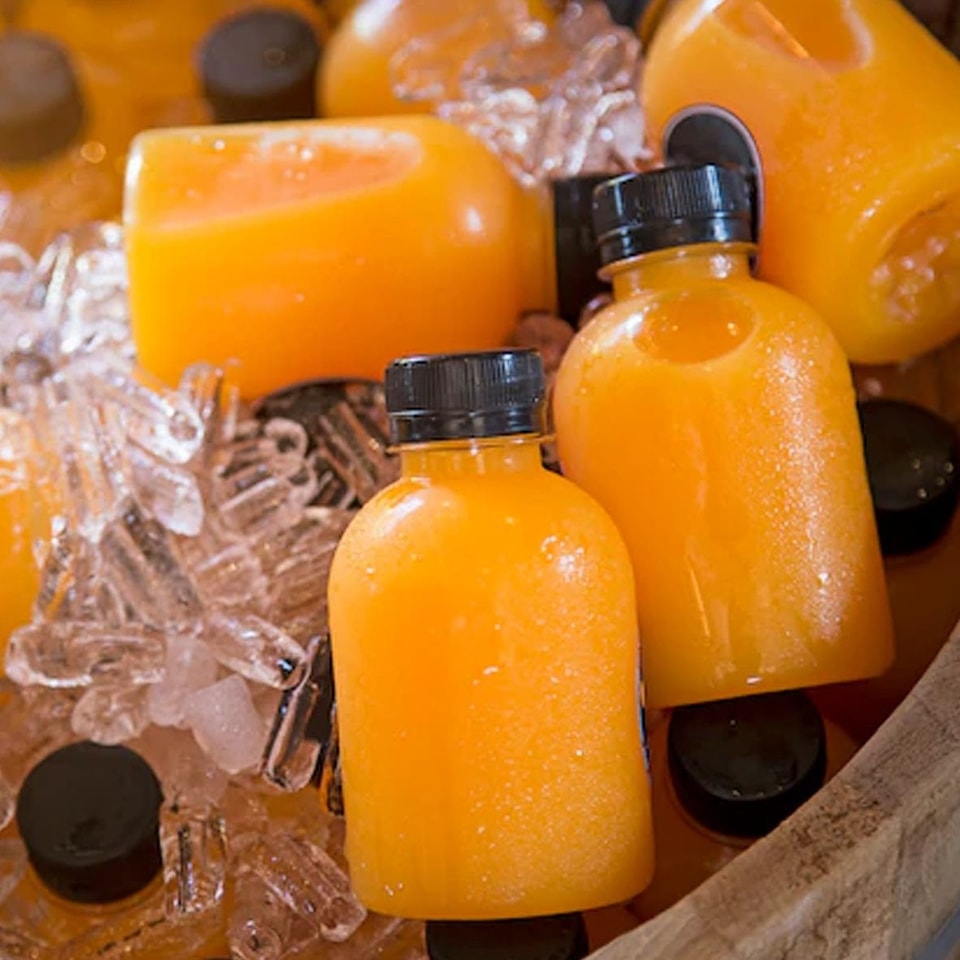
Orange Juice Production: From Oranges to Bottles
Orange juice is a popular beverage enjoyed worldwide for its refreshing taste and nutritional benefits. The production process involves several key steps, from harvesting oranges to packaging the final product. This article provides a detailed overview of the industrial process, focusing on the machinery and techniques used in modern orange juice production.
1. Harvesting and Washing
The process begins with the careful selection and harvesting of ripe oranges. These fruits are typically grown in warm climates, such as Florida, California, Brazil, and Spain. Once harvested, the oranges are transported to processing facilities, where they undergo rigorous washing and sorting. This step is crucial for ensuring the safety and quality of the final product. Modern facilities use specialized washing machines that clean the oranges by spraying, rolling, and other methods to remove dirt, pesticide residues, and microorganisms.
2. Juicing Process
After washing, the oranges are sent to juicing machines. These machines use mechanical extraction to press the oranges and extract the juice. Modern juicers are designed to adjust pressure based on the size and hardness of the oranges, ensuring maximum juice yield. The extracted juice is then filtered to remove any remaining pulp, seeds, or solid particles, resulting in a smooth and clear liquid.
3. Pasteurization
To ensure the safety and extend the shelf life of the juice, it undergoes pasteurization. This process involves heating the juice to a specific temperature for a set amount of time, effectively killing any harmful bacteria or microorganisms while retaining its essential nutrients. Pasteurization is a critical step in maintaining the quality and safety of the final product.
4. Deaeration and Flavor Adjustment
After pasteurization, the juice is pumped into a deaerator to remove any remaining air bubbles, which helps prevent oxidation and maintains the juice’s freshness. Depending on the desired flavor profile, the juice may undergo flavor adjustment. This can involve combining juice from different orange varieties or adding natural flavors to enhance taste.
5. Packaging
The final step is packaging the juice in aseptic containers, glass bottles, or cartons. Aseptic packaging involves sterilizing the containers and filling them with the juice under sterile conditions, ensuring a longer shelf life without the need for refrigeration. The packaged juice is then ready for distribution to stores and supermarkets.
6. Quality Control
Throughout the production process, rigorous quality control measures are in place to ensure the final product meets high standards of taste, color, and nutritional value. Continuous monitoring and testing at various stages help maintain product consistency and safety.
Conclusion
The production of orange juice is a carefully controlled process that ensures the final product is safe, nutritious, and delicious. By leveraging advanced technology and rigorous quality control measures, modern orange juice production facilities can efficiently produce high-quality products that meet global demand. From the orchard to the bottle, every step is meticulously executed to bring this refreshing beverage to consumers worldwide.
Shanghai Beyond Machinery Co., Ltd.
Beyond Machinery specializes in the design and manufacturing of orange juice production process Machines.Please contact us now, and our professional technical engineers will customize the equipment plan for orange juice production process and provide a quotation.Please contact us now to obtain the latest equipment plan and quotation.
4/9, 2025
