
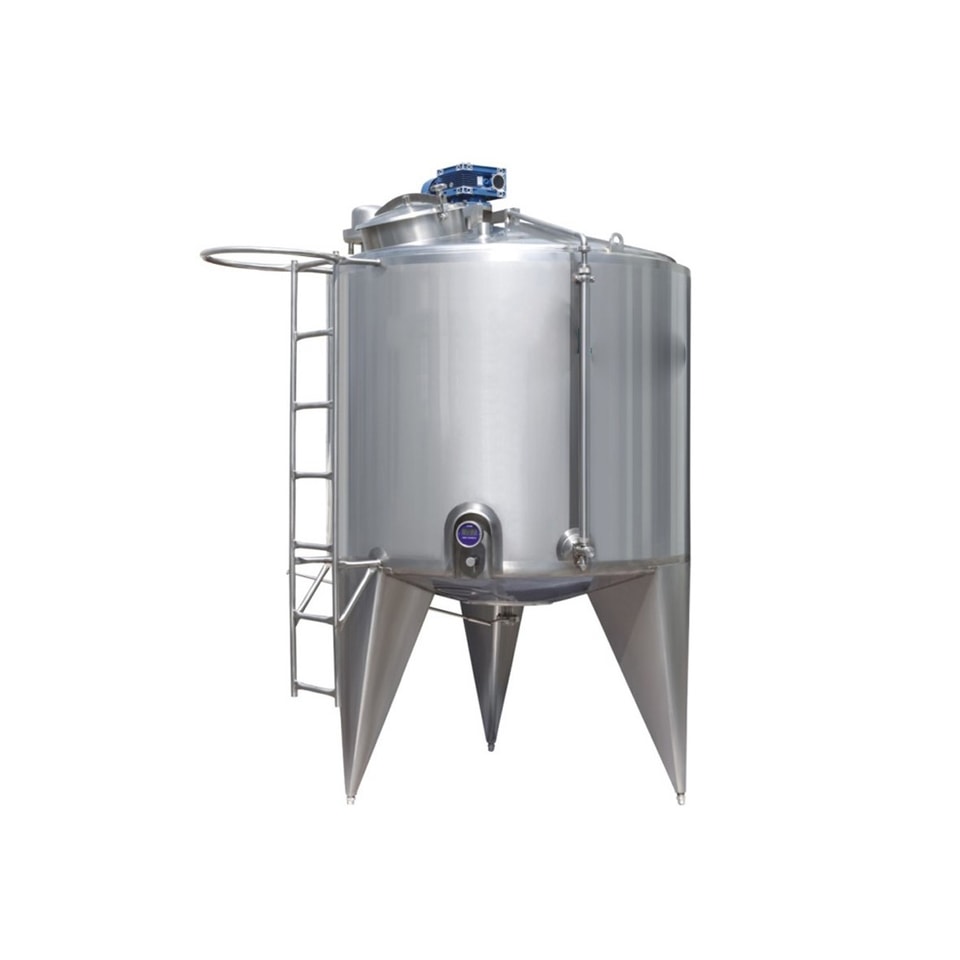
Sanitary pressure vessel
In the pharmaceutical water system, sanitary pressure vessels are widely used, such as demineralized water storage tanks, purified
water storage tanks and water for injection storage tanks, all of which are atmospheric pressure vessels or pressure vessels with
sanitary requirements.
The purpose of designing and building sanitary vessel is to maximize the protection of products, and the product contact surface will not pollute the products and facilitate cleaning, reduce
the breeding corners of chemical or microbial pollution, and facilitate cleaning, maintenance and inspection.
The general requirements of the pharmaceutical industry for sanitary vesseldesign include the following:
The design, selection and installation of the equipment should meet the production requirements, the structure should be simple, and the parts required for cleaning and sterilization should be easy to be disassembled. Equipment that is inconvenient to disassemble and assemble shall be provided with a cleaning port, and a manual cleaning or automatic cleaning device shall be provided;
The surface of the equipment shall be smooth and easily clean, and the inner wall of the equipment directly contacted with material products shall be smooth, flat, easy to clean, corrosion resistance, and avoid dead corners. According to the different requirements of fluid cleanliness level, mechanical polishing or electrochemical polishing shall be adopted respectively to achieve different surface treatment requirements;
The inner surface of the equipment that is in direct contact with the material should be made of materials that do not react with it, not release particles or adsorb materials. Generally, austenitic stainless steel should be used, and glass linedequipment should be avoided as far as possible. Materials that are easy to release particles or adsorb materials, such as rubber lined and fiber reinforced plastic should not be used and should be non-toxic and corrosion-resistant. Sanitary vesselsused for preparation of liquid injections and storage of water for injection shall be made of 316L ultra-low carbon stainless steel;
The transmission parts of the equipment should be well sealed, to prevent the leakage of lubricating oil, coolant and other pollution to raw materials, semi-finished products, finished products and materials. The sealing of the transmission parts is generally not recommended to use packing seal;
For the process requirements for microorganisms, the equipment should not only meet the above requirements, but also meet the requirements of disinfection and sterilization;
Equipment in the clean area, except for special requirements, generally should not be set up with anchor bolts;
The surface of the equipment insulation layer must be flat and smooth, no particulate material falling off. Asbestos cement foam surface shall not be used on the surface. Splicing, flap type insulation shall not be used, It is advisable to use a metal casing for overall protection;
The noise, vibration equipment should be used noise elimination, vibration isolation device, to improve the operating environment. During dynamic testing, the indoor noise level should not exceed 75 decibels;
Pipe connection should be sanitary flange, NA connector, KESTconnector or clamp connector. Sealing material should be PTFE or sanitary rubber seal;
Accessories on the equipment or machinery, such as instruments, measuring devices and liquid level gauge layout should be reasonable. The counting should be accurate. The adjustment and control should be stable and reliable. The material requirements should be the same as the equipment body, and the connection form should meet the requirements of cleaning, disinfection and sterilization;
The design of the equipment should be standardized, generalized, serialized and mechatronics as far as possible.The realization of continuous sealing and automatic detection of the production process is the guarantee for the full implementation of the equipment GMP requirements;
Vessel steel plate should be preferred cold rolled plate, and by solid dissolution and pickling treatment, as far as possible using polishing plate. Manhole, hand hole, sight glass, vessel flange and
pipe flange and other compressed parts must be made of integral stainless steel, not lining, lining ring, composite, pile welding and coating type.
Sanitary vessel is not allowed to use stainless steel lining structure. This is because the stainless steel liner does not guarantee a complete fit with the carbon steel tank. Its gap has residual air. In steam sterilization, the material will be heat expansion, because the stainless steel sheet, carbon steel tank and residual air expansion coefficient is different, which will make the plug welding part fall off, and produce micro cracks, the liquid in the tank through cracks into the stainless steel lining and carbon steel tank will form a "dead corner". The design of the inner wall and internal structure of the sanitary vessel should avoid dead corners, so as to avoid incomplete sterilization caused by the inability of the steam to be effectively or fully achieved during the steam heating sterilization.
There are three types of sanitary-grade sterile connection modes:
The most common connection method in the pharmaceutical water system is the clamp connection, which needs to be filled with a sealing ring at the joint seal and fastened with a clamp. The NA aseptic connection and the KEST aseptic connection are two new types of sanitary connections. The two designs effectively avoid the risk of contamination caused by the dead angle of the pipe interface, especially in the sterility assurance of the installation of the tank side wall accessories, which have been widely promoted and applied in the aseptic pharmaceutical industry.
After talking about the tank itself and connecting the device, let's take a look at the spray device, which is another important tank accessory for sanitary pressure vessels. In the pharmaceutical
water system, the full wetting of the inner surface of the tank helps the system. Self-cleaning and prevention of microbial reproduction can also ensure that the temperature inside the entire tank is uniform. The spray device mainly plays the function of spray cleaning and wetting of the inner surface of the tank.
According to the different working pressures, the spray devices for pharmaceutical water tanks mainly include two categories: fixed cleaning balls and tangential water outlet cleaning balls . In addition, they can also be classified according to different cleaning angles and installation methods.
The fixed cleaning ball is a medium-low pressure, high-flow cleaning ball. The principle is that a small amount of cleaning liquid is continuously sprayed from each small hole of the fixed cleaning ball to the fixed point on the inner wall of the tank, and the cleaning liquid is distributed in a laminar flow manner. To the inner surface of the storage tank, its working pressure is relatively moderate1.5~6bar, and the impact force is relatively weak during cleaning. In order to achieve the cleaning effect, a large amount of cleaning fluid needs to be consumed, and it is mainly used for less demanding cleaning tasks or surface wetting functions.
Due to its non-rotating feature, it has been recognized by some enterprises, but the pressure and flow of the water for injection return water are limited by the design and operation of the pharmaceutical water system, the cleaning effect is general, the cleaning pressure requirements are relatively high, the water consumption and cleaning agent. Due to the large dosage, the cleaning holes are easy to block and red rust and other defects, which have been gradually replaced by tangential water cleaning balls.
The tangential water cleaning ball, also known as the rotating cleaning ball, is a low-pressure, low-flow cleaning ball.It is composed of a water outlet ball and a high-speed rotating connecting rod. The impact force of the water flow on the tangential water outlet ball is used to make the cleaning ball rotate rapidly.Through the combination of vibration mode and physical impact, the cleaning liquid is evenly sprayed on the inner surface of the tank. The working pressure of the tangential water cleaning ball is moderate, and the impact force is relatively strong during cleaning. It only needs less cleaning agent to obtain the ideal effect. It is mainly used for easy-to-clean tanks. Professional rotating cleaning ball wear test shows that under 2.7bar pressure, after 1100 hours of continuous operation, the mass loss of the spray device will be about 90mg. According to the amount of spray cleaning liquid, the theoretical concentration of iron filings is 0.0052 Micrograms/L, far lower than the quality standard of the pharmaceutical industry for the concentration of iron.
The high-speed rotating spray device must avoid the risk of particulate pollution caused by dry running. It is not allowed to use compressed air or other inert gas for purging, otherwise serious red rust and particulate pollution will occur. This is also where the tangential water cleaning ball needs special attention during use.
If you got any question about Sanitary pressure vessel, please contact Beyond service engineer freely.
8/26, 2022
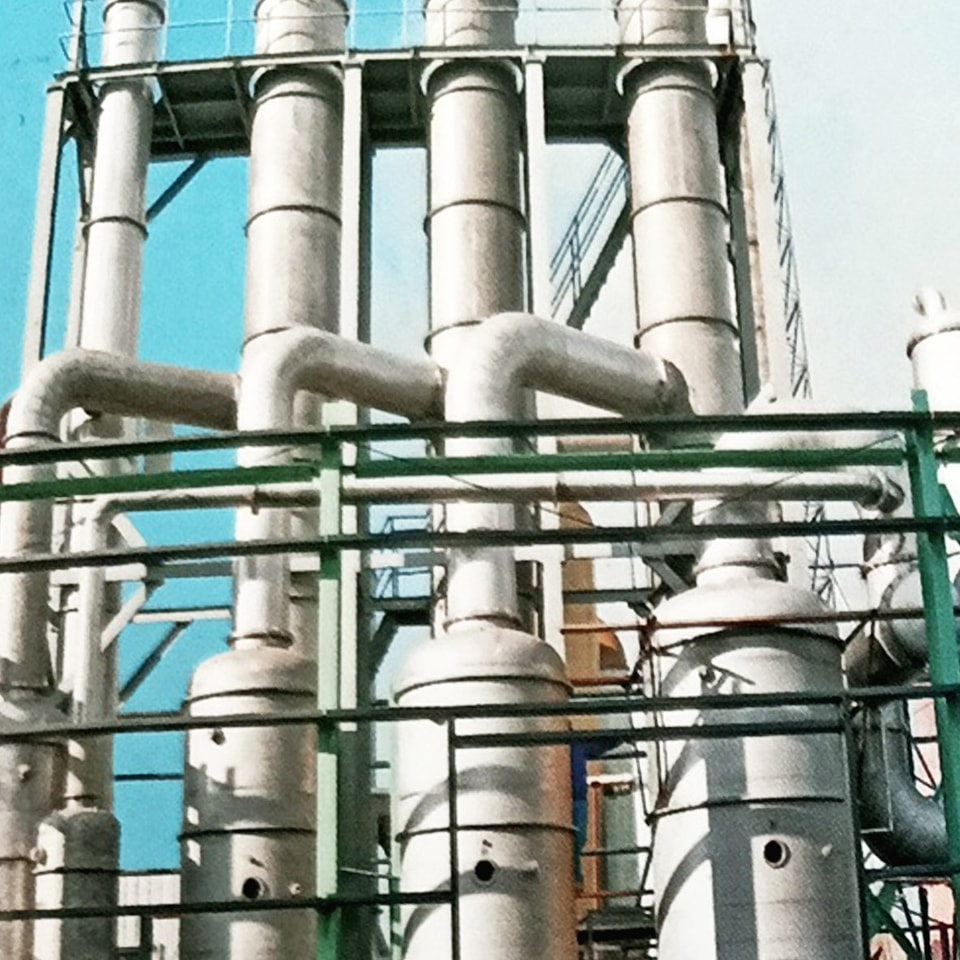
Falling film type evaporator
Scope of application:
Main uses:For the evaporation and concentration of dairy products, food, beverage, pharmaceutical materials and other various materials
Scope of application:Dairy,food, beverage, pharmaceutical,pharmaceutical andother industries.
Equipment advantages:
Falling film evaporator evaporation temperature is low, suitable for heat sensitive material evaporation, evaporation capacity is big.
The Centrifugal pump adopts IP65 waterproof grade to ensure the safety of production, reduce the maintenance caused by motor problems, and reduce the accident rate. Centrifugal pump is equipped with double seal and inducer, use tap water to cool the heat from the friction between the bearing and the shaft.
The feed port, solvent inlet port, circulation port and spare port are all provided with extending pipes along the wall, which can effectively solve the problem of material splashing and foaming.
There are four sight mirrors, the first sight glass port is set at the concentrated liquid effect body of the first-effect falling film heater, and the second sight mirror port is set at the concentrated liquid effect body of the two-effect falling film heater. The internal situation is that it can be observed through the first sight glass port or the
second sight glass port or both. The third and fourth sight glass are arranged on the effect body of the 1st-effect and 2nd-effect separator, and the spotlight in the tank can make the situation clearer.
Used environment: It can be used in clean area and explosion-proof area
Working principle:
The material enters the top of the falling film heater, enters the heat exchange tube in the form of water droplets through the material-liquid distributor, and flows down evenly as a film along the inner wall of the heat exchange tube. As shown below:
The secondary steam generated in the middle of the tube goes down in the form of gravitational acceleration under the condition of negative pressure, enters the effect body of the concentrated liquid, and enters the separation chamber for secondary separation, so as to achieve the effect of steam-liquid separation. The secondary steam of the first effect separation chamber enters the second effect heat exchanger to continue heating, and the secondary steam of the second effect enters the condenser for condensation. The secondary steam is precooled and liquefied into distilled water. Pumped to the owner or to be reused.
If you got any question about Falling film evaporator, please contact Beyond service engineer freely.
8/26, 2022

Pomegranate juice processing line Pomegranate juice production equipment Pomegranate juice factory equipment
Pomegranate is a kind of delicious fruit produced all over the world. Pomegranate has high edible value. Pomegranate can be processed into pomegranate juice through mechanical processing, so that such fruit is more suitable for long-term storage and long-distance transportation. Pomegranate processing line is an indispensable processing equipment of fruit processing plant. Beyond provides the design, manufacturing, installation and commissioning of a complete set of pomegranate processing lines.
Seed removal process of pomegranate processing line
Pomegranate is a multi seeded fruit. The process of peeling and seed removal is indispensable for pomegranate processing. We have installed peeling and seed removal machines in the pomegranate processing line. Through the cooperation of specialized fruit processing equipment, the high-efficiency operation of the pomegranate processing line is realized, and the production of pomegranate juice is continuous.
The special structure of pomegranate seed removal equipment allows adjustment of working parameters to fine optimize the stripping process. The working capacity of the machine is 5 to 6 tons of fresh fruit per hour, the juice output is as high as 96%, and the peel and film fragments are small.
Juice extraction of pomegranate processing line
The juice extraction system provided by us is a thin-film press. Its biggest advantage is that it can press pomegranate aril very soft and retain the sensory characteristics of the juice. The obtained juice is processed through a vibrating screen to remove any final solid particles.
Clarification of fruit juice in pomegranate processing line
The juice from the press is pasteurized and pumped to the treatment tank, where enzymes and chemicals are added to improve the separation. The sterilization duration is 3 to 4 hours. After treatment, the juice is sent to the ultrafiltration line for clarification.
Juice concentration of pomegranate processing line
Pomegranate processing line can realize the extraction of concentrated fruit juice. Through the plate evaporator, it is designed to process clarified or low viscosity fruit juice. The concentration group can be equipped with a heat compressor and an aroma recovery device.
Sterilization and aseptic filling of pomegranate processing line
Pomegranate juice is turbid or clear, concentrated or natural single concentration, and can be sterilized or pasteurized by plate sterilizer / pasteurizer according to the specific requirements of the application. After sterilization, the products can be packed in sterile bags, barrels or boxes through sterile packing.
Cleaning system of pomegranate processing line
In order to produce pomegranate juice with high efficiency, we have equipped the CIP cleaning system in the pomegranate processing line. Through the rapid cleaning equipment, the pomegranate processing line can produce pomegranate juice circularly, avoiding the waste of time and manpower for shutdown cleaning.
The pomegranate processing line can be designed and manufactured according to the needs of customers, and the factory can be designed according to the actual use of customers, so that the pomegranate processing line can fully meet the production needs of customers, and provide integrated services from the design, manufacturing, installation and commissioning of equipment, so that customers can quickly build their own pomegranate processing plant.
8/11, 2022

Tomato processing line Tomato jam production equipment Tomato paste processing machine
Tomato is not only a delicious fruit, but also a raw material for all kinds of food. The tomato processing line can process tomatoes on a large scale, so as to process perishable fruits into fruit products that are easy to preserve and transport. We design and manufacture special processes and machines for tomato paste, tomato paste, tomato paste and tomato juice. We can provide a complete set of tomato processing plants and a single processing machine to meet specific requirements.
Washing and classification of tomato processing line
The front end of the tomato processing line is the washing and classification of tomatoes, which is mainly used to receive the complete production line of tomatoes in water. It is equipped with a mud treatment system, a bottom scraping and blade removal system, and a roller type.
Beating and refining of tomato processing line
After rapid preheating in our hot and cold crushing system, the chopped tomatoes are sent to the pulper, thus ensuring very soft refining.
Ketchup concentration
In order to concentrate tomato juice into tomato paste, we have developed a multi effect evaporator, which is a forced circulation evaporator. It can be used according to the capacity of the factory and can produce up to five effects.
Sterilization and filling
Tomato paste can be sterilized by a special tubular fruit sterilizer.
After sterilization, since the equipment uses sterile packing, the products can be packed in sterile bags, barrels or boxes.
Tomato sauce and vegetable sauce
A variety of products can be produced through the tomato processing line. We have developed a special tomato sauce and vegetable sauce production line. All fruit and vegetable production lines are fully customized to meet the international requirements of customer formula and food hygiene.
Factory cleaning
All tomato processing lines are designed according to international food grade requirements and are completely cleaned by using integrated cleaning procedures and systems or centralized fully automatic CIP systems. Through optimization design, the energy consumption and environmental impact of tomato processing line are reduced to the lowest level.
The tomato processing line can be designed and manufactured according to the needs of customers, and fully meet the needs of customers in terms of output and investment. The tomato processing line can not only process tomatoes, but also process other similar berries.
8/10, 2022

Mango processing line Mango juice production equipment mango processing machine
Mango is planted all over the world. It is a kind of fruit with high nutrition and high value. We design and manufacture a complete set of mango pulp processing machinery to produce high-quality mango juice and puree, whether it is single concentration or concentrated. We can provide a complete mango processing plant and a single machine to meet specific requirements.
Washing and classification of mango processing line
Before mango processing, we need to clean and select all mangoes to prepare for the next mango processing process. Mango is fully cleaned during seed transportation to remove various impurities on the epidermis.
After cleaning, mangoes are classified by machine and manual, and mangoes of similar size are selected. The staff can effectively check the mangoes.
Fruit washing machine in mango processing line: rotating brush can remove any foreign matter and dirt attached to the fruit.
Sorting and cutting on our belt sorting line. We have recently installed a mango processing plant, which is configured to process mangoes and pineapples.
Mango and pineapple are cleaned by rotating nylon brush and shower in our new bubble cleaner.
Peeling and coring of mango processing line
Mango peeling machine is specially designed for automatic peeling and peeling of fresh mango: by accurately separating the core and peel in the pulp, the yield and quality of the final product can be maximized.
The unrefined mango pulp is sent to our single-stage pulper super reamer, which refines the mango pulp to the required level while ensuring low air absorption and therefore low oxidation.
For enzyme inactivation, mango pulp can be sent to the tube preheater, which can also be used to preheat the unrefined pulp before it is refined by the super reamer to achieve higher yield.
Centrifugal decanter can be used to eliminate black spots and further fine desilting.
Degassing or concentration
The final product of our mango processing line may be natural puree or concentrated puree.
In the first case, the natural fruit mud is sent to the deaerator to remove the air in the product, thereby extending the shelf life. In order to avoid oxidation, desorption was performed by atomization under vacuum. The aromatic vapor can be condensed by the aromatic recovery unit provided with the dealciner and directly added to the product.
For concentrated puree, the refined puree is pumped to the membrane continuous evaporator. The versatility of our sweeping evaporators is unparalleled: they can easily handle low or high pulp juices, delicate or heat-resistant juices, and low or high viscosity juices. Residence time is one of the shortest possible times and concentration is achieved in a single channel.
Sterilization and filling
Mango puree, concentrated or natural single concentration, can be sterilized or pasteurized by in tube sterilizer / pasteurizer according to the specific requirements of the application.
After sterilization, mango products can be packed in sterile bags, barrels or boxes due to the sterile packing equipment of mango processing line.
Mango processing line flow
Mango - > washing - > sorting - > brushing - > removing stains - > pulp - > refining - > enzyme inactivation - > final mud removal - > concentration - > sterilization - > aseptic filling - > esterification concentrated mango mud
Mango processing line Factory cleaning
All mango processing production lines are designed according to international food grade requirements and are completely cleaned through integrated cleaning procedures and systems or centralized full-automatic CIP systems. So that the equipment of the mango processing plant can continuously circulate and achieve the best production efficiency.
The mango processing line can be designed, manufactured, installed and commissioned according to the needs of customers, so that your mango processing plant can realize a one-step rapid construction process.
8/10, 2022
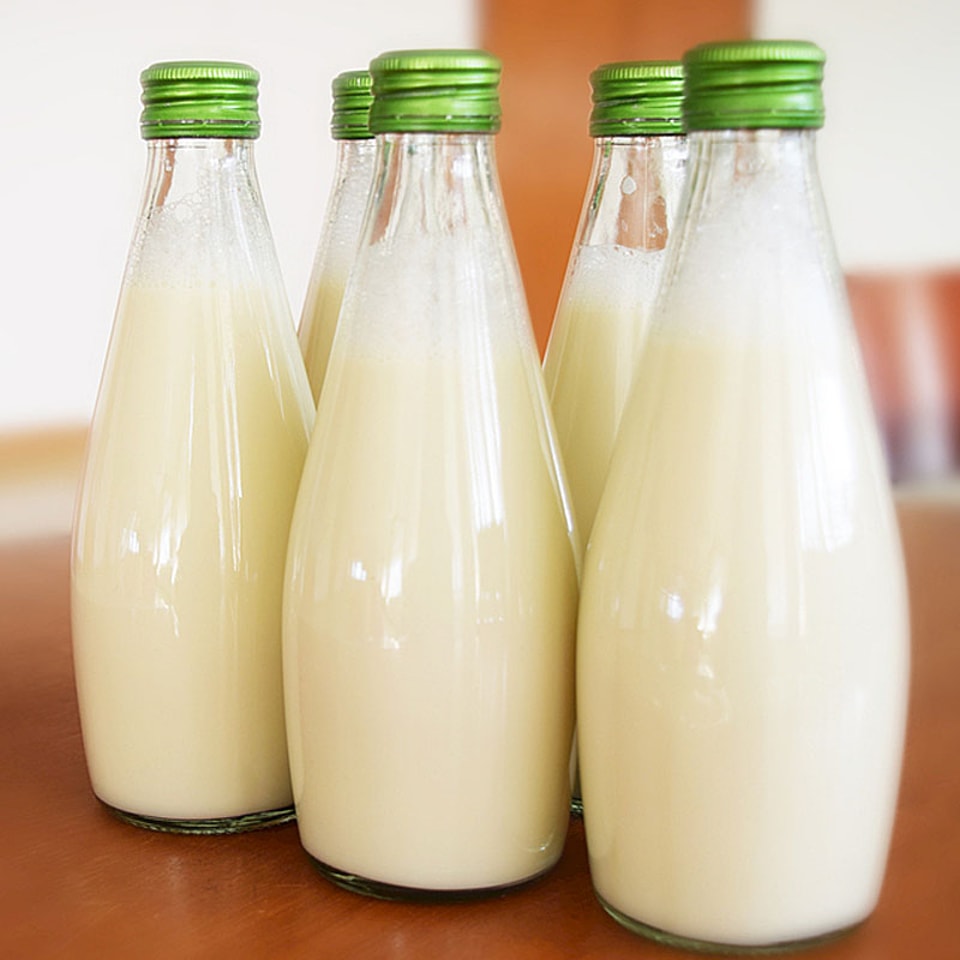
Sterilization principle of milk production line
Milk is a product that is easy to deteriorate. From the perspective of manufacturers, milk products can be stored for a longer time before they can be delivered to consumers who need it. Milk should be sterilized in the production process, so that milk products have a longer edible value, and milk products can fully meet the market demand of further geographical locations.
From the perspective of ordinary consumers, milk products that are easier to preserve are also very popular, which gives people more time to consume milk products.
Raw material quality of milk production line
High temperature treated milk must be of good quality. In particular, the protein in raw milk will not cause thermal instability. The thermal stability of protein can be quickly determined by alcohol test. When the milk sample is mixed with an equal amount of ethanol solution, the protein may become unstable and the milk will flocculate. The higher the concentration of ethanol solution added without flocculation, the better the thermal stability of milk. If milk remains stable (not precipitated) even after adding an alcohol solution with 75% alcohol concentration, production and shelf life problems can be largely avoided.
Alcohol testing is usually used to reject milk that is not suitable for UHT treatment because it:
It is acid, because the number of acid producing microorganisms is very high.
There is a wrong salt balance
It contains high levels of serum protein, which is a typical feature of colostrum
Raw milk with poor quality has adverse effects on processing performance and final product quality. The reduction of the thermal stability of milk with a pH value lower than 6.65 at 20 ° C will not only lead to processing problems, such as short running time caused by burning on the heating surface, but also lead to difficulties in cleaning and protein precipitation at the bottom of the package during storage.
Milk stored at low temperature for a long time may contain a large number of psychrophilic bacteria, which can produce thermostable enzymes, which are difficult to be completely inactivated by heat treatment. During storage, these enzymes can cause sensory changes, such as rancidity, bitterness, and even gel (aging, thickening, or sweetening).
The bacteriological quality of milk must be high. This applies not only to the total number of bacteria, but more importantly, to the count of spore forming bacteria that affect sterility.
Commercial sterility
The term "commercial sterility" is often used for UHT treated products. Commercial sterile products refer to products that do not contain microorganisms that grow under major conditions. In low acid products (products with pH higher than 4.5), spores are the most heat-resistant microorganisms that can grow. Because its heat resistance is much higher than that of nutritional microorganisms, the sterilization process only focuses on the killing effect of spores. This group of low acid products includes not only milk, but also most milk based products.
Sterilization efficiency
When microorganisms and / or bacterial spores are subjected to heat treatment or any other kind of disinfection / disinfection procedure, not all microorganisms will be killed immediately. Instead, in a given period of time, some parts are destroyed, while the rest survive. If the surviving microorganisms receive the same treatment for the same length of time again, the remaining microorganisms will be killed in the same proportion, and so on. In other words, exposure to fungicides or disinfectants always kills the same proportion of microorganisms.
Sterilization efficiency of milk production line
The sterilization efficiency of a milk production line is related to two factors, which are temperature and length of time and the heat resistance of microorganisms.
Other factors such as product composition, viscosity, uniformity, and pH can also affect sterilization efficiency. Flow sterilization equipment - ultra-high temperature (UHT) treatment - typically sterilizes bacterial spores that grow at ambient temperatures around 9-10.
Spores of Bacillus subtilis or Bacillus stearothermophilus are often used as test organisms to determine the sterilization effectiveness of UHT devices, as these strains (especially Bacillus stearothermophilus) form fairly heat-resistant spores. Botox is traditionally used to calculate the effectiveness of in-container sterilization (see F0 value calculation).
The sterilization process must be designed so that there is a negligible risk of the product spoiling or containing viable and growing pathogenic microorganisms prior to use by the consumer. Clostridium botulinum has long been considered the most important microorganism in public health. The sterilization process is designed to destroy the spores of this microorganism. However, the probability of survival and growth of botulinum spores in heat-treated milk and dairy products is indeed low.
The lethal effect on bacterial spores begins at temperatures around 115 °C and increases rapidly with increasing temperature.
Bacteria can be divided into two categories:
those that exist only as vegetative cells (easy to kill by heat or other means),
Those bacteria that exist in a vegetative state and spores, that is, spore-forming bacteria. While these bacteria are easily killed as long as they are in a vegetative state, their spores are difficult to eliminate.
The product to be sterilized usually contains a mixed population of vegetative cells and bacterial spores, as shown in Figure 9.1. Unfortunately, the correlation between the two is not very good. High spore counts may be found in products with low total counts and vice versa, so total count determinations cannot be used as a reliable basis for spore counts in food products.
As mentioned above, the sterilization effect of the heat sterilization process increases rapidly with increasing temperature. Of course, this also applies to chemical reactions that occur after heat treatment. How many times does the reaction rate increase if the system temperature increases by 10°C.
If the process temperature is increased by 10°C, the rate of chemical reactions can be doubled or tripled. The variation is so great because different species of bacterial spores respond differently to increased temperatures. In the UHT temperature range, the bacterial killing effect increases significantly with temperature, while the chemical changes remain mild. This clearly illustrates the advantages of UHT treatment over in-vessel sterilization that operates at low temperatures for long periods of time.
The milk production line integrates a sterilizer, so that it has the ability to sterilize quickly in a cycle, and a large number of milk products can be sterilized during the production process of the processing line. In this way, manufacturers can obtain sterilized milk products that meet market food standards. Milk sterilization technology and sterilization equipment are constantly being updated. More and more advanced sterilization technology will be applied to milk production lines, and more new sterilized milk products. Will also enter the market, these products will greatly meet the different types of needs in the market.
8/3, 2022
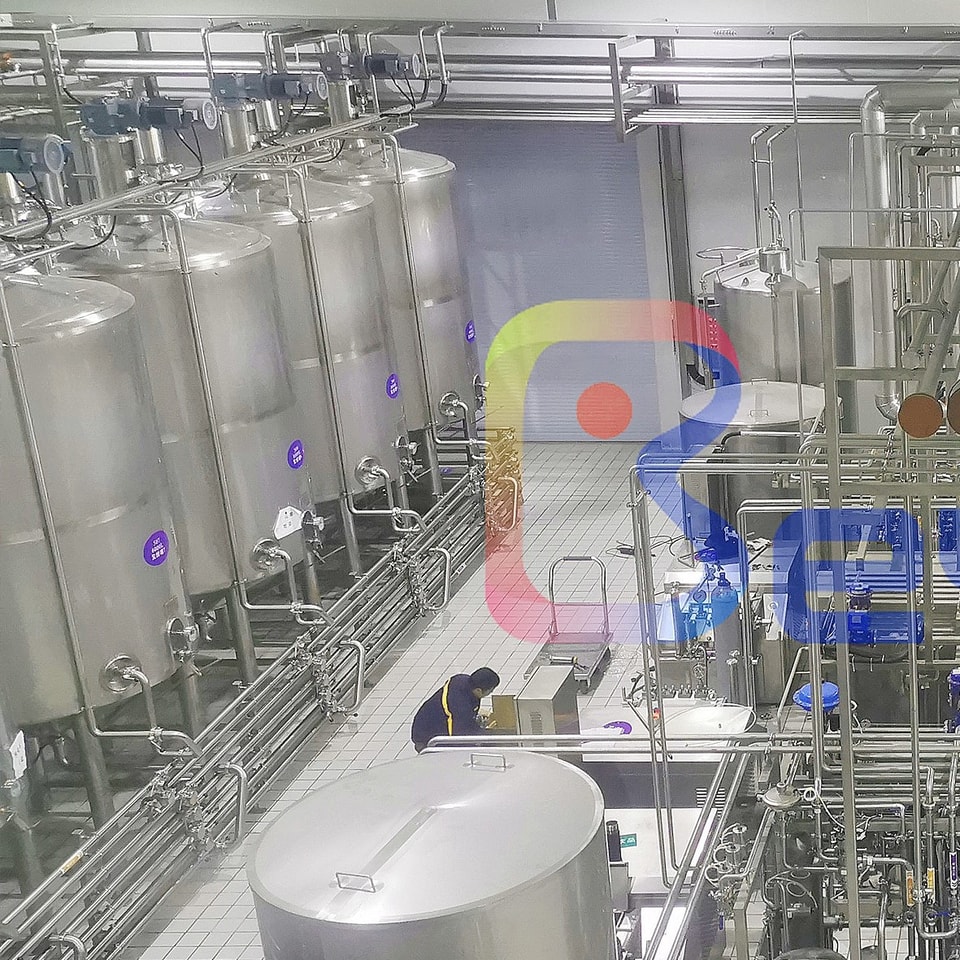
Pasteurized milk production line
Pasteurized dairy products are popular all over the world, and many people need such food every day. This group of products includes whole milk, skimmed milk, standardized milk and various types of cream. Fermented milk products are also included in this category, which are made from special bacterial cultures. The production process of pasteurized milk products can be fully automated through machinery, and the pasteurized milk processing line can produce a large number of pasteurized milk products, so as to meet the wide demand of people all over the world for this product.
In most countries, clarification, pasteurization and cooling are mandatory stages in the processing of consumer dairy products. In many countries, fat is usually homogenized, while in other countries, homogenization is omitted because a good "cream line" is regarded as evidence of quality. In some cases, degassing will be carried out when the air content of milk is high and there are highly volatile odor substances in the product. This happens, for example, if cattle feed contains onions.
The processing of dairy products in the market requires first-class raw materials and correctly designed production lines to obtain the highest quality final products. Gentle handling must be ensured to avoid adverse effects on valuable ingredients.
In order to ensure the quality of milk, the Council of the European Union has formulated microbiological standards for milk trade in European Communities to protect human and animal health.
Another measure of raw milk quality is the number of tolerable somatic cells in raw milk. Somatic cell count was used as a criterion for determining abnormal milk. According to EU directives, raw milk used for intra community trade must not contain more than 400000 individual cells per milliliter.
Milk processing in pasteurization Market
According to legislation and regulations, the process line design of pasteurization market milk varies from country to country, even from dairy products. For example, fat Standardization (if applied) can be performed in batches before pasteurization, or online when the standardization system is integrated into the pasteurization unit. Homogenization can be total or partial.
The simplest process is pasteurization of whole milk. Here, the production line is composed of pasteurizer, buffer tank and filling machine. If it has to produce several types of market dairy products, namely whole milk, skimmed milk and standardized milk with different fat content, as well as cream with different fat content, the process will become more complex.
The following assumptions apply to the following plants:
Raw milk
– fat content 3.8%
– temperature +4 ° C
Standardized milk
– fat content 3.0%
– temperature +4 ° C
Standardized cream
– fat content 40%
– temperature +5 ° C
Plant capacity
– 20000 litres per hour
– 7 hours per day
Processing flow of pasteurized milk production line
The typical process flow of pasteurization device for milk sold in the market. Milk enters the device through the balance tank and is pumped to the plate heat exchanger, where it is preheated, and then continues to enter the separator to produce skimmed milk and cream. Set the fat content of the cream in the separator to the desired level and then maintain it at that level, regardless of moderate changes in fat content and feed milk flow rate. For whipped cream, the fat content of cream is usually set to 35% to 40%, but it can also be set to other levels, such as for the production of butter or other types of cream. After solidification, the fat content of cream is kept constant by the control system, which is composed of density transmitter, flow transmitter, regulating valve and the control system of standardization system.
In this case, partial homogenization is used, so only cream is treated. The reason for choosing this system is that it can be managed with a smaller homogenizer, which consumes less power while still maintaining a good homogenization effect.
The working principle of the system will be: after the standardization device passes, the cream flow is divided into two streams. One is to transport the milk with sufficient volume per hour to the homogenizer to make the market milk reach the required final fat content, and the other is to transport the excess cream to the cream processing plant. Since the fat content of cream to be homogenized should be up to 18%, ordinary cream must be "diluted" with skimmed milk before homogenization, such as 40%. The capacity of the homogenizer is carefully calculated and fixed at a certain flow rate.
In some homogenizers, the homogenizer is also connected to the skim milk pipeline so that it always has enough products for correct operation. In this way, the relatively low cream flow is compensated by skimmed milk to reach the rated capacity. After homogenization, before pasteurization, finally mix 18% cream with the remaining skimmed milk to 3%. Now the milk with standard fat content is pumped to the heating section of the milk heat exchanger, where pasteurization is carried out. The necessary holding time is provided by a separate holding tube. Record the pasteurization temperature continuously.
The booster pump increases the pressure of the product to a level at which the pasteurized product will not be contaminated by untreated milk or cooling medium if there is leakage in the plate heat exchanger.
If the pasteurization temperature drops, the temperature transmitter will detect it. The signal starts the diverter valve and the milk flows back to the balance tank.
After pasteurization, the milk continues to enter the cooling section of the heat exchanger, where it is regenerated and cooled by the incoming untreated milk, and then enters the cooling section for cooling with ice water. Then the cold milk is pumped to the buffer tank and then sent to the filling machine.
Standardization of pasteurization processing line
The purpose of standardization is to provide a certain and guaranteed fat content for milk. The level varies greatly from one country to another. The common value of low-fat milk is 1.5%, and that of ordinary milk is 3%, but the fat content is also as low as 0.1% and 0.5%. Fat is a very important economic factor. Therefore, the standardization of milk and cream must be carried out very accurately.
Heat treatment of pasteurization processing line
In addition to proper cooling, heat treatment is one of the most important processes in milk processing. If properly implemented, these processes will make the shelf life of milk longer.
Temperature and pasteurization time are very important factors, which must be accurately specified according to the quality of milk and its shelf life requirements. The pasteurization temperature of homogeneous, HTST pasteurized milk is usually 72 – 75 ° C for 15 – 20 seconds.
The pasteurization process may vary from country to country. The common requirement of all countries is that heat treatment must ensure significant reduction of spoilage microorganisms and destruction of all pathogens without damaging the product.
Homogenization of pasteurization processing line
The purpose of homogenization is to reduce the size of fat globules in milk to reduce or prevent creaming. Homogenization can be total or partial. Partial homogenization is a more economical solution because smaller homogenizers can be used.
Pasteurized milk production line can be designed according to customers' needs. Generally, we need to know customers' production requirements and raw material characteristics of pasteurized milk production line, as well as some specific conditions of the plant, so that customers can get their own pasteurized milk production line, make full use of customers' funds, and fully meet customers' needs, So that the production capacity of pasteurized milk production line can be maximized.
8/3, 2022
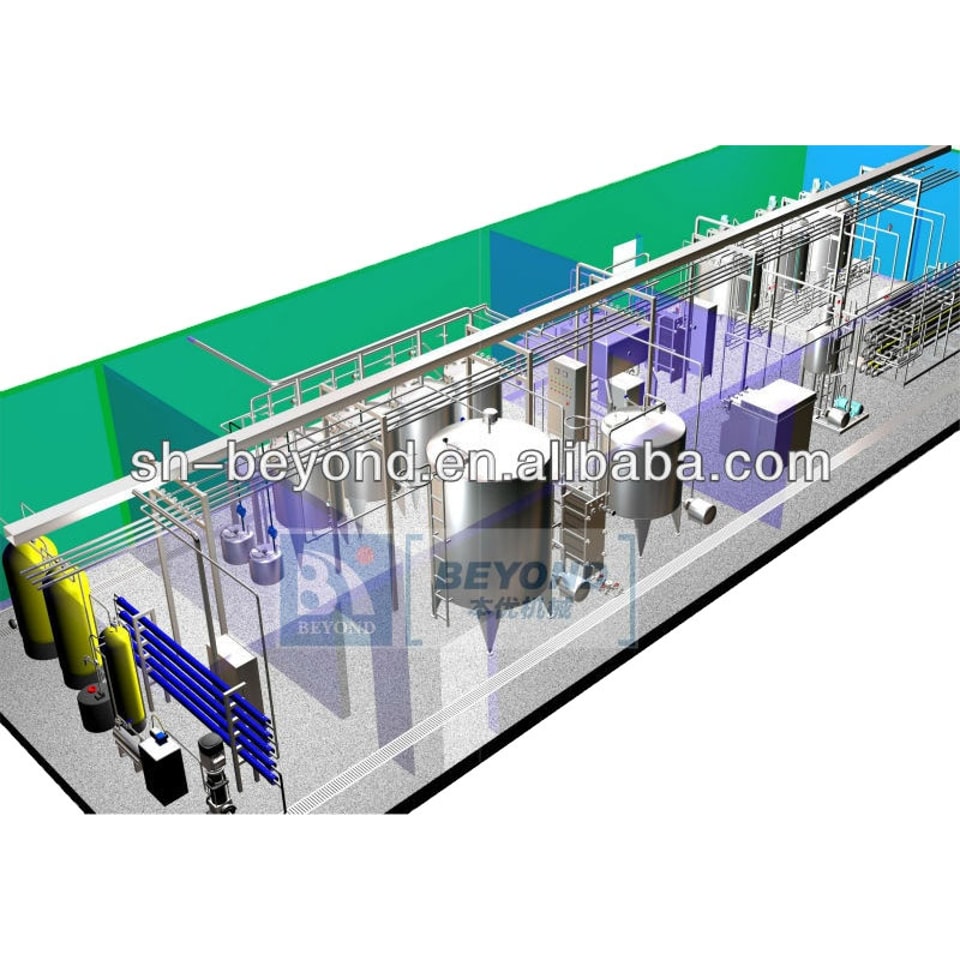
Design of milk processing line
A complete and successful milk processing line can efficiently produce milk related products, and complete the integrated workflow from raw materials to packaging. Through a variety of different milk processing equipment, milk can be produced quickly. It not only connects various mechanical equipment, but also achieves a high degree of system integration from the software.
Today, let's talk about the design idea of the processing line of the pasteurization plant of whole milk, discuss the key points in the design of the milk processing line, master the method of integrating different equipment, and discuss the process of milk production and various possible problems.
Process design considerations of milk processing line
The milk processing line will encounter various problems in the actual production process. Our milk processing line should be able to find these problems in time and solve them quickly. For example:
Product related - about the quality of raw materials, processing and final products
Process related – regarding plant capacity, selection and compatibility of components, degree of process control, availability of heating and cooling media, cleaning of processing equipment, etc.
Economy - the total production cost of meeting the specified quality standards is as low as possible
Law - legislation that defines process parameters and the choice of component and system solutions
Some legal requirements
In most countries that process milk into various products, the law stipulates certain requirements to protect consumers from pathogenic microorganisms. The wording and recommendations may vary, but the following combinations cover the most common requirements:
heat treatment
Milk must be heat treated in a manner that kills all pathogenic microorganisms. The minimum temperature of 72 ° C / holding time of 15 seconds must be reached.
Record
The heating temperature must be recorded automatically and the transcript must be kept within the specified time.
Clarification before heat treatment
Since milk usually contains solid substances, such as dirt particles, white blood cells (white blood cells) and somatic cells (breast tissue), it must be clarified. Since pasteurization is unlikely to be effective if bacteria are hidden in lumps and particles in milk, it must be clarified before heating. Milk can be clarified in a filter or more effectively in a centrifugal clarifier.
Prevent reinfection
The heat exchanger has been calculated, so a higher pressure should be used
It remains in the pasteurized milk stream compared to non pasteurized milk and service media. If leakage occurs in the heat exchanger, pasteurized milk must flow into milk or cooling medium that has not been pasteurized, and must not flow in the opposite direction. In order to ensure this, it is usually necessary to use booster pump to generate differential pressure, which is mandatory in some countries.
If the temperature of pasteurization products drops due to the temporary shortage of heating medium, the factory must be equipped with a shunt valve to divert the milk that is not heated enough back to the balance tank.
Required equipment
The remote control process requires the following equipment:
Silo for storing raw milk.
Plate heat exchanger, insulation pipe and hot water unit for heating and cooling.
Centrifugal clarifier (since only whole milk is processed, centrifugal separator is not required in this case).
Intermediate storage tank is used for temporary storage of processed milk.
Pipes and fittings for connecting main components and pneumatic valves for controlling and distributing product flow and cleaning fluid.
A pump used to transport milk through the entire milk processing plant.
Control equipment for controlling capacity, pasteurization temperature and valve position.
Various service systems:
– water supply
– steam production
– coolant cooling
– compressed air for pneumatic devices
– electricity
– drainage and waste water.
The service media requirements are calculated after the factory design is agreed. Therefore, it is necessary to know the temperature sequence of pasteurization and the specifications of all other areas that need heating and cooling (refrigeration, cleaning system, etc.) before determining the number and power of electric machines, the number of pneumatic machines, the operating units, the working hours of the factory, etc. This book does not cover such calculations.
Milk processing Equipment selection
Silo tank
The number and size of silos depend on the delivery plan of raw milk and the volume of each delivery. In order to make the factory operate continuously without shutdown due to lack of raw materials, there must be an adequate supply of raw milk.
Preferably, the milk should have been stored for at least one hour before processing, because during this time the milk will naturally degass. Short time mixing is acceptable, but it is not really necessary to mix until about 5-10 minutes before emptying the silo to balance the overall mass. This avoids interference with the natural degassing process.
Heat exchanger
The main purpose of pasteurization of milk is to eliminate pathogenic microorganisms. For this purpose, milk is usually heated to not less than 72 ° C for at least 15 seconds, and then cooled rapidly. The laws of many countries stipulate these parameters. Plate heat exchangers are most commonly used in pasteurization of milk in the market. When long-term operation is required, tubular heat exchangers can be used. Scraping heat exchanger is used for viscous products.
When the relevant parameters are known, the size (size) of the heat exchanger can be calculated. The demand for service media (steam, water and ice water) is also calculated, because it greatly affects the selection of steam regulation and ice water supply valves.
In the plate heat exchanger, the connecting plate between each part is provided with the inlet and outlet of product and service medium. The inlet and outlet connections can be oriented vertically or horizontally. The ends of plate heat exchangers (frames and pressure plates) can also be equipped with inlets and outlets.
When long-term operation is required, the tubular heat exchanger is a substitute for the plate heat exchanger.
Hot water heating system
Hot water or saturated steam under atmospheric pressure can be used as the heating medium in pasteurizer. However, due to the large temperature difference, hot steam is not used. Therefore, the most commonly used heating medium is hot water, which is usually about 2 – 3 ° C higher than the temperature required for the product.
Steam is delivered from the steam boiler at a pressure of 600 – 700 kPa (6 – 7 bar). The steam is used to heat the water and then heat the product to pasteurization temperature.
Temperature control
The temperature controller acts on the steam regulating valve to maintain a constant pasteurization temperature. Any trend of product temperature decline will be immediately detected by the sensor in the product line before the holding tube. The sensor then changes the signal to the controller, which opens the steam regulating valve to supply more steam to the water. This will raise the temperature of the circulating water and prevent the temperature drop in the product.
Other milk processing machine
The length and size of the holding pipe located outside are calculated based on the known holding time, the hourly capacity of the equipment and the pipe size, which are usually the same as the pipes supplying pasteurization equipment. Usually, the holding tube is covered with a stainless steel cover to prevent people from being burned and radiation when touching it.
Pasteurization control
Milk must be pasteurized properly before leaving the plate heat exchanger. If the temperature drops below 72 ° C, milk that has not been pasteurized must be stored separately from products that have been pasteurized. For this purpose, the temperature transmitter and shunt valve are installed in the pipeline downstream of the insulation pipe. If the temperature transmitter detects that the milk passing through it is not fully heated, return the unpasteurized milk to the balancing tank.
The design and debugging of milk processing line is very complex, which requires time and energy to solve various problems, so as to build a complete set of milk processing line successfully. Customers have many personalized needs to realize, and it is more necessary to integrate the actual situation of the construction site to adjust different equipment to a certain extent, so as to create a high-efficiency, stable and advanced milk processing line that satisfies customers.
8/3, 2022
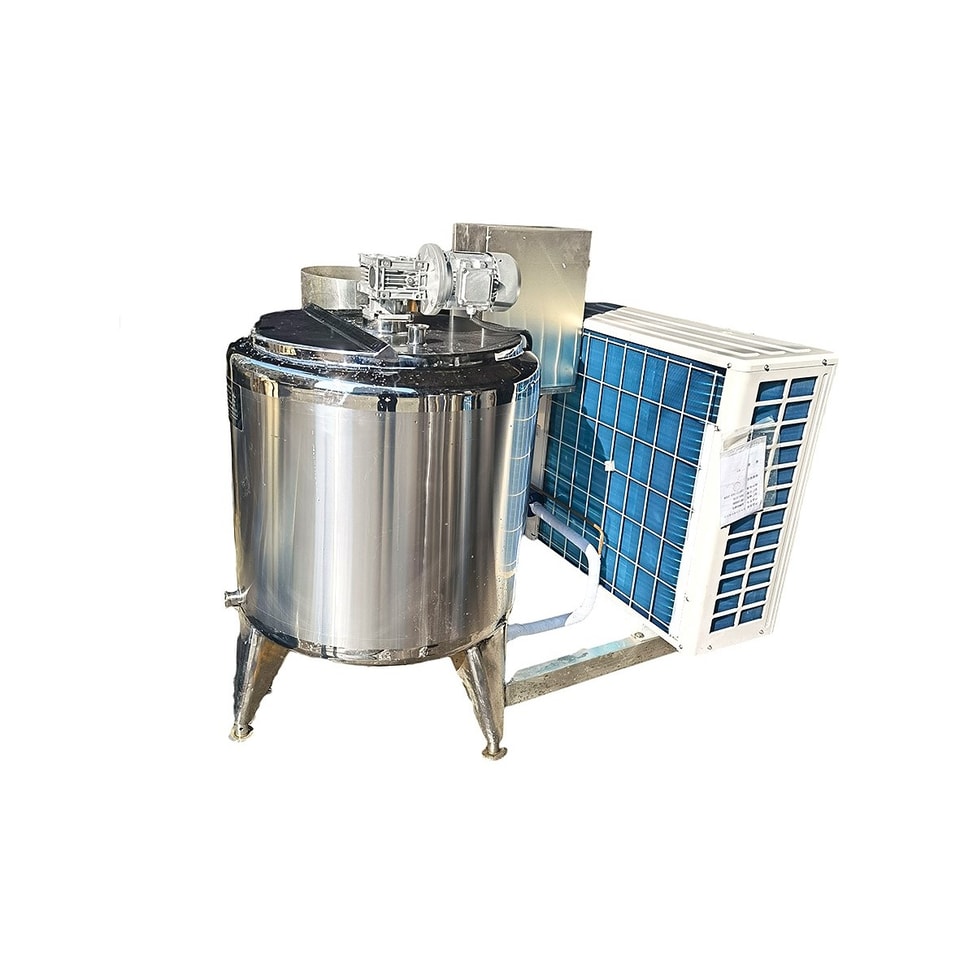
Milk supply chain management
Milk comes from cows, and the collection and preservation of milk is also very important. The milk supply chain needs professional milk storage equipment. Beyond specializes in manufacturing all kinds of milk storage equipment, which can be applied to different fields of milk production.
Improve cold storage chain
Through more advanced technology to improve the cold storage chain, we need powerful milk storage equipment to adapt to complex weather and geographical conditions in different seasons. Our milk storage tanks can set external conditions such as temperature. The storage tanks are made of high-grade stainless steel materials, which fully meet the requirements of the food industry, so that the milk can maintain high quality in the storage process.
Better milk quality, better quality of life
We are participating in many dairy development projects in Africa, Asia and Europe, and we are committed to improving the overall quality of raw milk. In a country where consumers' demand for high-quality dairy products is increasing, it is crucial to strengthen farmers, collectors, operators of milk collection centers and processors' awareness of milk quality and related practical skills. These products help families move towards a healthier lifestyle and require farmers to produce value-added dairy products with high-quality raw milk. In addition, focusing on quality improvement at the farm level, including cooling, will help reduce the waste of raw milk and raise the development of the national food chain to a new level of flexibility.
Sustainable raw milk procurement plan
If you plan to launch a new dairy farmer development plan or upgrade your existing raw milk procurement cold chain structure, we can work with you to support your efforts. We are good at establishing raw milk quantity and quality improvement system.
Important equipment of milk supply chain
Fresh milk cooling tank
This vertical milk cooling tank (also known as milk cooler, milk storage tank, stainless steel tank) is mainly used to cool and store milk or other liquids;
Absorb international advanced technology, and adopt advanced technologies and equipment such as imported compressors, safety protection systems, microcomputer monitoring, polyurethane foam, honeycomb evaporator, etc. Three layers, jacket layer and polyurethane insulation layer, internal and external mirror polishing, easy to clean, cooling device adopts famous brand;
Milk tanker
Milk tanker is widely used for long-distance transportation of milk or other liquid products. The tank wall is made of high-quality SUS304-2B stainless steel, the jacket is made of high-density polyurethane for insulation, and a new process is adopted. All inner corner radii B are made into large arc transition to avoid sanitary dead corners; CIP spray ball is fixed inside for easy cleaning. Comply with industry standards and food hygiene requirements.
Milk supply chain management cannot be separated from a variety of milk storage and processing equipment. With the development and application of new technologies, milk supply chain management will become simpler and simpler, the quality of milk products will become higher and higher, and richer milk products will meet the new demand from the market.
7/21, 2022
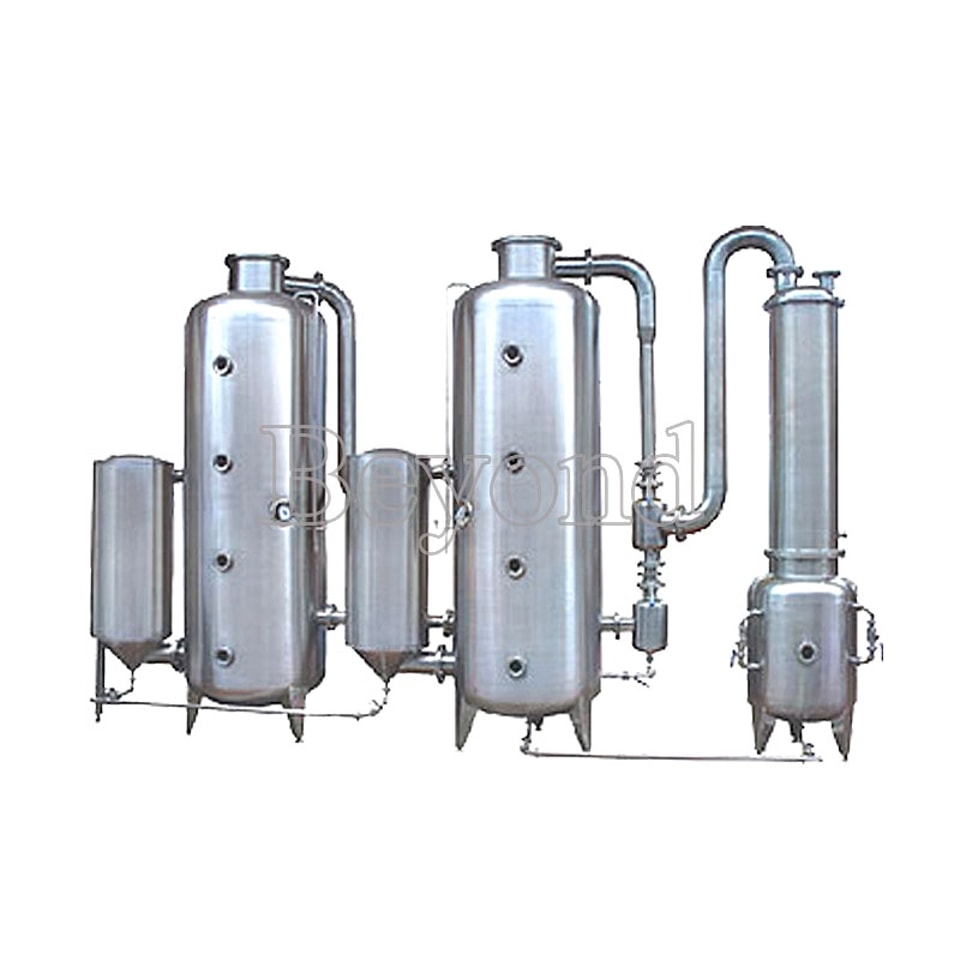
Startup sequence of fully automatic falling film evaporator
The fully automatic falling film evaporator can quickly enter the working state. When the machine just starts, how can we start it correctly? What kind of operation skills are there on the PLC control panel?
Parameter setting
We set the necessary parameters on the interface of the operating system to set the feed pump, discharge pump, temperature and sugar content of the falling film evaporator.
Setting of feed pump
We let the material be four effect material, and the material quantity should not be too high before the steam is turned on. It is enough to maintain the operation of the circulating pump. When you turn on the steam, the feed pump enters the normal feed volume.
Setting of discharge pump
In the evaporation process, the liquid level of the four effect will change due to the change of evaporation capacity. In order to control the liquid level, set a liquid level higher than this level, and pump the material back to the balance drum through the discharge pump.
The temperature is set to the temperature of the steam.
Sugar content setting
The sugar content of the material to be discharged. When the sugar content of the material reaches the upper limit of the material to be discharged, the material will be discharged. When the sugar content is lower than the lower limit, the material will be stopped.
7/12, 2022
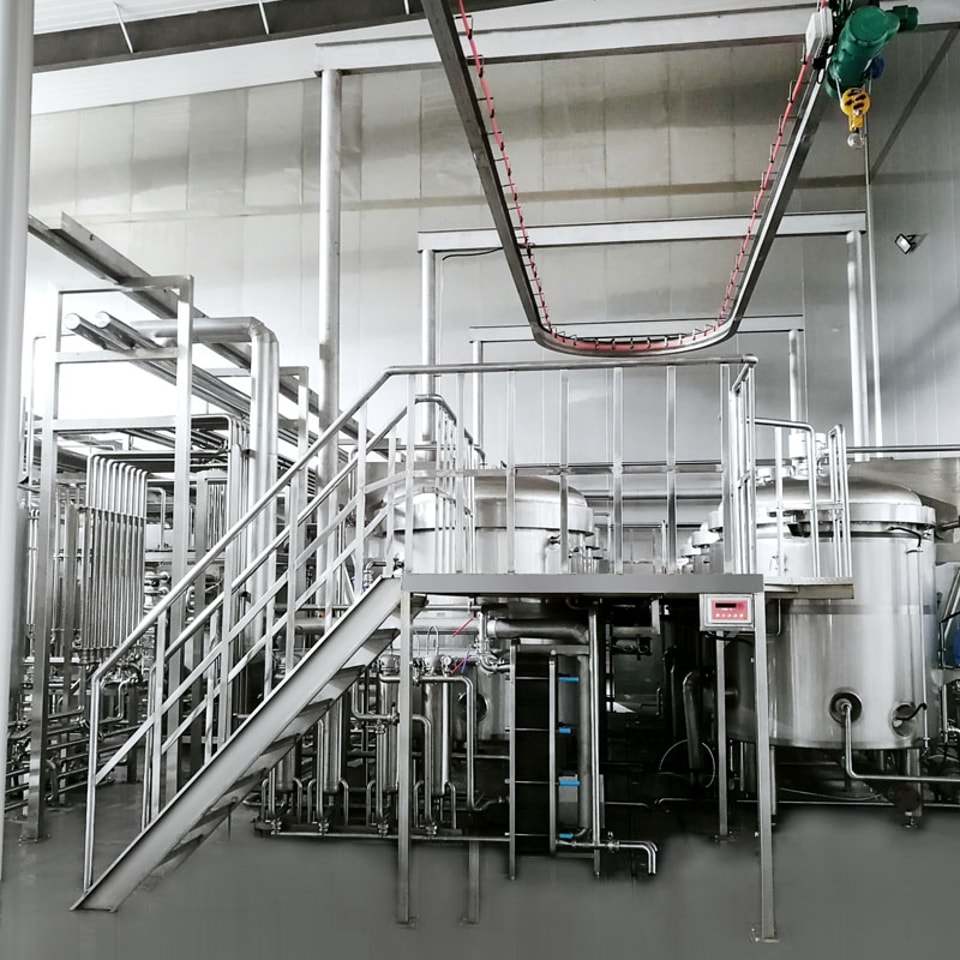
Function and function of control system of falling film evaporator
Falling film evaporator is an important equipment for food processing, which can be used in different types of food processing production lines. Benyou uses the advanced Siemens PLC system as the control master station to achieve the goal of efficient food processing. On the whole, the whole falling film evaporator system has the characteristics of high cost performance and strong practicality.
Control circuit of falling film evaporator
For the liquid level control of the material balance tank, a high, medium and low liquid level gauge is installed above the cylinder of the balance tank, and its output signal enters the PLC system. The pneumatic valve switch on the balance tank is controlled by PLC to ensure the liquid level balance in the balance tank. At the same time, the current liquid level is displayed on the operation interface, and the high and low level alarm can be realized.
Automatic water replenishment of feed balance tank
When the low liquid level alarm of the feeding balance tank is caused by the interference of feeding and other reasons, the pneumatic valve for replenishing water will automatically open to replenish soft water to prevent the evaporator from dry burning.
Control of evaporator feed quantity
The electromagnetic flowmeter installed on the material pipe of the evaporator detects the material flow and transmits the signal to the PLC. The PLC controls the frequency of the feed pump, so as to ensure the constant material flow in the pipe. At the same time, the flow can be displayed on the operation interface.
I-Effect temperature control
The temperature sensor installed in the I-Effect body detects the first effect temperature and transmits the signal to the first effect steam regulating valve to control the steam flow. At the same time, it receives the sugar degree signal of the sugar degree meter, and the temperature can be set according to the production situation.
IV effect concentrated juice level control
A liquid level transmitter is installed at the bottom of the IV effect concentrated juice tank, which can output standard signals to PLC. PLC controls the frequency of the frequency converter of the discharge rotor pump to keep the IV effect liquid level at the set value, so as to prevent the liquid level from being too high or the rotor pump from running idle due to lack of material. At the same time, the current liquid level is displayed on the operation interface.
Output sugar control
The sugar content of the discharged material is detected by the sugar content meter installed on the discharge pipe of the rotor pump, and this signal is transmitted to the PLC. The PLC neutralizes the sugar content signal to control the discharge. If the sugar content meets the requirements, the discharged material will return to the balance tank if it does not meet the requirements.
Vacuum control
The vacuum pressure transmitter measures the vacuum degree of the evaporator, and the vacuum regulating valve adjusts the vacuum degree to make it constant. The air inlet of vacuum pump is controlled by pneumatic butterfly valve.
CIP automatic cleaning control
CIP cleaning is consistent with the direction of material pipeline. Install a reasonable number of spray balls in the separator and separation bin of the evaporator, the spray times and time can be automatically set during the cleaning procedure, and the pre concentration and post evaporation can be automatically cleaned independently according to the procedure.
It is convenient to adopt advanced control methods. All parameters of the system are stable during operation, which is convenient to adopt advanced automatic control (PLC and human-machine interface control), and the cost of control equipment is relatively low, so it is convenient to realize full-automatic control.
7/12, 2022
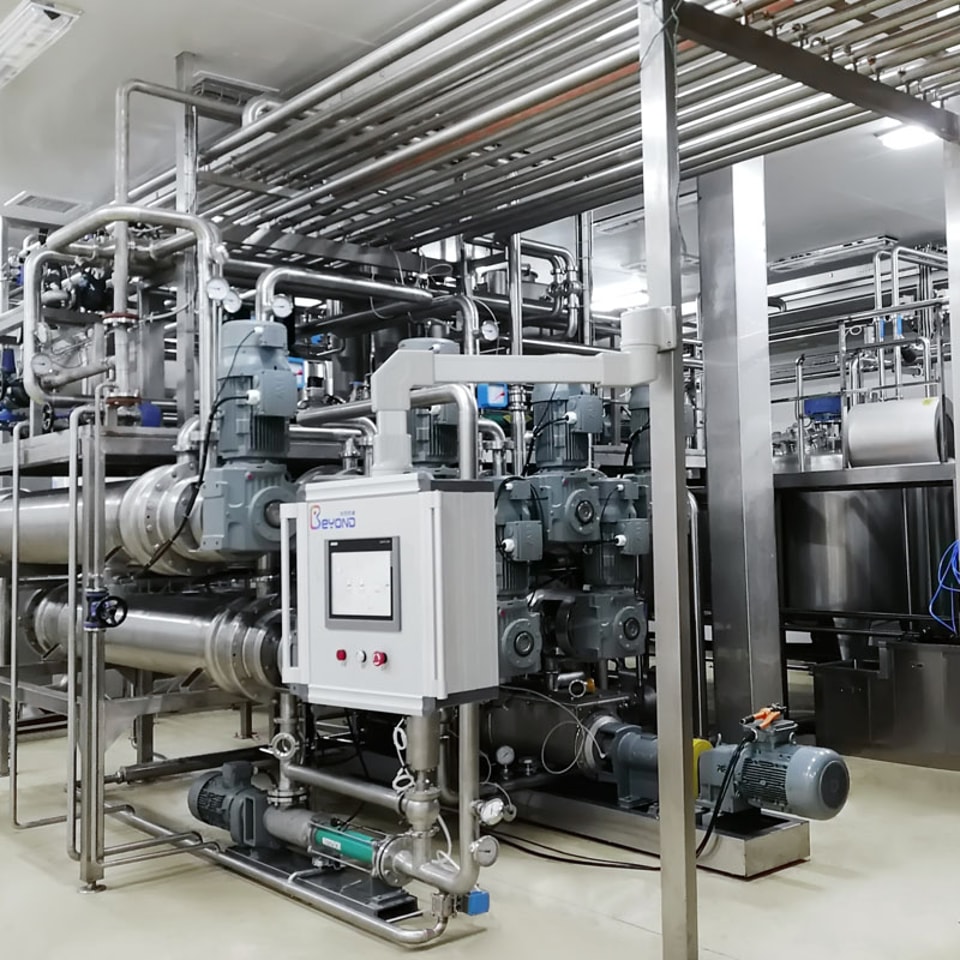
Technical characteristics of falling film evaporator
The falling film evaporator developed by BEYOND has very advanced technical characteristics. It realizes continuous feeding and discharging. The system is stable and easy to operate. When the equipment is working, it only needs to adjust various parameters as required at the initial stage of feeding, while ensuring the continuous and stable supply of materials. It is convenient to adjust. It can continuously, stably and efficiently concentrate and meet the requirements of qualified specific gravity.
The concentration ratio is significant, the thermal efficiency is high, and the energy-saving effect is remarkable. In terms of the structure of this system, we adopt an optimized design scheme to make the evaporation heat transfer system more reasonable, which is very suitable and beneficial to the concentration of materials. The main reasons are that the materials form a film in the heating pipe, flow quickly and flash quickly, the residence and heating time of the materials in the heating pipe are short, the viscosity of the materials can adapt to a wide range, the heating is uniform, it is not easy to coke, the damage to the effective components is small, and the heat energy is fully utilized, Remarkable energy saving effect.
7/12, 2022
